
Dine-in Restaurants
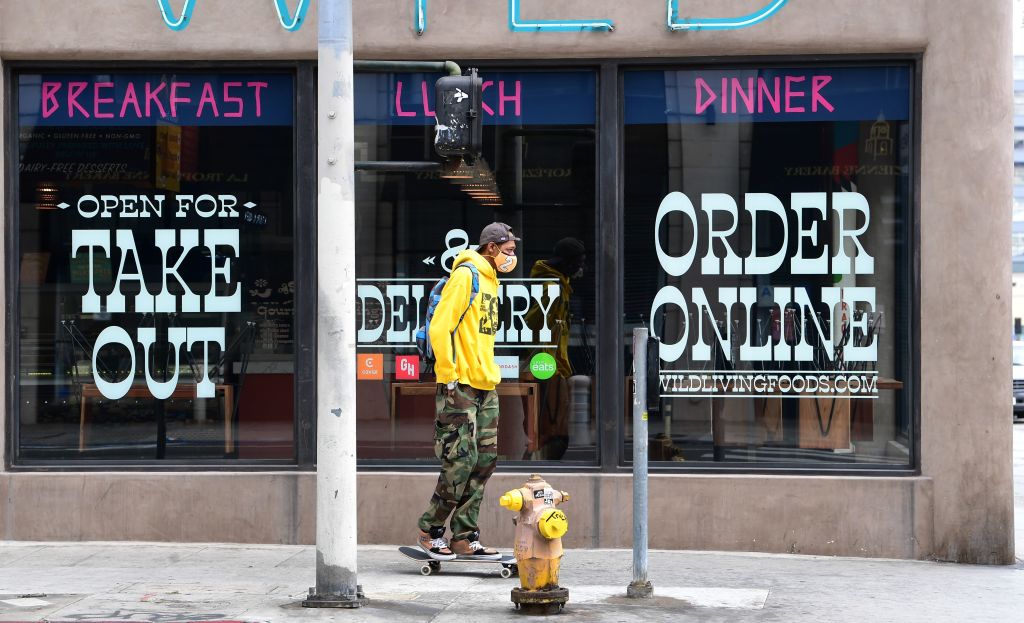
All dine-in restaurants (PDF), brewpubs, breweries, bars, pubs, craft distilleries, and wineries should follow restaurant guidelines if they provide sit-down meals, and they should still encourage takeout and delivery service when possible. Restaurants are to establish a written COVID-19 prevention plan for all work areas. Employees should be trained in health protocols and asked to stay home if they do not feel well.
- Thoroughly clean high-traffic areas like customer waiting areas and lobbies, break rooms, stairways, escalators, handrails, elevator controls, door handles, and light switches.
- Frequently clean and sanitize touchable surfaces, such as tables, chairs, serving trays, tablecloths, utensils, touchscreens, carts, and keys, between shifts or between users.
- Avoid sharing audio equipment, phones, tablets, laptops, desks, pens, and other work supplies.
- Employees should be assigned cleaning duties during work hours. Breaks should be staggered to maintain physical distancing protocols. All physical distancing protocols apply.
- Configure spaces to allow at least six feet of distance between people dining, working, and going through entry and exit areas.
- Spaces should be equipped with hand sanitizer and sanitizing wipes for staff directly assisting customers. Sanitary facilities should be stocked at all times.
- If possible, restaurants should open windows or doors to increase fresh air circulation.
- Provide disposable menus and make menus available digitally, or if this is not possible, disinfect menus before and after each customer use.
- Do not pre-set tables with napkins, cutlery, glassware, food ware, etc. These items should instead be supplied individually to customers. Tables should also be clear of card stands, flyers, napkin holders, etc.
- Consider suspending shared food items like condiment bottles or salt and pepper shakers, and switch to single-use containers or packets.
- Pre-roll utensils in napkins before customers use them. Employees must wash hands before pre-rolling.
- Have customers fill their own takeout containers.
- Close areas where customers gather together or touch food. Provide items to customers individually. This includes self-service areas like buffets, salad bars with utensil caddies, napkins, lids, straws, water pitchers, and to-go containers. Self-service machines like ice, soda, and frozen yogurt dispensers should also be closed.
- Stop leaving out after-meal mints, candies, snacks, or toothpicks.
- Put away and close entertainment activities like board games, pool tables, arcade games, and vending machines.
Retail
All retailers (PDF) should also have a written COVID-19 prevention plan for all work areas, according to the guidelines. Employees should be trained in physical distancing and health protocols.
- Thoroughly clean high-traffic areas.
- Clean and sanitize shared equipment like ladders, supply carts, clocks, payment portals, and other tools and surfaces.
- Spaces should be equipped with hand sanitizer and sanitizing wipes. Sanitary facilities should be stocked at all times.
- Adjust hours to allow time for cleaning and product stocking. This includes assigning employees cleaning duties during work hours.
- Try to install hands-free devices like automatic soap and paper towel dispensers, no-touch trash cans, and contactless payment.
- Encourage customers to use debit or credit cards. If they bring reusable bags, they should bag their own purchases.
- Shopping malls should have curbside or outside pickup points that are clearly marked, and there should be markings that designate at least six feet of distance inside stores.
- Stagger employee break hours.
- Dedicate hours for the vulnerable, preferably after a thorough cleaning.
- Adjust maximum occupancy rules to ensure physical distancing.
- Spread out delivery times and reduce person-to-person contact as much as possible.
- Ask non-employees like truck drivers, delivery agents, or vendors to wear personal protective equipment.