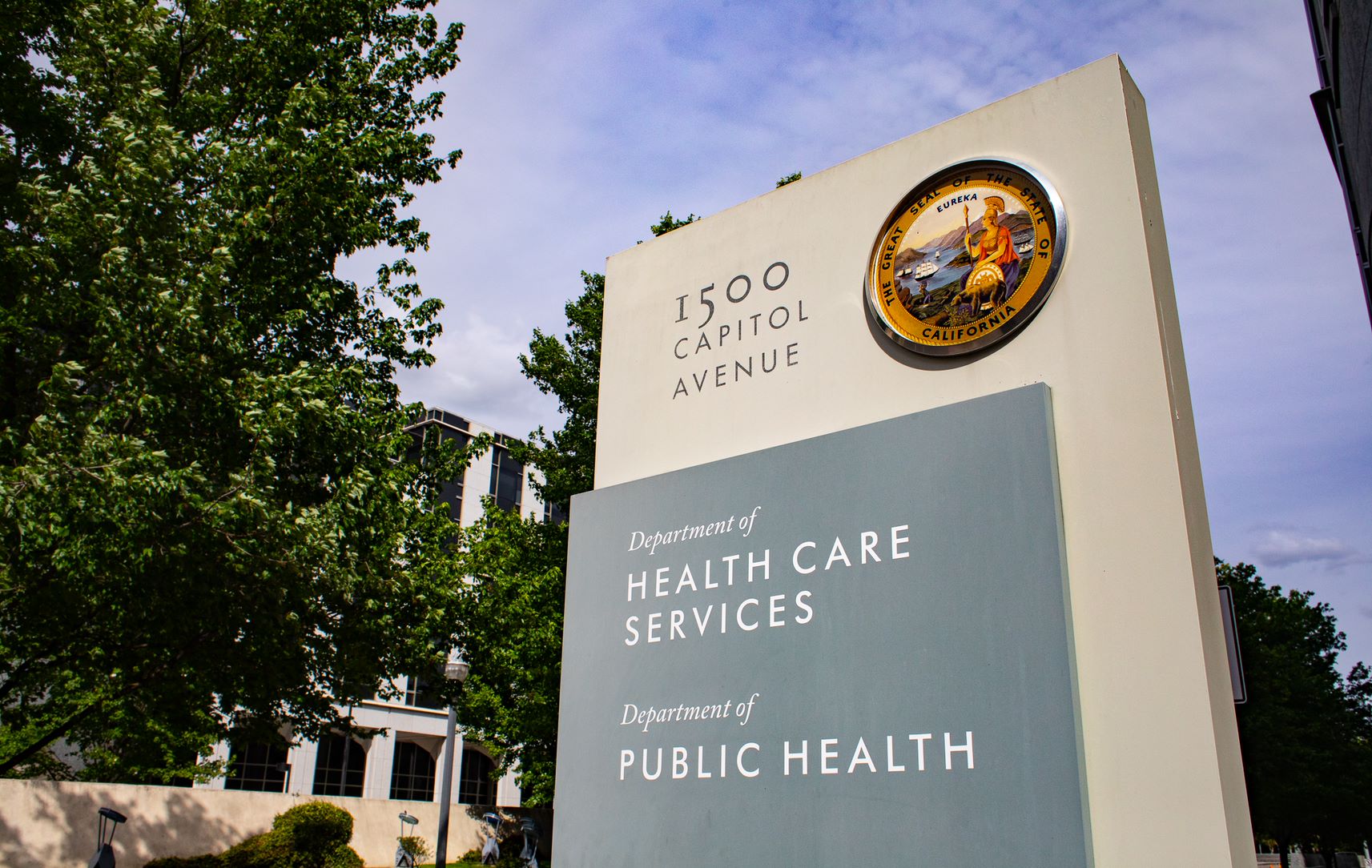

Spending on California’s joint state- and federal-funded health care program is slated to reach “an all‑time high,” according to a new budget analysis from the Legislative Analyst’s Office (LAO).
Budget estimates for the upcoming 2026–2027 fiscal year propose $222 billion in total funds for Medi-Cal, the state’s Medicaid health care program for low-income people, according to the LAO’s March budget report. That’s a 13.1 percent increase from the current fiscal year, which ends on June 30, 2026.
In the report, the LAO offered several recommendations for the state Legislature to consider.
Collecting More Data
The report suggests that the Legislature enhance oversight to request “richer data” on costs.
The cost per person likely increased because of “greater utilization of services, higher service costs, and recent state benefit expansions,” according to the report. However, the report states that the trends are “difficult to fully assess without better data on key expenditures, such as managed care costs and costs for undocumented beneficiaries.”
Information on spending and coverage costs for illegal immigrant enrollees “remains sparse, even though coverage for this population has significant General Fund implications,” the LAO report states.
The report also notes that COVID-19-pandemic-era policies have caused Medi-Cal’s caseload to reach an all‑time high, and it has remained high as more people are enrolling in Medi-Cal than leaving the program. Federal policies at the time required continuous coverage and barred states from disenrolling many beneficiaries.
“Over time, seniors and persons with disabilities have increased as a share of Medi‑Cal enrollment,” the report states. “This pattern primarily reflects robust growth in the senior population both before and after the pandemic.”
The LAO reported that Medi-Cal is the second largest expense in the state, at 20 percent of all general fund spending; only K–14 education costs are higher. In recent years, the health care program has outpaced the growth of the overall state budget, the report says.
Adjusting Taxes
The LAO’s second recommendation asks lawmakers to weigh the trade-offs of adjusting existing tax policies to increase revenue.
California has four taxes or fees used to help fund Medi‑Cal: the managed care organization tax, private hospital fees, long‑term care quality assurance fees, and a ground emergency medical transport quality assurance fee.
The LAO suggests increasing the state’s managed care organization tax in the short term, then reassessing the tax revenues to comply with federal legislation H.R. 1, which will gradually reduce the federal revenue limit on provider taxes starting in 2028. The legislation will also prohibit states from increasing existing health care provider taxes or creating new ones and from charging higher prices for Medicaid services than non-Medicaid services.
However, this suggestion could result in higher costs for people with commercial health plans, as health plan premiums may increase.
Adjusting Eligibility
Finally, the LAO suggests adjusting Medi-Cal eligibility requirements or modifying the benefits available to different enrollees.
Two recent expansions to the health care program—comprehensive coverage regardless of immigration status and eliminating the asset test for seniors and people with disabilities—have “significantly increased” the state’s general fund expenses for Medi-Cal.
The LAO suggests that lawmakers look into pulling back some of the expansions to these groups and reassess eligibility requirements for other groups, such as adults without children.
“Eligibility is an area where the Legislature has relatively greater discretion to make changes within current federal rules,” the LAO stated.
This move would reduce government spending but would also reduce health care access to certain populations, according to the report.
The report concludes that addressing the growing costs of Medi-Cal is needed, but it cautions that any policy changes would require time to produce substantial savings and would be subject to “significant uncertainty.”