
A rodent crisis is spreading across the agricultural land of California’s Central Valley.
Almond growers across Merced, Fresno, Kings, and Kern counties are seeing an especially severe roof rat problem, causing over 100,000 acres of damage and millions of dollars in economic losses.
According to an Aug. 1 report by the Almond Board of California (ABC), the rodents travel through irrigation canals and other waterways to quickly move between orchards, making containment difficult.
“The Almond Board of California is uncertain why the issue is worse this season. It’s likely a combination of several factors, such as abandoned orchards/vineyards, but at this point, that is all hypothetical,” an ABC spokesperson told The Epoch Times in an email.
In the last several years, researchers have found that rats have been burrowing and making nests in trees, causing harm by consuming nuts, girdling branches, and burrowing in the roots.
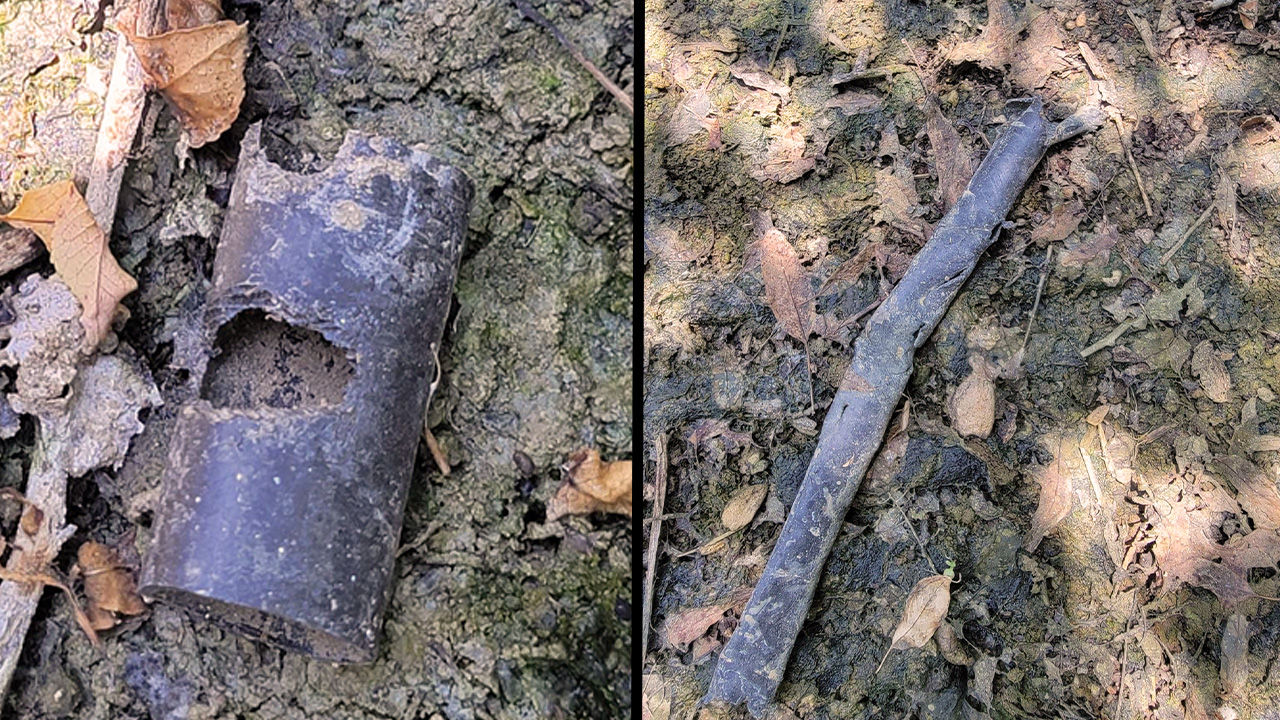
There’s also significant damage to irrigation systems and other agricultural equipment. Irrigation systems often come with standing water that rodents drink from. In response, farmers have been gradually replacing irrigation systems with drip irrigation of microsprinklers to discourage the small animals. Those systems that haven’t been switched out will still attract pests.
The California Department of Food and Agriculture reports that the total loss due to the rats ranges from $109 to $311 million. Drip line replacements alone totaled $56 to $168 million, and yield losses are estimated at $43 to $129 million. Included in the cost are equipment repairs, damaged tree replacements, and disinfection from contaminated machinery.
In one extreme report, one farmer had to replace an entire drip system after rats chewed through wires and caused fires, resulting in a $20,000 loss. Another grower was exterminating between 50 and 100 rats a day and faced a 50 percent crop loss.
Farmers are trying various extermination methods, including bait stations, aluminum phosphide treatments for burrows in the winter, snap traps, owl boxes, and applying carbon monoxide or carbon dioxide into burrows.
“ABC is working to find ways to help growers & PCAs [Pest Control Advisers] know how best to apply these very different techniques. Also, ABC has contributed to an industry-wide effort to distribute bait stations or owl boxes to growers in need,” ABC said.
Bait stations and owl boxes are useful but costly and labor-intensive. In addition, the rodents have learned to be wary of such tactics.
Scientists from the University of California Agriculture and Natural Resources have advised growers to implement an integrated pest management strategy focused on roof rat behavior in tree nut orchards with tracking tunnels, ink cards, and game cameras. The purpose is to monitor how their behavior and numbers change over time.
Meanwhile, the California Department of Food and Agriculture is working on updating pesticide labels for rodent control, in hopes of expanding more pest control options for farmers. There will be upcoming information sessions and conferences discussing these regulations in October and December.