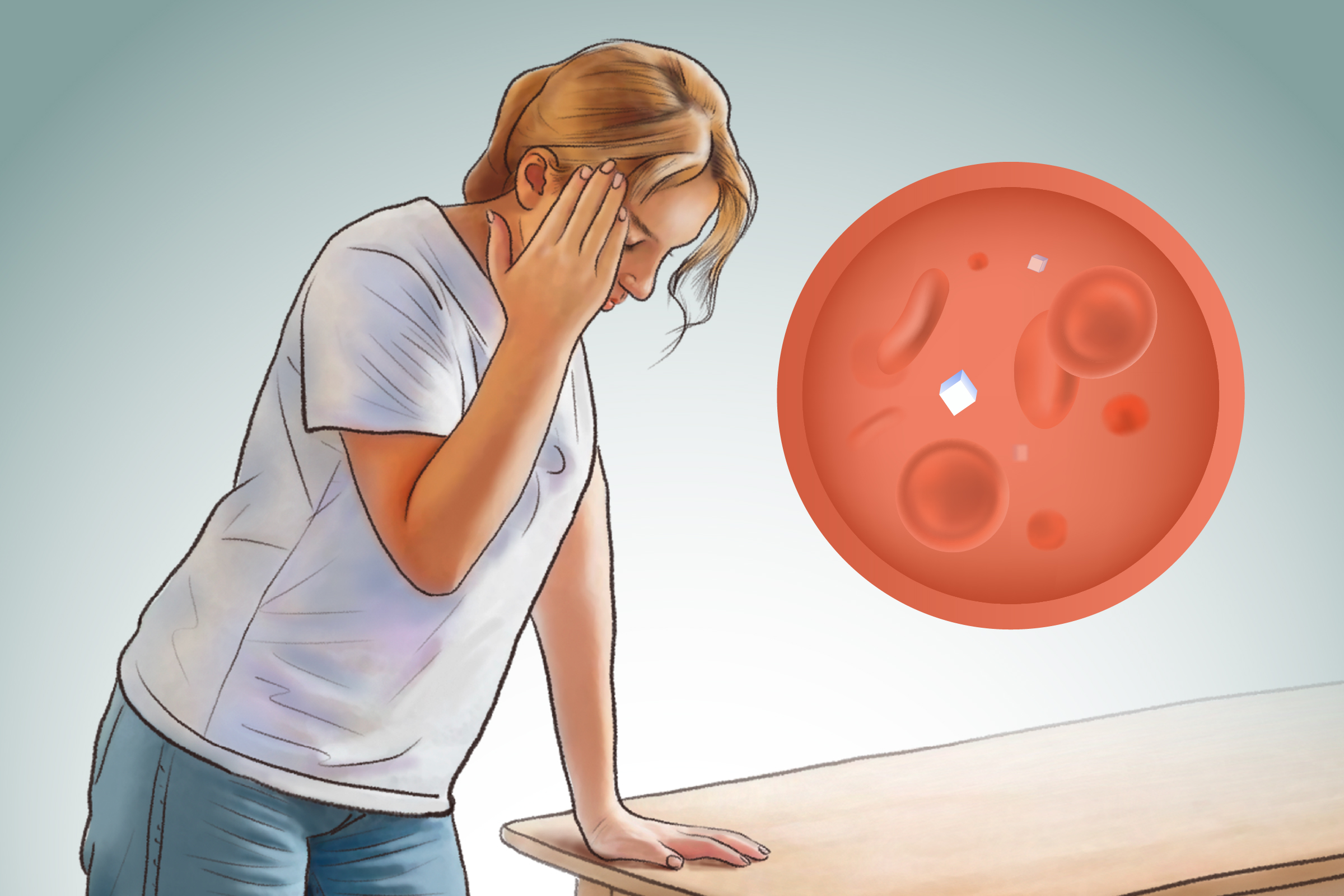

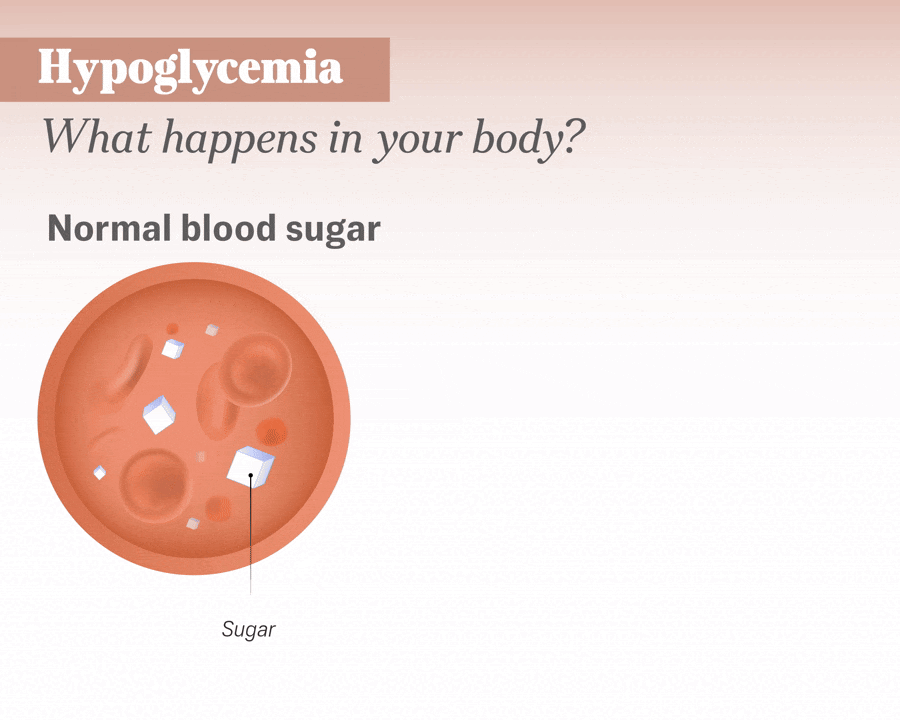
- Insulin: Insulin is the most common medication associated with hypoglycemic episodes, often because of mismatched dosing precision, meal timing, activity, and other physiological and behavioral factors.
- Sulfonylureas: These pills are usually taken once or twice a day. They work by increasing insulin release over several hours, which can sometimes cause blood glucose to drop too low.
- Meglitinides: These medications are taken before meals and cause a short-term increase in insulin. If meals are delayed or skipped, they may lead to low blood glucose.
Several lifestyle and health factors can also trigger hypoglycemia in diabetics, including the following:
- Not Eating Enough Carbohydrates: Skipping meals, delaying meals, or eating too few carbohydrates can cause blood glucose to fall below healthy levels.
- Fasting: Taking glucose-lowering medications while fasting increases the risk of low blood glucose.
- Increased Physical Activity: Exercising more than usual can lower blood glucose during the activity and for up to 24 hours afterward.
- Drinking Alcohol Without Food: Alcohol makes it harder for the body to maintain stable blood glucose levels and can mask early warning signs of hypoglycemia.
- Illness: Being sick may reduce appetite or cause vomiting, leading to lower blood glucose levels. Conditions like kidney failure, liver failure, and hypothyroidism can also reduce insulin excretion, causing insulin to act longer than expected.
- Stress: Both psychological and physical stress can affect digestion and metabolism, contributing to blood sugar swings.
Hypoglycemia is rare in people without diabetes. There are often two scenarios.
- Brain-Related Symptoms: These occur when the brain doesn’t get enough glucose and may include confusion, extreme tiredness, seizures, or even loss of consciousness. If not treated quickly, they can become life-threatening.
- Body Warning Symptoms: These occur when the body releases stress hormones in response to low blood sugar. Warning signs may include shakiness, a racing heartbeat, anxiety, hunger, sweating, or tingling sensations.
Common Symptoms by Severity
Symptoms typically appear when blood glucose levels fall below the normal range of 70 to 99 mg/dL. They can develop gradually or strike suddenly, escalating from mild discomfort to serious confusion within minutes.
- Hunger
- Nervousness or shakiness
- Sweating
- Tingling in the lips, tongue, or cheeks
Moderate hypoglycemia (below 55 mg/dL):
- Dizziness
- Sleepiness
- Confusion
- Difficulty speaking
- Blurred vision
- Weakness
- Pale skin
Severe hypoglycemia (below 35 to 40 mg/dL):
- Seizures or convulsions
- Loss of consciousness or coma
- Impaired thinking and severe confusion
- Difficulty following instructions
- Slurred speech
- Appearing intoxicated
Severe hypoglycaemia causing unconsciousness is known as hypoglycaemic (insulin) shock.
Special Circumstances to Watch For
There are certain circumstances in which low blood sugar occurs under unique conditions or presents with atypical warning signs, such as during sleep or when the body fails to recognize the symptoms of hypoglycemia.
- Restless or irritable sleep
- Hot, clammy, or sweaty skin
- Trembling or shaking
- Changes in breathing, such as sudden, fast, or slow breathing
- Nightmares that may wake the person
- A racing heartbeat
Hypoglycemic Unawareness
- Have had diabetes for more than five to 10 years
- Experience frequent low blood glucose episodes
- Take certain medications, such as beta blockers
Emergency Signs
Diabetic Hypoglycemia
Diagnosis is usually straightforward and based on reported symptoms, with confirmation by measuring low blood glucose levels when symptoms occur.
Nondiabetic Hypoglycemia
Doctors usually recognize hypoglycemia based on symptoms, medical history, a physical exam, and simple tests. The first step is to measure blood glucose levels. A diagnosis is confirmed if blood sugar is low at the time symptoms occur, especially when this relationship is observed more than once. Improvement in symptoms shortly after eating sugar further supports the diagnosis.
- Measuring blood glucose levels after fasting in a hospital or supervised setting
- Stopping suspected medications, such as pentamidine or quinine, and monitoring glucose levels
- Measuring insulin levels during a supervised fast, sometimes lasting up to 72 hours, if an insulin-producing tumor (insulinoma) is suspected
More extensive tests may also be performed depending on the situation.
Mild to Moderate Hypoglycemia
If a person experiencing hypoglycemia is conscious and able to swallow, they can usually treat themselves. Young children or people who need assistance may require help. When blood glucose is less than 70 mg/dL, the following steps are recommended:
- 15 grams of glucose gel (preferred)
- Six to seven regular-sized jelly beans
- 4 ounces of regular soft drink or fruit juice
- 3 teaspoons of sugar or honey
Symptoms usually resolve within minutes after eating sugar.
Severe Hypoglycemia
In severe cases, the affected person cannot treat themselves and requires assistance.
- Lay the person on their side and do not give food or drink
- Turn off the insulin pump if the person is wearing one
- Administer nasal spray or injectable glucagon
- Call 911 for emergency assistance
- Check blood glucose 15 minutes after giving glucagon
If blood glucose is less than 70 mg/dL, treat again with carbohydrates or follow instructions from the 911 operator.
Treatment of Underlying Causes
Treatment depends on what’s causing your hypoglycemia and may include the following approaches:
- Personal Management Plan: Work with your medical team to regularly review blood glucose, adjust medications as needed, and develop a plan to prevent and manage hypoglycemia.
- Carbohydrate Modification: Reactive hypoglycemia may improve by limiting carbohydrates, especially simple sugars, and using alpha-glucosidase medications such as acarbose to slow carbohydrate absorption.
- Surgery: Insulinomas are pancreatic cancers that make extra insulin and are usually surgically removed. Surgery cures hypoglycemia in about 85 percent of cases. Medications such as octreotide or diazoxide may help control symptoms before surgery.
- Regaining Hypoglycemia Awareness: Avoiding low blood glucose episodes for several weeks can help restore early warning symptoms. This may require higher glucose targets or treatment adjustments and should be done in close coordination with a diabetes care team.
1. Diet
Most clinical guidelines support broader dietary patterns—such as Mediterranean-style, Dietary Approaches to Stop Hypertension or DASH, low-glycemic index or load, and plant-forward diets—that emphasize overall carbohydrate quality, balanced macronutrients, and healthy fats.
- Follow a Specific Eating Order: Start meals with protein or legumes, followed by vegetables and mushrooms, and then rice and fruit. This sequence helps regulate digestion and improves the body’s ability to handle carbohydrates.
- Maintain Consistent Portions: Keep rice portions consistent from meal to meal to help support stable blood sugar levels and predictable glucose responses.
- Limit Sugar and Ultra-Processed Foods: Ultra-processed snacks, sodas, and even some “healthier” sweeteners, such as honey, maple syrup, and agave, can cause blood sugar spikes and crashes. Choosing whole foods and checking ingredient labels can help support more stable glucose levels.
- Manage Cravings Strategically: When cravings hit, drink water first and choose a nourishing snack instead of sugary foods. Options such as vegetables, nuts, yogurt, or protein shakes provide steadier energy, help prevent sharp crashes, and reduce dependence on high-sugar foods.
2. N-Acetylcysteine (NAC) Supplement
NAC is a form of cysteine, an amino acid the body uses to produce glutathione, a key antioxidant that protects cells from oxidative stress and supports liver and immune function. Its potential health benefits are linked to its ability to increase glutathione levels in the body.
- Monitor Regularly: Learn to check your blood glucose using a meter or, if needed, a continuous glucose monitor (CGM). CGMs track blood sugar continuously, show trends, detect rapid drops, and can send alerts before levels become dangerously low. This is especially useful for people with hypoglycemia unawareness.
- Follow a Consistent Meal Plan: Ensure enough carbohydrates at each meal, carry fast-acting carbohydrates such as glucose tablets, and eat when drinking alcohol. In people using insulin or sulfonylureas, delayed or smaller meals and increased physical activity can cause hypoglycemia, so consistent meal timing and portion size are important. A registered dietitian can help create a personalized meal plan and snack recommendations.
- Eat Small, Frequent Meals: Eating smaller meals throughout the day can help maintain more stable blood glucose levels.
- Limit Alcohol Intake: Drink alcohol in moderation, spread beverages over several days, and avoid drinking on an empty stomach.
- Exercise Safely: Check blood glucose before, during, and after physical activity, and adjust food or medication as needed. Track exercise intensity, duration, and timing, as all can affect your risk of low blood sugar. Aerobic exercise such as walking, cycling, or swimming improves insulin sensitivity and glucose control, but may lower blood sugar during and for several hours afterward. Eating a snack beforehand and monitoring blood glucose can help reduce this risk.
- Manage Stress: Reduce psychological and physical stress when possible, as stress can indirectly affect glucose control.
- Prioritize Sleep: Maintain regular sleep patterns to support overall glucose control.
- Work With Your Health Care Team: Identify medicines that may cause hypoglycaemia and adjust your diabetes management plan accordingly.
In people with Type 1 diabetes, the risk of exercise-induced hypoglycemia depends on exercise type, timing, and insulin management. High-intensity interval and resistance exercises generally carry a lower hypoglycemia risk than continuous moderate-intensity aerobic exercise. Hypoglycemia risk can be minimized by reducing mealtime insulin by 25 percent to 75 percent for exercise within two hours of eating, performing brief maximal-intensity sprints during moderate exercise, or doing resistance exercise before aerobic activity. Evening exercise increases the risk of overnight hypoglycemia, which can be reduced by lowering bedtime long-acting insulin or basal infusion rates by about 20 percent.
Safety Precautions
If you are at risk for hypoglycemia, you should also take the following precautions:
- Carry Sugar and Snacks: Keep fast-acting carbohydrates with you at all times.
- Wear Medical Identification: Use diabetes identification, such as a medical alert bracelet.
- Monitor Blood Glucose: Keep a glucose meter with you and check your blood glucose levels before driving or operating machinery to ensure it’s within the normal range.
- Check Expiration Dates: Monitor glucagon expiration dates and replace them as needed.
- Educate Others: Teach family members, friends, and colleagues to recognize the symptoms of hypoglycemia, use a glucose meter, and how to administer glucagon if necessary.
- Loss of Consciousness: The brain relies on glucose for energy, and severe drops in blood sugar deprive it of fuel, impairing normal brain function.
- Falls or Accidents: Confusion, dizziness, or fainting can increase the risk of injury.
- Coma: Prolonged or severe hypoglycemia can suppress brain activity to the point of coma, requiring emergency medical care.
- Seizures: Critically low blood glucose can disrupt normal electrical activity in the brain, triggering seizures.
- Impaired Cognition: Recurrent hypoglycemia may affect cognitive function, especially in children. Severe episodes, especially those accompanied by seizures, may subtly impair cognitive performance later in life. Research in older adults with Type 1 diabetes also links a history of severe hypoglycemia to poorer performance in global cognition, language, executive function, and memory, with more frequent episodes showing stronger effects.
- Brain Damage: Extended periods of severe hypoglycemia can cause lasting injury to brain tissue due to prolonged glucose deprivation.
- Death: If not promptly treated, severe hypoglycemia can be fatal.