

A Month, If You’re Lucky
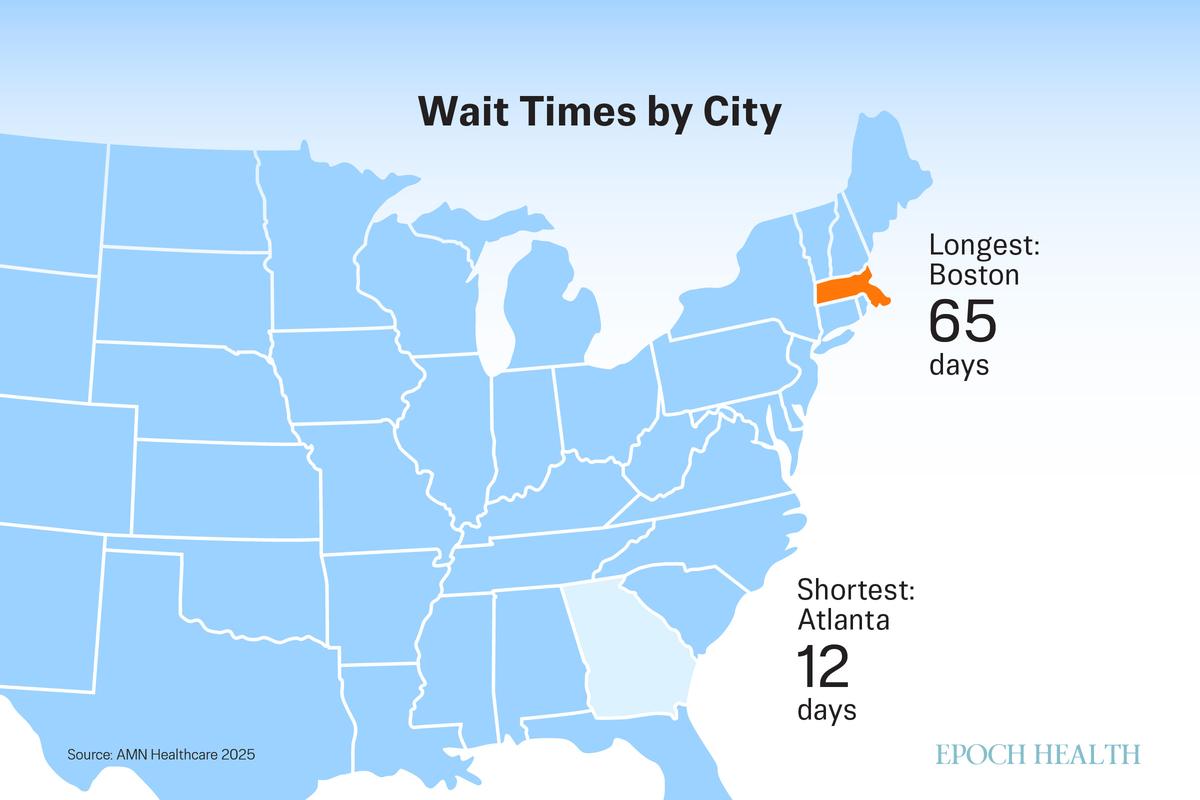
More than 100 million people lack a regular primary care provider, a figure that continues to climb each year. New patients wait an average of 23.5 days to see a primary care doctor, often longer in cities. Even existing patients face significant waits, although generally shorter than those of new patients.
The Specialist Referral Maze
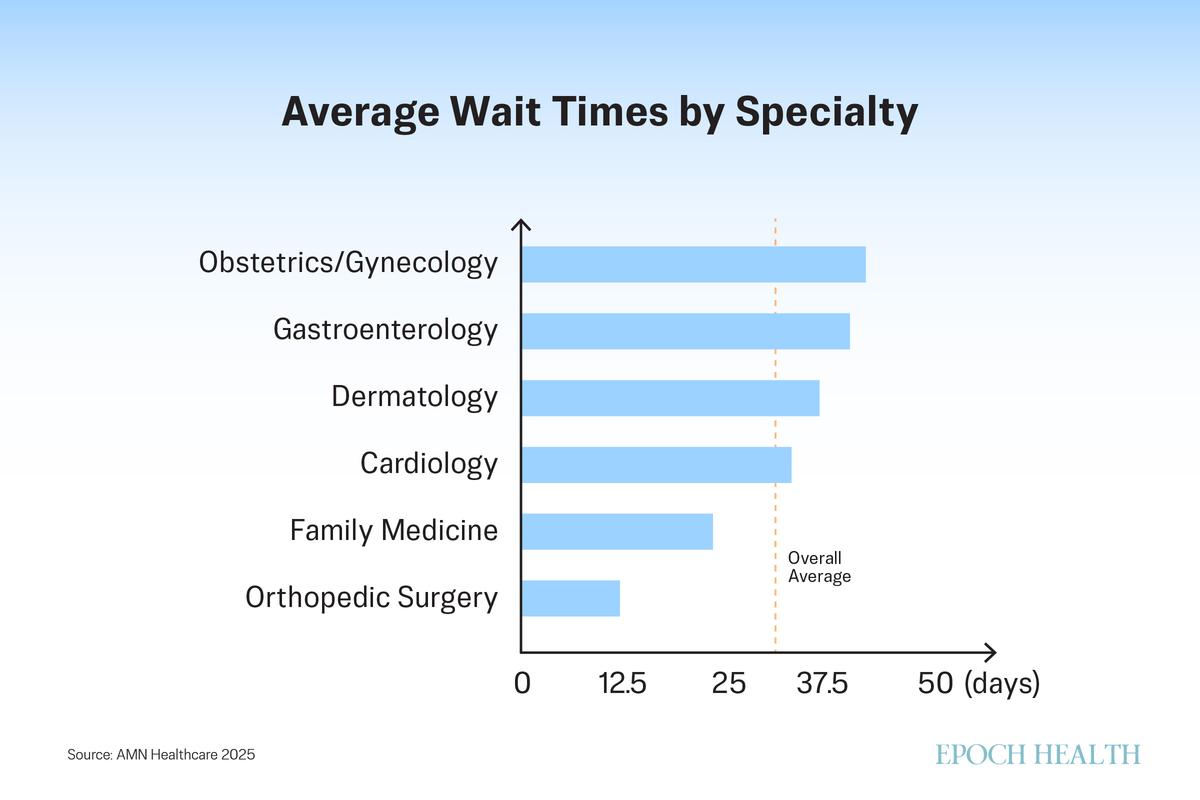
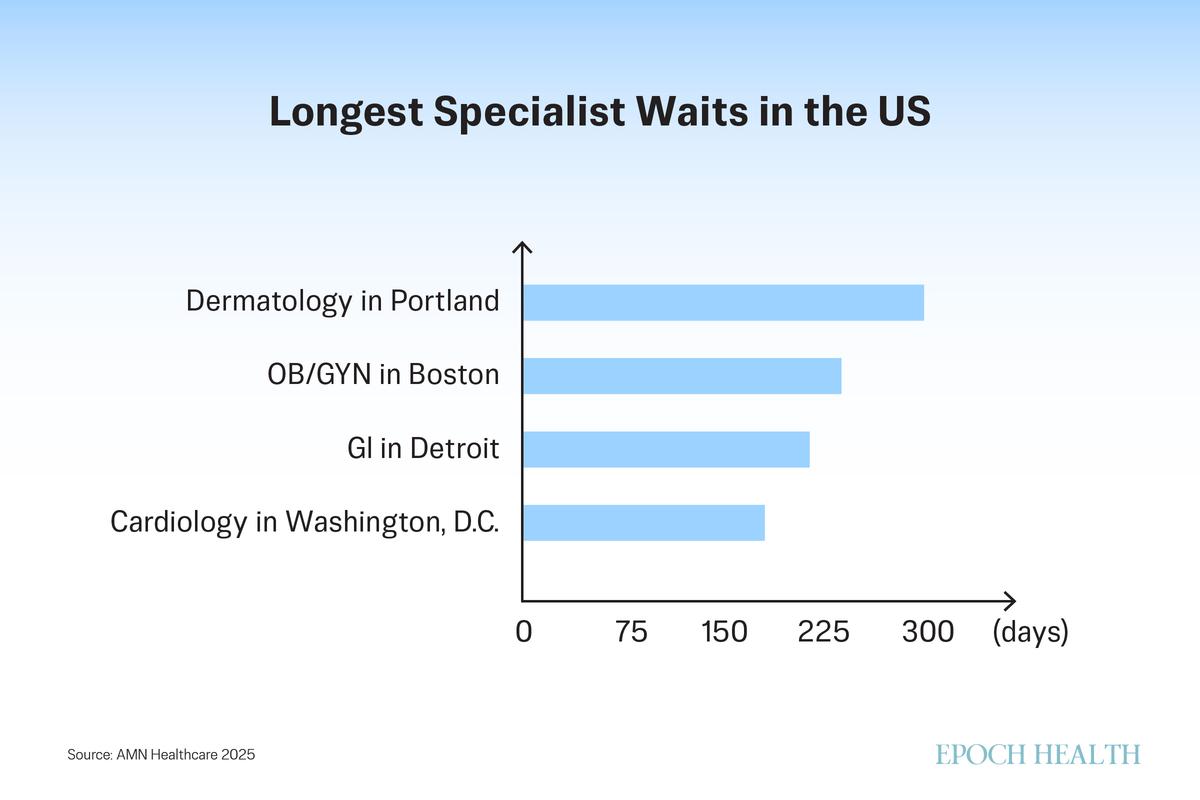
Seeing a specialist presents its own set of challenges. Even after securing a coveted primary care appointment and obtaining a referral, patients face another round of lengthy delays.
Strategies for Gaining Access to Care
Whether it’s finding a new doctor, landing a specialist appointment, or just breaking through your provider’s backlog, the challenge is access. Some patients manage access by knowing how the system works. The following tactics won’t fix the shortage, but they can shift the odds in our favor.
Step 1: Finding a Primary Care Doctor or Specialist
Start With People
- Ask for Specific Names, Not Just Practices: When you call, mention who referred you: “My friend Maria is a patient of Dr. Green and suggested I call.” Clinics often note these connections, which can move you up the callback list.
- Verify Fit Before Booking: Ask about insurance acceptance, after-hours options, and same-day visits. Research shows that these logistics often influence satisfaction more than credentials.
- Tap Professional Circles: Pharmacists, therapists, or other doctors often know who’s taking new patients or who communicates well.
- Combine Word-of-Mouth With Research: Once you have a few names, check online reviews for red flags rather than perfection. A consistent theme of poor communication is more telling than a few harsh comments.
- Keep a Running Short List: Save the contact info of doctors recommended by friends or professionals, even if you’re not looking right now. It can save weeks if you suddenly need care.
Go Digital
- Start With Your Insurance Portal: Log in and click “Find Care” or “Find a Doctor.” These directories usually show which providers are in-network and, increasingly, whether they’re accepting new patients. Some include direct links to schedule an appointment.
- Check Hospital or Health-System Pages: Look for a “Patient Portal,” “Book Online,” or “Schedule a Visit” tab. Large systems such as Mass General Brigham, Cleveland Clinic, or Mayo Clinic sometimes let patients view real-time openings and book directly, often without calling.
- Check Official Directories: State medical boards list every licensed provider, and state chapters of the American Academy of Family Physicians or internal-medicine societies often post searchable directories by region or availability. These sources verify credentials and can uncover clinicians not featured on commercial platforms.
- Use Third-Party Tools: Zocdoc, Healthgrades, and One Medical integrate with clinic calendars, allowing you to filter by specialty, insurance, and sometimes the soonest available appointment.
- Double-Check Listings: Online directories can lag by weeks. Once you find an opening, call or message the office through its portal to confirm.
Expand Your Definition of ‘Doctor’
When appointment backlogs stretch for weeks, the key may be to expand what “care” looks like.
- Look for Team-Based Clinics: Nurse practitioners and physician assistants can diagnose, prescribe, and manage most common conditions. They’re often easier to book than physicians, and Medical Group Management Association data show practices that rely more on team-based care are better able to keep wait times under control.
- Consider Direct Primary Care or Concierge Medicine: These membership models offer longer visits, direct messaging, and same-day scheduling in exchange for a monthly fee—usually $50 to $150.
- Explore Integrative or Naturopathic Care: In 26 states, licensed naturopaths can diagnose conditions, order labs, and prescribe medications. Functional-medicine doctors—typically medical doctors or doctors of osteopathic medicine—combine conventional care with nutrition and lifestyle approaches. These options can offer more time and continuity, though insurance coverage varies.
Be Flexible About How–and Where–You’re Seen
- Try Virtual Visits: During the COVID-19 pandemic, telehealth use by primary care doctors jumped to nearly 50 percent from 5 percent, and many patients plan to keep using it. Virtual visits aren’t a substitute for hands-on exams, but they can bridge gaps until you’re seen in person.
- Widen Your Search: Appointment backlogs don’t move in sync from place to place. A 30-minute drive to a nearby town or a different hospital system can sometimes mean being seen weeks sooner.
Step 2: Getting Seen Sooner
Once you’ve identified the provider or practice that fits your needs, the next challenge is securing an appointment. That’s where persistence, flexibility, and a few behind-the-scenes strategies can make all the difference.
- Work the System–Nicely: Staff work within limits, but your tone matters. “Create a sense of urgency,” Serna said. “Say, ‘I’m worried and would like to be seen sooner if something opens up.’” A little empathy goes a long way—schedulers often remember polite persistence.
- Call Early: Most offices hold a few same-day or next-day slots for urgent needs, but they go fast. Call right when the office opens to improve your chances of landing one.
- Join the Cancellation List: Ask the office to add you to their cancellation list—a roster of patients willing to come in on short notice if someone else cancels. Patients who are flexible often get the first call, and a quick weekly check-in helps keep your name visible.
- Ask About Virtual Options: For non-urgent issues that don’t require a physical exam, virtual care can be a quicker route. “It saves time for everyone,” Serna said. Many systems offer virtual visits within days, particularly for follow-up appointments or initial consultations.
- Bring in Backup: When care stalls, someone has to move it along. “Most people don’t know how to get past the scheduler to the clinical team,” said Serna. She sometimes makes those calls herself, reaching out directly to a specialist when a patient’s referral has hit a wall.
Ask whether your doctor’s office can do the same by contacting the specialist or testing center on your behalf. If that doesn’t work, an outside advocate may help. A 2024 review found that patients with advocates began treatment sooner in 70 percent of cases. The National Association of Healthcare Advocacy and the Patient Advocate Foundation connect patients with professional or nonprofit advocates.
Navigating From Within
The U.S. health care system may be slow and fragmented, but it is not impenetrable. With preparation, patience, and the right questions, it is still possible to find a way through. That might mean asking for multiple referrals, using portals to spot cancellations, or simply knowing how to frame urgency without panic.