
Efforts to modernize California’s 911 emergency system have stalled as state officials propose a new blueprint and lawmakers move forward with a bipartisan bill to implement more oversight.
Lawmakers advanced Senate Bill 985 to establish more oversight in the state’s 911 system revamp project. The bill would require California’s Office of Emergency Services (Cal OES) to “provide quarterly reports to the Legislature on the development, implementation, and spending on the Next Generation 911 system.”
The project, known as Next Generation 911, aims to update the state’s emergency response system with new technology that allows users to send text messages, photos, and videos to a 911 dispatch center and enables dispatch centers to locate callers more quickly and accurately, according to Cal OES.
Under SB 985, Cal OES is asked to report its plan and timeline for testing, implementing, and operating the new 911 emergency communication system. Quarterly reports will also need to include any technological, operational, legal, or contractual challenges, as well as proposed solutions.
SB 985 aims to “maximize efficiency and contain costs,” as spending on the 911 project continues to increase with limited success in statewide implementation.
The project has already spent $456 million since its launch in 2019, according to the state Legislative Analyst’s Office (LAO). In 2025, the state paused further implementation efforts after only 23 out of the 447 total dispatch centers statewide—about 5 percent—had transitioned to the Next Generation 911 system.
Four factors contributing to the pause were a lack of clear support for resolving technical issues, interdependencies between the service providers creating failure points, operational difficulties with the regional approach, and dispatch centers experiencing increased workloads resulting from the use of legacy and Next Generation systems at the same time, according to the LAO.
In response to these challenges, Cal OES is proposing a new blueprint that would focus on developing a single statewide network. This would replace the four regional service providers that are being used in the current version of Next Generation 911.
SB 985 would require Cal OES to continue submitting quarterly reports until the new system is fully in use and the legacy 911 system has been completely decommissioned.
The bill passed the Senate Committee on Energy, Utilities, and Communications on March 17 with bipartisan support and was referred to the Senate Committee on Emergency Management.
More Than a Decade of Delays
Lawmakers asked Cal OES and the vendors working on building the new emergency system to testify about the project’s past failures and potential future challenges during a March 17 oversight hearing in the Assembly Emergency Management Committee.
Steve Yarbrough, deputy director of public safety communications at Cal OES, told lawmakers that the initial Next Generation 911 system faced supply chain interruptions during the COVID-19 pandemic, contributing to delays in implementation.
He said the project also experienced technical problems, such as incorrectly routed calls, failed call transfers, and poor audio quality that disrupted services and risked public safety.
“The feedback we received made it very clear that the regional architecture introduced unnecessary complexity,” Yarbrough said.
Assembly Member Heather Hadwick raised concerns about a reported fatality in Desert Hot Springs, California, attributed to disruptions in services resulting from the transition. She said dispatchers were dropped from the 911 system when responding to a call and could not log back in.
“It was a heart attack call. The man died from that. I’m very nervous with the upcoming wildfire season,” Hadwick said.
Yarbrough responded that new plans for a single centralized system can boost system reliability, as they plan to contract with a single vendor that meets the National Emergency Number Association standards and can maintain a 99.999 percent system uptime.
Cal OES aims to complete the Next Generation 911 project by 2030.
Cal OES plans to secure new contracts with a statewide service provider for the project early this year. The office aims to begin transitioning more dispatch centers to the new system later this year. From 2026 to 2030, the office plans to decommission legacy system components as the new system is deployed.
Cal OES does not yet have an estimated budget for future phases of implementing the new emergency system.
The office revealed in March that it has terminated its contract with the provider NGA 911, citing “recurring issues” with equipment at Desert Hot Springs Police Department and Wasco Police Department and failure to meet lab validation deadlines to resolve reported issues.
At the oversight hearing, NGA CEO Don Ferguson defended his company’s technology, saying that the incidents occurred in 2022 and 2023. He added that “the early incidents were all corrected” and that his company “provided approximately 3,000 pages of documentation” and records of the cases.
The state’s contract with NGA is slated to end on April 10. Vendors for the new Next Generation 911 blueprint have not yet been revealed. Since the project’s inception, the state has worked with vendors that include Atos, Synergem Technologies, AT&T, and Lumen Technologies.
Efforts to revamp California’s 911 system date back to 2010, when then-Gov. Arnold Schwarzenegger’s administration revealed plans to update the system by about 2015.
From 2013 to 2018, the state began setting a budget, plan, and timeline under then-Gov. Jerry Brown. During this time, the state spent about $334 million to maintain the legacy system and run pilot programs to determine designs for the new system, according to the LAO.
Going into 2019, the state began implementing Next Generation 911 and required adding text‑to‑911 capabilities. In the following years, the state signed contracts with vendors but ran into technical challenges such as system failures.
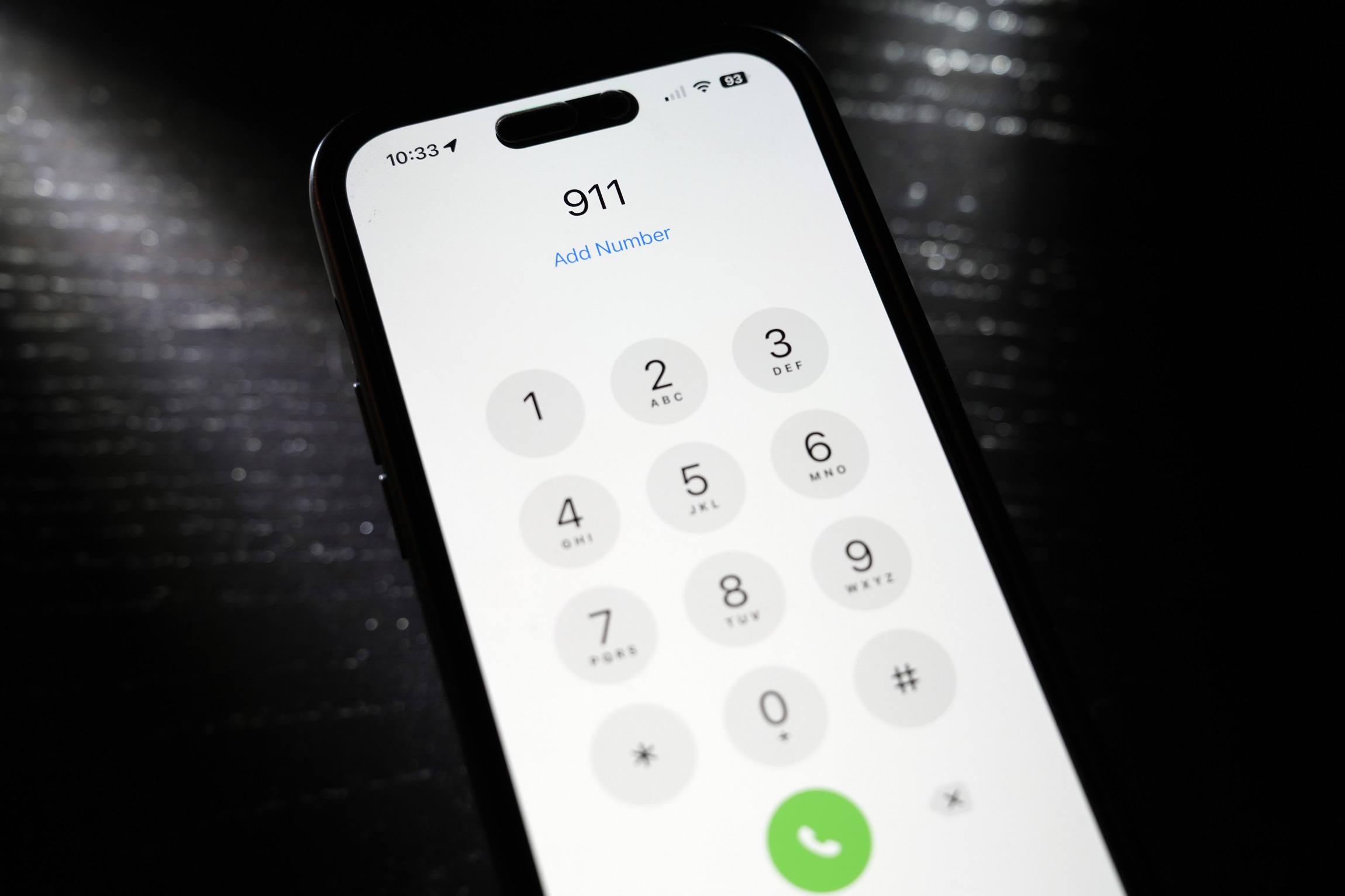
Currently, in California, 911 has limited texting capabilities. The text service is not available everywhere, may be limited by the person’s phone carrier, and is slower for communicating information with dispatchers.