
The Trump administration has issued new sanctions against individuals and entities connected to the Sinaloa Cartel and its fentanyl trafficking.
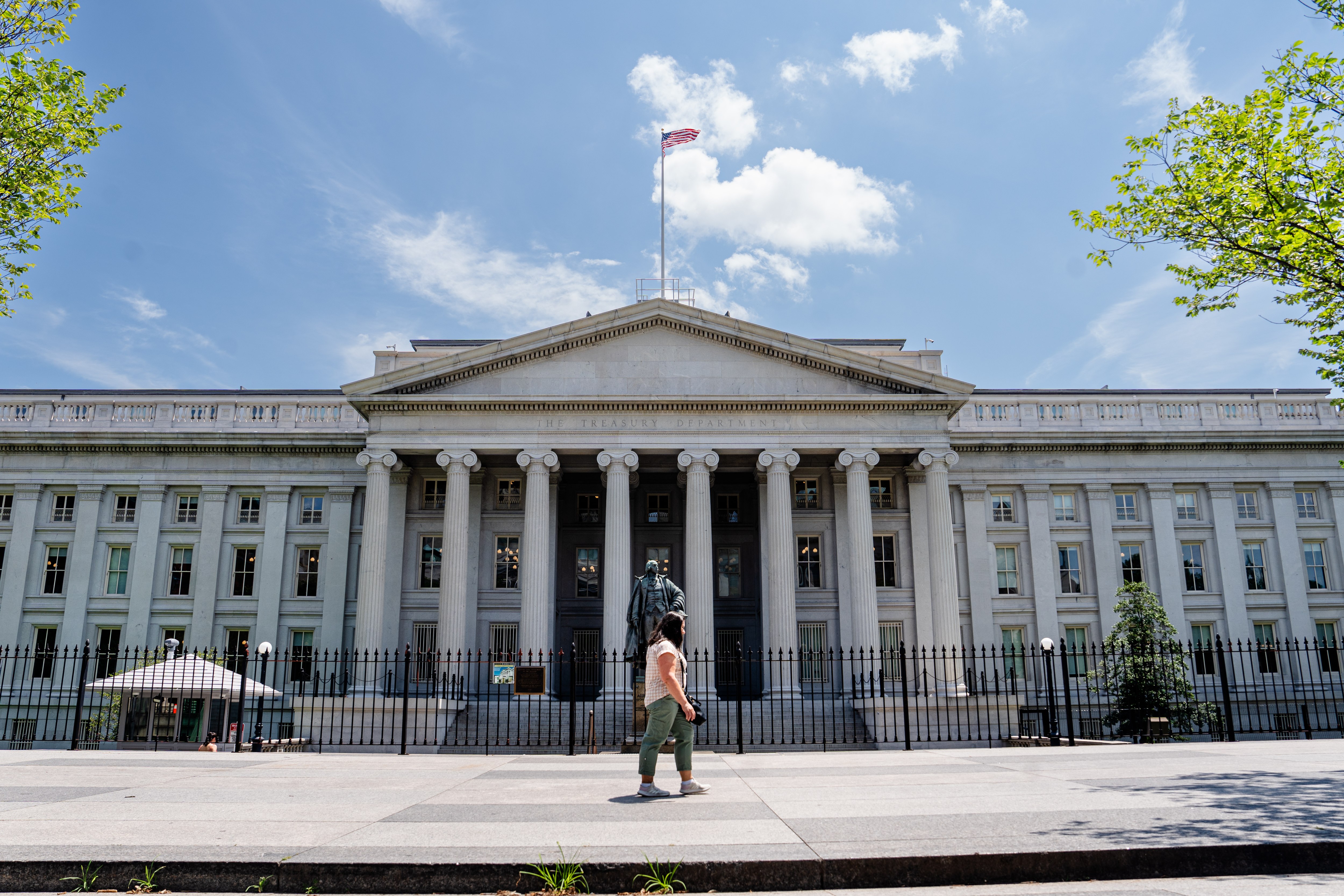
According to a May 20 press release by the Department of the Treasury’s Office of Foreign Assets Control, more than a dozen names linked to the cartel have been sanctioned.
The Sinaola Cartel was designated by the United States as a foreign terrorist organization on Feb. 20, along with Tren de Aragua, Mara Salvatrucha (MS-13), and multiple other cartels.
Specifically, the Treasury Department highlighted Armando de Jesús Ojeda Aviles and Jesus González Penuelas as prominent targets of the sanctions.
“As President Trump has made clear, this Administration will not allow narco-terrorists to flood our borders with poison,” Treasury Secretary Scott Bessent said.
“Treasury will continue to target terrorist cartels and their fentanyl trafficking networks to protect our communities and Keep America Safe.”
Aviles is said to be the head of a network that launders proceeds of fentanyl and other drugs for the Sinaloa Cartel.
Penuelas is a “fugitive from justice,” according to the Treasury, and heads an organization involved in trafficking drugs into the United States and laundering money for the cartel.
At the time of its designation as a terrorist organization, the Department of State called the cartel “one of the world’s most powerful drug cartels” and said it is “one of the largest producers and traffickers of fentanyl and other illicit drugs to the United States.”
The government also asserts that the cartel has used violence to murder, kidnap, and intimidate civilians, government officials, and journalists.
As early as April 2009, the Sinaloa Cartel was identified by the United States as a “significant foreign narcotics trafficker.”
The cartel has been known to traffic fentanyl, methamphetamine, cocaine, and other illicit drugs into the United States.
It comes just days after Mexico announced that it froze bank accounts of former officials accused by the United States of ties to the Sinaloa Cartel.
Mexican President Claudia Sheinbaum called the move a preventive measure and said it was not a domestic investigation.
“Given that there is an arrest warrant in the United States against 10 people, the banks here—because they have relationships with banks there—take a series of measures,” she said.
Two of the officials charged by the United States just days earlier were Gerardo Merida Sanchez, who was arrested in Arizona, and former Sinaloa finance minister Enrique Díaz, who surrendered to U.S. authorities.
Both were charged with conspiring with leaders of the Sinaloa Cartel to import large quantities of narcotics into the United States in exchange for bribes and support.