
Upon consultation, Liu discovered the patient had lost his wife a month earlier and had since been overwhelmed by grief. Three days before admission, he began experiencing severe breathing difficulties, describing an inability to exhale and a sensation of a heavy weight pressing on his chest, as if he was suffocating.
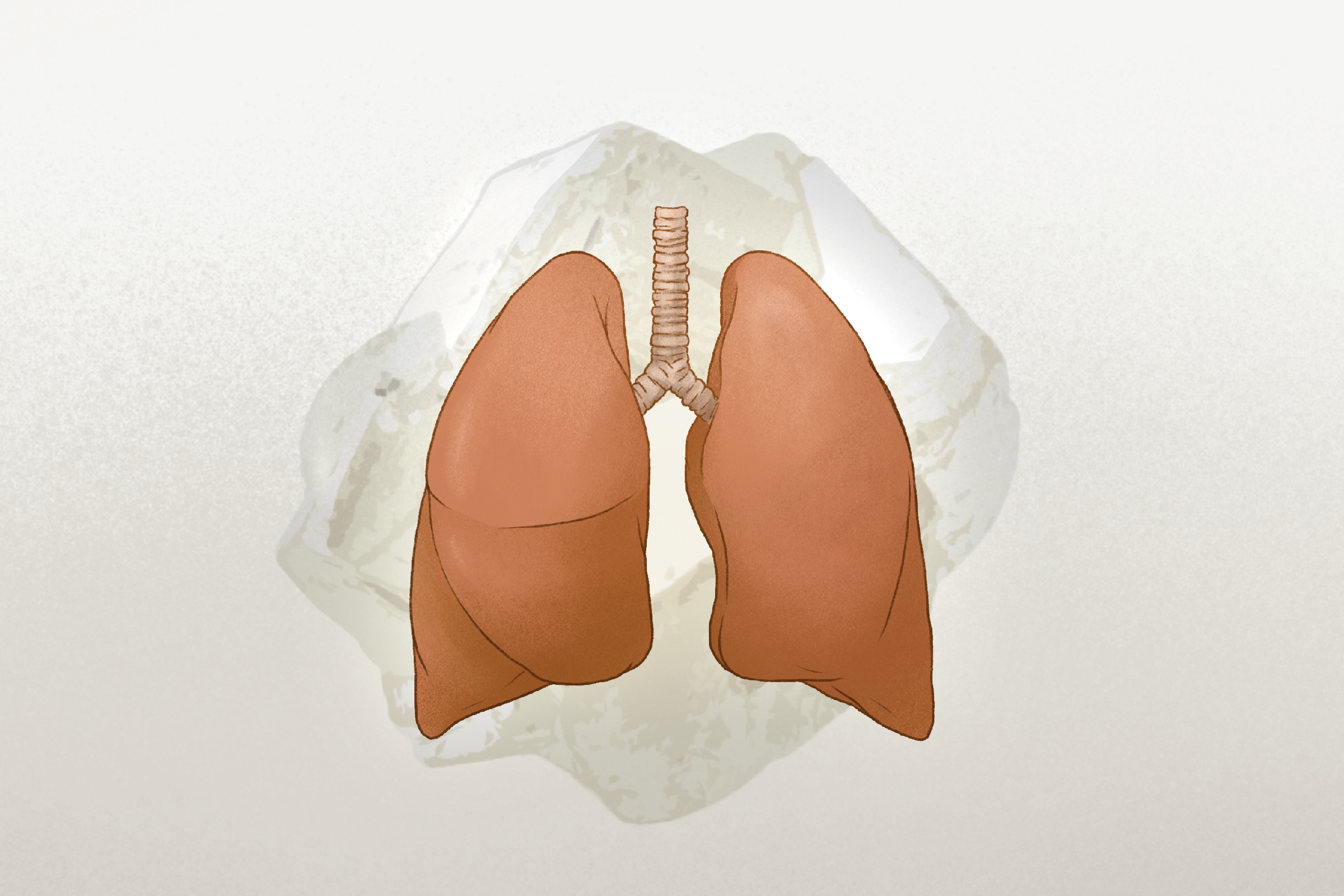
Liu then explained to her students the TCM principle that “grief injures the lungs.” From TCM’s perspective, the lung’s role extends beyond respiration.
Flow In and Out
In TCM, the lungs help with the momentary “flow” of both vital energy (qi) and water vapor. The flow is connected with your nose, which is responsible for breathing, and sweat pores, which regulate sweating.
“The lungs govern vital energy,” according to “The Yellow Emperor’s Classic of Internal Medicine” (“Huangdi Neijing”), an ancient Chinese medical text.
When the lung’s vital energy is abundant, they distribute the body’s “protective” vital energy (defensive qi), enabling the skin and pores to close tightly and ward off external pathogens. The skin, under the lungs’ domain, is considered the body’s first line of defense against external threats.
Healthy lungs support your immune system, helping you fight off colds and recover more quickly, while weak lungs make you more vulnerable to illness.
Conventional medicine also recognizes the lungs as a primary site for immune-related conditions, such as asthma, allergic rhinitis, and chronic obstructive pulmonary disease. Furthermore, lung infections such as pneumonia or COVID-19 can rapidly trigger an immune response throughout the entire body.
The lungs also help with the flow of water vapor by circulating and scattering the body’s fluids, particularly through the skin and pores.
The Guarding Element
According to TCM’s Five Elements theory, the lungs are associated with the element metal. They are also associated with the emotion of grief, the season of fall, the flavor of spicy, and the color white.
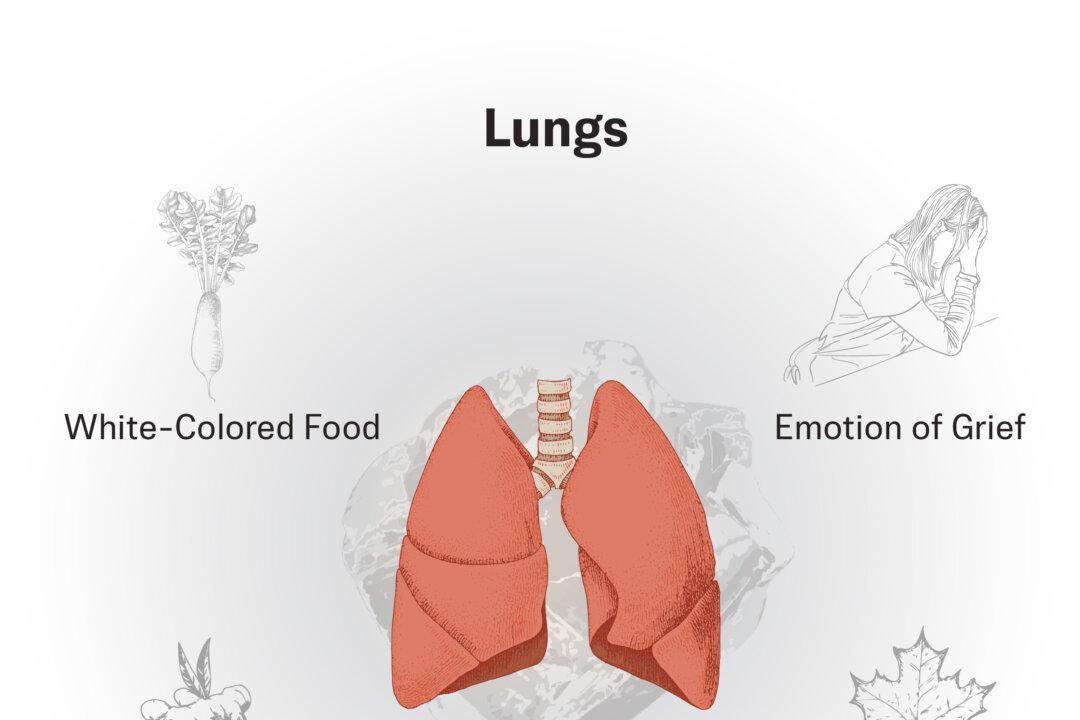
“Metal” in traditional Chinese culture is not the same as the metal that we refer to today, though they share some similarities. The metal in TCM is about purification and discernment. Much like the immune system, the lungs help discern what is good or bad and purify the body by letting go of the bad and the waste.
How to Assess Lung Health
The lungs correspond to the fall season—characterized by dryness, which the lungs are especially sensitive to—as they prefer moisture and are easily harmed by dry conditions.
During the fall season, symptoms such as dry mouth, a parched tongue, and flaky skin are common, often persisting despite adequate water intake and the use of skincare products. Your hair may become dry, brittle, or thin. These are classic signs of the lungs being affected by “dryness.” If your lungs are weak, these symptoms are even more apparent.
Moreover, respiratory and skin conditions such as allergies, asthma, rhinitis, and eczema tend to flare up more frequently in the fall.
How to Nourish Your Lungs
Since the lungs thrive in moisture and are easily affected by dryness, it’s important to adjust your diet during the fall season. Emphasizing foods that help replenish bodily fluids—especially those with a smooth, moist, or gelatinous texture—can help.
The lungs are linked to the color white. Interestingly, many white foods also possess moistening qualities that help counter dryness. To nourish the lungs, include ingredients such as white radish, snow pear, Chinese yam, lotus root, lotus seed, and white fungus—commonly used in Asian cuisine.
When discussing ways to strengthen respiratory immunity, Dr. Li Yingda from Cihang TCM Clinic in Taiwan recommends the classic formula—Jade Screen Powder (Yu Ping Feng San)—particularly for this purpose.
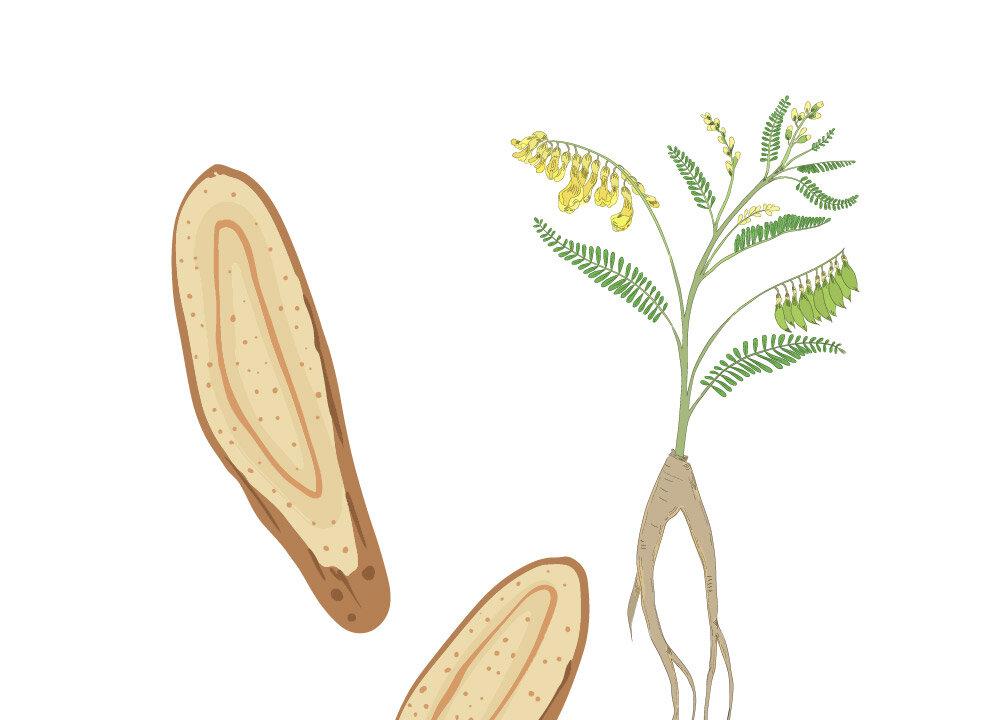
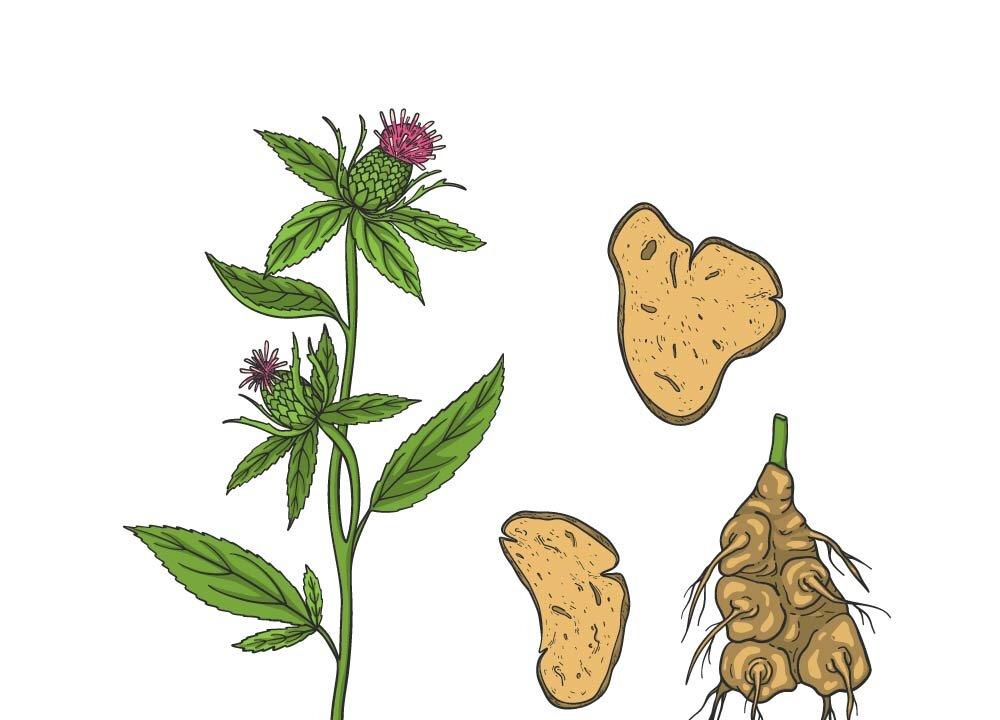
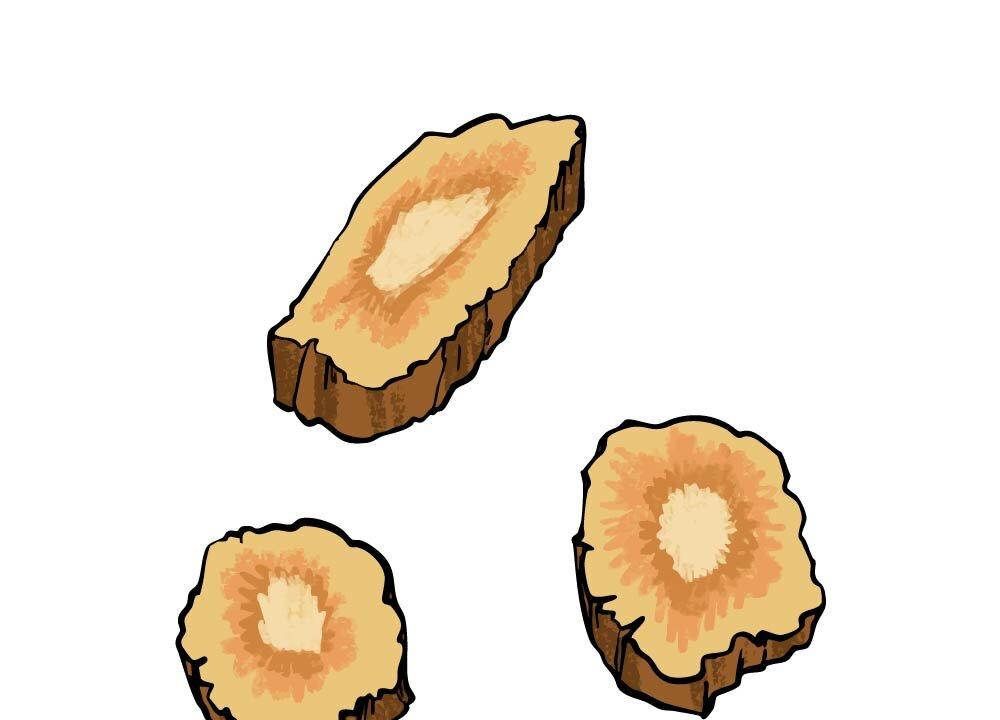
The formula earns its name because its function acts like a “screen,” shielding the body from wind pathogens, much like the preciousness of jade. Composed of three key herbs—astragalus root (Huang Qi), atractylodes rhizome (Bai Zhu), and saposhnikovia root (Fang Feng)—it enhances vital energy and bolsters defensive capabilities. It is commonly used to help those with weak constitutions, frequent colds, or allergic tendencies.
In TCM, astragalus root is renowned for replenishing vital energy and nourishing blood. Modern research is starting to recognize its effect on lung health. Mouse studies have shown that astragalus polysaccharides can effectively reduce pulmonary fibrosis—a condition where the lungs gradually become scarred.
Ingredients:
- 6 grams astragalus root
- 6 grams atractylodes rhizome
- 3 grams saposhnikovia root
According to Li, this preparation method is well-suited for routine health maintenance, owing to its gentle and mild effects. Meanwhile, he added, the traditional decoction method, which involves boiling raw herbs together for an extended period, produces stronger and more rapid therapeutic effects. Decoction is typically employed for clinical treatment with higher doses and should be administered under the guidance of a qualified TCM physician.
However, Jade Screen Powder should be avoided during acute colds. When the body is battling external pathogens, taking vital energy-tonifying herbs may intensify the condition by inadvertently strengthening the invading pathogen.
Regulating emotions can also support lung health. TCM emphasizes that “frequent laughter benefits the lungs.” Laughter stretches the chest muscles, expands the ribcage, and increases lung capacity. While laughing, people naturally engage in deep breathing, which helps clear the airways and promotes smoother breathing.