
How 5 Colored Beans Support Organ Health
Comments
Link successfully copied
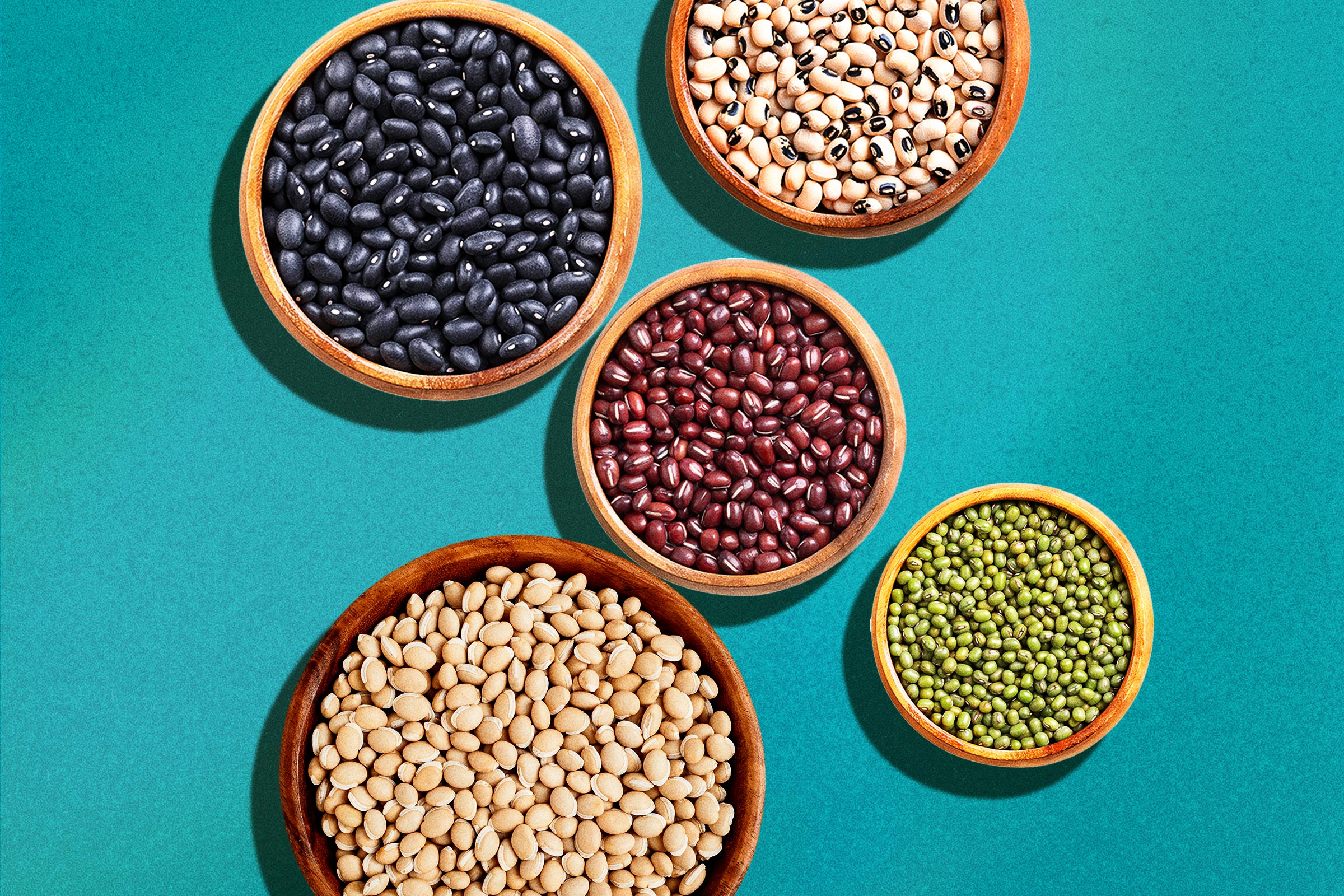
(Illustration by The Epoch Times, Shutterstock)
By Kuo-Pin Wu
9/5/2025Updated: 9/23/2025

For centuries, traditional Chinese medicine (TCM) has taught that the colors of foods reflect their healing powers. Beans are one of the most striking examples, with each color corresponding to one of the body’s organ systems. Choosing the right bean may not only add variety to your plate but also support your heart, liver, digestion, lungs, kidneys, and even emotional balance. Modern research is beginning to echo these traditional insights, showing that beans benefit health in diverse ways.

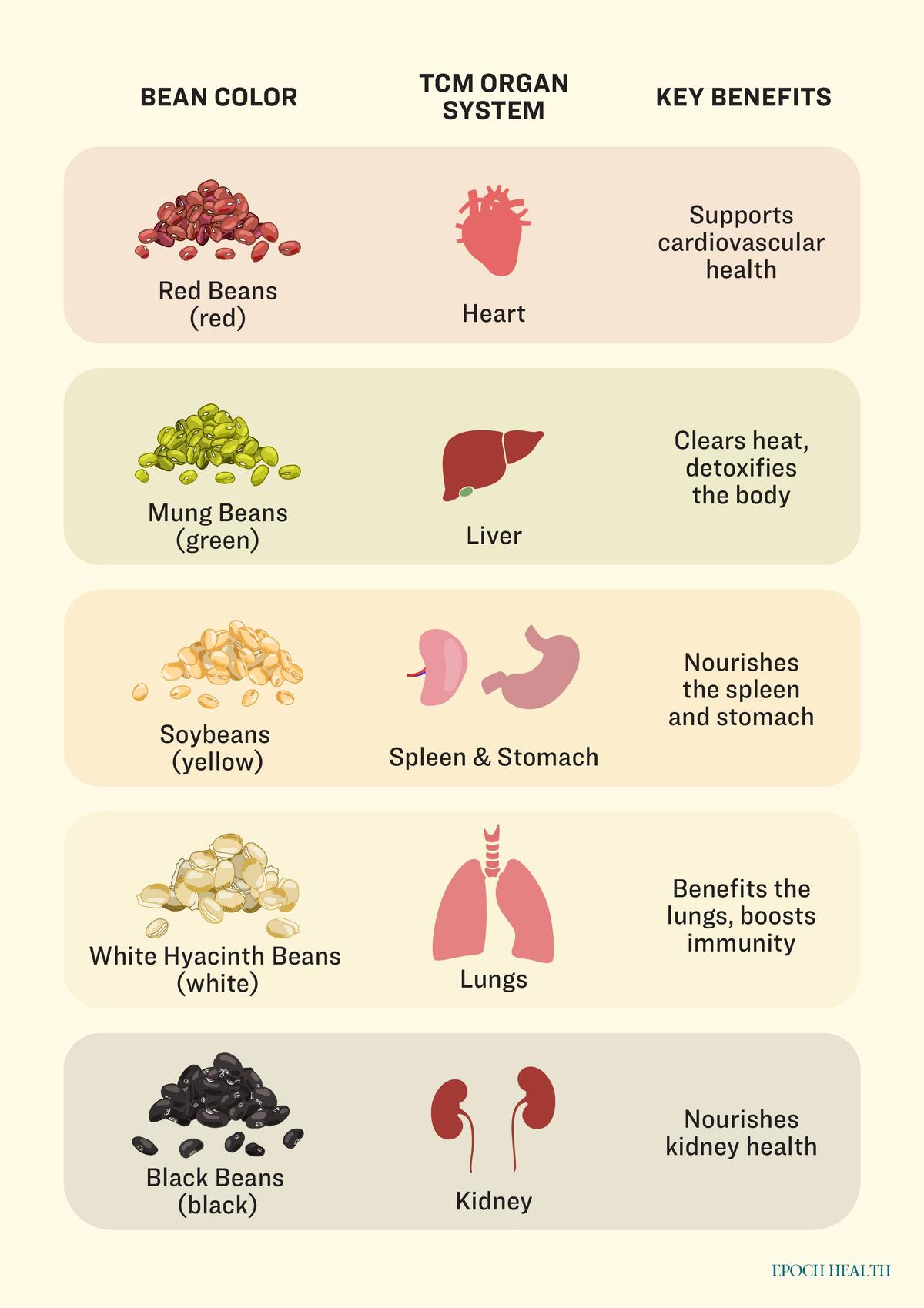
How five colored beans support organ health. (Illustration by The Epoch Times)

How five colored beans support organ health. (Illustration by The Epoch Times)


1. Red Beans


Red beans, also known as adzuki beans, have long been prized in TCM for their ability to support cardiovascular health.

The Heart and the Fire Element


In the “Five Elements“ theory, red foods correspond to the fire element, which governs the heart system.

The heart system in TCM goes beyond the physical heart:


  • Governor of Blood and Vessels: Ensures healthy circulation throughout the body.

  • Houses the Mind and Spirit (“shen”): Supports emotional balance, clear thinking, and restful sleep.

  • Controls Joy: Promotes calmness and contentment; imbalance may cause irritability or insomnia.


Red beans calm the mind and spirit, and also strengthen the heart, improve circulation, and reduce water retention. They are traditionally used to help manage the “three highs”: high blood pressure, high blood sugar, and high cholesterol.

Research shows that red beans’ pigments come from polyphenols, which may lower blood pressure and protect blood vessels.

A 2017 study of obese mice found that saponins and flavonoids in adzuki beans can help reduce blood fats and total cholesterol. These findings are promising, but more human studies are needed.

Recipe: Red Bean Soup


Red bean soup is one of the most common preparations of red beans. When combined with lotus seeds and lily bulbs, it nourishes the heart and calms the mind and spirit, improving sleep.

Ingredients:

1/2 cup red beans

4 cups water

lotus seeds and lily bulbs (optional)

Instructions:


  • Rinse beans and simmer until soft.

  • Add lotus seeds and lily bulbs for additional calming and sleep-promoting benefits.


Precautions:

In TCM, people with weak spleen and stomach function—who often experience bloating, loose stools, or cold extremities—should eat red beans in moderation, as excess intake may worsen digestive weakness. Because red beans also promote urination, those who are already dehydrated or have low blood pressure should also be cautious.

2. Mung Beans


Mung beans are highly valued in TCM for their cooling and detoxifying properties.

The Liver and the Wood Element


According to the Five Element theory, green foods correspond to the wood element and the liver system. In TCM, the liver:

  • Regulates the Flow of “Qi“ (Vital Energy): Keeps emotions, digestion, and circulation balanced

  • Detoxifies and Disperses Heat and Toxins: Prevents buildup that can cause inflammation or illness

  • Supports the Eyes, Tendons, and Vitality: Stores and regulates blood


Mung beans are seen as a natural aid to the liver, helping disperse heat, reduce inflammation, and lighten the body’s toxic burden.

A 2019 review found that mung beans may help protect the liver from oxidative stress, regulate immune responses, and support detoxification pathways. While more human research is needed, these findings align with TCM’s view of mung beans as a liver-protective food.

Recipe: Mung Bean Water


Mung bean water is a simple drink that clears heat, supports urinary health, and is easy to prepare at home.

Ingredients:  

1/4 cup mung beans

3 cups water

Instructions:


  • Bring beans and water to a boil.

  • Simmer for less than 10 minutes (before beans split).

  • Strain and drink the liquid.


Uses:

In TCM, mung bean water is recommended for urinary tract infections (UTIs) with burning pain and frequent urination. From a Western perspective, UTIs are caused by bacteria in the bladder or urinary tract. In TCM, these symptoms are seen as signs of an imbalance of excess heat and moisture, also referred to as “damp-heat” in the lower body. Mung beans clear this heat and promote urination, indirectly supporting the liver’s role in detoxification.

Precautions:

Because mung beans have a cooling nature, they are not suitable for people with a weak spleen and stomach, or those suffering from chronic loose stools or diarrhea. Women should also limit intake during menstruation, as excess cooling can disrupt circulation.

3. Soybeans


Soybeans, often called the “king of beans,” hold an important place in both modern nutrition and TCM.

The Spleen and Stomach, and the Earth Element


In the Five Elements theory, yellow foods such as soybeans are associated with the earth element, which corresponds to the spleen and stomach systems.

The Stomach: Likened to a “cooking pot” that receives food and begins digestion

The Spleen: Acts as a transformer and transporter, converting food into vital energy and blood, and distributing nutrients throughout the body

When the spleen and stomach are strong, digestion is efficient, energy is steady, and the body resists fatigue and dampness (a state of heaviness, sluggishness, or fluid retention). Soybeans support these organs by being both nutritious and easy to digest when prepared properly (such as in soy milk, tofu, or fermented products).

Recipe: Soy Milk


Soy milk is a nourishing staple in TCM and makes a smooth, protein-rich drink that supports digestion, balances energy, and is simple to make at home.

Ingredients:

1 cup soybeans

6 cups water

Instructions:


  • Soak soybeans overnight.

  • Blend with water and strain.

  • Boil the liquid for 10 minutes before serving.


Uses:

According to the U.S. Department of Agriculture’s nutrition database, a 100-gram cup of soy milk contains about 30 milligrams of soy isoflavones. Soybeans are especially beneficial for women during menopause, as they are rich in isoflavones, which may help prevent postmenopausal osteoporosis.

Soy proteins and isoflavones have been shown to improve lipid metabolism, lower cholesterol, and support glucose balance. From a biomedical perspective, these effects protect cardiovascular health and stabilize blood sugar. From a TCM perspective, they mirror the spleen and stomach’s role in efficiently transforming and transporting nutrients.

Precautions

In TCM, soybean sprouts are classified as stimulating foods. People with sensitive skin or shingles are advised to avoid them, as they may aggravate rashes and related symptoms.

4. White Hyacinth Beans


Compared with rice or other staples, white hyacinth beans offer more fiber and protein with fewer calories, making them a nutritious addition to the diet.

The Lung and the Metal Element


In TCM, white hyacinth beans correspond to the metal element, which governs the lungs and large intestine.

The lung system in TCM includes:


  • Breathing and Qi: Takes in clean air and distributes qi throughout the body

  • Defensive Qi (Immunity): Serves as the first line of defense against pathogens such as viruses and seasonal changes

  • Skin and Body Fluids: Regulates pores and sweating and maintains a barrier between the body and the outside world


By nourishing the lung system, white hyacinth beans help improve respiratory strength, immunity, and resilience against infections.

A 2020 study found that a protein in hyacinth beans, known as FRIL, can inhibit various influenza viruses as well as the COVID-19 virus. In experiments with mice, 70 percent of those given an intranasal dose of FRIL (3 milligrams per kilogram) survived a lethal H1N1 influenza infection, while all mice without FRIL protection died within eight days.

Recipe: White Hyacinth Bean Rice


The mild flavor of white hyacinth beans makes them easy to cook with rice or porridge, providing more fiber and protein while being gentle on digestion.

White hyacinth bean rice is a gentle, fiber-rich staple that pairs well with daily meals.

Ingredients:

1/2 cup cooked white hyacinth beans

1 cup rice

Instructions:


  • Cook rice as usual.

  • Stir in the cooked hyacinth beans.

  • Season with a little salt or sesame oil, if desired.


Precautions:

White hyacinth beans must be cooked for at least 20 minutes before eating. They contain natural toxins such as saponins, which can cause food poisoning if not thoroughly cooked, leading to symptoms including headache, nausea, and vomiting.

5. Black Beans


In TCM, black foods are associated with the kidney system, and black beans nourish kidney energy, slow aging, and support vitality. Modern nutrition also highlights their benefits: The black seed coat of black beans is packed with anthocyanins, powerful antioxidants that are present in much higher levels than in soybeans.

The Kidney and the Water Element


In the Five Elements theory, black corresponds to the water element, which is linked to the kidneys.

The kidney system in TCM goes beyond the physical kidneys:


  • Stores Essence (”jing“): Governs growth, reproduction, and aging

  • Controls Water Metabolism: Regulates fluids in the body, preventing edema (swelling)

  • Supports Bones, Hair, Ears, and Eyes: Weak kidney qi or essence may cause premature graying, hearing loss, osteoporosis, or eye disorders

  • Serves as Root of Life: Considered the foundation of overall vitality and longevity


A randomized, placebo-controlled, crossover trial found that eating 20 grams of black beans daily for four weeks improved vascular function and lowered blood pressure, promoting a more youthful vascular profile.

From a TCM perspective, this ties back to the kidney system: The kidneys are said to govern bones and marrow and sustain healthy circulation. By improving vascular elasticity and lowering blood pressure, black beans help reduce the strain on the kidney system while also supporting longevity.

 Recipe: Black Bean Porridge 


Black bean porridge is a nourishing TCM staple, known for strengthening kidney health, improving circulation, and providing steady energy.

Ingredients:

1/2 cup black beans

1/2 cup rice

5 cups water

Instructions:


  • Soak beans overnight.

  • Cook beans and rice together in water until soft.

  • Serve warm as a porridge.


Precautions:

Those with excess dampness (feeling heavy, sluggish, or retaining fluids) should eat black beans in moderation, as improper digestion could aggravate these symptoms.

Share This Article:
Kuo-Pin Wu has practiced traditional Chinese medicine (TCM) for nearly 20 years. Formerly a structural engineer with a master’s degree from a renowned university, he later earned a doctor of medicine degree in TCM. Leveraging his engineering background in logical analysis, he specializes in identifying patterns to diagnose and treat complex diseases. Wu is currently the director of XinYiTang Clinic in Taiwan.

©2023-2025 California Insider All Rights Reserved. California Insider is a part of Epoch Media Group.