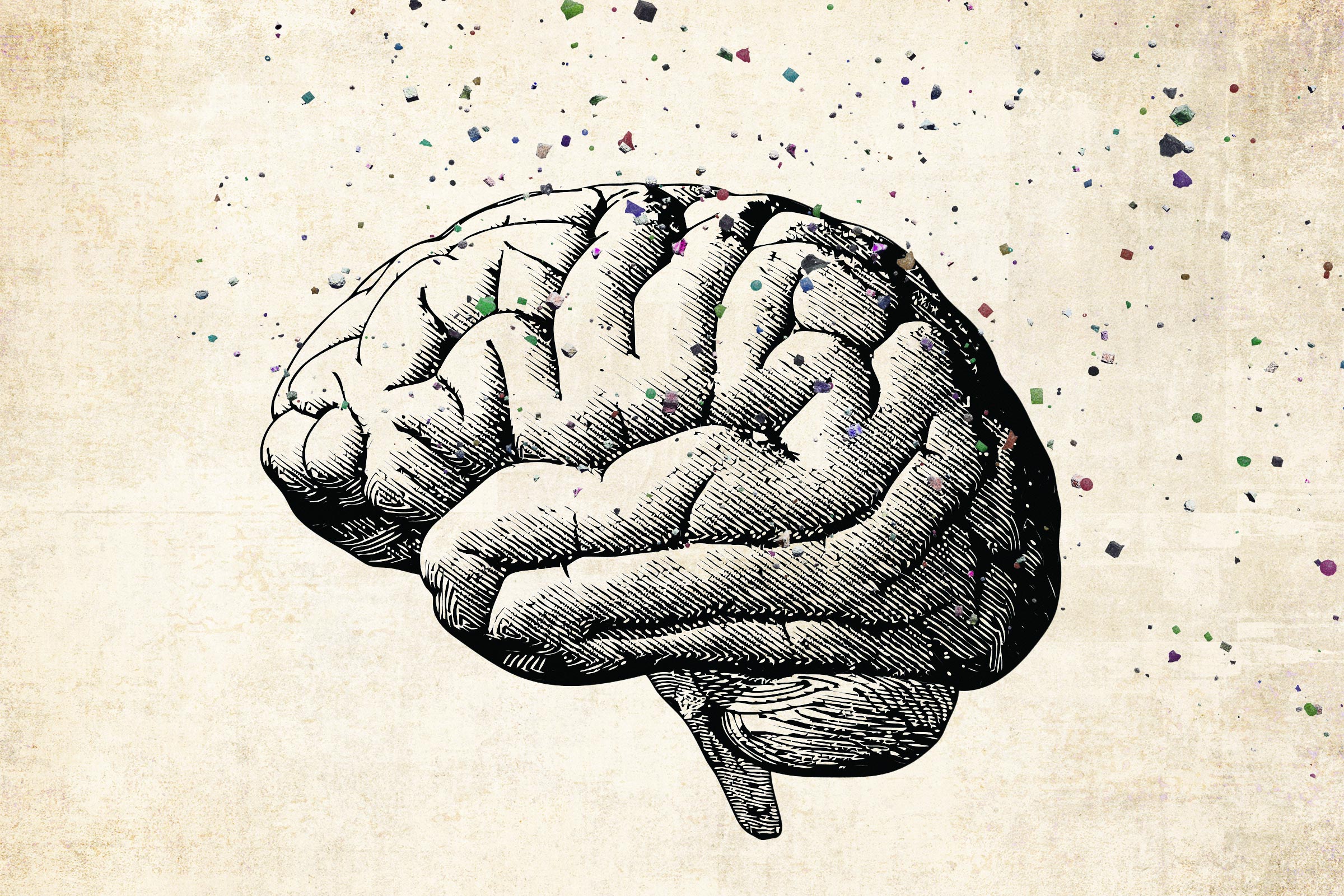
In recent years, numerous studies have found that the brain’s ability to detoxify is impaired in people with dementia, leading to the buildup of harmful substances such as microplastics, heavy metals, and “forever chemicals.” These toxic buildups are believed to accelerate cognitive decline by damaging brain tissue and disrupting neural function.
Supporting the body’s detoxification processes is therefore essential for maintaining brain health.
Toxin Accumulation in the Brains of Dementia Patients
A
study published in Nature Medicine in February analyzed brain tissue samples from dementia patients in New Mexico who died between 2019 and 2024. Researchers found a median concentration of 26,076 micrograms of microplastics per gram of brain tissue—more than 20 times higher than levels measured in samples collected from the eastern United States between 1997 and 2013.
Microplastics are plastic particles smaller than 5 millimeters in diameter. A 2019 study estimated that the average person may ingest up to 2,000 pieces of plastic per week, amounting to roughly 5 grams, the approximate weight of a credit card.
Although the study does not establish a direct causal link between plastic exposure and dementia, brains affected by dementia often exhibit atrophy, a weakened blood-brain barrier, and reduced capacity to clear foreign substances. These factors may contribute to increased microplastic accumulation.
The researchers also suggested that microplastics or nanoplastics in the brain may obstruct capillary blood flow, interfere with neural signaling, and promote the aggregation of proteins associated with dementia.
Microplastics are not the only concern. A 2022 study reported elevated levels of heavy metals such as arsenic and mercury in the cerebrospinal fluid of patients with Alzheimer’s disease. Notably, higher concentrations of Alzheimer’s-related protein biomarkers were associated with higher levels of heavy metals. The accumulation of these metals—and other unbalanced metal ions—can damage the blood-brain barrier, trigger inflammation, and, in some cases, lead to neuronal injury or death.
A separate study showed that people with dementia had higher concentrations of certain per- and polyfluoroalkyl substances—a class of synthetic chemicals—in their cerebrospinal fluid compared with the general population. These chemicals, usually used in nonstick cookware and water-resistant textiles, are often referred to as “forever chemicals” because of their resistance to degradation and their tendency to build up both in the environment and within the human body.
Supporting the Brain’s Natural Detox Process
In a healthy person, the brain eliminates toxins through the cerebrospinal fluid, which is then cleared from the body via urine, stool, and other pathways.
There are three key strategies to help enhance the brain’s ability to clear microplastics:
1. Ensure Sufficient Sleep
The brain has a waste-removal system called the glymphatic system, which becomes most active during sleep.
A study published in Cell this year found that during sleep, blood vessels in the brain contract rhythmically, activating the glymphatic system. This increases the flow of cerebrospinal fluid through the brain, supporting the removal of waste. However, sleep induced by sleeping pills may suppress this natural clearance process.
Poor or insufficient sleep can impair brain health and may increase the risk of dementia.
2. Massage Specific Meridians
In traditional Chinese medicine (TCM), cerebrospinal fluid is viewed as part of the Governing Vessel (Du Mai) energy system, a channel that runs along the spine. Massaging specific acupoints on the head and neck before bedtime may help activate this system, potentially promoting cerebrospinal fluid flow and supporting better sleep quality.
Instructions:
Before bed, use a comb to gently stroke from the forehead to the back of the neck. Begin at the center of the eyebrows and comb over the top of the head and down to the nape of the neck. Repeat 15 to 20 times.
3. Stay Active
In addition to sleep, consistent physical activity can support the brain’s natural detoxification processes.
A study published in Nature Communications in April found that long-term exercise enhances the flow of the brain’s glymphatic system and meningeal lymphatic vessels—two pathways involved in clearing waste from the brain.
Compared with the single-bout exercise group, participants in the long-term exercise group—who engaged in 30-minute sessions three times a week over a 12-week period—demonstrated significantly better brain waste clearance. They also showed reduced levels of inflammation-related proteins and increased levels of proteins associated with immune function.
These strategies target the brain directly, but it’s equally important to address the rest of the body’s detox systems, which help prevent toxins from reaching the brain in the first place.
Supporting the Body’s Defense Against Microplastics
To help prevent microplastics from reaching the brain, it is important to strengthen the body’s overall detoxification systems.
The first step is maintaining healthy bowel movements, followed by supporting the liver and kidneys, which are organs considered central to detoxification in TCM.
1. Probiotics for Gut Detoxification
Taking probiotics as supplements and eating fruits and vegetables can support healthy digestion and promote regular bowel movements, thereby limiting microplastic absorption in the gut. An animal
study published in January found that some strains of Lactiplantibacillus plantarum can bind to microplastics, increasing their excretion through the digestive tract by more than 30 percent.
Certain probiotic-rich foods are particularly beneficial. Lacticaseibacillus paracasei is found in yogurt and kefir, and Lactiplantibacillus plantarum is present in miso, natto, kimchi, sauerkraut, pickled cucumbers, and olives.
High-fiber foods such as dragon fruit, white fungus, and black fungus can promote intestinal motility and help relieve constipation.
Additionally, increasing your intake of vitamins and phytochemicals such as curcumin, flavonoids, quercetin, and sulfur compounds can enhance the body’s detoxification processes. Many of these compounds are abundant in cruciferous vegetables.
Diaphragmatic breathing, also known as belly breathing, may stimulate gut motility and relieve constipation by drawing air deeper into the abdomen.
2. Water for Kidney Detoxification
Enhancing kidney function can promote the elimination of microplastics through urine. Staying well hydrated, eating kidney-supportive foods, and practicing foot soaks are all effective ways to help the kidneys function optimally.
For someone weighing about 110 pounds, it is recommended to drink at least 50 fluid ounces of water daily, and at least 68 fluid ounces in warmer weather. A simple approach is drinking a few cups of water in the morning, at midday, and in the evening to maintain consistent hydration.
In TCM, black-colored foods are believed to nourish the kidneys. Some black-colored foods are black beans and black sesame seeds. Chinese yam, although white, is also considered beneficial for kidney health.
The kidney meridian—an energy pathway associated with kidney function in TCM—begins at the bubbling spring (yongquan) acupoint, located on the sole of the foot about one-third of the way down from the toes. Regular foot soaks and massage at this acupoint are believed to support kidney health and aid the body’s detoxification processes.
3. Food and Sleep for Liver Detoxification
The liver processes toxins that enter the body, a task made more stressful by microplastics that may carry toxic chemicals on their surfaces.
Maintaining a healthy diet and getting adequate sleep can help support the liver’s natural detoxification processes.
Key nutrients that support liver detoxification include glutathione, selenium, zinc, B vitamins, and catechins. These can be found in liver-supportive foods such as artichoke, turmeric, and goji berries.
Artichoke has been studied for its potential liver-supportive properties, particularly in people with liver disease. A randomized controlled trial found that artichoke extract has liver-protective effects. It may also help improve nonalcoholic fatty liver disease.
Research has shown that curcumin, the active compound in turmeric, can enhance antioxidant capacity and help prevent liver damage. Lycium barbarum polysaccharides, found in goji berries, have been shown to protect liver function and reduce inflammation.
In TCM, 11 p.m. to 3 a.m. is considered the peak time for energy flow in the liver and gallbladder meridians. Going to bed before 11 p.m. is believed to support the liver’s natural repair and regeneration processes.
4. Sweat for Skin Detoxification
Sweating is the skin’s primary detoxification pathway. Activities such as exercise, bathing, and sauna use can help stimulate perspiration and support the elimination of toxins through the skin.
A 2023 review indicated that certain microplastics can adhere to the skin and carry plasticizers into the body, potentially binding to other toxic substances and increasing their absorption through the skin. To reduce this risk, it is best to choose undergarments and close-fitting clothing made from natural materials, as synthetic fabrics may shed microplastics.