Like many parents of children with autism, Greer McGuinness listened with interest when Health Secretary Robert F. Kennedy Jr. and other officials announced on Sept. 22 that acetaminophen, the active ingredient in Tylenol, may be associated with the disorder.
The New York City resident is a registered dietitian and autism expert whose 11-year-old son, Keegan, was diagnosed with the condition at 19 months old. To better help her son, she went back to college and earned a master’s degree in health sciences with a concentration in epidemiology research.
McGuinness, who founded Biomedical Healing for Kids, said she is hoping that researchers will conduct a study focused on children who receive a vaccine and then are given Tylenol.
“Have we looked at how that could affect their body, immune system, and brain? I’m not aware of any study like that, but it would be helpful,” she told The Epoch Times.
Research shows that Tylenol can deplete or interfere with glutathione, a crucial antioxidant in the body that helps neutralize toxins, protect cells from damage, and maintain healthy brain and immune function. For a developing baby, the systems that produce glutathione are still immature, which makes them more vulnerable to anything that stresses or lowers glutathione levels, McGuiness said.
Autism is a disorder with symptoms such as difficulty communicating and maintaining eye contact. About one-quarter of people with autism spectrum disorder cannot speak or are “minimally verbal,” according to a 2018 review of autism data.
Autism rates have spiked in the United States in recent decades.
The prevalence was one in 31 children in 2022, the Centers for Disease Control and Prevention said in the spring. That was up from one in 150 children in 2002.
Kennedy said in April that genetics may be behind some cases but that such a jump indicates the presence of “an environmental toxin.”
Kennedy has also suggested that vaccines can cause autism.
“Many of the parents have reported ... that their child developed autism immediately after the vaccine—so that’s something that we’re looking at right now,” he said earlier this year.
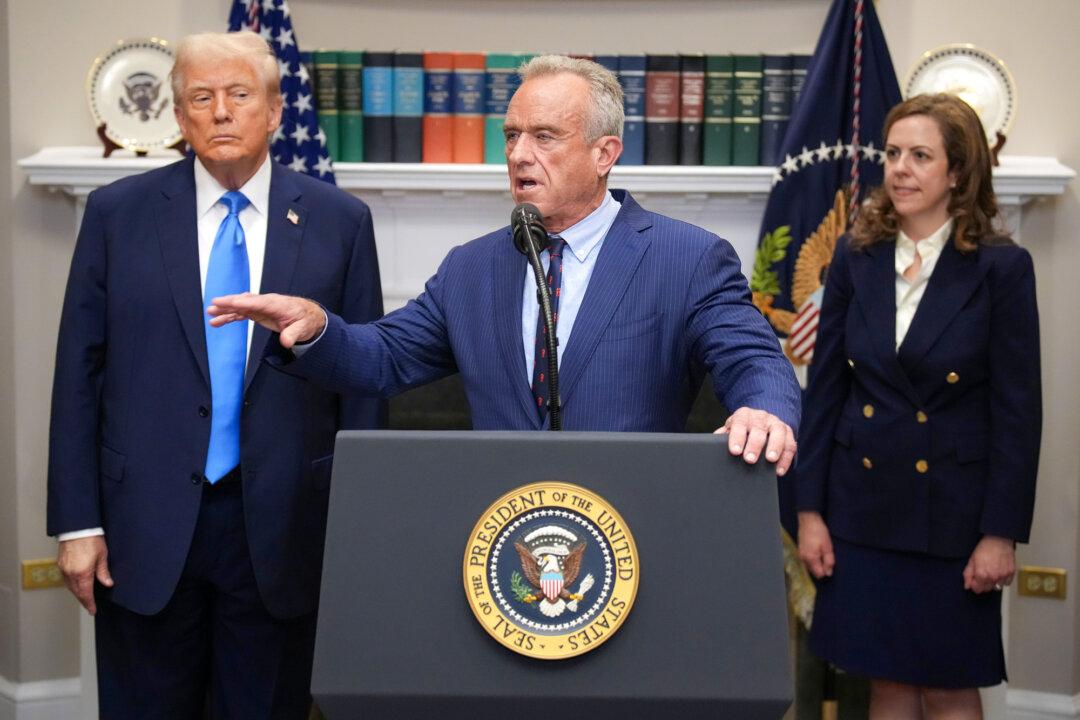
President Donald Trump (L) and acting Assistant Secretary for Health Dr. Dorothy Fink (R) look on as Health Secretary Robert F. Kennedy Jr. (C) speaks at the White House on Sept. 22, 2025. Kennedy announced that acetaminophen, the active ingredient in Tylenol, may be associated with autism. (Andrew Harnik/Getty Images)
On Sept. 22, officials did not say that vaccines are a cause of autism, but they didn’t rule out making such an announcement in the future.
“Some 40 [percent] to 70 percent of mothers who have children with autism believe that their child was injured by a vaccine. President Trump believes that we should be listening to these mothers instead of gaslighting and marginalizing them,” Kennedy said.
On Sept. 22, officials said the available evidence regarding a link between acetaminophen, also known as paracetamol, and neurodevelopmental disorders is sufficient to issue a new warning against using acetaminophen during pregnancy.
McGuinness praised Kennedy and Trump for bringing more attention to the potential health risks associated with Tylenol and for addressing what she called the “autism epidemic.”
“This information should be available so parents can do their own research and make the decision that they still feel is best for them and their family,” McGuinness said.
She encourages people to keep an open mind about what is uncovered about autism in the coming months and years.
“So many people on Instagram, Facebook now, they have now turned it into ‘I took Tylenol, and my kid doesn’t have autism.’ We aren’t saying it is the only cause or contributing factor,” McGuinness said.
“Science is forever changing, so it’s good to take new information and research, and understand that it might not impact you, but it could affect someone else.”
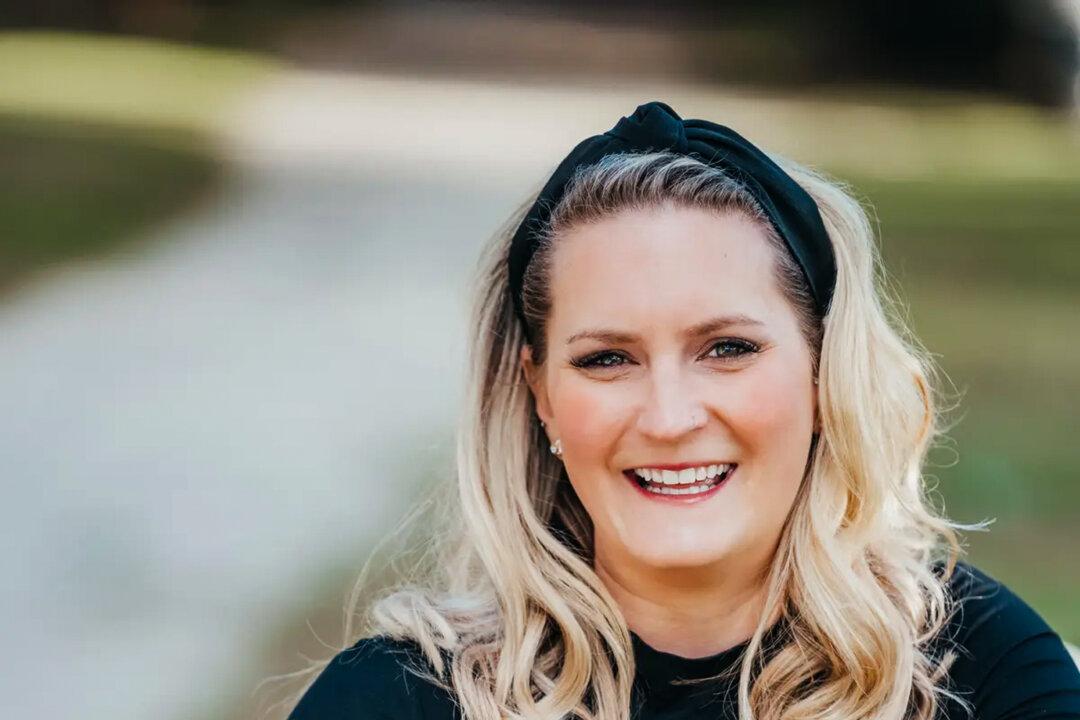
Greer McGuinness, a New York City-based registered dietitian and autism expert. (Courtesy of Greer McGuinness)
“Parents who ask questions are simply sharing what they’ve observed in their child and asking for answers,“ she said. ”We need more transparency, more long-term studies, and better research to truly understand the whole picture.”
At a briefing in Washington, Food and Drug Administration Commissioner Dr. Marty Makary said, “We now have data we cannot ignore.”
A 2019 study from Boston University and Johns Hopkins University School of Medicine analyzed umbilical cord plasma and determined that in-utero exposure to acetaminophen increased the risk of developing autism and attention-deficit/hyperactivity disorder (ADHD), two neurodevelopmental disorders.
A 2025 review also found “evidence consistent with an association between acetaminophen exposure during pregnancy and increased incidence” of neurodevelopmental disorders, according to Dr. Andrea Baccarelli, dean of the Harvard T.H. Chan School of Public Health, and his coauthors.
Makary said in a notice to physicians dated Sept. 22 that “evidence has accumulated suggesting that the use of acetaminophen by pregnant women may be associated with an increased risk of neurological conditions such as autism and ADHD in children.”

The World Health Organization said in a Sept. 24 statement that large-scale studies over the past decade have found “no consistent association” between acetaminophen and autism or ADHD.
The American College of Obstetricians and Gynecologists, in a statement, also said that “suggestions that acetaminophen use in pregnancy causes autism are not only highly concerning to clinicians but also irresponsible when considering the harmful and confusing message they send to pregnant patients.”
A spokesperson for Kenvue, parent company of Tylenol’s manufacturer, told The Epoch Times in an email: “We believe independent, sound science clearly shows that taking acetaminophen does not cause autism. We strongly disagree with any suggestion otherwise and are deeply concerned with the health risk this poses for expecting mothers.”
A mother of five, Lauren Anderson had her first child when she was 24 and her youngest in January at age 40. In that time, her mindset has changed on what she did during pregnancy and how she makes health care decisions.

Lauren Anderson (L), an Ohio mother of five, chose not to vaccinate or give Tylenol to her two youngest children. She said her second and third children, who were exposed to Tylenol either during pregnancy or afterward, both showed developmental issues. (Courtesy of Lauren Anderson)
She told The Epoch Times that she was advised by physicians to take Tylenol when she was pregnant with her first child but declined to. She did administer the drug when her first child had a fever after vaccinations.
Her second child was born exactly 12 months later.
“I was always told that the safest medication while pregnant is Tylenol,“ she said. ”I was young. I didn’t really need it, so I never took Tylenol with my first and didn’t have the aches and pains like most older women would have. The doctors always recommend Tylenol, and they preach Tylenol after each vaccination.
“I didn’t take Tylenol while pregnant with my second child, but when he was 4 months old, he had a seizure within 15 seconds of getting his MMR injection. I was told it overstimulated his immune system. They recommended Tylenol as a treatment. He had lots of developmental issues that he’s still growing out of.”
Anderson said she took Tylenol PM while pregnant with her third child, and he was delivered six weeks premature. He experienced developmental delays from which he has recovered, she said.
Anderson has not vaccinated her two youngest children, and they are both healthy, she said.
“There are so many drugs and so many vaccines,“ Anderson told The Epoch Times. ”So many physicians push them and give us the impression that pills and vaccines are cure-alls. My kids don’t take pills and don’t take antibiotics. They don’t get sick. I don’t give a reason for them to be sick by putting something in their body that’s going to compromise their immune system.”
Danielle Lasher’s son, who is now 21, has autism and started regressing after his two-year shots. Her five other children are neurotypical, meaning that they have cognitive and neurological development that fall within the range considered typical or normal by society.
Lasher is president of Informed Choice Maryland and a natural childbirth educator. In a 2019 article she wrote for The Tenpenny Report, Lasher pointed to a study that noted that doctors are roughly 17 years behind the current research.
“While ibuprofen for children six months or older is an option, and even the homeopathic Oscillococcinum, Ferrum phosphoricum, Arnica montana, and other remedies are available, we must question the purpose of using anything to reduce fever,” Lasher wrote.

Danielle Lasher, an autism awareness advocate, poses for a photo in Frederick, Md., on May 2, 2025. Lasher said her son, who is now 21, has autism and started regressing after his two-year shots. (Madalina Vasiliu/The Epoch Times)
“Any effort to reduce a vaccination-related fever is reducing the immune response, thereby defeating the supposed purpose of vaccinating. Somewhere along the way we’ve blurred the lines of sickness and health.”
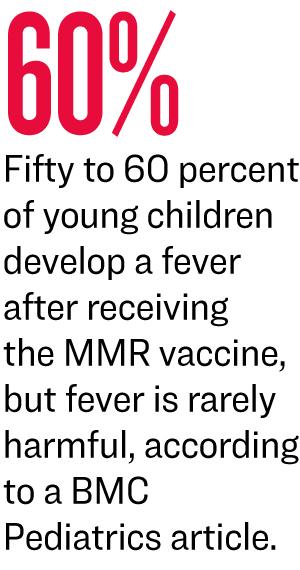
She said that “fever is a response to illness, not the illness itself.”
Lasher referenced an article in BMC Pediatrics that reports: “Fifty to 60 percent of young children develop a fever after receiving the MMR vaccine. Fever is rarely harmful and only extremely high fevers of 42.2C (108F) may cause brain damage.”
She said the link to Tylenol might sound “preposterous” to some.
“Reports about the potential dangers of Tylenol are not new, but I understand that, for people who are hearing about this for the first time, they might think it sounds preposterous because Tylenol has been presented as a safe drug by many physicians,” Lasher said.
There are studies that indicate that there are multiple causes of autism, she said.
Lasher said she believes that political divisiveness is “clouding the judgment” of Americans who are denouncing Kennedy and Trump because of what was disclosed during the news conference.

“Unfortunately, there are people who will not change their health decisions if they don’t like the messenger,“ Lasher said. ”They won’t even take the time to explore and research, and ultimately that can be detrimental to their health and the health of their children.”
Nichole Reed attributes a vaccine injury to shots that she received when she was pregnant with her son, Crosby, who also experienced a vaccine reaction when he was a toddler. Reed said she was told that he was just a “fussy baby.”
“I spent months that turned into years reading up on the studies that have been done that show a link between vaccines and autism. I believe that Tylenol just amplifies the effects because it depletes your glutathione,” she said.
Crosby was 1 year old when he became sick from a vaccine, Reed said.
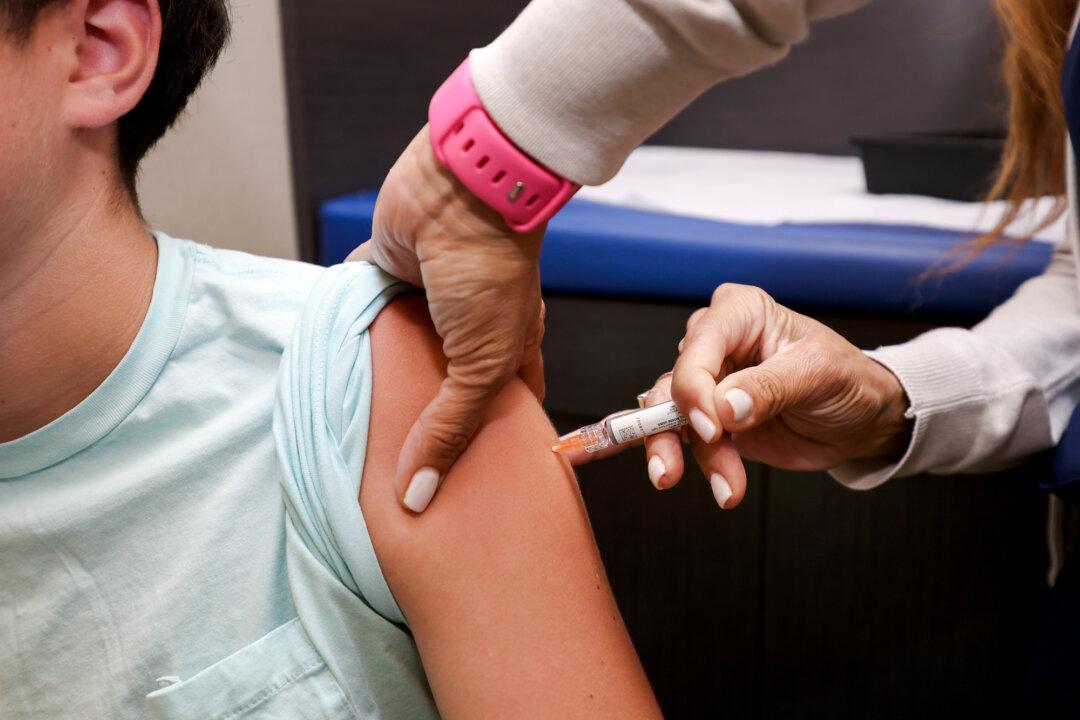
A child receives a standard immunization at a pediatric office in Coral Gables, Fla., on Sept. 15, 2025. The Florida Department of Health recently released information on the development of rulemaking to revise immunization and document requirements for school entry. (Joe Raedle/Getty Images)
“He let out a scream like I had never heard before, and I ran into his room and he was thrashing around uncontrollably,” she said.
At the hospital, Crosby was administered acetaminophen and ibuprofen. He stabilized, and Reed said she was told to alternate between acetaminophen and ibuprofen at home.
“So that’s what I did, and I very quickly noticed a change in him. He was a happy baby before he got sick, and then he was no longer happy. He didn’t make eye contact, and he didn’t even babble anymore,” Reed said.
“We made a total life change with what we eat, cleaning supplies we use, and anything and everything we could change. I no longer treat fevers with medicine. And we don’t go to the pediatrician. We use holistic methods.”
Morghanne Reisinger, 21, is pregnant with her first child, who is due in January. She said that she is not taking Tylenol and is currently researching the efficacy and safety of vaccines.

“I think that every time that discoveries are found, it’s our responsibility as women to look into them so we can make the wisest decision possible,” Reisinger told The Epoch Times.
“If you know smoking is bad during your pregnancy and you still decide to smoke, then you and your child could face the consequences of that. Just as smoking is not the only cause of lung cancer, all of this research shows that there are multiple causes of autism.”
Reisinger said she feels uneasy about being a first-time mom during a time of widespread debate about vaccines and medications.
“All of this discussion is a positive, too, because there is a lot of readily available information that wasn’t as well-known before,” she said. “We can get all the information we can, but ultimately you can’t let other people make the decisions for you.”
Jack Phillips, Zachary Stieber, and Amy Denney contributed to this report.