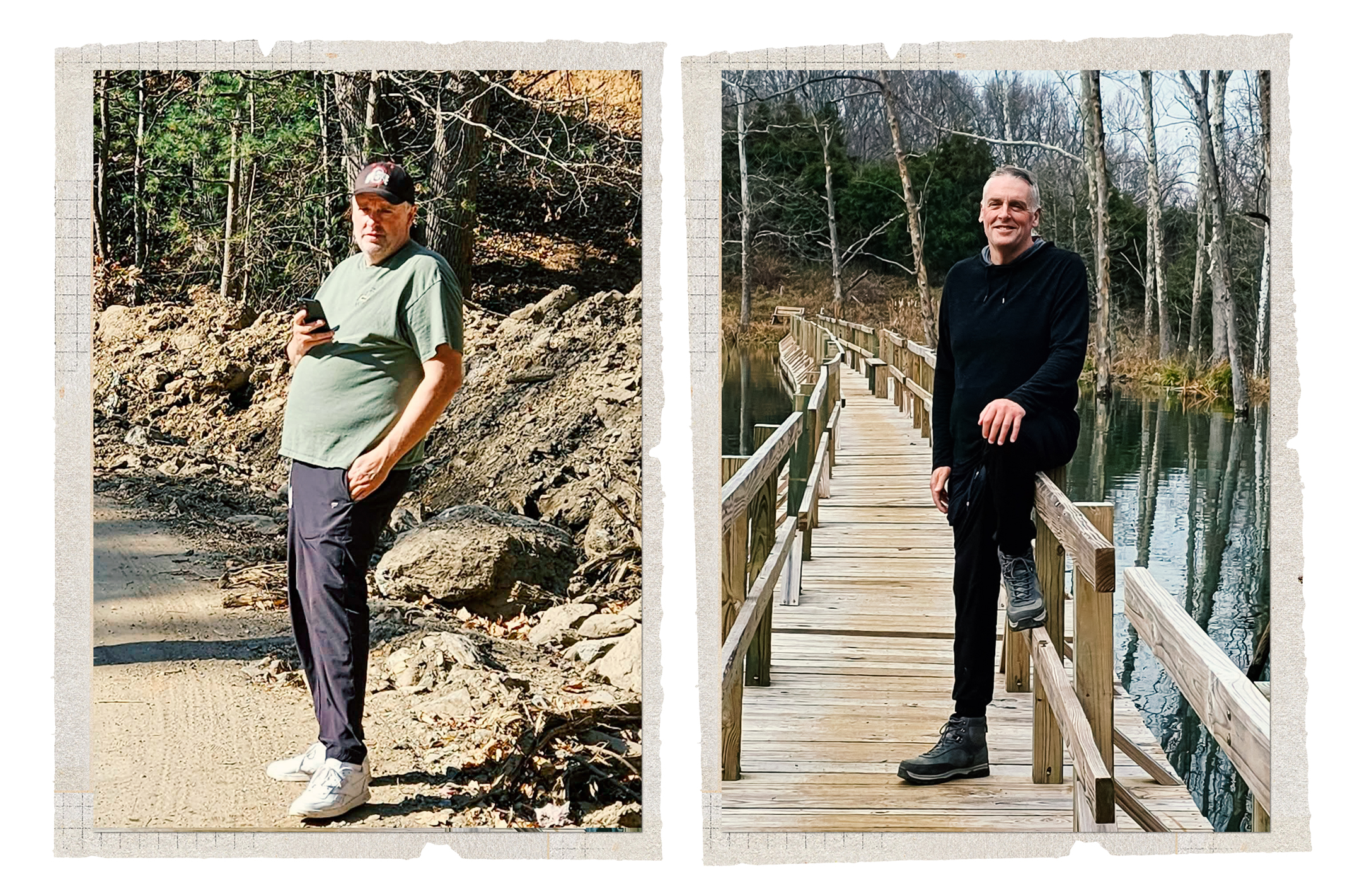

What had happened?
The scales at the local gym glared back with an alarming number—278 pounds. The heaviest of my life.
At 6-foot-4, with my height and build, it’s easy to carry more weight and not fully realize the number. That moment in May was eye-opening, spurring me to action.
Since that day, a MAHA-inspired, anti-inflammatory wellness plan has become central to my life, with a focus on whole foods and herbs.
I eliminated processed and fast food. I minimized sugar. I began to regularly walk and hike. Now I’m back to high-intensity interval training (HIIT) workouts.
Almost seven months have passed since “278” stared back at me on the digital scale.
As I sat down with my family to partake of my favorite meal—Thanksgiving turkey, green beans, and mashed potatoes—my body had changed.
My body fat is lower, and my energy levels are higher. I’m healthier and feel fueled with momentum. Today, my weight is 213 pounds.
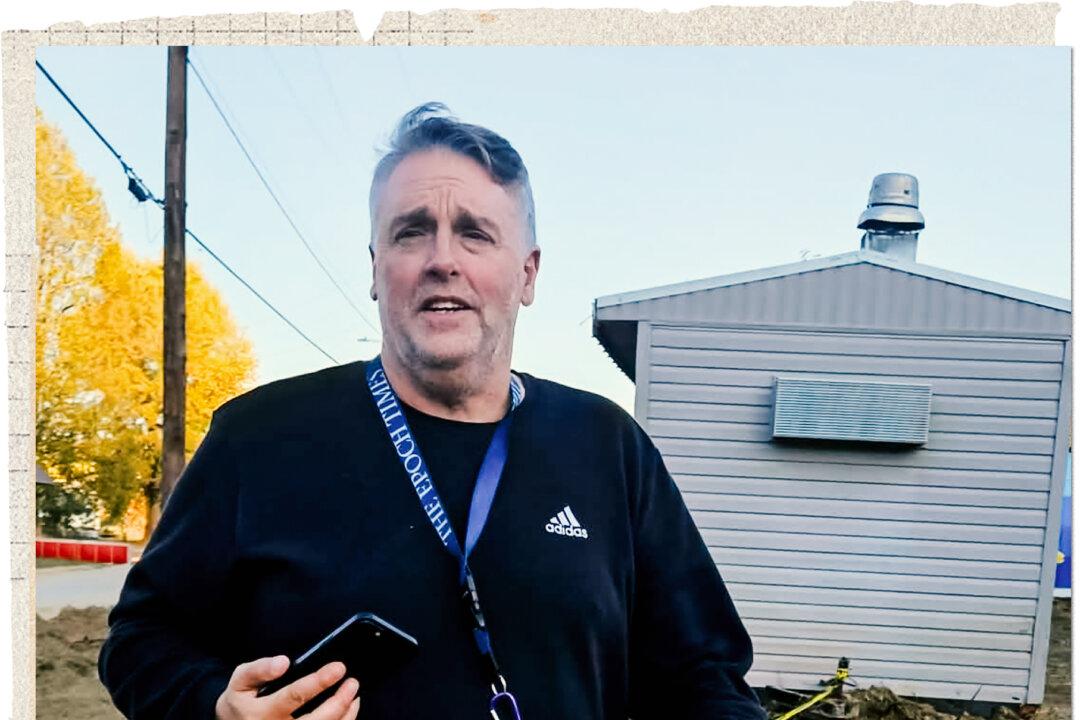
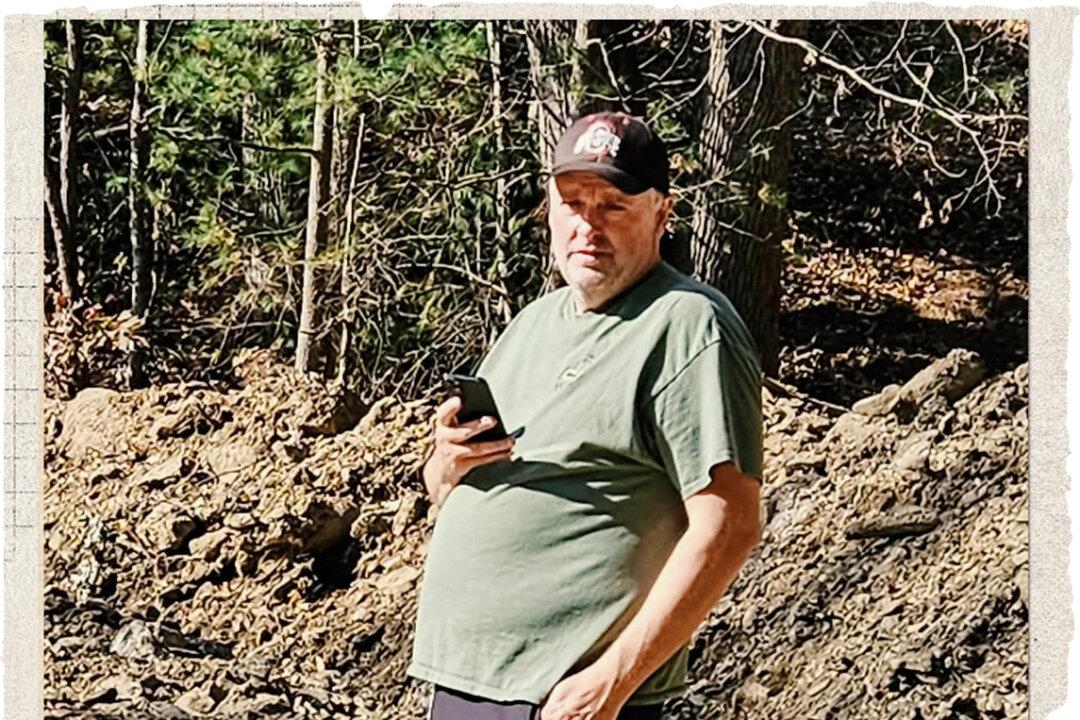
(Left) Before he lost 65 pounds between May and November 2025, Jeff Louderback was at his heaviest, 278 pounds. (Right) In May 2025, Louderback began a MAHA-inspired, anti-inflammatory plan focused on whole foods and herbs, cutting processed and fast foods and sugar, and adding regular walks and hikes. (Courtesy of Jeff Louderback)
Inspired by a News Beat
Usually, a reporter avoids becoming the story. But we are only human, and the stories we cover can affect us and inspire us personally. In this case, it was covering Robert F. Kennedy Jr.’s presidential campaign from start to finish, writing about the Make America Healthy Again (MAHA) movement, and telling the stories of regenerative farmers.
I had always lived in cities and suburbs until two years ago, when I decided to simplify life and move to the Appalachian foothills of southern Ohio, where self-sufficiency is as common as Amish horses-and-buggies on winding country roads.
Homesteading and sustainable living became topics of interest after I attended the Food Independence Summit in 2023. Yet clean eating and a healthy lifestyle were not consistent priorities.
From April 2023 through August 2024, my Epoch Times beat took me around the country chronicling Kennedy’s presidential campaign at town halls, events, and places such as general stores and organic farms.
There were frequent one-on-one interviews with the candidate. I heard his message of the need to address the United States’ chronic disease epidemic enough times that I could have delivered his speech for him.
Clean eating and a healthy lifestyle, however, were still not consistent priorities for me, just yet.
Then, as I stepped onto the scale those seven months ago on May 1, visions of a time before COVID-19 surfaced. Back then, I had worked myself into the best shape of my life by cleaner eating and regular exercise. I knew what to do.
Somehow, starting in 2020, momentum had been lost, and the pounds packed on.
Playing basketball and tennis regularly, as I did in my 20s, 30s, and 40s, was a fond memory. Sitting on the couch, watching football, and devouring large pizzas became commonplace. Sure, there were short bursts of momentum over the past five years, but they didn’t last.
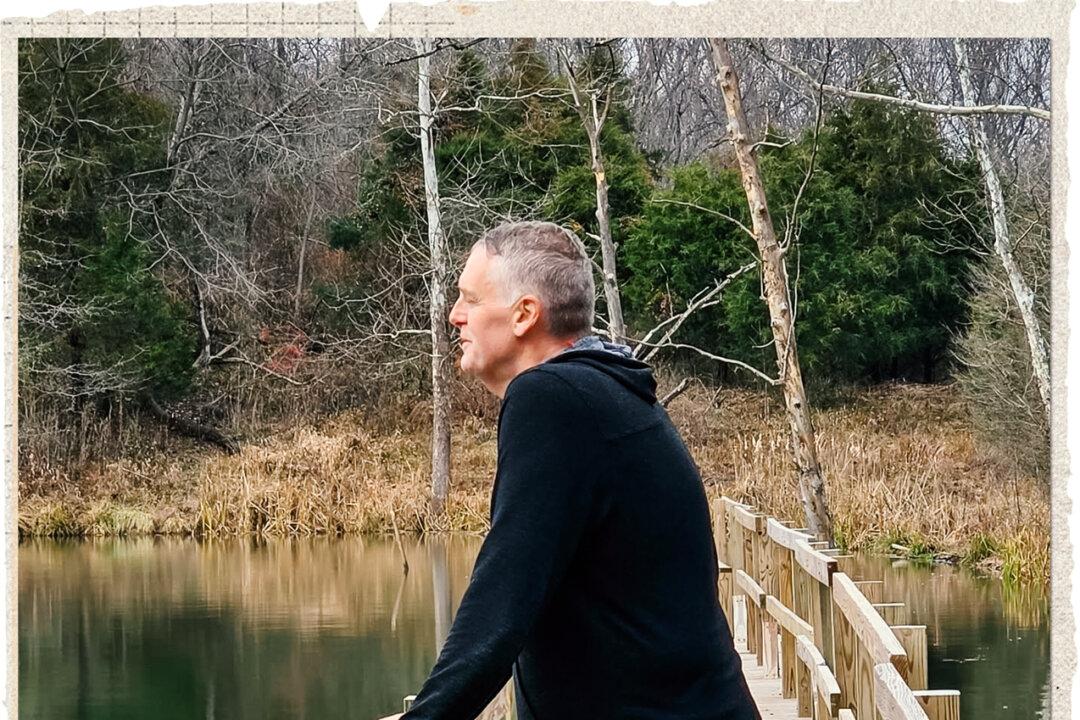
Jeff Louderback lost 65 pounds between May and November 2025 after adopting what he calls a pro-MAHA lifestyle. He says he now eats locally sourced, organic food—a shift inspired by people he covered. (Courtesy of Rhonda J. Webster)
Faith and Action
So, what was different this time?
My faith.
Raised in a non-denominational church, I’ve long been a believer in Christ, but there is a difference between being a believer and being a follower. Much of my adult life has been defined by being lukewarm and not wholeheartedly honoring God.
Over the past few years, my faith has gradually grown. That commitment soared this spring, and it keeps growing.
Earlier this year, around the same time “278” appeared, I prayed that God restore the lost years when I hadn’t been the man he intended. That means praying to make the most of each day from this point forward, and being the disciple Jesus calls us to be. That includes taking care of the body he has given and the blessings of having health, mobility, and five senses.
Even when you know you need to shed a lot of weight and body fat, it is still daunting.
We live in a society that sells quick fixes, yet there is no magic pill that will improve your health. Wellness is an odyssey with a destination that is not reached overnight. It takes time. It takes discipline and willpower.
It takes commitment—and that requires a first step.
To use a sports fan analogy, when your team is in the midst of a losing streak, it has to first win a game to stop that skid. To start a winning streak, it must win a second and third game in a row—and then some positive momentum is built.
I started by giving myself a season—three months.
Know Herbs, Know Your Food
Addressing inflammation in the body, which is the culprit behind many chronic diseases, was essential. Research told me this can be accomplished by consuming whole foods and herbs.
Covering Kennedy, the MAHA movement, and regenerative farming revealed to me that our food supply is laced with chemicals. There is little on the grocery store shelves that is truly healthy.
Ultra-processed foods have a long list of ingredients that even a writer has trouble pronouncing and spelling. Even much of the produce is doused in pesticides, and meats are loaded with additives.
It’s essential to know how our food is raised and where it comes from.
Inspired by people such as regenerative farmers Joel Salatin and John Klar and Food Independence Summit co-founder John Miller, I decided to source all my food locally. Beef, chicken, and produce that was raised by regenerative farmers—free of chemicals and pesticides—replaced unhealthy food from the grocery store.
Organic ground beef and eggs cooked with butter or beef tallow, instead of seed oils, became everyday staples.
Plants and herbs are among God’s gifts to us. I personally don’t take vaccines because of the long list of side effects readily presented on the inserts. It’s been years since my last vaccine. I now also avoid over-the-counter medicine for the same reasons. Holistic health practitioners and naturopathic physicians are my go-to resources regarding medicinal herbs and remedies.
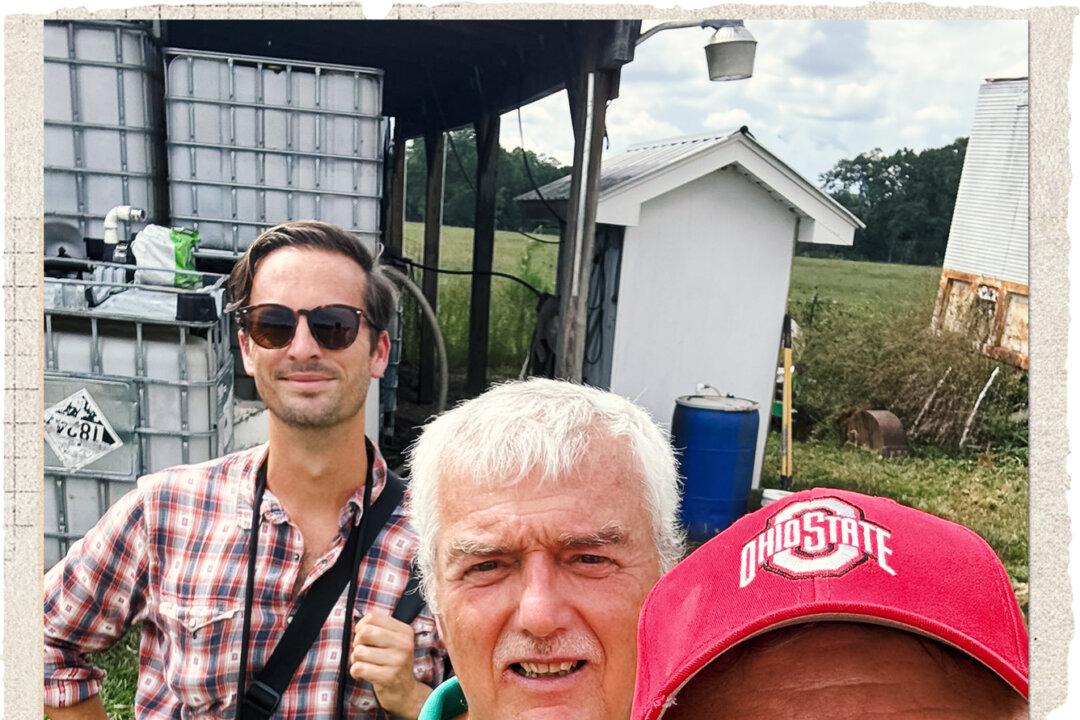
Epoch Times reporter Jeff Louderback (front) and photographer John Fredricks (back) tour Ben Simmons’s Nature’s Gourmet Farm in Petal, Miss., in September 2025. Louderback said reporting on Robert F. Kennedy Jr., the MAHA movement, and regenerative farming revealed to him that the food supply is laced with chemicals, prompting him to shift to whole foods and herbs. (Jeff Louderback/The Epoch Times)
This same guy who had never planted a vegetable until two years ago is now making oregano oil and colloidal silver, which are natural antibiotics.
I also bought a capsule maker and now prepare my own supplements, including turmeric, ginger, cloves, cayenne pepper, and magnesium.
Intermittent Fasting
Regular intermittent fasting and occasional 72-hour water fasts are now part of my ongoing wellness journey.
Intermittent fasting is about not only what you eat but also when you eat.
Johns Hopkins Medicine neuroscientist Mark Mattson has studied intermittent fasting for 25 years. He notes that the human body can go without food for many hours and even several days. For example, in prehistoric times, people were hunters and gatherers who went long periods without eating.
In an era when we can order groceries online and have them delivered in hours, or drive down the street and have our pick of fast food restaurants, the hunter-gatherer days are long gone. Yet I’ve discovered Mattson is correct.
Since early May, I’ve adopted the 16:8 intermittent fasting method, eating only within an eight-hour window—usually between 10 a.m. and 6 p.m.
Intermittent fasting does contribute to weight loss and lowering blood pressure, but that is not the ultimate purpose.
My first 72-hour water fast took place in June, with the intention of strengthening my spiritual discipline. Since then, I’ve completed three more of the sustained fasts.
A University of Southern California study showed that a 72-hour fast can reset your entire immune system.
There are different versions of this fast. Some people consume only water. I drink filtered water with mineral sea salt to stay hydrated, and also have coffee and peppermint tea.
Fasting affects the body at every 24-hour stage over the three days.
Simply put, during a 72-hour fast, the body shifts from burning glucose to using fat for energy, leading to a state of ketosis. This is believed to reduce inflammation, enhance insulin sensitivity, generate increased cellular cleanup (a process called autophagy), and help the immune system.

Jeff Louderback (back) holds a 10-foot-tall, 65-pound wooden cross at a Faith, Freedom, and MAHA event in Hillsboro, Ohio, in October 2025. Regular intermittent fasting and occasional 72-hour water fasts are part of Louderback’s ongoing wellness journey. (Courtesy of Lake View Loft Event Venue)
On the first day, between the 12- and 24-hour stage, the body depletes its glycogen and starts burning fat, creating ketones as an alternative energy source.
The first 24 hours of a 72-hour fast are not difficult. Entering the fast with a mindset of strengthening discipline and understanding the health benefits provides a boost when hunger pangs arise.
Autophagy happens between 24 and 48 hours. The body clears damaged and old cells. Studies show that fasting for three days contributes to immune system regeneration as the body breaks down aging immune cells and stimulates the production of new ones.
These fasts can also lower blood pressure. Weight loss is another benefit.
Fasting might also reduce the chance of developing chronic diseases because the practice is believed to reduce inflammation levels in the body and boost the immune system.
Another habit I implemented this year is daily grounding, or earthing, which may help shed weight and also reduce inflammation, improve sleep, and eliminate chronic pain. Grounding is a practice during which the body makes direct contact with the earth’s surface, tapping into its natural electromagnetic energy.
I live in a house along a rural road where the front yard looks out across the street at farm fields, hills, and forests. Sunsets are majestic. The silence is golden. There is little manmade light here, so the stars seem to shine brighter. Every morning and evening, I walk barefoot in the front yard with my dogs, Boston and Zeke, practicing earthing for about 45 minutes a day, even when there is frost on the ground.
Because I live in a rural region teeming with beautiful nature preserves, hiking has become a passion. That was my main physical activity from May through November.
The Next Chapter
Many nutritionists will tell you that to lose weight and keep it off, it’s more about what you eat and don’t eat than about how long you spend in the gym. My results prove they are right. You can’t outtrain a bad diet. Daily Big Macs, fries, and milkshakes will erase hard work in the gym. Yet solely consuming whole foods and herbs and walking and hiking will lead to favorable results.
Now that I’ve reached my goal weight and have maintained it for a few months, a new chapter has started: continuing to reduce body fat, building more muscle mass and tone, and enhancing cardiovascular conditioning and flexibility.
In my mind, I’m 37, but in reality, I’m 57. It gets more challenging to add muscle mass and keep toned the older we get, hence the sense of urgency.
As I dive deeper into covering the MAHA movement and telling the stories of regenerative farmers, I incorporate more principles learned from research and interviews into my lifestyle.
I’m a founding board member of a 501(c)(3) nonprofit organization in southern Ohio that conducts community projects for people in need. Down here, food insecurity is a problem that must be addressed. In the spring, we will partner with the Victory Garden Alliance and grow regeneratively raised produce to donate.
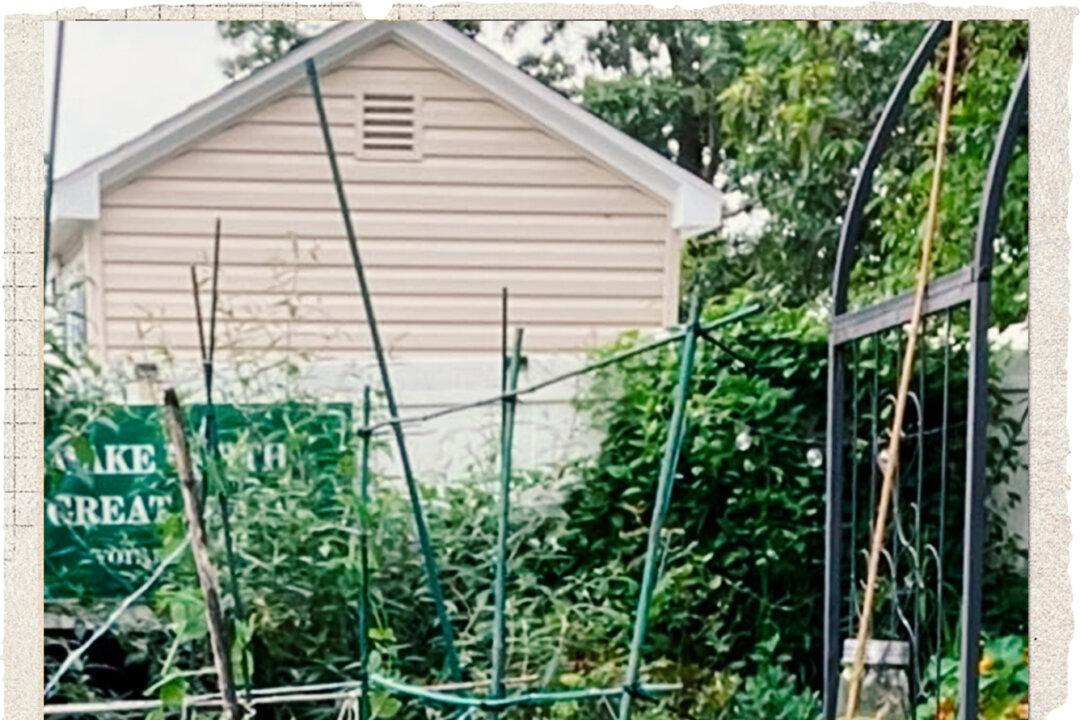
Jacqueline Capriotti, founder of the Victory Garden Alliance, in an undated photo. Louderback and his nonprofit have partnered with the group to grow regeneratively raised produce for donation. (Courtesy of Jacqueline Capriotti)
My 2026 plans include transforming the front of my property into a large Victory Garden, growing more microgreens, making more capsules, and learning how to grow medicinal herbs.
My MAHA-inspired wellness mindset will remain and evolve because it is fueled by faith and fitness.
Simply put, it feels good to feel good. I’ve become part of the topic I cover, and it has inspired an escape from apathy and inaction. There are more goals to accomplish and more stories to write.
Living life with these principles is the ultimate path. It’s not just helped me shed 65 pounds. It’s positively changed my life.