
Designed to improve soil health on American farms, a “first of its kind” pilot program will invest $700 million to support regenerative agriculture.
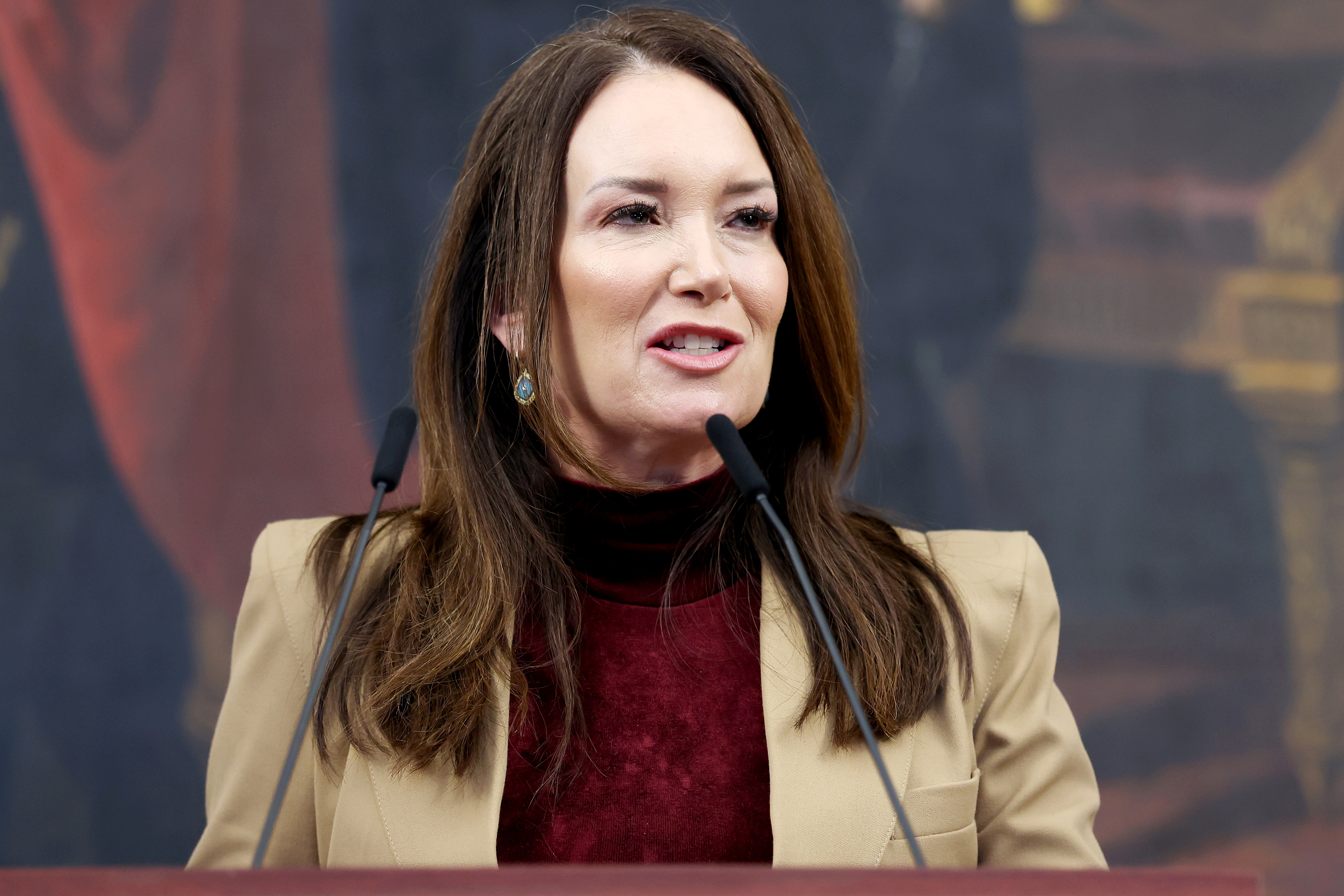
Agriculture Secretary Brooke Rollins said on Dec. 10 that the program is part of an expansive effort to improve the health of Americans’ diets, starting with the soil where crops are grown.
“Protecting and improving the health of our soil is critical not only for the future viability of farmland, but to the future success of American farmers,” Rollins said in a statement.
“In order to continue to be the most productive and efficient growers in the world, we must protect our topsoil from unnecessary erosion and improve soil health and land stewardship. Today’s announcement encourages these priorities while supporting farmers who choose to transition to regenerative agriculture.”
Rollins made the announcement at a press conference alongside Health & Human Services Secretary Robert F. Kennedy Jr., Centers for Medicare & Medicaid Services Administrator Dr. Mehmet Oz, and regenerative farmers from California, Indiana, and Missouri.
News of the pilot program follows President Donald Trump’s Dec. 8 announcement of a $12 billion economic assistance package for farmers.
Kennedy called the pilot program one example of how the Trump administration is fulfilling initiatives outlined in the MAHA Report on “how to eliminate the chronic disease epidemic and transition to a healthier America.”
One of the report’s recommendations, Kennedy noted, was a “promise” to make it easier for farmers who want “an off ramp” from chemicals and fertilizers and “transition to a model that emphasizes soil health.”
“With soil health comes nutrient density, and a transition to a much healthier America for our children,” Kennedy said.
Rollins described regenerative agriculture as “a conservation management approach that emphasizes natural resources through improved soil health, water management, and natural vitality for productivity.”
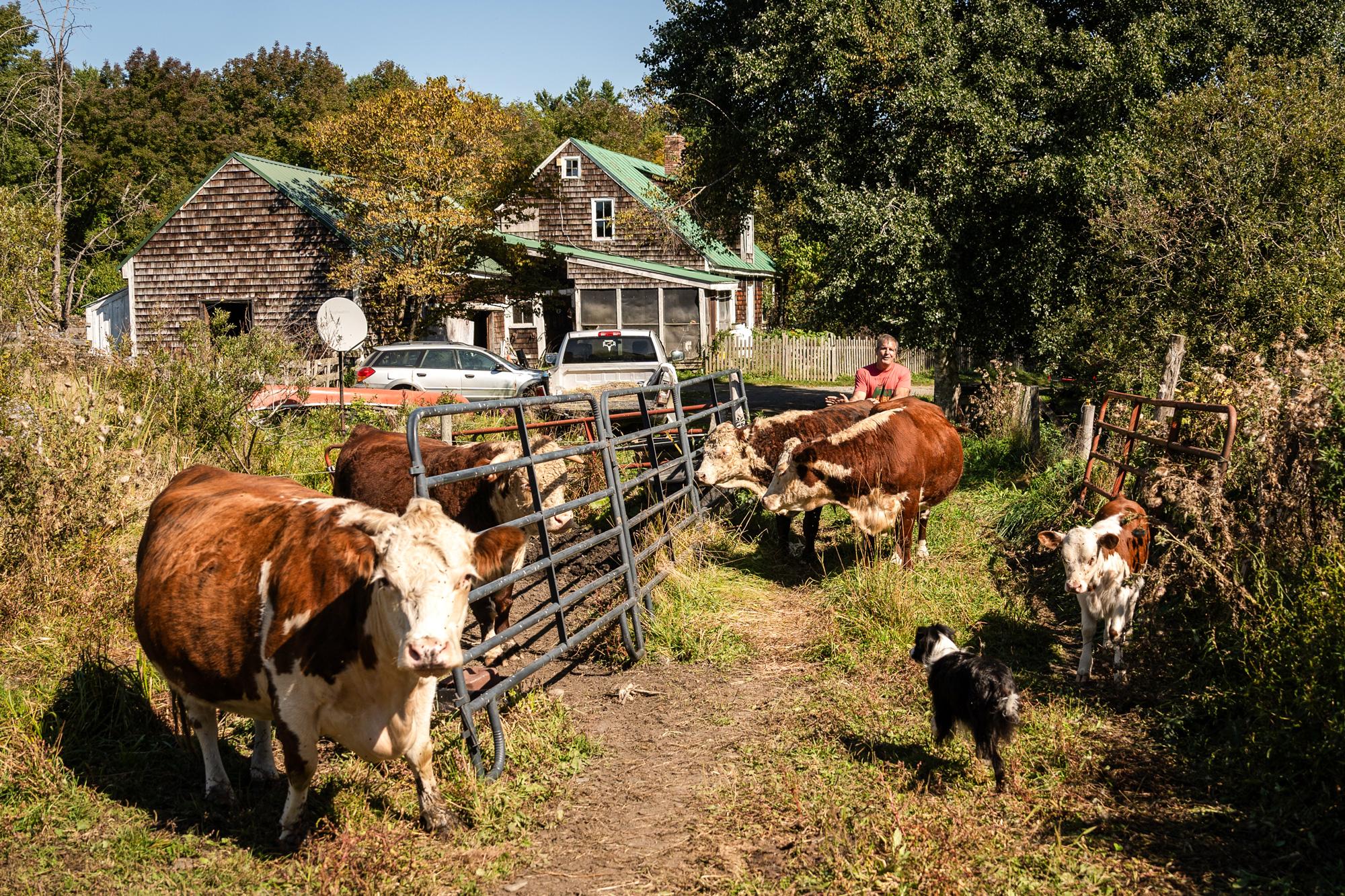
Farmer and attorney John Klar with his Hereford cows at his homestead in Brookfield, Vt., on Sept. 12, 2025. Klar raises grass-fed organic beef and lamb using regenerative farming practices. (Samira Bouaou/The Epoch Times)
The pilot program is intended to make regenerative agriculture more accessible by reducing red tape and embracing voluntary conservation.
“For too long, our conservation programs have been severely fragmented. This pilot replaces that fragmentation with one unified process that evaluates everything at one time,” Rollins said.
“Whole-farm planning is the centerpiece, ensuring that all resource concerns, such as soil, water, and natural vitality, are addressed together—not one piece at a time.”
Blake Alexandre operates Alexandre Family Farm, America’s first certified regenerative dairy farm in California. On Dec. 10, he praised the pilot program.
“I’ve kind of carried this load on my shoulders to attempt to help spread the message across the country to conventional farmers and organic farmers alike,” Alexandre said.
“We’re cleaning up the water supply on our farm. We’re cleaning up the erosion that may or may not happen with both soil and water, and we’re cleaning up the air, and making our planet a healthier place for everyone. We all breathe the same air.”
Sarah Starman, senior food and agriculture campaigner at Friends of the Earth, called the pilot program “a step in the right direction” and said her organization applauds the intent, “but it will only be effective if USDA reverses the past year of massive cuts to on-the-ground conservation staff.”
“Regenerative agriculture requires whole-farm, science-based planning, and right now the agency lacks the army of specialists needed to help farmers design and implement those plans,” Starman said in a statement.
Starman also noted that “phasing out harmful agrochemicals—the synthetic pesticides and fertilizers that harm human health and degrade soil health—must be at the center of any regenerative program.”
She said that the new initiative’s incentives for integrated pest management “fall far short of what is needed to help farmers get off the pesticide treadmill and spur a transition to a truly regenerative food system.”
“The initiative must be updated to include specific, measurable incentives for deep reductions in agrochemical use if it is to deliver truly healthy, resilient soils and promote human health,” Starman said.