

Playing college basketball for four years left Cara Clark physically burnt out. She struggled with controlling her food, which led to disordered eating. Through her studies and certification in sports and clinical nutrition, she was able to manage her own eating disorder and develop a performance-based nutrition philosophy that focuses on the relationship between what we eat and how we feel rather than on calories, scale numbers, or diets. “I established my business 17 years ago based on my health mission to help people feel better emotionally and physically and to learn to eat intuitively by listening to what their bodies tell them,” she said. She has since counted Olympic athletes, NBA draft prospects, and celebrities among her clients.
But in her early- to mid-30s, after having four babies in five years, her health began to deteriorate. She started to suffer from acne, insomnia, mono, brain fog, and anxiety. “At first, I thought I was just pushing through that stage of motherhood and business ownership,” she said. “But I became really distressed. I was in a state of complete overwhelm.”
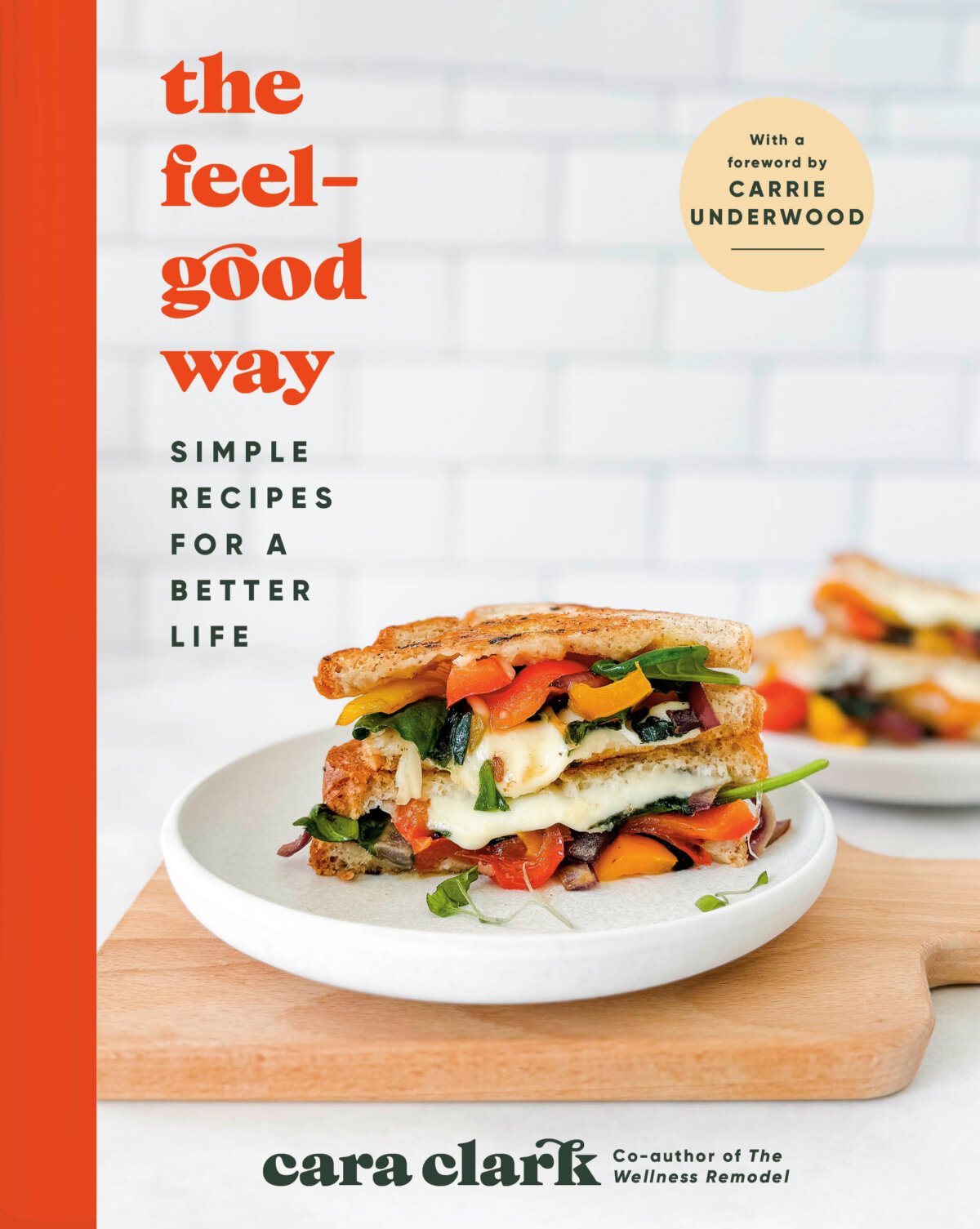
She sought counsel from traditional Chinese medicine, and her doctors encouraged her to incorporate her spiritual life into her nutritional life. Once she started to nourish her spirit as well as her body, she realized that this approach could have a holistic impact. It benefits the nervous system, which improves emotional well-being and sleep—and thus one’s overall health. She explained all this in her new cookbook with nutritious recipes, “The Feel-Good Way: Simple Recipes for a Better Life.” “Faith … is a powerful force that can be transformative to our daily existence, our purpose, and our lives,” she wrote.

Integrative nutritionist Cara Clark. (Angelica Marie Photography)
Cara Clark’s Five Feel-Good Fundamentals
Combine macros—fat, fiber, and protein—at every meal you eat
Eat within an hour of waking up, and then have a snack or meal every four hours
Try to eat five different colors every day
Drink at least 80 ounces of water every day
Engage in an enjoyable physical activity at least four times per week for a minimum of 30 minutes
Tackling Common Health Issues
If you’re struggling with low energy throughout the day, make sure you’re eating enough. A lot of times, people grab quick lunches or snacks to hold them over, but not to sustain them. Cravings and afternoon fatigue come from not choosing macro-balanced meals frequently enough and, especially, from not eating a big enough lunch.
If you’re struggling with sleep, stop eating two hours before bed so you’re not going into bedtime still having to digest. Also, try to stay away from fluids an hour before bed. Having electrolytes a couple of hours before bed can really help with dehydration overnight.
If you’re struggling with stress, start with balancing your blood sugar. Stress short-circuits the nervous system, and that short-circuits the hormones, and that short-circuits the immune system. Pathogens want all the high-sugar and starchy foods, so by eating real fibrous foods, we starve them out.
If you’re struggling with digestion issues, try the “box breathing” technique. Breathe in for five seconds, hold for five seconds, breathe out for five, hold for five. Repeat four times. That can really help regulate the nervous system so the body is not stressed when you’re eating.
This article was originally published in American Essence magazine.