When 93-year-old Charles Van Doren died in 2019, odds are that a majority of Americans didn’t recognize his name. Of those who did, a few would have associated him with the many books he wrote or edited. Others, still a minority and mostly older, more likely recalled him as a key figure in the 1950s quiz show scandals, rigged programs wherein contestants were coached on the answers or given them outright.
But one man remembered every detail of that scandal. He never forgot nor completely forgave the disgraceful part Van Doren had played in that shameful affair.
That man was Charles Van Doren.
The Fix Was In
When young, Van Doren was steeped in literature at home and received the best of educations. His mother, Dorothy, was a novelist as well as a chronicler of rural and family life. His father, Mark, had won the Pulitzer for his poetry and was “
a legendary classroom presence” at Columbia University. Charles graduated from Maryland’s St. John’s College with its Great Books program, studied at the University of Cambridge and the Sorbonne, served a stint in the military, and earned his doctorate in English literature from Columbia, where he was already teaching.
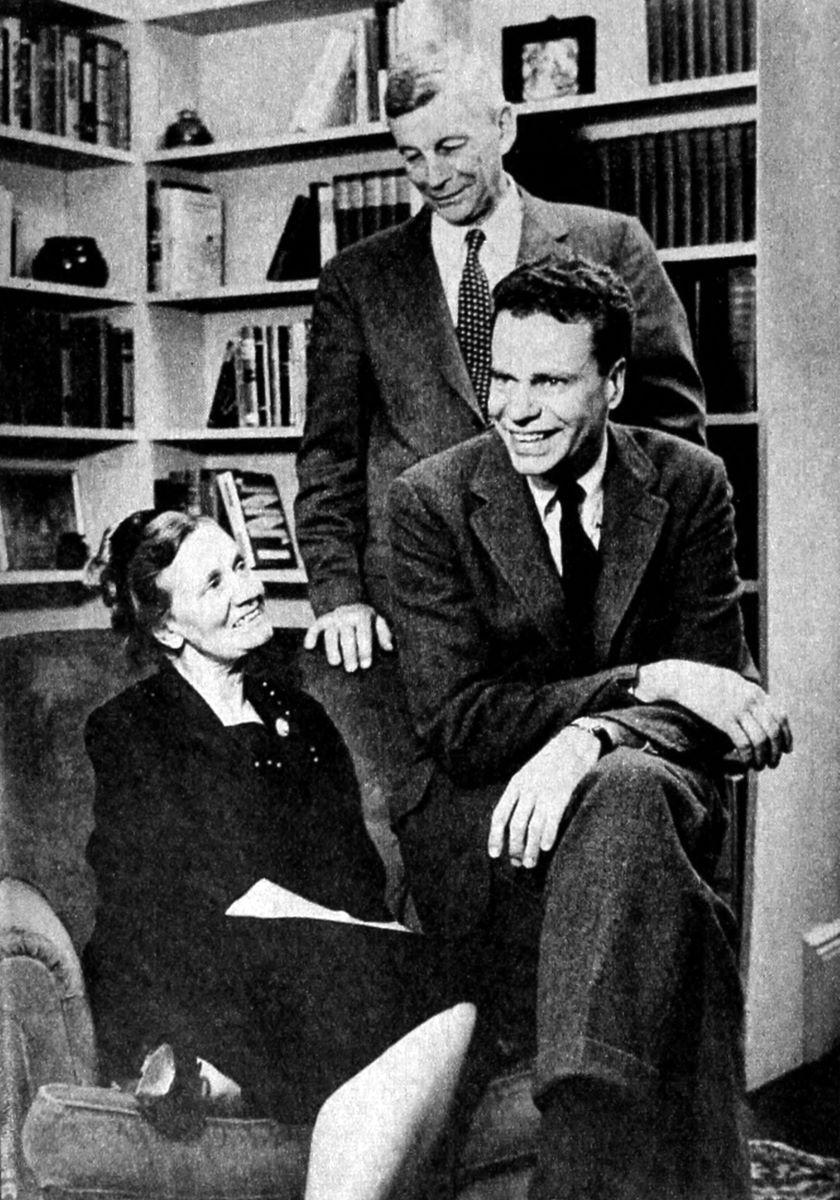
Charles Van Doren (seated) in 1957 with his parents, Dorothy and Mark Van Doren. (Public Domain)
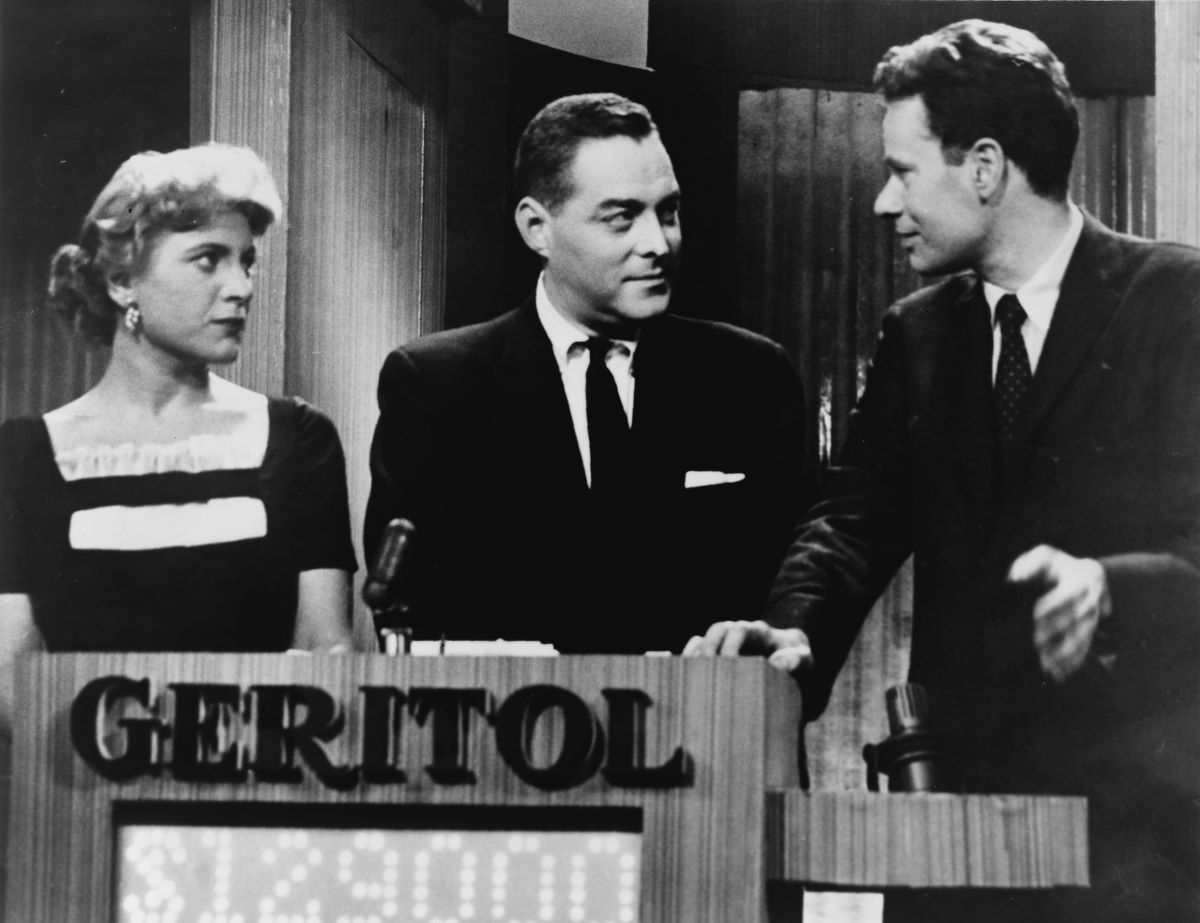
Impressed by Van Doren’s good looks and cultured air, the producers of the television game show “Twenty-One” invited him to take part in the contest. He appeared on the show from Nov. 28, 1956, to March 11, 1957, winning the equivalent of over $1 million in today’s currency and boosting the show’s sagging ratings. Women wrote him love letters and proposals, mothers and fathers encouraged their sons to emulate this clean-cut intelligent young man, and Van Doren was offered various lucrative jobs, including a position with NBC, which he accepted.
Then the scandal broke. Disgruntled contestants stepped forward and opened the curtain on the deceit and cheating going on behind the cameras. With these revelations threatening the faith of Americans in this new medium of television, the New York District Attorney’s Office and then Congress investigated the accusations.
Van Doren initially lied about the rigged shows and his participation in them, but in 1959, he appeared before a congressional hearing and confessed his wrongdoing and that of the network. NBC immediately fired him, and he resigned from his teaching post at Columbia. Three years later, he was convicted of perjury and given a suspended prison sentence.
Rescue and Refuge
Broken and deeply ashamed of what he had done, and seeking to escape the glare of publicity, Van Doren picked up work editing and writing under a pseudonym before
Mortimer Adler offered him a position working for Encyclopaedia Britannica in Chicago. It would be, as a friend of Van Doren’s
said, an act “that saved Charlie’s life.”
Trained in philosophy and known today for his advocacy of the Great Books and “How to Read a Book,” Adler was a longtime friend of Mark Van Doren and had known Charles since his infancy. After Van Doren joined Adler at the Britannica, the two men worked together for many years on various projects. When Adler died in 2001, age 98, Van Doren broke his own longtime rule against public appearances and spoke at his friend’s memorial service:
“And then there came the time when I fell down, face down in the mud, and he picked me up, brushed me off and gave me a job. It was the best kind of job: As he described it, one you would do anyway if you did not need the money. First, we worked together making books for Encyclopaedia Britannica. Then I, and many others, helped him to design and edit the greatest encyclopedia the world has ever seen.”
Despite Van Doren’s blackened reputation, Adler took a chance on him. It was this act of character, this mercy, that accounted for Van Doren’s praise for his mentor.
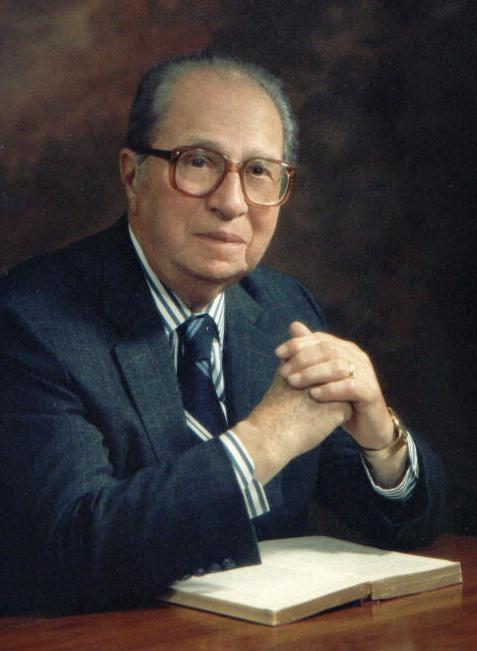
Mortimer Adler. (<a href="https://thegreatideas.org/">Center for the Study of the Great Ideas</a>/<a href="https://creativecommons.org/licenses/by-sa/3.0/">CC BY-SA 3.0</a>)
Reconstructing a Life
Another man showed great character in this story of scandal and that was Van Doren himself.
For the remaining 60 years of his life, he worked at what he did best: editing and writing books, later teaching literature to the young, and always striving to bring great literature to his fellow Americans. He helped Adler revise and update his “How to Read a Book,” composed and edited articles for “The Great Ideas Today,” an annual volume accompanying Britannica’s “Great Books of the Western World,” and wrote his own books, including “The Joy of Reading.” After retiring from Britannica, he and his wife returned to Connecticut and his parents’ property, where he taught students at a nearby branch of the University of Connecticut.
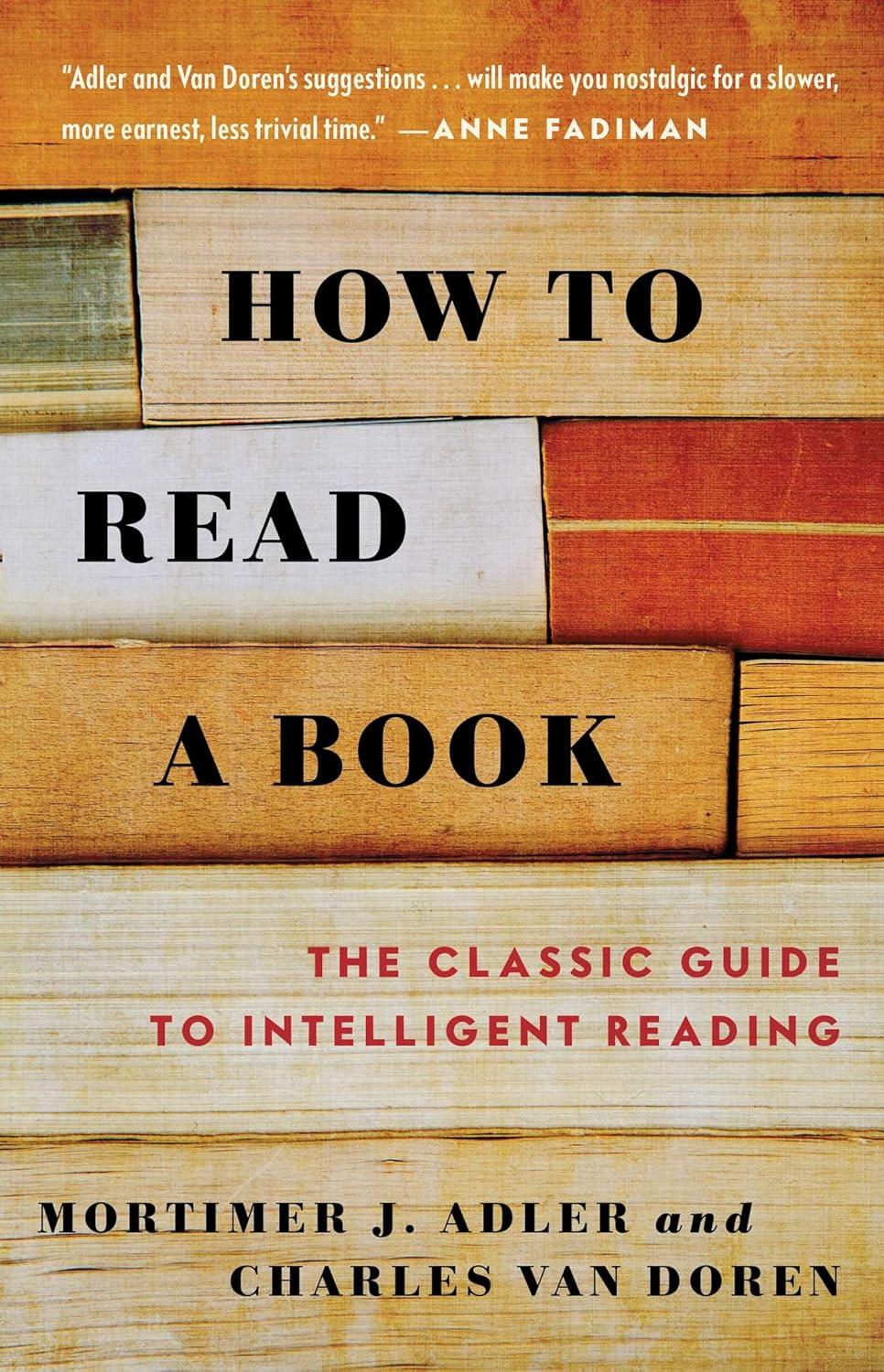
The revised and updated "How to Read a Book" by Mortimer Adler was coauthored and revised with the help of Charles Van Doren.
Meanwhile, he refused all requests for appearances and interviews regarding the quiz show scandals, perhaps most notably in the making of the 1994 film “Quiz Show,” directed by Robert Redford and starring Ralph Fiennes as Van Doren. Though offered $100,000 to participate in the making of the movie, Van Doren refused to profit by the lies he’d told.
In 2008, he finally broke his long silence about the scandal in an article written for The New Yorker. Perhaps, however, he best summed up his downfall and his chosen way of life in a 1999 address at Columbia University. There he spoke about philosophy and literature and their connection to the later years of life. At one point, he quoted a passage that he himself had translated from Virgil’s “Aeneid” and which recounts Aeneas’s journey to the underworld and the words the Sybil spoke to him:
The way downward is easy from Avernus.
Black Dis’s door stands open night and day.
But to retrace your steps to heaven’s air,
There is the trouble, there is the toil.
Remorse and Redemption

Van Doren at home in 1957. (Public Domain)
Often missing today among American politicians and celebrities is a sense of regret. They offend morality or the law but then carry on as if nothing untoward has taken place.
Van Doren took a different road. His silence in public spoke volumes about his shame and his regret for what he had done. He gave himself over to books and ideas, seeking to improve the lives of others through his writing, teaching, and editorial work. As he probably suspected would happen, his obituaries led with his involvement in the quiz show scandals, yet his example and his work in the many years afterward inspired those who knew him and may do the same for us today.
In his self-imposed penance of silence and humility, Charles Van Doren found redemption.
What arts and culture topics would you like us to cover? Please email ideas or feedback to features@epochtimes.nyc