
News
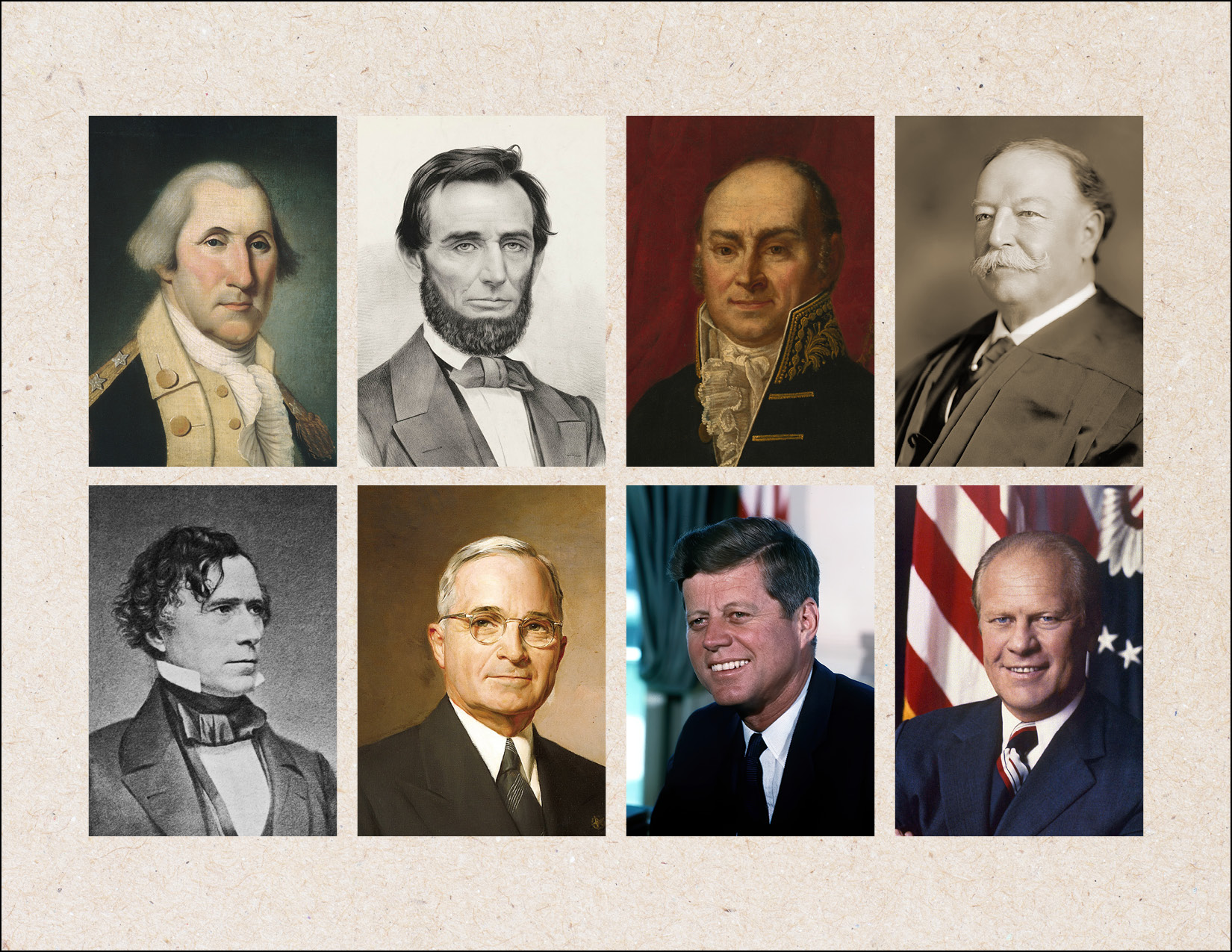
If America’s Presidents Had a Yearbook, It Might Look Like This
Comments
Link successfully copied
Many different personalities have held America's highest office. (Public domain, Smithsonian Institution, Library of Congress)
By Jeff Minick
2/13/2026Updated: 2/16/2026

Many high school yearbooks used to include lists of senior superlatives such as Best Dressed, Best Couple, Class Clown, and Most Likely to Succeed.

On this Presidents Day, we might have some fun applying our own inventory of superlatives to graduates of the White House, assigning some of them tags that marked them as outstanding. To avoid exacerbating our current ill-tempered culture, the lists below contain only the presidents who have taken that final step from the graduation stage into the Great Beyond. Current and former presidents still living—George W. Bush, Bill Clinton, Barack Obama, Joe Biden, and Donald Trump—are out of bounds.

So, here we go.

Best All Around: George Washington (1789–1797)


Here’s the man who led Americans to victory in the Revolution, put down his sword, and returned to his estate until his country called him into service as president. George Washington was our only president elected unanimously by the electoral college and the only one who belonged to no political party. He had a hand in making the new Constitution, was the first delegate to sign it, and made every effort to honor it as commander-in-chief. A man of great gravitas, he brought dignity to the presidency.
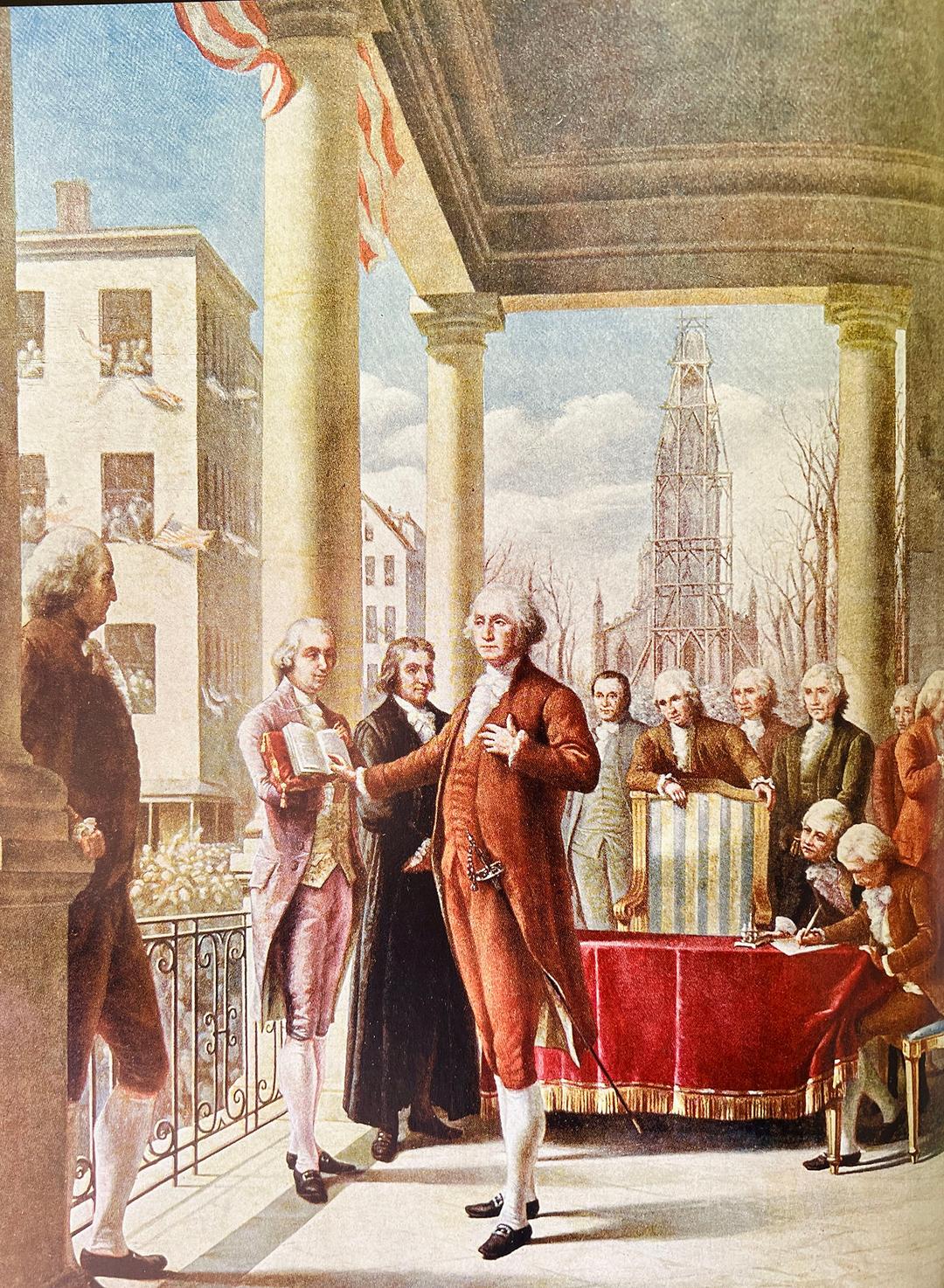
A 19th-century illustration of George Washington being sworn in to the presidency. (clu/Getty Images)

A 19th-century illustration of George Washington being sworn in to the presidency. (clu/Getty Images)


Best Dressed: Harry Truman (1945–1953)


This former haberdasher was meticulous about the apparel he wore, how it was made, and even the material that was used. As president, Harry Truman favored “double-breasted suits with large, peaked lapels.” He was well-known for his love of good footwear and at one time owned 96 pairs of shoes, including 41 sets of slippers.
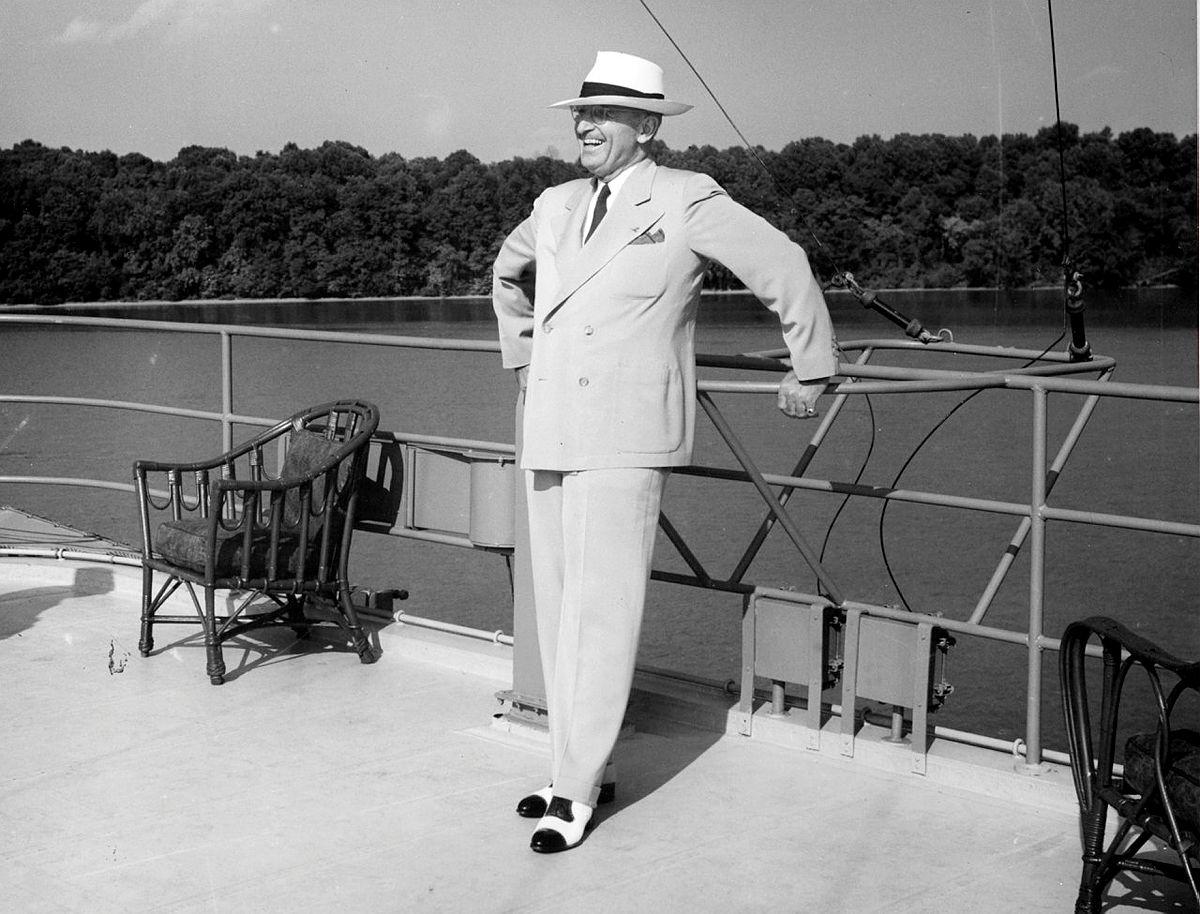
A 1945 photograph of Harry Truman, which appeared in a 1951 Life magazine spread that commented on his fashion style. (Harry S. Truman Presidential Library and Museum/NARA)

A 1945 photograph of Harry Truman, which appeared in a 1951 Life magazine spread that commented on his fashion style. (Harry S. Truman Presidential Library and Museum/NARA)


Hottest President: Franklin Pierce (1853–1857)


Truman considered Franklin Pierce the best-looking of presidents, and Pierce’s contemporaries apparently found him attractive as well, nicknaming the future president “Handsome Frank.” Dark hair and chiseled cheeks and chin have their allure, but looks can be deceiving.
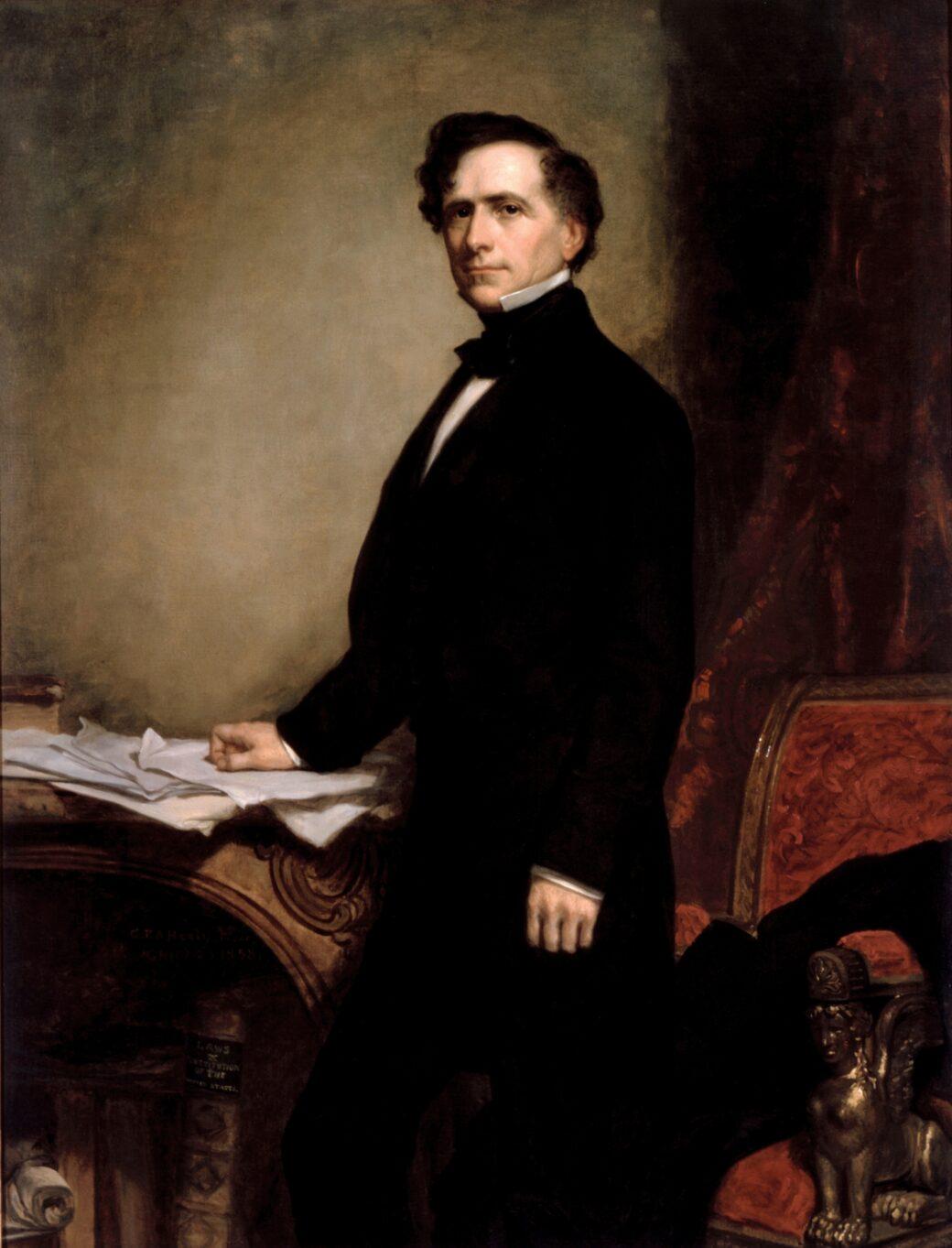
Historians consider Pierce an ineffectual, weak leader amid the tensions preceding the Civil War. In his defense, just weeks before taking office, he and his wife, Jane, witnessed the gory death of their 11-year-old son in a train accident. Pierce’s wife retreated so deeply into depression that she became known as “The Shadow in the White House,” while Benjamin’s horrible death left Pierce without “his wife’s support, his self-confidence, ability to lead and his will to succeed.”

Portrait of Franklin Pierce, 1858, by George Peter Alexander Healy. (White House Collection/White House Historical Association)

Portrait of Franklin Pierce, 1858, by George Peter Alexander Healy. (White House Collection/White House Historical Association)


Most Photogenic: John Kennedy (1961–1963)


John Kennedy’s youth, good looks, advances in photography, and a bevy of admirers behind the cameras make this president a natural for this superlative. His wife, Jackie, added to this allure. They were a couple, as writer Roger Catlin noted, “custom made for the Golden Age of Photojournalism.”
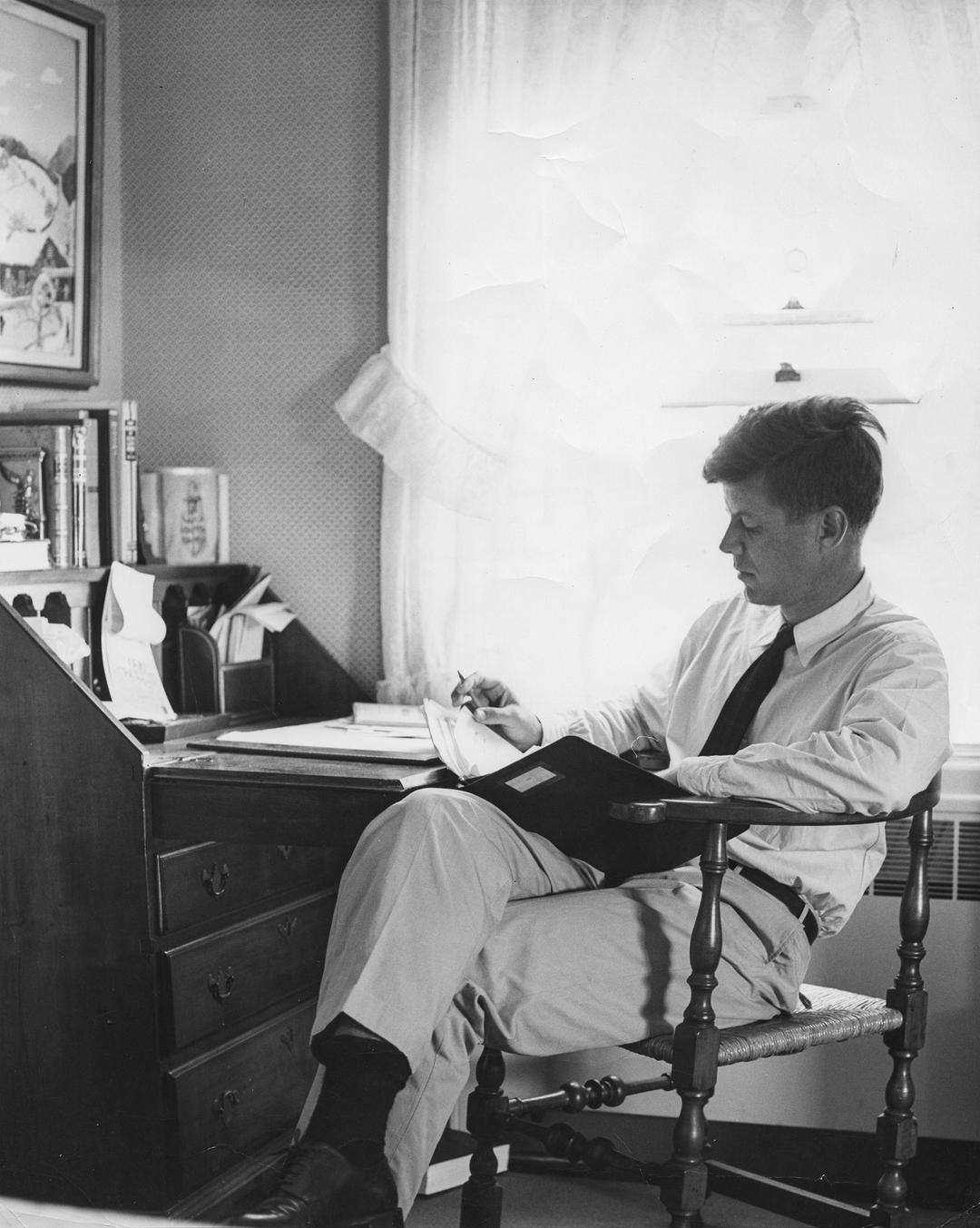
Photo of John F. Kennedy circa 1955, when he served in the Senate. (FPG/Archive Photos/Getty Images)

Photo of John F. Kennedy circa 1955, when he served in the Senate. (FPG/Archive Photos/Getty Images)


Most Intellectual: John Quincy Adams (1825–1829)


At a 1962 White House dinner held in honor of Nobel Prize winners, Kennedy included in his welcome this remark: “I think this is the most extraordinary collection of talent, of human knowledge, that has ever been gathered together at the White House, with the possible exception of when Thomas Jefferson dined alone.”
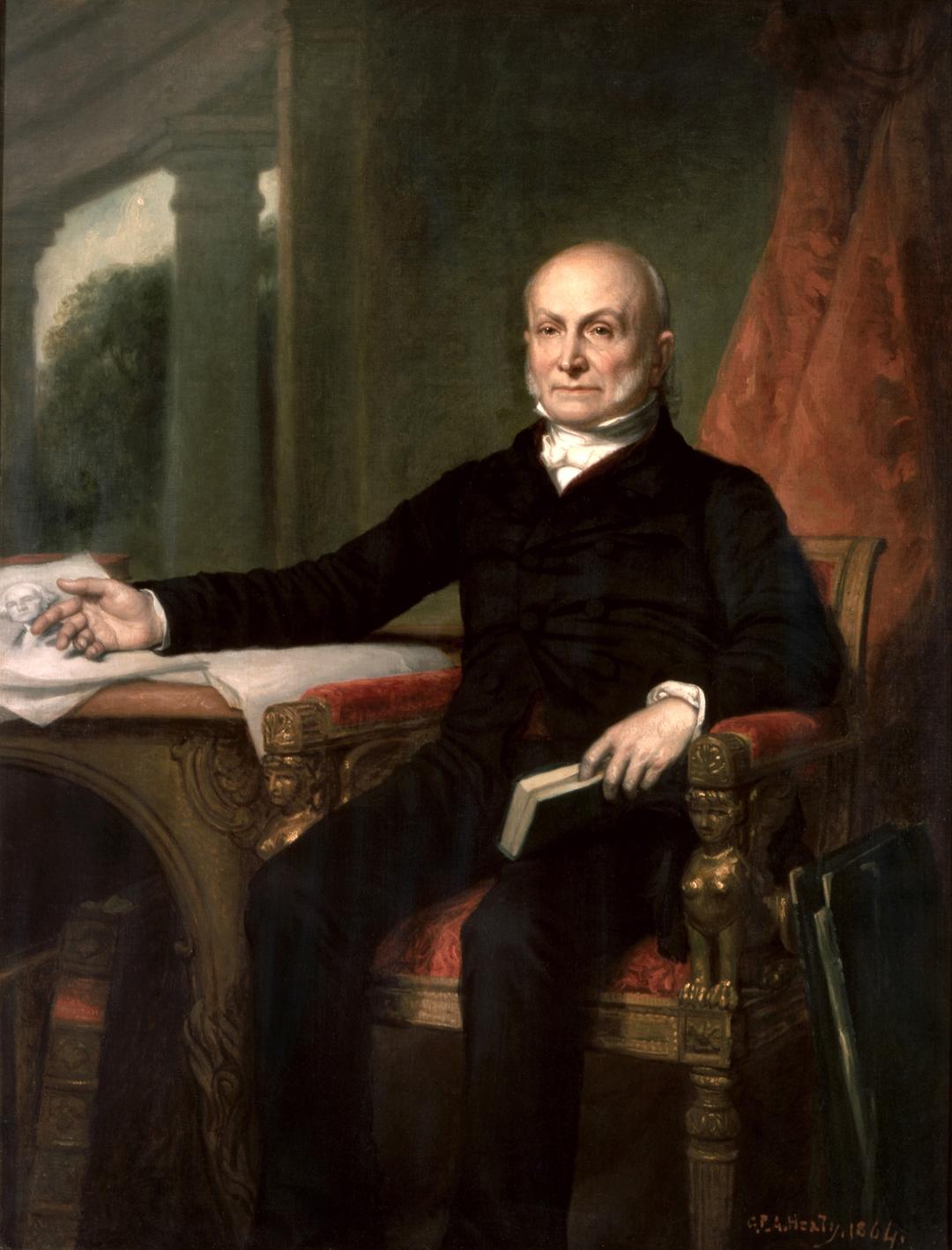
Although our third president and father of the Declaration of Independence was certainly a Renaissance man, for sheer intellectual power, John Quincy Adams wins the prize. Son of John and Abigail Adams, he traveled extensively in his youth and became fluent in seven languages. A skilled lawyer and diplomat, besides being our sixth president, he served as secretary of state and in the House of Representatives, where his oratory earned him the nickname “Old Man Eloquent.”

A portrait by George Peter Alexander Healy, 1858, shows John Quincy Adams deep in his intellectual pursuits. (Public domain)

A portrait by George Peter Alexander Healy, 1858, shows John Quincy Adams deep in his intellectual pursuits. (Public domain)


Best Athlete: Theodore Roosevelt (1901–1909)


John Quincy Adams was also known for his exceptional good health and fitness, and Gerald Ford played football in college, but the president with vim and vigor to burn was Theodore Roosevelt. Sickly as a boy, with his father’s encouragement he became a weightlifter and an amateur boxer. From 1883 to 1886, he lived the life of a cowboy in the Dakotas and later led the Rough Riders in the Cuban campaign.
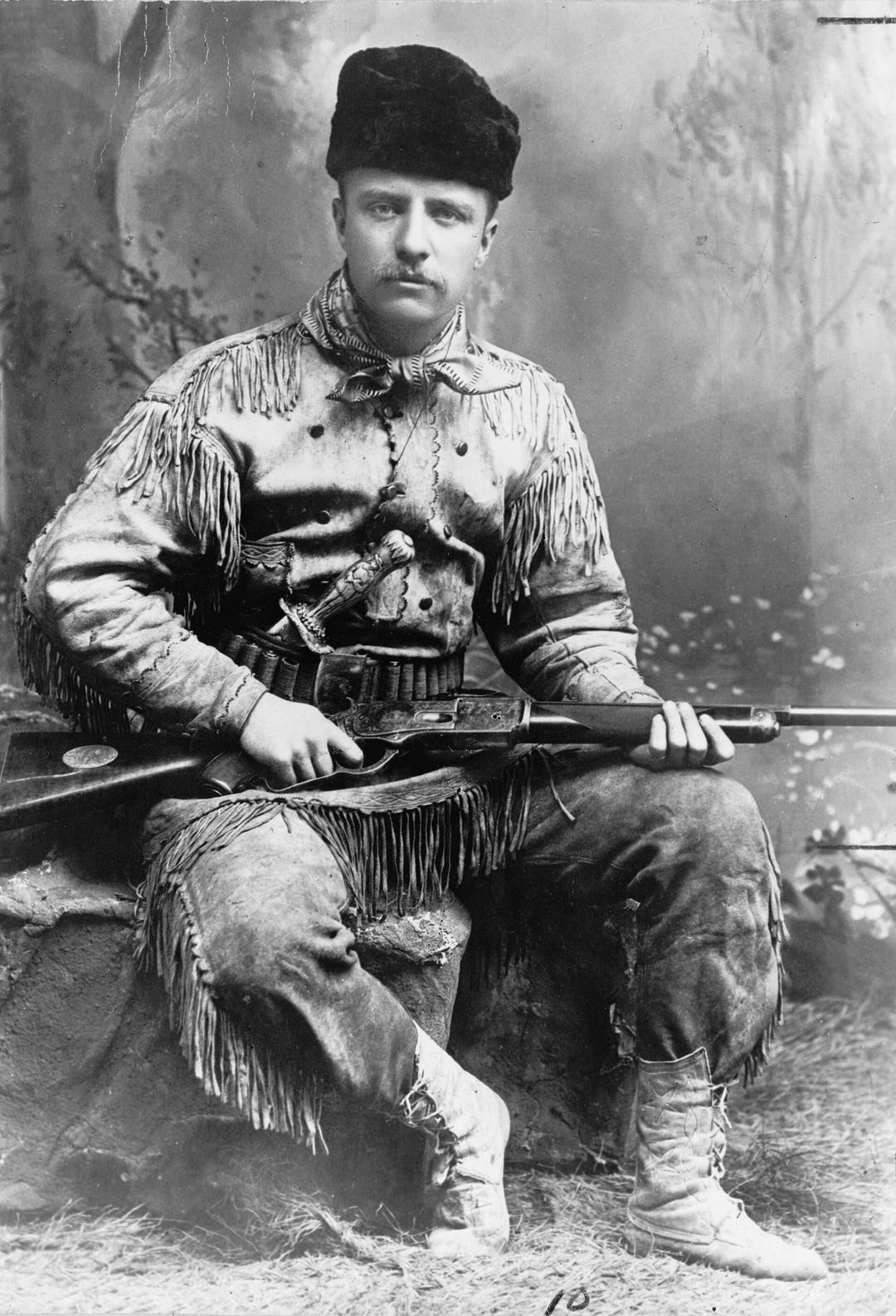
In 1899, Roosevelt gave a speech that came to be titled “The Strenuous Life,” and he lived that life. In addition to boxing, he played tennis and polo, rowed and swam, and was a man ablaze with a seemingly inexhaustible energy.

Theodore Roosevelt in a deerskin hunting suit in 1885, during his time in the West. (Library of Congress)

Theodore Roosevelt in a deerskin hunting suit in 1885, during his time in the West. (Library of Congress)


Klutz-in-Chief? Not Gerald Ford (1974–1977)


Because he was caught on camera tripping a few times and hitting a spectator on the head with a golf ball, Gerald Ford got an undeserved reputation for being a klutz. Comedian Chevy Chase poked fun at him in skits on “Saturday Night Live,” which were, in fact, funny, but quite the reverse was true of Ford. In the 1930s, he was a standout center and linebacker for the University of Michigan Wolverines, and he helped the team win two national championships. Later, he became an avid golfer and skier and exercised daily even while in the White House.
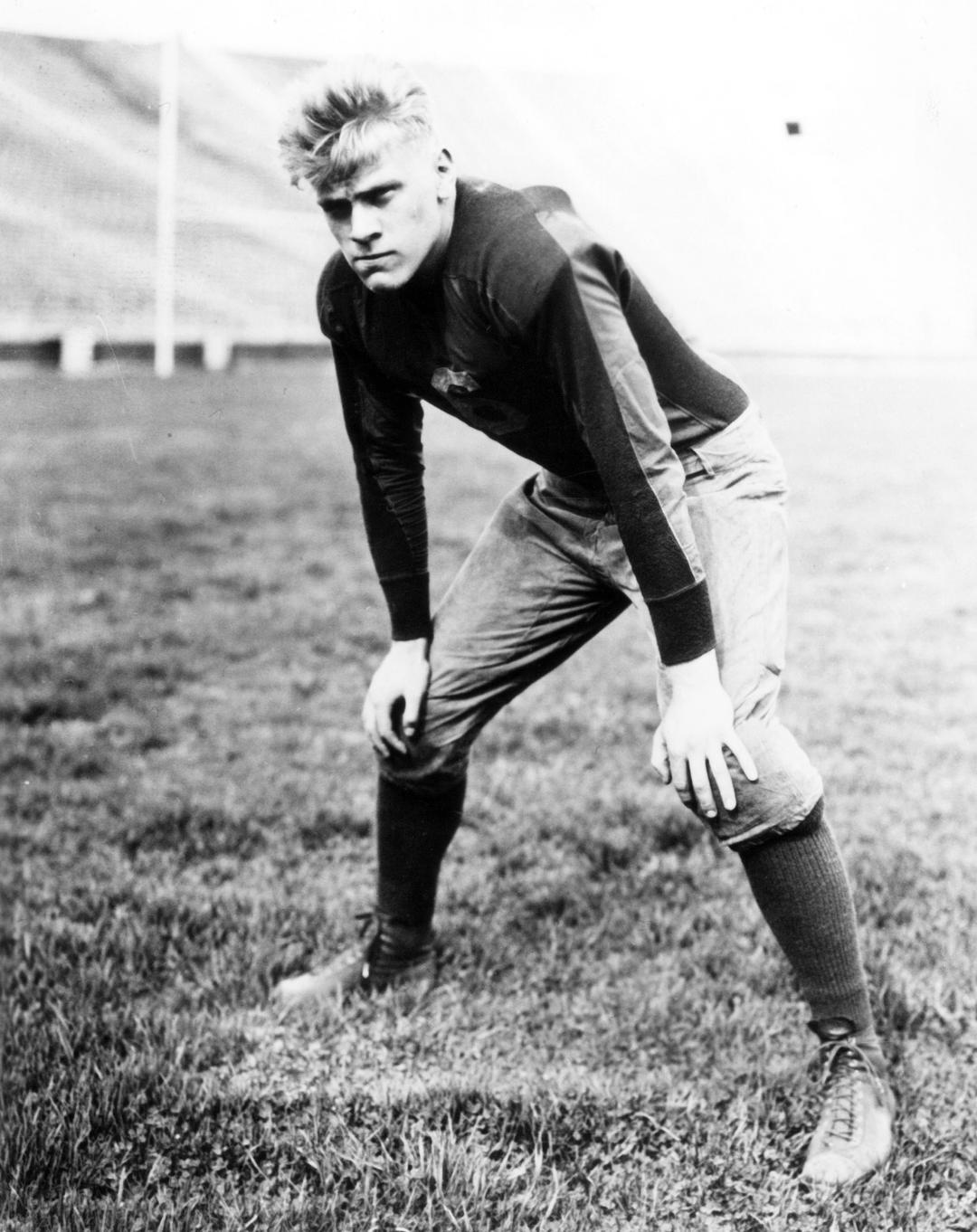
Gerald Ford playing for the University of Michigan Wolverines in 1934. (Michigan University/Getty Images)

Gerald Ford playing for the University of Michigan Wolverines in 1934. (Michigan University/Getty Images)


Comedian-in-Chief: Abraham Lincoln (1861–1865)


In “70 Presidents Day Jokes to Prove You’re the Comedian in Chief,” Andy Simmons includes this gem: “Question: What do you call a graying politician who moonlights as a comedian?
“Answer: Mr. President.”

There’s some truth in that joke. Several presidents rank high on the laugh meter, yet many historians and commentators put Abraham Lincoln in the winner’s circle of this comedy club. Known for his droll stories and sarcasm—he learned to control this latter impulse as he grew older—Lincoln wins the award in part because of the immense daily pressures and responsibilities forced on him by the Civil War. When some complained about his stories and jokes, he would respond that without these and other distractions, he would fail or die.

Here’s just one sample of the Lincolnian quick wit: When attacked in a debate by Sen. Stephen Douglas (D-Ill.) for being “two-faced,” Lincoln responded, “I leave it to my audience: If I had two faces, would I be wearing this one?”

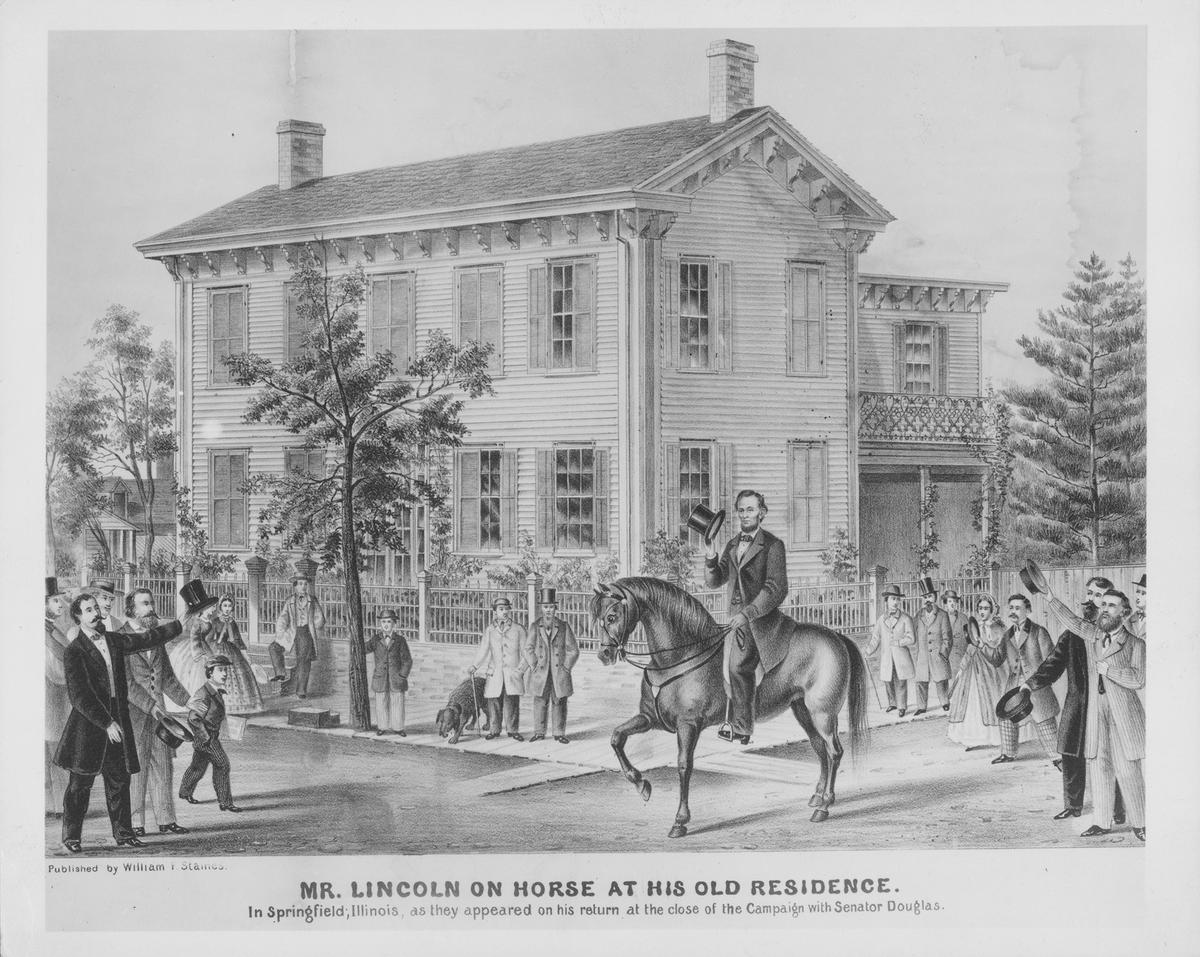
An engraving of Abraham Lincoln on horseback at his old residence in Springfield, Ill., surrounded by supportive locals. (Kean Collection/Archive Photos/Getty Images)

An engraving of Abraham Lincoln on horseback at his old residence in Springfield, Ill., surrounded by supportive locals. (Kean Collection/Archive Photos/Getty Images)


Best Couple: Abigail and John Adams (1797–1801)


Here as well are several possible nominees, but many historians would agree with this selection of John and Abigail Adams. Married for 54 years and leaving behind more than 1,000 letters written to each other, this couple weathered war and separation while remaining devoted to each other. They were also intellectual partners, each guiding the other through the storms they faced. Theirs is a beautiful story of love, loyalty, mutual respect, and real communication.
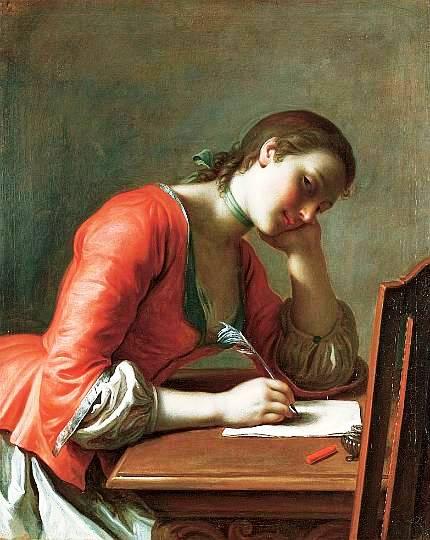
Abigail and John Adams exchanged more than 1,100 letters during their courtship and marriage, sustaining their love even when John Adams served overseas as an ambassador. (CC BY 2.0)

Abigail and John Adams exchanged more than 1,100 letters during their courtship and marriage, sustaining their love even when John Adams served overseas as an ambassador. (CC BY 2.0)


Longest Relationship: Rosalynn and Jimmy Carter (1977–1981)


We may admire the Adamses for reaching their golden anniversary, but the Carters’ marriage of 77 years inspires awe. Not only that, but they knew each other for nearly a century. In 1927, 3-year-old Jimmy Carter first met Rosalynn when she was a newborn, brought into this world with the help of Carter’s mother, a nurse. Friends throughout childhood, they first dated when Jimmy was on summer leave from the Naval Academy and married shortly after his 1946 graduation.
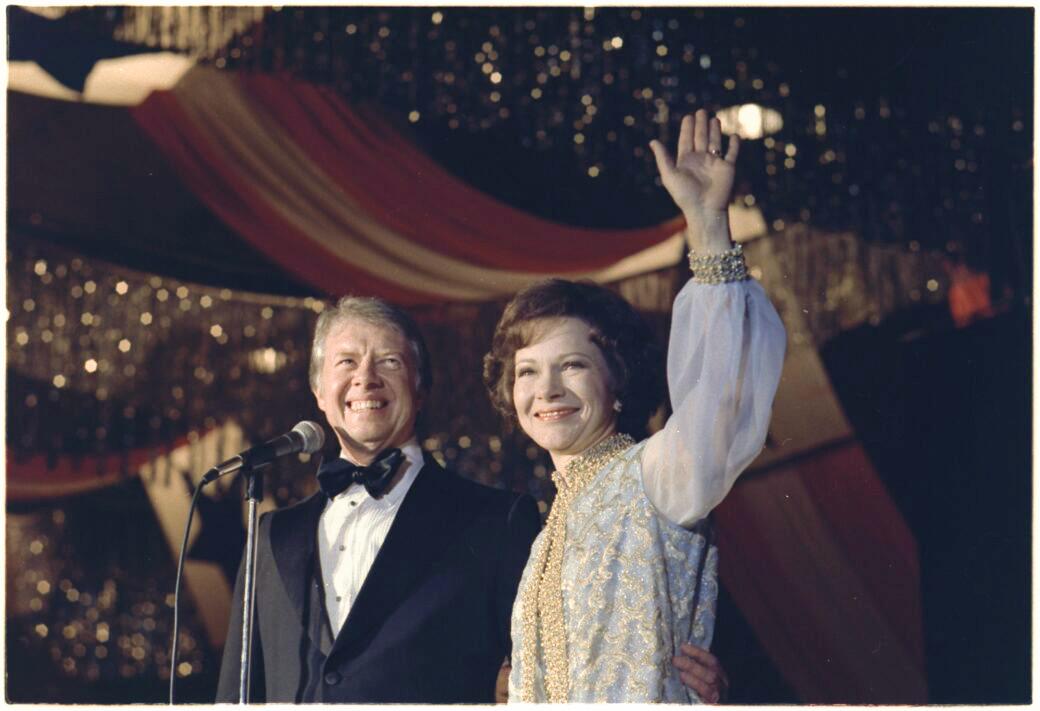
Jimmy and Rosalynn Carter at his inaugural ball on Jan. 20, 1977. (Jimmy Carter Presidential Library and Museum/NARA)

Jimmy and Rosalynn Carter at his inaugural ball on Jan. 20, 1977. (Jimmy Carter Presidential Library and Museum/NARA)


Most Likely to Succeed: William Howard Taft (1909–1913)


Jimmy Carter’s performance as president disappointed many Americans. However, after graduating from the White House, he won some applause, especially for his work with Habitat for Humanity. Yet it’s William Howard Taft who deserves the postgraduate blue ribbon. Following his presidency, Taft won the post he had always longed for: a place on the Supreme Court as its chief justice. There he served from 1921 to 1930. Today, he is known as the “father of the modern U.S. Supreme Court” for his modernization of judicial procedures and for initiating the construction of a building with the sole purpose of housing the court.
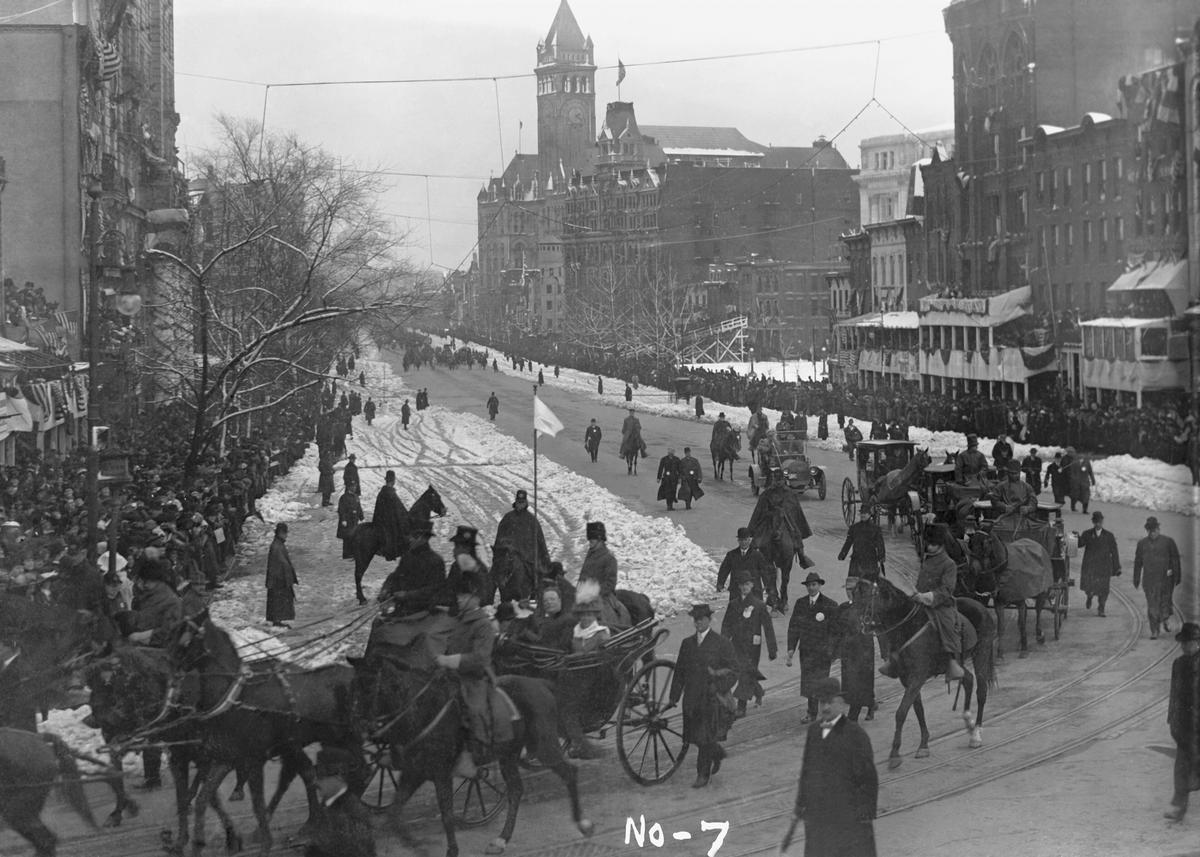
The inaugural parade for William Howard Taft on March 4, 1909. (Public domain)

The inaugural parade for William Howard Taft on March 4, 1909. (Public domain)


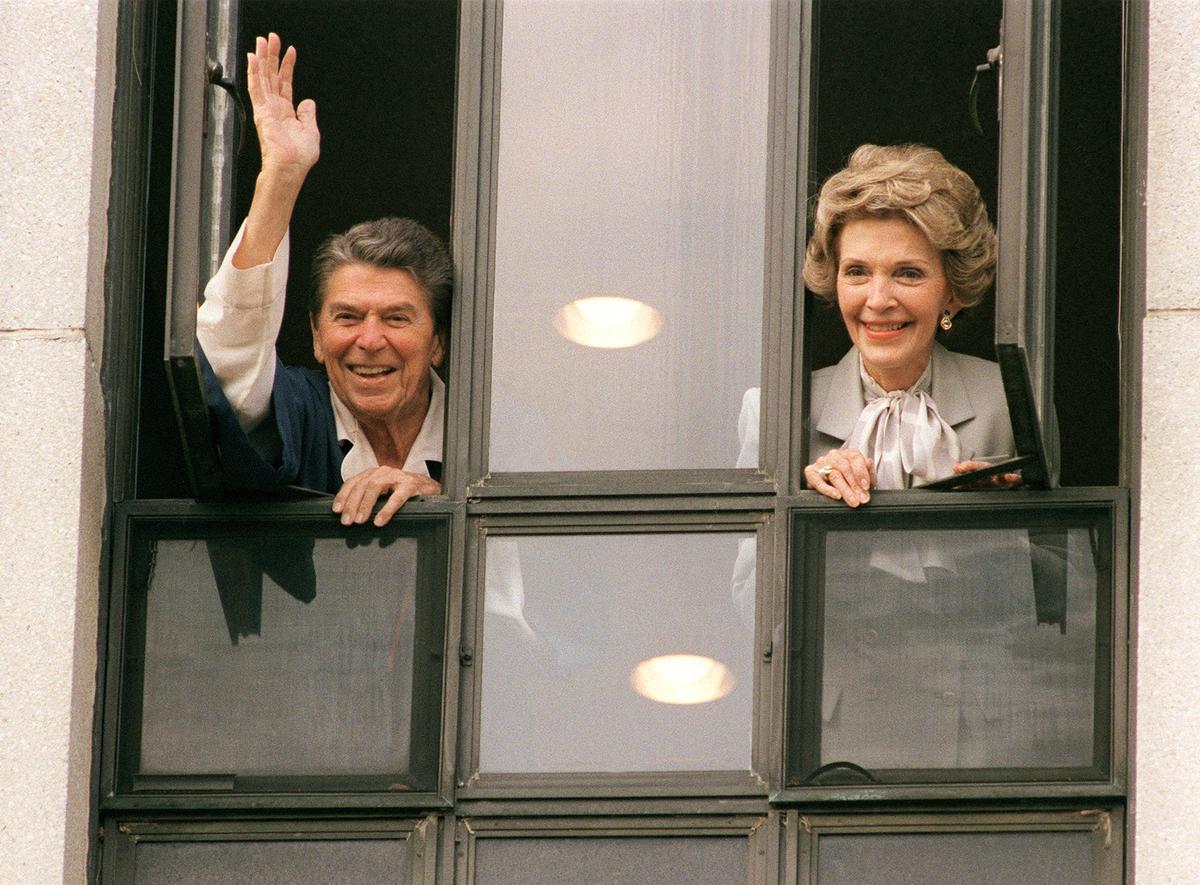
Best Personality: Franklin Roosevelt (1933–1945) and Ronald Reagan (1981–1989)


This one’s a toss-up. Although very different in their politics and personal lives, as presidents both Franklin Roosevelt and Ronald Reagan gained a reputation for their personal warmth toward others, as well as their ability to connect with large audiences. Reagan earned the nickname “The Great Communicator,” while Roosevelt’s radio “fireside chats” were the pre-television version of this talent. FDR and Reagan delivered hope to Americans when a feeling of drift and hopelessness was the order of the day.
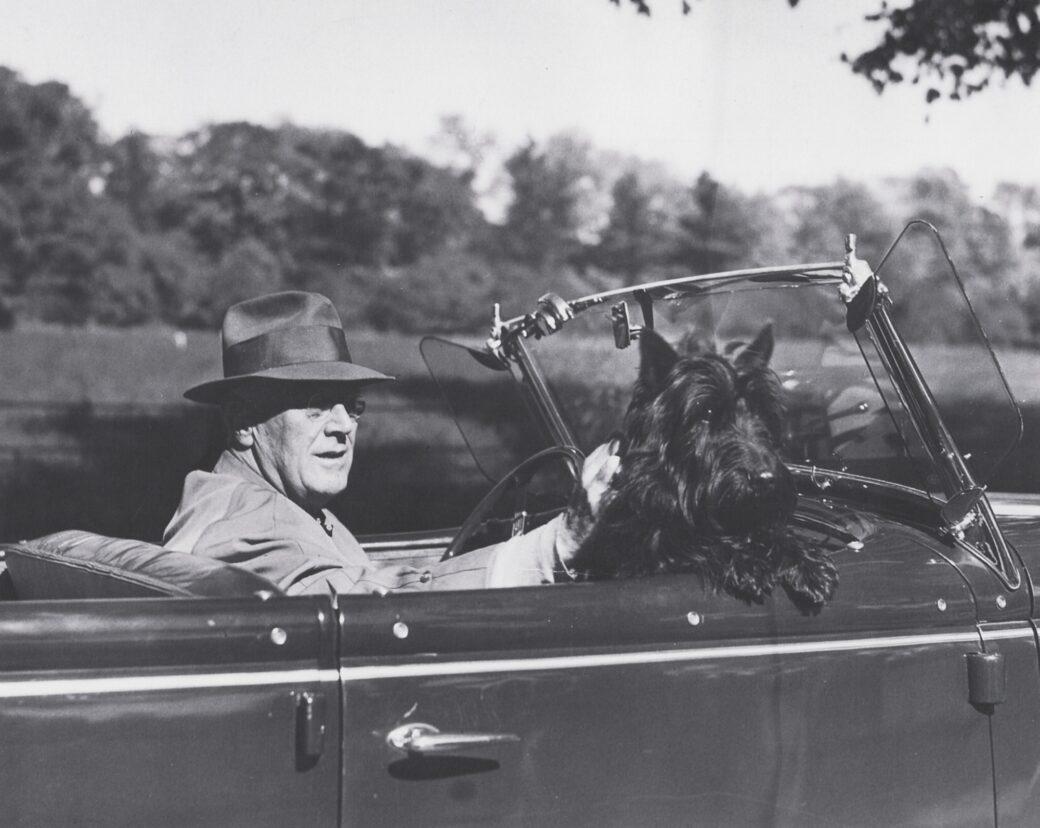
Franklin D. Roosevelt drives around Hyde Park, N.Y., with his dog, Fala, in the front seat. Fala was popular enough to regularly receive letters from the public. (Library of Congress)

Franklin D. Roosevelt drives around Hyde Park, N.Y., with his dog, Fala, in the front seat. Fala was popular enough to regularly receive letters from the public. (Library of Congress)

Ronald and Nancy Reagan greet reporters from the window of his room at Bethesda Naval Hospital, where he had undergone surgery the day before, on Jan. 6, 1987. (MIKE SARGENT/AFP/Getty Images)

Ronald and Nancy Reagan greet reporters from the window of his room at Bethesda Naval Hospital, where he had undergone surgery the day before, on Jan. 6, 1987. (MIKE SARGENT/AFP/Getty Images)

A previous version of this article misspelled the names of Stephen Douglas and Rosalynn Carter. The Epoch Times regrets the errors.

Share This Article:
Jeff Minick has four children and a growing platoon of grandchildren. For 20 years, he taught history, literature, and Latin to seminars of homeschooling students in Asheville, N.C. He is the author of two novels, “Amanda Bell” and “Dust on Their Wings,” and two works of nonfiction, “Learning as I Go” and “Movies Make the Man.” Today, he lives and writes in Front Royal, Va.

©2023-2026 California Insider All Rights Reserved. California Insider is a part of Epoch Media Group.