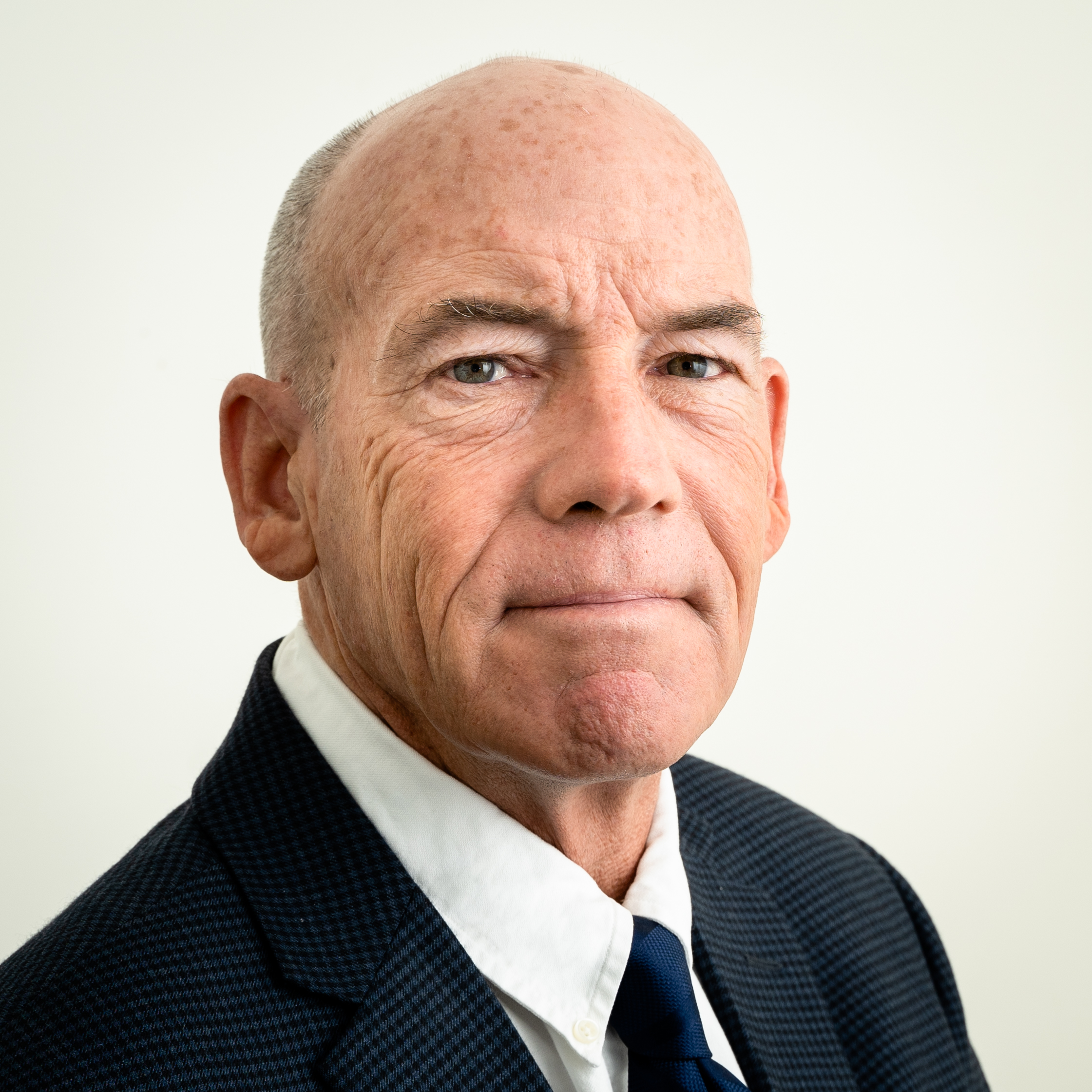
HOUSTON—The 800-ship bottleneck in the Strait of Hormuz that is devastating the global economy has made it “more clear than ever” that the United States needs more infrastructure of every type, especially more pipeline infrastructure, the United States’ lead energy regulator said on March 26.
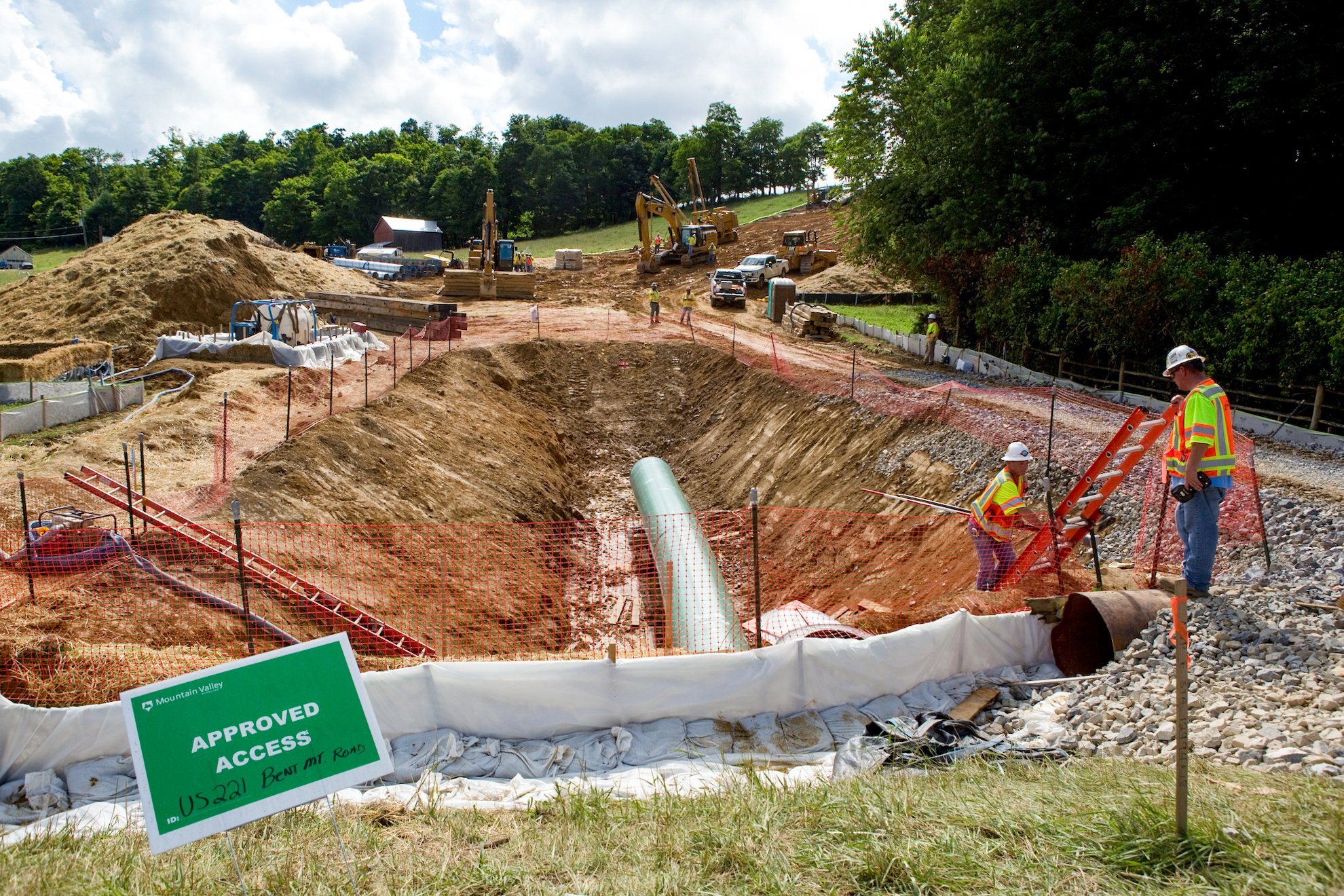
Federal Energy Regulatory Commission (FERC) Chair Laura Swett told reporters at a press conference at CERAWeek by S&P Global at the Hilton Americas-Houston that streamlining and accelerating approvals for pipeline development is a priority under President Donald Trump’s January 2025 National Energy Emergency executive order.
But because 20 percent of the world’s daily supply of crude oil and liquefied natural gas (LNG) has been locked inside the Persian Gulf since the United States and Israel started Operation Epic Fury on Feb. 28, there’s added urgency in building pipeline capacity to move more natural gas from wells to the electricity grid and liquefaction plants for export.
Iran’s devastation of Qatar’s energy infrastructure in a March 18 ballistic missile strike crippled its ability to export LNG. It could take five years to restore production to the level it was at in February 2026, according to state-owned QatarEnergy.
Qatar is the world’s second-largest LNG exporter, supplying nearly 20 percent of global demand. About 90 percent of Qatari LNG is purchased by buyers in Asia, including China, South Korea, Japan, India, and Pakistan.
The United States is the world’s largest LNG exporter, supplying 25 percent of global consumption. Nearly 70 percent is shipped to buyers in Europe, and Japan and South Korea are also top importers.
“The United States is literally powering the world right now with our LNG,” Swett said. “LNG is so important, and that is a huge priority for me, to ensure that FERC is more efficient in the way that we look at things.”
The primary physical restraint on domestic natural gas and LNG production is a lack of “spare capacity” within the nation’s 3.3 million-mile pipeline network to expand.
And the U.S. industry cannot dramatically scale up LNG exports in response to the crisis. There are eight U.S. LNG export terminals, all on the Gulf and east coasts: four in Louisiana, two in Texas, and one each in Georgia and Maryland. A ninth—ExxonMobil’s Golden Pass on the Texas side of Sabine Pass—began liquifying natural gas in February and will begin shipping soon.
Expanding natural gas pipeline capacity to meet dramatically increasing electricity demand was already urgent, Swett said, but the Iran war has made it imperative.
She said the commission is examining what it calls a “blanket certificate” for three “existing projects that can expand or make revisions or take actions without having to come to FERC to go through a full-blown application process.”
The blanket certificate is related to environmental effects that have already been assessed.
“We are very carefully looking at what we can responsibly do under the law to make those processes streamlined for companies to get the energy into the grid and to our allies as quickly as possible,” Swett said.
She said the commission will also act within 30 days on Energy Secretary Chris Wright’s March 13 order directing Sable Offshore Corp. to restore operations of the Santa Ynez Unit and Santa Ynez Pipeline System under the Defense Production Act, preempting California regulations “that have left the region and U.S. military forces dependent on foreign oil.”
The order has drawn praise from industry members and advocates, including the Center for American Prosperity & Energy, which called it “a necessary and timely step to strengthen America’s energy security and economic resilience” in a March 25 statement.
“At a moment when global supply chains remain vulnerable—including disruptions tied to instability in critical transit chokepoints such as the Strait of Hormuz—ensuring reliable domestic energy production is not optional; it is a core national priority,” the center said.
California is challenging the order in a lawsuit, claiming that the federal government has jurisdiction over only interstate pipelines.
Swett said she understands the logic of California’s legal argument and is leery of expanding federal regulation in areas the Constitution allocates to states.