
The state of California sued the Trump administration on March 23 over an order requiring Texas-based oil company Sable Offshore Corp. to restart operations of two onshore oil pipelines in the state.
The Santa Ynez Unit and Pipeline System near Santa Barbara were shut down in 2015 after a pipeline ruptured near Refugio State Beach, spilling more than 100,000 gallons of oil, according to the National Oceanic and Atmospheric Administration.
Energy Secretary Chris Wright issued an order on March 13 directing Sable Offshore to restore the onshore oil pipelines in an effort to address supply disruption risks that have “left the region and U.S. military forces dependent on foreign oil.”
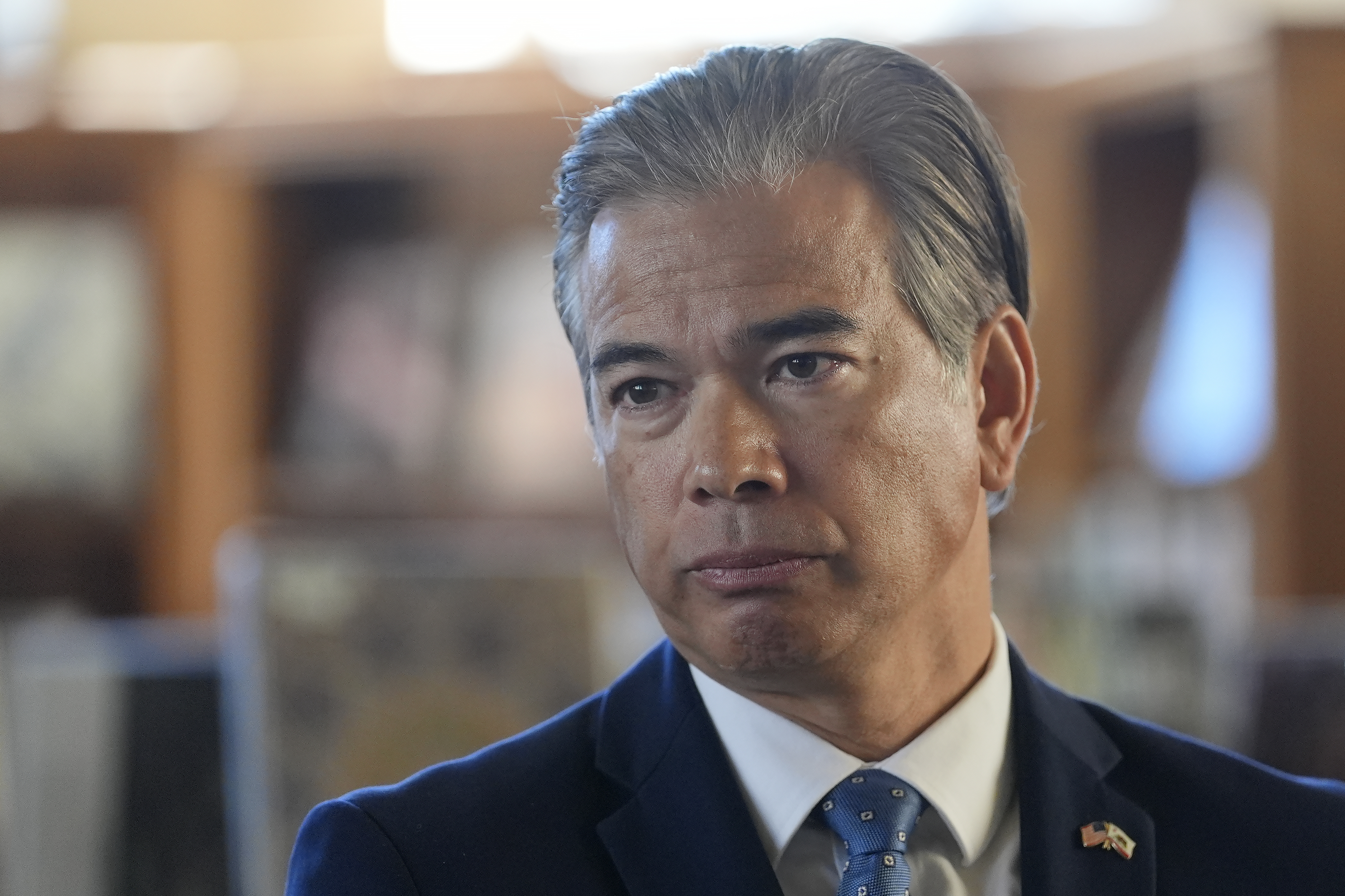
California Attorney General Rob Bonta filed a lawsuit on behalf of the state on March 23, arguing that the Defense Production Act does not give Wright the authority to override state laws.
Bonta alleged that Wright’s order violates the Administrative Procedure Act and infringes on California’s sovereign power.
“California has seen first-hand the devastating environmental and public health impacts of these pipelines rupturing, and there are court-ordered legal requirements in place to ensure that it doesn’t happen again,” Bonta said in a statement. “We won’t let this outrageous federal overreach go without a fight.”
In the complaint, Bonta said the department had claimed that restarting the Sable Offshore facility was necessary to promote national defense and to “maximize domestic energy supplies.”
The state, however, dismissed that justification as “patently unreasoned” as it viewed that “there is no actual shortage of crude oil in the United States” despite rising oil prices driven by the ongoing war in Iran.
The Sable Offshore facility can produce up to 50,000 barrels of oil per day, contributing only “a fraction of a percent” to the domestic energy market, according to the filing.
It stated that the incremental oil production ordered by the department would “neither address a shortage (because there is none) nor lower the cost of crude oil in the United States (because this miniscule incremental production would not have an impact on the global price of oil).”
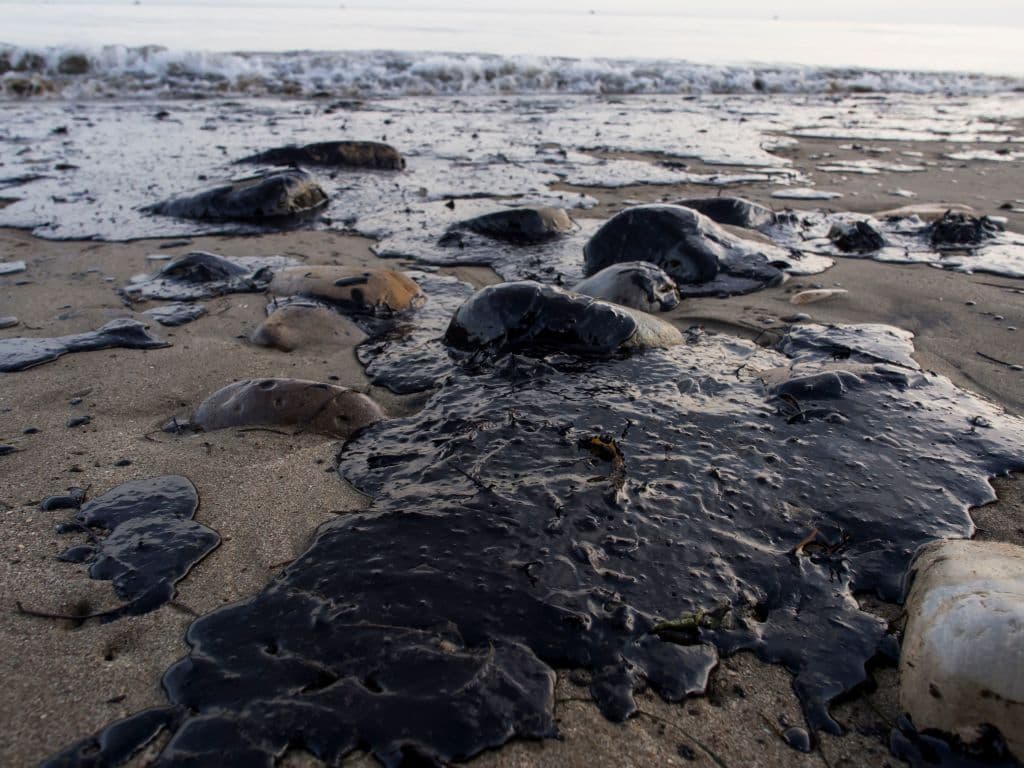
Oil covers rocks and sand at Refugio State Beach in Goleta, Calif., on May 19, 2015. (Robyn Beck/AFP via Getty Images)
The state requested that the court declare Wright’s order unlawful, vacate the directive, and block the department from authorizing the restoration of the Santa Ynez Unit and Pipeline System.
In an emailed statement to The Epoch Times, a spokesperson from the Energy Department defended the order and urged California leaders to “stop prioritizing political agendas over America’s energy security.”
“Despite being home to more than 30 military installations, California has adopted policies that have left our forces—and $4.1 trillion of our nation’s GDP—dependent on imported oil. This is an untenable threat to our national security, especially in a time of military conflict,” the spokesperson said.
“Instead of correcting these self-inflicted vulnerabilities, California leaders are attempting to block the Secretary’s efforts to restart critical infrastructure and strengthen domestic energy production.”
According to the Energy Department, the Sable Offshore facility has the capacity to replace nearly 1.5 million barrels of foreign crude each month.
The department said California once accounted for nearly 40 percent of the nation’s oil production, but now more than 60 percent of the oil refined in the state comes from overseas, including through the Strait of Hormuz, because of what it called “radical state policies” targeting reliable energy sources.
“Unlike other regions of the country, California remains largely disconnected from interstate crude pipelines that move American oil to refineries across the United States,” it said in a March 13 statement.
Sable Offshore said on March 14 that it had resumed transporting oil from Las Flores Canyon to Pentland Station, with federal safety regulators present to observe the process.
The move came amid disruptions to shipping through the Strait of Hormuz, a vital maritime chokepoint for global oil and gas shipments, in the wake of U.S.–Israeli military operations against Iran that began on Feb. 28.
Tehran has retaliated with missile and drone strikes on Israel and U.S. military assets and targets across Gulf nations.