News
Unlocking the Brain’s Resilience: Natural Therapies That May Slow Dementia
Comments
Link successfully copied
(Ilona Kozhevnikova/Shutterstock)
By Leo Cheung and JoJo Novaes
12/13/2025Updated: 12/13/2025

A dementia patient, wheeled into the clinic by a caregiver, was initially unresponsive, ignoring conversations and avoiding eye contact. After treatment with Chinese herbal medicine and acupuncture, he showed promising progress: his gaze began tracking the acupuncturist’s movements, and he rose from his wheelchair to open a door. Though modest, these improvements filled his family with joy.

Another patient, struggling with unclear speech due to damage in the brain’s language area, experienced stabilization of their condition following acupuncture. Recently, the patient’s speech and pronunciation have also become markedly clearer.

Wu Hung-chien, director of Yi-Sheng Chinese Medicine Clinic in Taiwan, treated these cases and shared his insights on the “Health 1+1” program on NTD, a sister media outlet of The Epoch Times. Wu said that early detection of dementia symptoms, combined with dietary therapy, massage, and acupuncture, can significantly slow brain degeneration.

3 Causes of Dementia Through the TCM Lens


From a Western medical perspective, common causes of dementia include neurodegenerative diseases, such as Alzheimer’s disease and vascular dementia, such as that resulting from a stroke. From a traditional Chinese medicine (TCM) perspective, Wu categorizes the common constitutional causes of dementia into three types:

  1. Kidney Deficiency: The kidney energy system governs bones, bone marrow, and the brain. Kidney deficiency leads to “empty brain marrow,” in which nerve cells lack nourishment, potentially leading to degeneration.

  2. Phlegm-Dampness: TCM describes the accumulation of abnormal metabolic waste as phlegm-dampness, similar to the brain plaques noted in Western medicine, which impair brain function.

  3. Blood Stasis: Associated with conditions such as the “three highs” (hypertension, hyperglycemia, hyperlipidemia) and metabolic syndrome, poor blood circulation results in insufficient blood supply to the brain, hindering repair and waste elimination, thus contributing to dementia.


To prevent dementia, Wu has developed two approaches—massage and a nourishing herbal decoction—to address and improve these three constitutional imbalances.

Brain-Boosting Egg Recipe


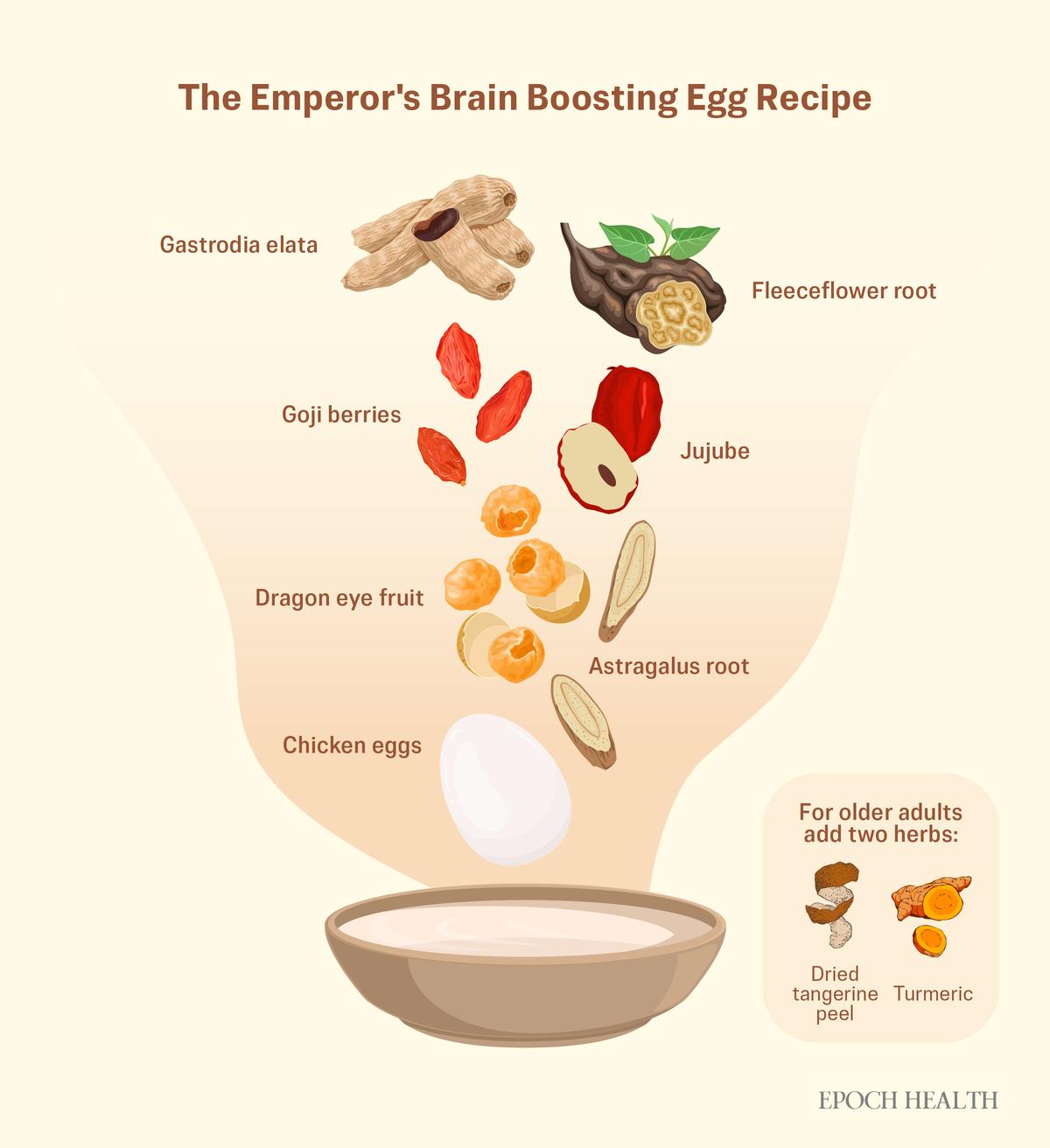
Wu introduced the “emperor’s brain-boosting” egg recipe, suitable for all ages, which supports brain development in children, brain repair in adults, and delays aging.

Ingredients


  • 10 grams tianma (Gastrodia elata)

  • 10 grams He Shou Wu (Polygonum multiflorum)

  • 10 grams goji berries

  • 8 red dates (jujube)

  • 10 grams longan (dragon eye fruit)

  • 10 grams huang qi (Astragalus root)

  • 4 whole chicken eggs

  • 27 ounces water


(The Epoch Times)

(The Epoch Times)

Preparation


  1. Rinse herbs and eggs thoroughly. Place them in a ceramic or glass pot with water and bring to a boil. Note: Avoid metal pots, as they may react with the herbs.

  2. Reduce heat and simmer for seven to eight minutes, then remove and peel the eggs.

  3. Continue simmering herbs for 20 minutes, then add the peeled eggs back to the pot. The dish is now ready to serve.


Note: For older adults, add 10 grams of dried tangerine peel (chen pi) and 5 grams of turmeric (jiang huang).

Benefits


  • Eggs: Contain lecithin and DHA, promoting brain health.

  • Astragalus Root: Boosts qi (vital energy).

  • Dried Longan and Red Dates: Nourish blood.

  • Goji Berries: Support kidney function and benefit eye health.

  • He Shou Wu: A renowned herb for nourishing the kidneys and promoting healthy hair, delivering effects to the hair and brain.

  • Gastrodia elata: A classical brain-enhancing herb. Modern research has found that it can alleviate depression and anxiety, protect nerve cells, improve memory, and support cardiovascular and brain health.


Tangerine peel enhances the effect of resolving phlegm-dampness, while turmeric promotes blood circulation and has anti-inflammatory properties. However, Wu said that those with kidney disease should consult a doctor before taking turmeric.

In patients with Alzheimer’s disease, human clinical trials have not demonstrated the effectiveness of orally administered natural curcumin, primarily due to its low bioavailability. However, animal studies suggest that curcumin may enhance the anti-inflammatory and neuroprotective properties of stem cell-derived exosomes. Those findings may offer a potential solution for future Alzheimer’s treatments.

Acupuncture and Massage to Promote Brain Health


Wu uses acupuncture to treat dementia patients with notable success. A recent review published in Complementary Therapies in Medicine found that acupuncture improved cognitive function by inhibiting neuroinflammation through the suppression of activated microglia and astrocytes and by modulating pro- and anti-inflammatory cytokines. It also reduced β-amyloid deposition, supporting its therapeutic potential in Alzheimer’s disease treatment.

In addition to professional acupuncture, self-massage of the head and ears can also promote blood circulation in the brain, helping to prevent dementia.

1. Head Massage


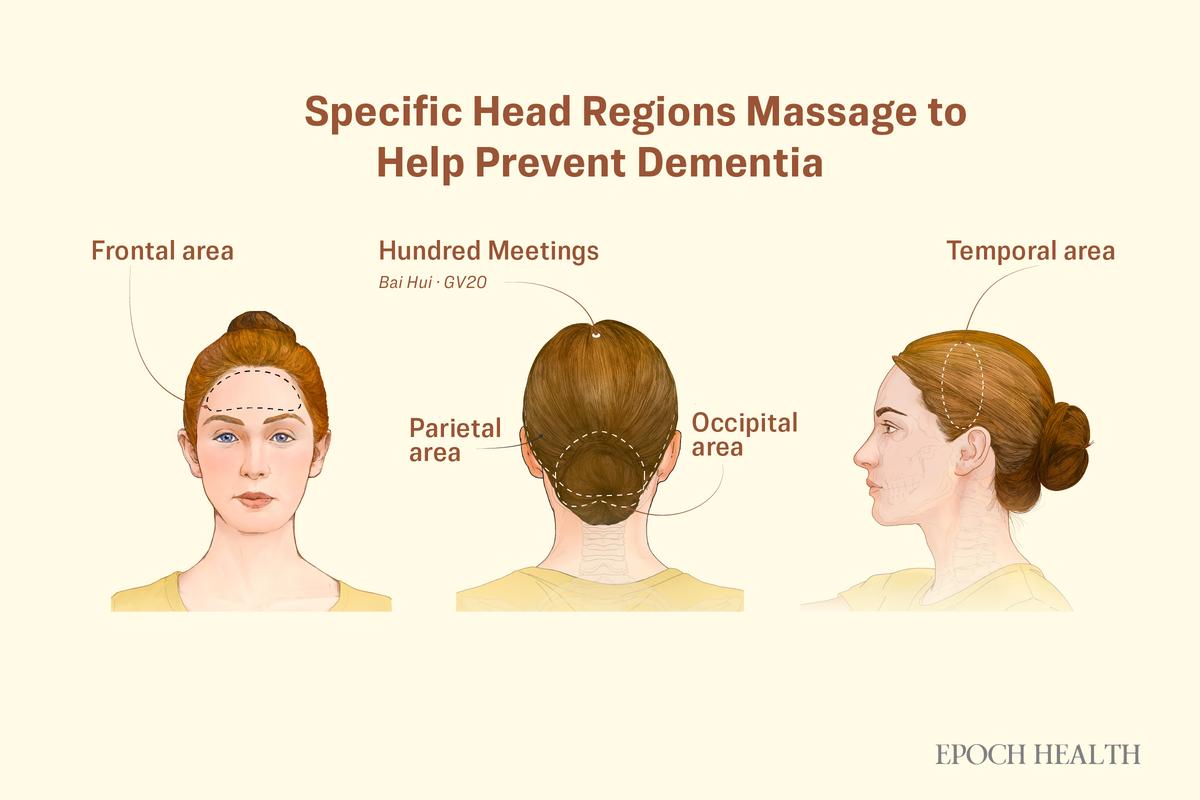
Wu suggests daily massage of five critical head regions to support brain health:

  1. The center of the forehead at the hairline

  2. The Baihui point at the crown of the head

  3. The areas above both ears

  4. The cerebellar region below the occipital protrusion at the back of the skull

  5. The temporal area on the side of the head

(The Epoch Times)

(The Epoch Times)

Massage Method: Using a round-toothed comb or massager made of wood or bamboo, tap or comb areas of the head. Start from the front of the head and move to the back, then reverse from back to front. This massage can be done daily after bathing, before bedtime, or upon waking.

2.  Ear Massage


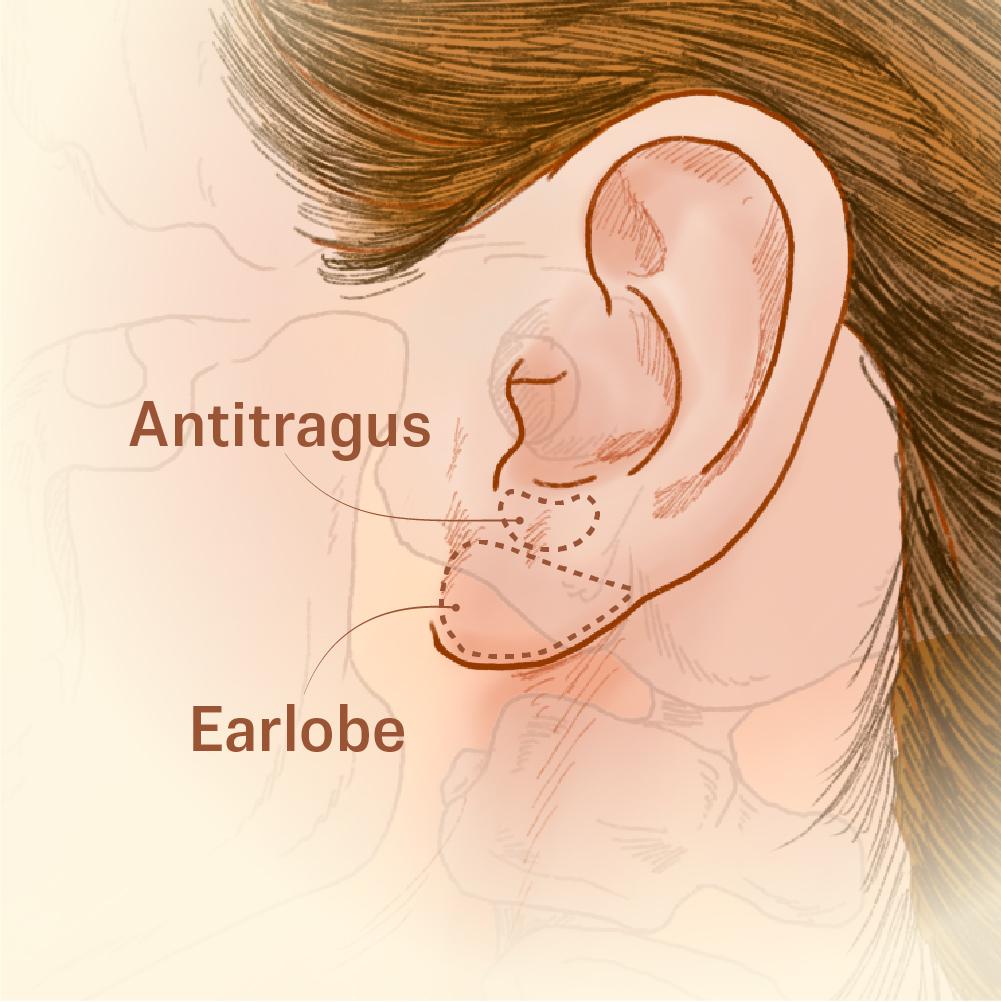
The ear massage focuses on two areas: the antitragus (the small, pointed eminence of the external ear), which represents the brain, and the earlobe, which represents the head and face.
(The Epoch Times)

(The Epoch Times)

Massage Method: Place the index finger over the antitragus and the middle finger over the earlobe, with the thumb positioned behind the ear. Rub in a clockwise or counterclockwise motion. This can be done while watching TV, reading, or combined with a head massage to save time.

Who Is at Higher Risk of Dementia?


Wu noted that certain types of people are more susceptible to dementia and should take proactive preventive measures. These include older adults, women, and those with:

  • A family history of dementia

  • Hypertension, hyperglycemia, hyperlipidemia, or cardiovascular disease

  • A history of head trauma

  • Neurodegenerative brain diseases

  • Chronic insomnia or poor sleep quality

  • Depression

  • Obesity

  • Alcohol dependence


Research indicates that women aged 45 and older face double the risk of developing Alzheimer’s disease compared to men of the same age. This disparity may stem from men with elevated dementia risk being more prone to earlier mortality from cardiovascular diseases. In contrast, women, with longer life expectancies, are more likely to reach the age at which dementia manifests.

Lifestyle Habits That Protect the Brain


Adopting healthy lifestyle habits can significantly lower the risk of dementia, Wu said, suggesting that older adults should maintain three activities: physical movement, social interaction, and mental stimulation.


For physical activity, seniors are recommended to walk 5,000 to 7,000 steps a day. Regarding social interaction, it is advisable to engage in more conversations with people and spend less time watching TV or using mobile phones.

Furthermore, it is essential to keep the brain active through various means, such as playing mentally stimulating games like bridge or chess, or engaging in activities like financial planning.

In terms of diet, Wu suggested the Mediterranean diet, which is based on the traditional eating habits of countries around the Mediterranean Sea. The Mediterranean diet is rich in antioxidant-packed fruits and vegetables and healthy fats, which help prevent high blood pressure, high blood sugar, high cholesterol, and metabolic syndrome.

By addressing these risk factors, the Mediterranean diet can help lower the risk of developing dementia. A study published in Nature Medicine found that adherence to the Mediterranean diet can help prevent Alzheimer’s disease, particularly for those with a high genetic risk.

Maintaining a healthy weight is also vital for dementia prevention. Research indicates that people with a body mass index (BMI)—a measure of body weight relative to height—of 30 or higher at age 50 have a 93 percent higher risk of developing dementia than those with a healthy BMI of 18.5 to 24.9.

Dementia can feel like an inevitable decline, but both TCM and modern research point to a hopeful truth: the brain is far more adaptable than we once believed. Through herbal nourishment, improved circulation, acupuncture, daily massage, and a lifestyle that keeps the body and mind active, many people can slow the progression of cognitive decline—and in some cases, reclaim meaningful abilities. While no single approach is a cure, integrating the strengths of Eastern and Western medicine offers a powerful path toward preserving clarity, independence, and quality of life for years to come.

Share This Article:
Jojo is the host of Health 1+1. Health 1+1 is the most authoritative Chinese medical and health information platform overseas. Every Tuesday to Saturday from 9:00 a.m. to 10:00 a.m. EST on TV and online, the program covers the latest on the coronavirus, prevention, treatment, scientific research and policy, as well as cancer, chronic illness, emotional and spiritual health, immunity, health insurance, and other aspects to provide people with reliable and considerate care and help. Online: EpochTimes.com/Health TV: NTDTV.com/live

©2023-2025 California Insider All Rights Reserved. California Insider is a part of Epoch Media Group.