
News
Missed Your Dental Cleanings? The Hidden Risks Are More Serious Than You Think
Comments
Link successfully copied
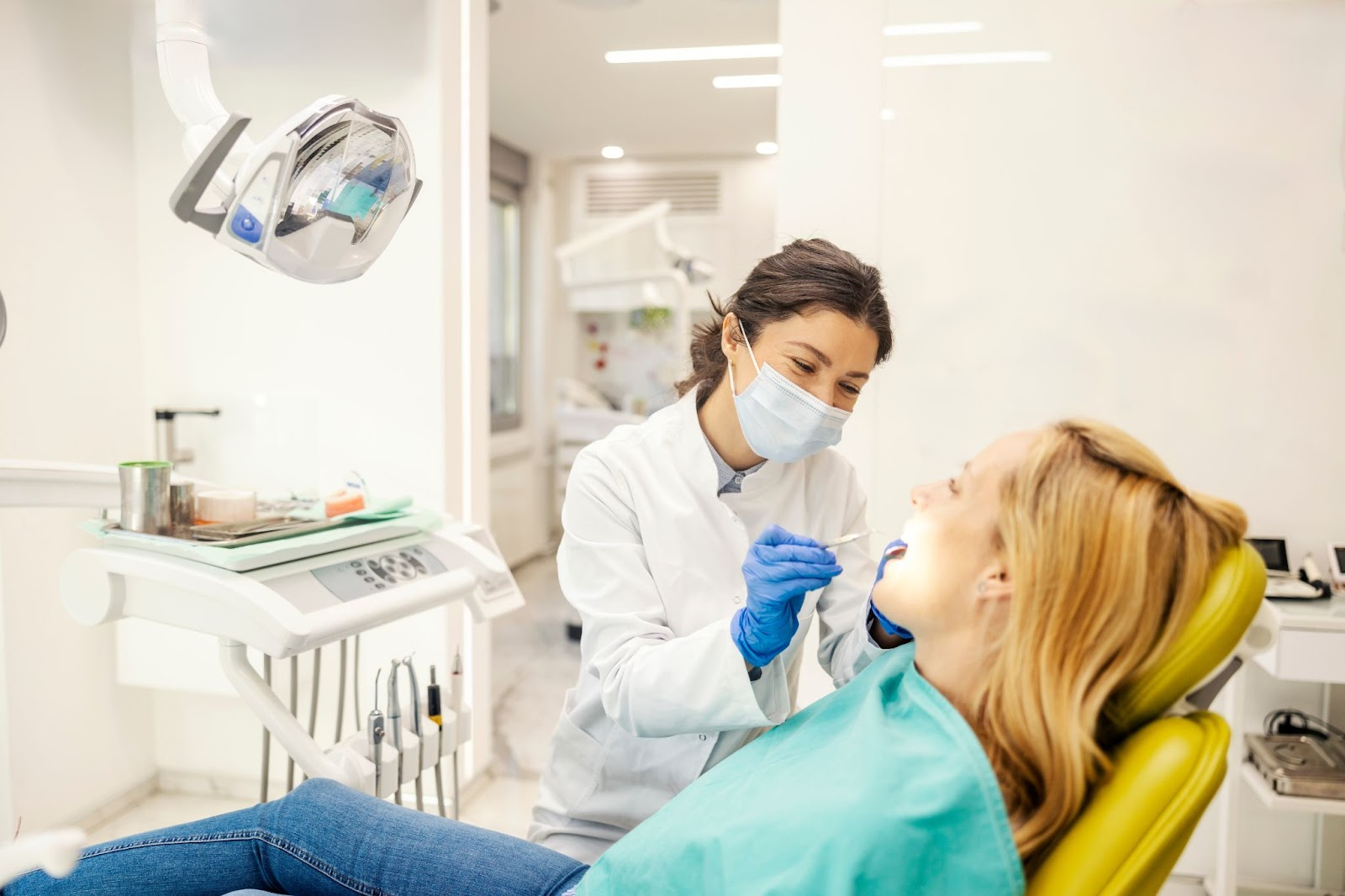
(Dusan Petkovic/Shutterstock)
By JoJo Novaes and Connie Lai
12/5/2025Updated: 12/5/2025

Pain is often the last sign that something is wrong with your teeth—not the first. After the pandemic, Dr. Yuan Chia-hung, clinical assistant professor at the New York University College of Dentistry, noticed a wave of patients returning only when their teeth were loose or unbearably painful. “Dental problems grow silently,” he said on NTDTV’s “Health 1+1” program. “By the time it hurts, the damage is usually advanced.”

Cavities that look “normal,” tartar you can’t see, and gum disease that causes no pain can all quietly progress until the jawbone itself begins to shrink. That is why, Yuan noted, regular dental cleanings are not cosmetic—they are essential to protecting your teeth, bones, and even your heart health.

Regular Checkups Are Your First Line of Defense


Dental issues rarely announce themselves early. Cracks, hidden cavities, and tartar buildup often develop with no obvious symptoms. Even tooth color can be misleading—many early cavities appear white and blend in with healthy enamel.

Yuan recommends twice-yearly dental checkups and cleanings starting at age 4. Six months is the longest you want to wait between professional dental cleanings, he said. After this point, the excessive buildup of plaque and tartar is likely to cause irreversible harm, first damaging your gums and then the supporting jawbone.

These visits protect more than teeth. Periodontal bacteria are linked to inflammation, high blood pressure, and cardiovascular disease. A study in Taiwan found that middle-aged people who regularly cleaned their teeth had a lower risk of cerebral hemorrhage and high blood pressure than those who did not. The protective effect was particularly significant for men, whose risk was reduced by 57 percent.

Tartar Triggers Irreversible Bone Loss


While brushing and flossing remove about 90 percent of plaque, the remaining 10 percent still accumulates over time. Mixed with calcium ions in saliva, it calcifies into tartar, a hard substance you cannot remove on your own.

As tartar grows, it compresses gum tissue, causing bleeding and receding gums. In severe cases, it can put pressure on the jawbone, leading to irreversible bone shrinkage.

“The jawbone is extremely sensitive to tartar,” Yuan said. “When it senses dirt is approaching, it begins to shrink almost instantaneously. And once that happens, it can never recover.”

He compared our teeth to a tree, with the bone serving as its roots. “As the roots become increasingly exposed, the soil is washed away, causing the tree to fall. This is why teeth become loose or fall out.”

The 3 Stages of Periodontal Disease


Yuen noted that there are three stages of periodontal disease, each associated with its own symptoms:

  • Early Stage: There are no obvious symptoms, and many people are unaware they have periodontal disease. Poor dental care, such as inadequate brushing and flossing, allows small amounts of tartar to remain. As it grows, it begins to attack the gums and may cause mild bleeding or bad breath.

  • Intermediate Stage: Symptoms are still minimal. Tartar accumulates beneath the gums. Bad breath may worsen, but there is still no pain. Many patients are already in the intermediate-to-late stage when they begin to experience symptoms.

  • Advanced Stage: Damage becomes unmistakable. Alveolar bone inflammation develops, gums recede, and teeth begin to loosen or fall out. At this stage, tartar can erode the bone, causing pain and bleeding.


While periodontal disease cannot be completely cured, treatments are available to slow its progression.

Treatment Options: From Conservative to Surgical


Treatment approaches vary based on disease severity:

Deep Cleaning: Removes debris from under the gums. Anesthesia is required during the procedure, and painkillers or antibiotics may be recommended afterward.


Periodontal Surgery: Opens the gum to directly clean the tooth root and bone. Bone powder for a bone graft is sewn in before the procedure is complete.


Yuan noted that the success rate of surgery is not guaranteed, and the costs and time for recovery are high. Therefore, patients are usually advised to maintain good self-care at home. If they cannot do so, periodontal surgery is generally not recommended.

Missing Teeth? Understanding Your Options


If you have lost teeth, you can consider implants or dentures. If you are only missing a few teeth and your jawbone is strong, implants are an option, according to Yuan. If you have lost many teeth and do not have enough bone for implants, removable partial or full dentures may be necessary.

Partial or Full Dentures: Suitable when multiple teeth or bone volume are lost. They are more affordable, but chewing strength is reduced.


Dental Implants: Four to six implants can be placed to secure full dentures when conditions allow and provide more stable chewing functions.


Menopausal women often experience osteoporosis, a condition that makes bones weak and brittle, which may affect the stability of implants. Studies have shown that osteoporosis is a major risk factor for implant failure.

Taking osteoporosis medications is not recommended before dental implant procedures, as these drugs increase the risk of jaw osteonecrosis, or death of bone tissue.

Don’t Ignore Back Teeth: The Hidden Threat


Many people replace only the lost front teeth but neglect the back teeth. This can lead to malocclusion, or a “bad bite,” tilting of adjacent teeth, and even changes in facial structure.


Studies have linked molar loss to temporomandibular joint deformity. Missing teeth can also easily shift, making them more difficult to clean and worsening periodontal disease.

Yuen acknowledged that many people fear visiting the dentist, but modern technology has changed the experience. Painless teeth cleaning devices minimize discomfort, and pediatric dentists now use play and singing to help children relax, hoping to help them get used to dental visits and develop good oral-care habits.

“Good dental care isn’t just about saving teeth,” Yuan said. “It’s about protecting the bone and the body that support them.”

Share This Article:
Jojo is the host of Health 1+1. Health 1+1 is the most authoritative Chinese medical and health information platform overseas. Every Tuesday to Saturday from 9:00 a.m. to 10:00 a.m. EST on TV and online, the program covers the latest on the coronavirus, prevention, treatment, scientific research and policy, as well as cancer, chronic illness, emotional and spiritual health, immunity, health insurance, and other aspects to provide people with reliable and considerate care and help. Online: EpochTimes.com/Health TV: NTDTV.com/live

©2023-2025 California Insider All Rights Reserved. California Insider is a part of Epoch Media Group.