We are constantly surrounded by viruses and bacteria that pose a challenge to our health. Building a resilient immune system is thus vital. Traditional Chinese medicine (TCM) offers a time-honored and remarkably relevant approach to strengthening the body’s natural defenses.
Through antioxidant-rich foods, warming herbs that support the spleen and lungs, targeted acupressure that calms the nervous system, and restorative habits such as deep sleep and mindful movement, TCM builds a shield from within.
3 Layers of Inner Defense
Nikki Zhang Yu, a TCM practitioner and founder of Healthkey Group in New York, explains that “zhengqi,” or vital energy, is what modern medicine refers to as immunity.
When vital energy is abundant, it acts as a robust barrier, keeping viruses and pathogens at bay.
According to TCM, the body’s immune system is supported by three distinct lines of defense:
Shield 1: Wei Qi (Defensive energy)
Defensive energy represents the protective energy that resides in the skin and mucous membranes. This outer layer serves as the body’s first line of defense, guarding against harmful pathogens and external pathogenic influences, such as wind, cold, dampness, or heat.
Shield 2: Ying Qi (Nutritive energy)
Nutritive energy flows through the blood vessels and
meridians (energy pathways), playing a protective nourishing role in the body—similar to what modern science calls macrophages—key immune cells that fight infections.
Those with weak nutritive energy are prone to fatigue, a sallow complexion, and slower recovery from illness.
Shield 3: Organ Functions
The third layer of defense lies in the health of key organs such as the spleen, lungs, and kidneys.
In TCM, the spleen is linked to the digestive system—spleen deficiency results in poor digestion and weakened immunity. A deficiency in lung qi increases susceptibility to respiratory infections. The kidneys store “essence” (jing), which supports bone marrow and blood production, contributing to overall vitality and long-term immune strength. Modern medicine echoes this understanding. For example, kidneys secrete erythropoietin, which stimulates red blood cell production—critical for oxygen transport and immunity.
Meanwhile, the liver helps detoxify harmful substances and maintain immune balance by processing antigens and inflammatory signals.
3 Keys to Strengthening Immunity
Zhang emphasizes three key principles for boosting immunity: proper nutrition, adequate sleep, and regular exercise.
1. Dietary Therapy to Boost Immunity
The key to eating well is maintaining balanced nutrition and avoiding picky eating, particularly ensuring sufficient intake of protein, healthy fats, and dietary fiber. Zhang recommends a diet rich in vegetables and fruits to replenish vitamins, as well as essential trace elements like zinc and selenium, which are crucial for maintaining a strong immune system.
Appropriate use of pungent spices, such as garlic, can further enhance immunity. Research shows that garlic has antibacterial, anti-inflammatory, and immune-boosting properties that benefit the liver, kidneys, and organs of digestion, such as the stomach and intestines.
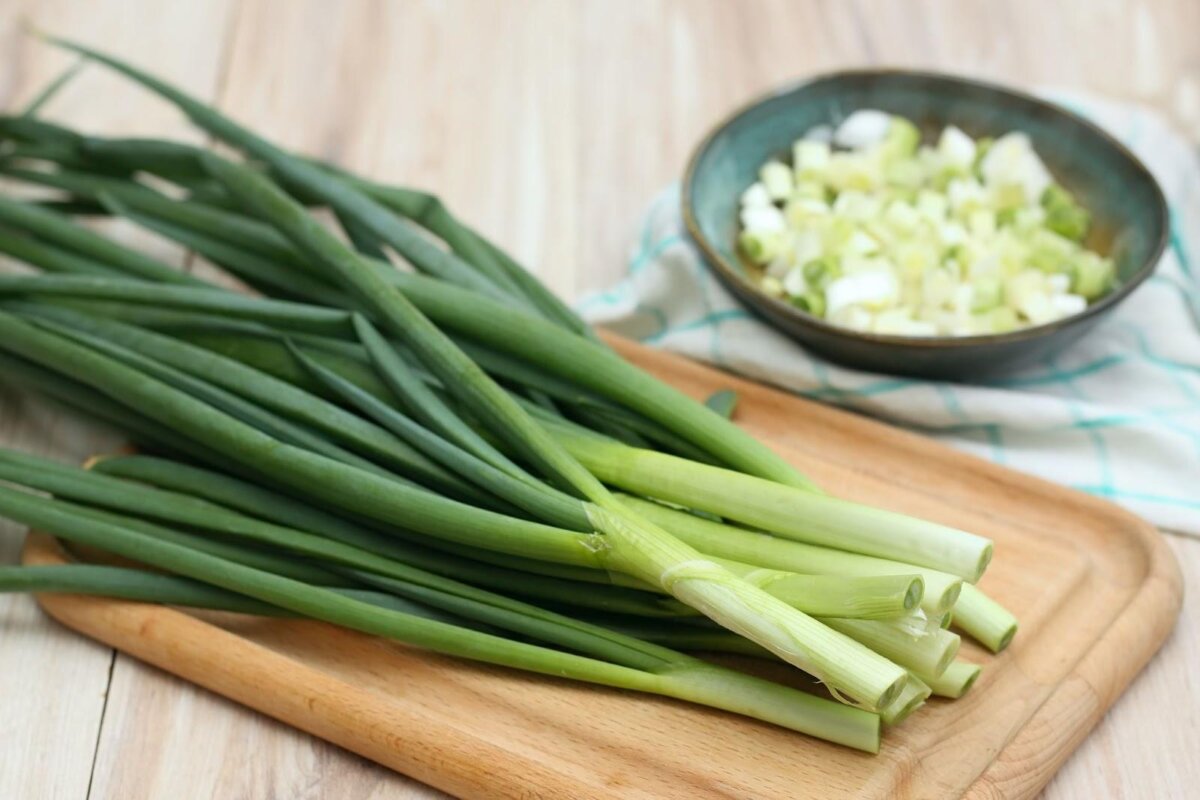
If the first line of defense—skin and mucous membranes, where Wei Qi functions—is breached, dietary therapy can serve as an emergency measure. Zhang suggests that at the onset of cold symptoms, such as feeling chilly, drinking brown sugar ginger water or scallion white soup can induce sweating and potentially alleviate symptoms.
Scallion White Soup
Ingredients
- 3 scallion whites (the white part at the base of a scallion)
- 500 ml water
Preparations
- Finely chop scallion whites
- Boil water, add scallion whites, and cook for one minute.
- Turn off the heat, steep for one minute, then remove scallion whites and drink the liquid.
For more severe symptoms, TCM practitioners may prescribe
yupingfeng powder (jade windscreen powder)—a classic TCM formula to strengthen lung qi and prevent or treat influenza. Zhang cautions that Chinese herbal medicine should be prescribed based on a TCM diagnosis, as taking herbs unsuited to one’s constitution may delay treatment or aggravate the condition.
Certain medicinal foods can improve organ functions. Zhang recommends:
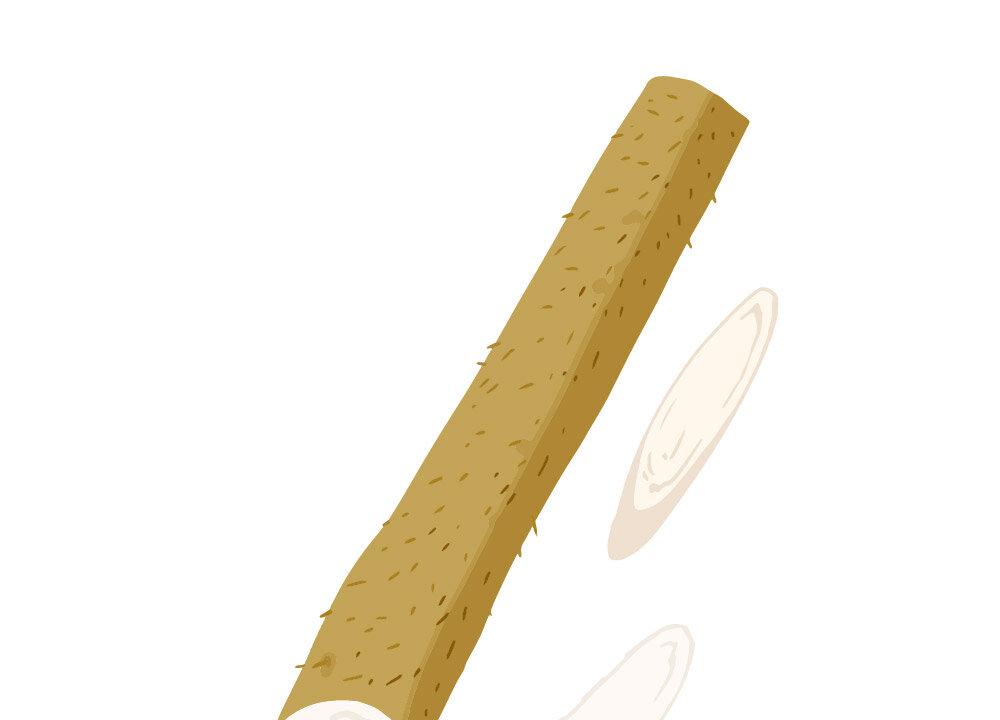
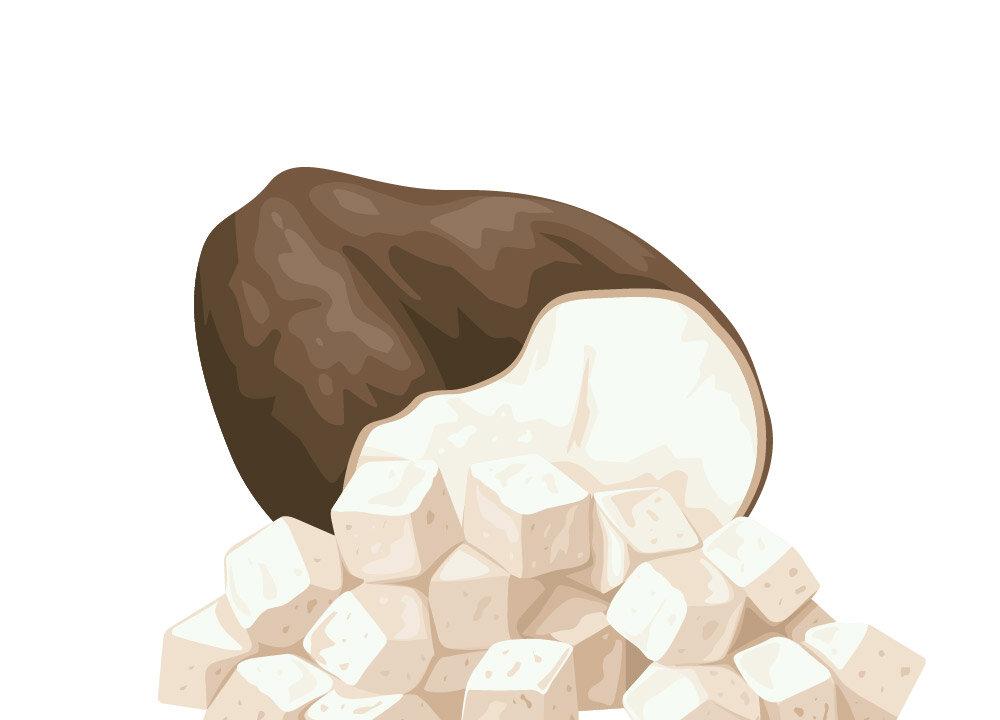
Chinese yam (huai shan), coix seeds (yi ren), and poria cocos (fu ling) nourish the spleen and stomach, improve digestion and absorption, and strengthen the digestive tract’s barrier function.
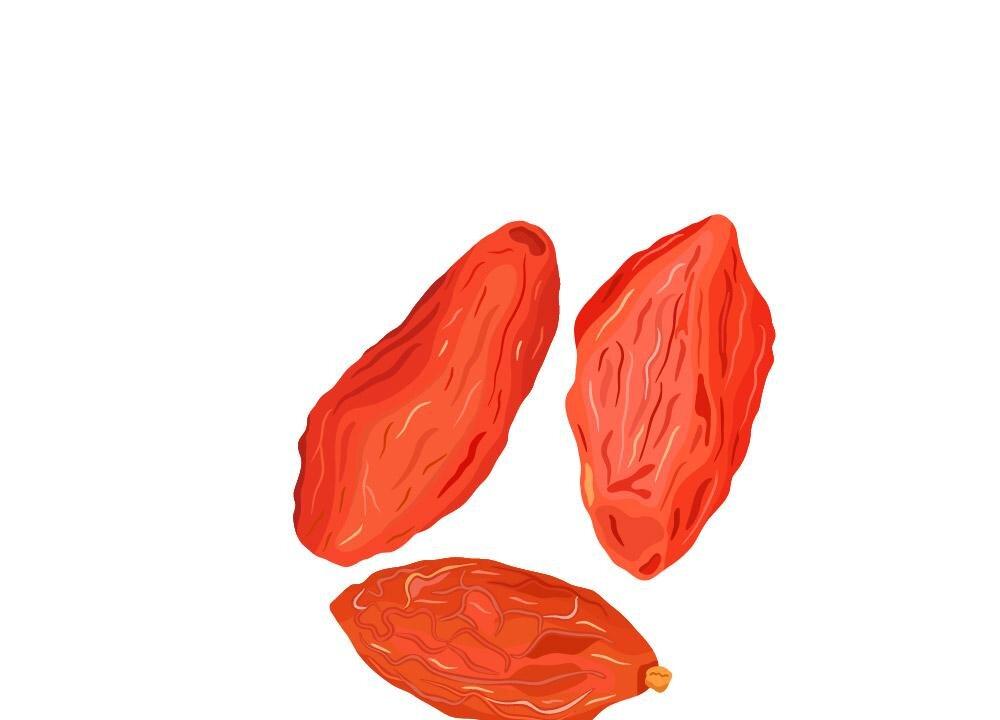
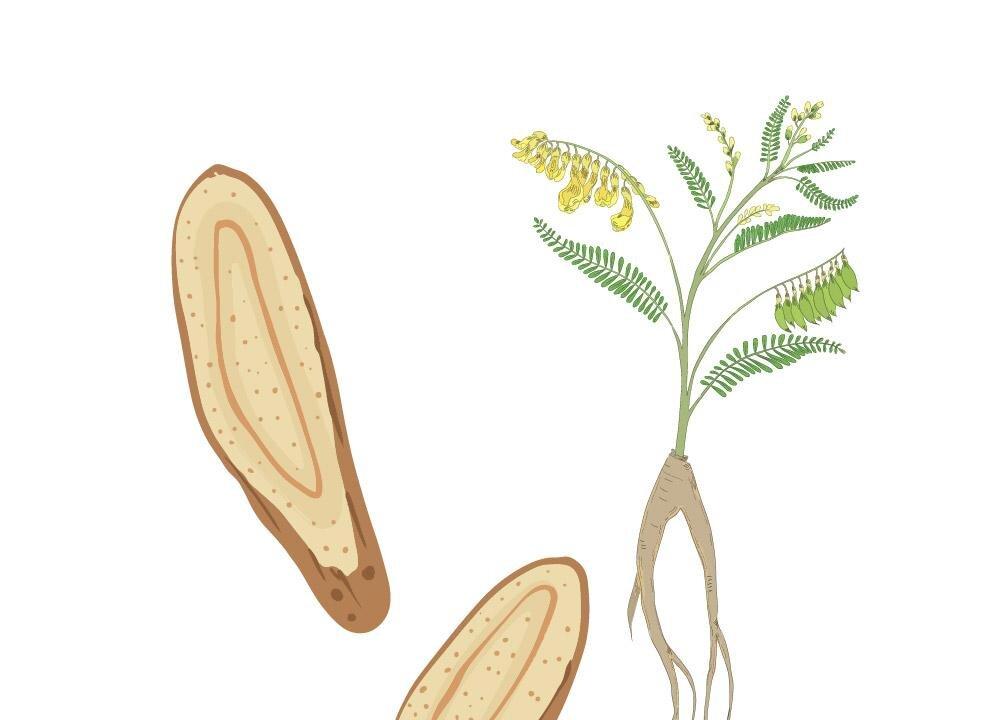
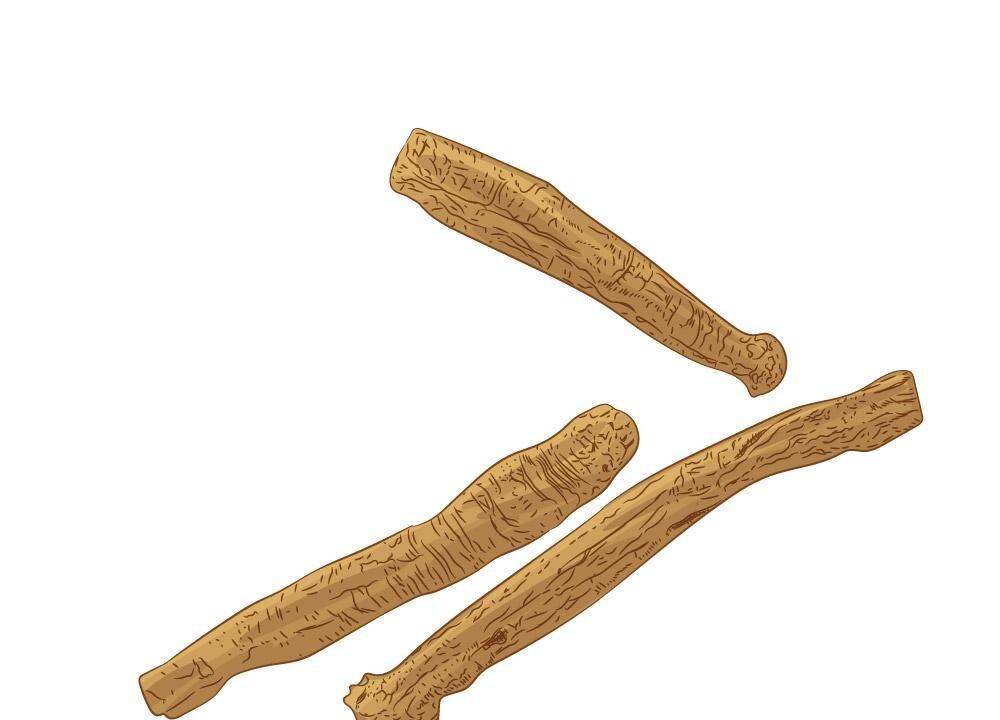
Goji berries (gou qi), astragalus (huang qi), and pilose asisabell root (dang shen) tonify the kidneys, enhance blood production, and support long-term immune system function.
In addition to diet, inadequate hydration can also impact immunity. Zhang reminds readers that water is the best beverage—one that other drinks cannot replace.
2. Acupressure Massage
In TCM, immunity encompasses more than white blood cells—it’s about the smooth flow of qi (vital energy), the balance of the nervous and endocrine systems, and the harmony of organ function. Certain acupressure points are believed to stimulate these systems and strengthen the body’s internal defense mechanisms.
Zhang said that acupressure can indirectly enhance immune function by improving sleep quality and calming the nervous system. Sleep is not only restorative—it’s also when the immune system resets. Studies have shown that chronic sleep deprivation impairs the production of immune cells and weakens the body’s ability to fight infection. Therefore, activating points that promote sleep and reduce stress can have a tangible impact on immune resilience.
Below are three acupoints that support the connections between deep rest, reduced stress, and stronger immunity.
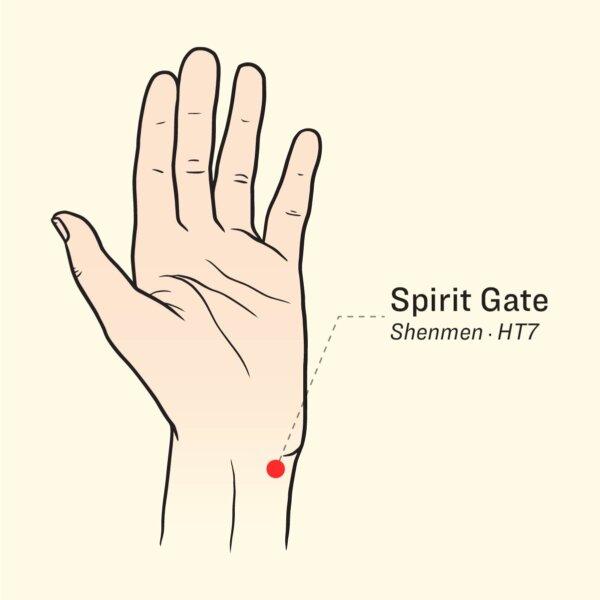
Shenmen acupoint (Spirit Gate)Location: Shenmen is located on the inner wrist crease with the palm facing up, where the pinky finger extends downward, in the depression on the inner side of the pisiform bone.
TCM function: Calms the mind, regulates heart qi, and promotes deep, restorative sleep. Quality sleep enhances the production of cytokines, antibodies, and other immune-modulating agents.
Method: Using your opposite thumb, gently press the acupoint for five seconds at a time. It is recommended to massage the point on both hands for 5 minutes each, morning and evening.
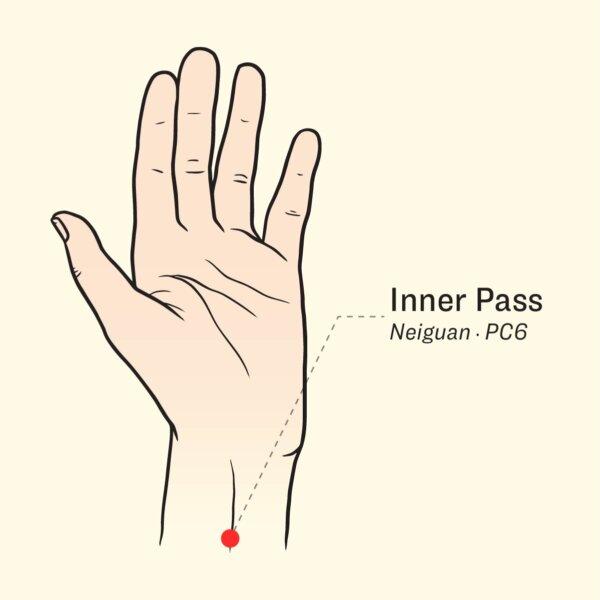
Neiguan acupoint (Inner Pass)
Location: Neiguan is located along the midline of the inner forearm, approximately 2.6 inches above the wrist crease—roughly the width of the index, middle, and ring fingers combined—between the two tendons.
TCM function: Regulates qi flow between the chest and abdomen, and calms the spirit. Stress and anxiety suppress immune activity. This point reduces stress-related symptoms such as palpitations and tightness, indirectly supporting immune health.
Method: Use the pad of your other hand’s thumb—not the nail—to gently press the acupoint for five seconds at a time. It is recommended to massage each hand for 5 minutes in the morning and evening.
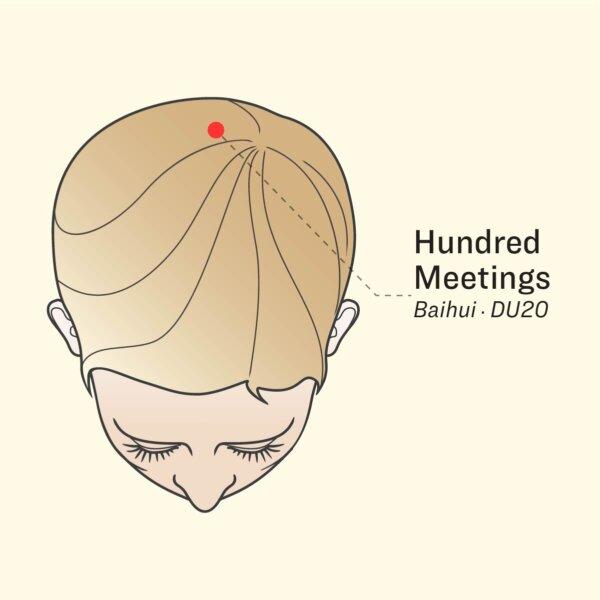
Baihui acupoint (Hundred Meetings)
Location: Baihui is located at the crown of the head, in the slight depression at the center, where a line drawn between the tips of both ears intersects.
TCM function: Harmonizes yang energy, clears the mind, and stabilizes the central nervous system. The central nervous system plays a vital role in regulating inflammation and immune response. This point helps restore balance and reduce overactivity in the stress response system.
Method: Make a fist and bend your thumb. Use the second joint of the thumb to press on the Baihui point, moving it in both forward and backward directions. Perform 10 presses as one cycle and repeat two or three cycles.
3. Moderate Exercise to Strengthen Immunity and Fitness
Engaging in moderate aerobic exercise—such as brisk walking, cycling, or swimming—two to three times per week for at least 20 minutes—can significantly enhance immune function and reduce the risk of acute respiratory infections. Moderate physical activity stimulates the circulation of immune cells, especially natural killer cells, neutrophils, and macrophages, which are essential for identifying and eliminating pathogens.
For older adults, incorporating light activities—such as walking or gentle stretching for five to 10 minutes every hour—has added benefits. These movements:
- Promote lymphatic circulation, which supports the removal of waste and pathogens
- Improve blood flow, delivering oxygen and nutrients critical to immune cell function
- Help regulate inflammation, which tends to rise with age and weakens immunity
- Support digestive health, indirectly benefiting gut-associated lymphoid tissue, a key part of immune defense
Zhang reminds readers that exercise should be done in moderation. If you’re feeling unwell or experiencing high levels of stress, overexertion may impede recovery. Listen to your body and avoid pushing beyond its limits during such times.
Supporting Lifestyle Tips for Immunity and Sleep
Zhang also recommends creating a nighttime routine that supports sleep and, by extension, immunity:
Avoid screen time before bed: Blue light suppresses melatonin, a hormone essential for sleep and immune function.
Clear the mind: Avoid stressful thoughts before bed, overactive mental activity can disturb the shen (spirit).
Take a warm bath or foot soak before sleep: Immersing your feet in warm water up to the calves helps draw energy downward, calms the nervous system, and promotes deep sleep—an essential foundation for a resilient immune system.
Note: While some of the herbs mentioned in TCM practices may be unfamiliar, many are readily available at health food stores or Asian grocery markets. These herbal remedies are designed to support general wellness. For personalized treatment based on your specific condition and constitution, please consult a qualified medical professional.