

News
This Ancient Oil Ritual Cleans the Scalp, Eases Stress, and Improves Sleep
Comments
Link successfully copied
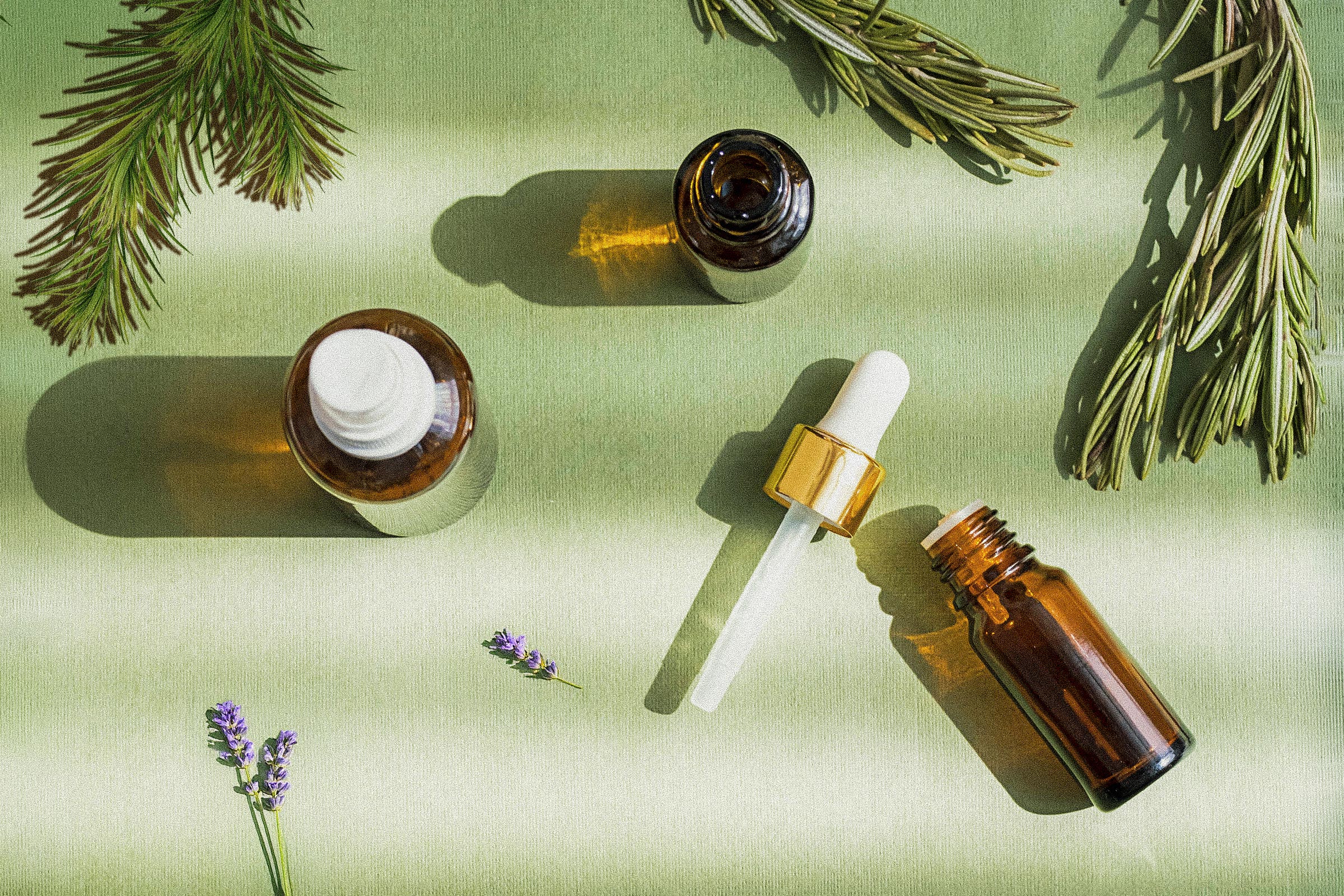
(Zhenny-zhenny/Shutterstock)
By JoJo Novaes and Arthur Zhang
2/24/2026Updated: 2/24/2026

After a long day’s work, why not treat yourself to the comfort of a spa-style bath using oils? Imagine applying massage oil to your fingertips and gently massaging your scalp with the calming, moist, woody scent of Atlantic cedarwood, feeling as if you’re walking into a forest after the rain, pacifying your body and mind. Beyond imagining, you can experience that right in your own home.

Oils help remove dirt and alleviate stress by penetrating the hair follicles during massage. After washing, your scalp will feel refreshed and breathable, and your hair roots naturally stand up. Your body relaxes, ushering in restorative sleep to regain energy for the next day.

Grace Tseng, a National Association for Holistic Aromatherapy Level II-certified aromatherapist, appeared on the “Health 1+1” program on NTD, a sister outlet of The Epoch Times. Using natural plant oils for “oil shampooing” and “oil bathing” can not only restore hair’s volume and strength but also provide deep relaxation and detoxification, she said.

Oil Dissolves Grease and Cleanses Hair Follicles


One might think that applying oil to the scalp will clog hair follicles. However, the core principle of oil shampooing is using oil to dissolve grease, Tseng said. Years of accumulated sebum and dirt in the scalp’s hair follicles are often difficult for ordinary shampoos to remove completely. High-quality cold-pressed plant oils penetrate and dissolve these wastes, allowing the hair follicles to breathe again.

After deep cleansing and moisturizing, the scalp becomes healthier, improving oily conditions year-round. For those experiencing increased hair loss due to stress, massaging the scalp with oil can also relieve stress.

“After a really exhausting day’s work, my scalp feels tight, or when my scalp feels stuffy in the summer, I use an oil shampoo,” Tseng said. “It leaves my hair feeling incredibly refreshed and comfortable, and it’s especially bouncy the next day. For a while, I was using an oil shampoo almost every week, and when I got a haircut, the stylist noticed my hair was growing faster than usual.”

Plant and Essential Oils for Shampooing


Tseng suggests the following plant and essential oils for an oil shampoo:

Plant Oils 


There are several base oils to choose from:

  • Cold-pressed extra virgin olive oil

  • Cold-pressed extra virgin coconut oil

  • Cold-pressed extra virgin sesame oil


Cold-pressed extra-virgin sesame oil has a milder scent, whereas cooking sesame oil is roasted and has a stronger aroma, making it less suitable for skincare and haircare.

Essential Oils for Oil Shampoo


By using just a few drops of essential oils, you can tailor the blend to address specific scalp concerns:

  • Rosemary: Promotes blood circulation and hair growth

  • Atlantic Cedarwood: Balances oil secretion and helps prevent hair loss

  • Tea Tree: Provides antibacterial support, controls oil, and reduces dandruff

  • True Lavender: Soothes redness, reduces swelling, and supports sensitive scalps

  • Peppermint: Cools the scalp, controls excess oil, and relieves itching, especially during summer


Research has shown that rosemary and cedarwood essential oils promote hair growth in animal models, with effects comparable to the hair growth agent minoxidil.

Further animal research found that peppermint essential oil can stimulate hair follicles to enter the growth phase, resulting in thicker, faster hair growth, surpassing minoxidil in effectiveness, without observed toxicity or side effects.

How to Wash Hair With Oil 


Tseng washes her hair with oil as follows:

  1. Prepare Massage Oil: Use 0.5 to 1 ounce of plant oil, adjusted based on hair length. The essential oil concentration is typically around 1 percent, equivalent to about two drops of essential oil per 0.5 ounce of plant oil.

  2. Apply the Oil: After sectioning the hair, apply the oil to the scalp with your fingertips. Focus on the scalp when washing your hair, ensuring it is completely covered with oil, or use a pointed bottle to squeeze the oil directly onto the scalp.

  3. Massage the Scalp: Insert your fingers deep into your hair and massage your scalp with your fingertips. You can also use a scalp massage comb.

  4. Condition the Hair: Apply any remaining oil to your hair as a conditioner.

  5. Let It Sit: Leave the oil on your scalp for 30 minutes if time allows.

  6. Wash It Out: Shampoo your hair one to two more times than usual to thoroughly cleanse the scalp of excess oil.


Oil Bath Dissolves Toxins


In addition to scalp care, Tseng also recommends a “deep detox oil bath.” In winter or when you are feeling stressed, apply a thick layer of plant oil to your entire body, including areas with high lymphatic density, such as the armpits, inner thighs, and chest. “On these areas of the body that we don’t usually touch and where blockage is especially severe, the oil scraped off is particularly dark!”

Oil baths help the body enter a state of deep relaxation, she said. Users report that their sleep quality significantly improves that night and that they experience a healthier bowel movement the next morning.

Recommended Essential Oils for Baths


Tseng recommends three essential oils suitable for all skin types to relax your mind and body while caring for your skin:

  • True Lavender: Promotes relaxation and balances oil secretion.

  • Frankincense: Supports antiaging, skin repair, anti-inflammatory effects, and immune function. Some studies have found that frankincense essential oil has anticancer properties.

  • Rose Geranium: Balances hormones and keeps skin moisturized. Clinical studies have found that the aroma of geranium essential oil can reduce pain, anxiety, and stress.


How to Prepare and Take an Oil Bath


Tseng suggests the following steps:

  1. Prepare the Oil: Prepare 1 to 3 ounces of massage oil. The essential oil concentration is usually around 1 percent, or about 20 drops of essential oil per 3 ounces of plant oil.

  2. Apply the Oil: Apply the oil over your entire body, including your face, ears, navel, nail crevices, soles of your feet, and scalp—if desired.

  3. Massage the Body: Massage yourself after applying the oil, then put on a bathrobe to keep warm and wait 20 minutes.

  4. Remove Excess Oil: Wipe off excess oil with a cloth or paper towels before entering the bath to prevent it from pouring down the drain. Oil solidifies when it contacts cold air, which can cause drain blockages. You can also pour a little baking soda into the drain to help prevent sticking.

  5. Wash It Off: Rinse the oil thoroughly with soap or shower gel after soaking in the bath.


Tseng emphasizes the importance of avoiding slips when using oil for a bath. Wear nonslip bathroom slippers, sit on a chair while showering, and thoroughly scrub the floor and slippers with baking soda and dish soap afterward to help prevent falls.

It is recommended to use oil for hair washing and oil bathing once or twice a week. You will usually feel very relaxed afterward, making it suitable for use before bed.

Precautions


Although oil washing and bathing are relaxing, they are not recommended for people with wounds, inflammation, or redness on the skin or scalp.

Pregnant women, children under 12, cancer patients, and patients with other chronic diseases should consult an aromatherapist or physician before using essential oils. If you are unsure whether essential oils are suitable, Tseng recommends using pure plant oils or herbal infusions for your oil bath.

Anyone can experience a few moments of restorative connection with their body amid the hustle and bustle of a busy daily routine by shampooing and bathing with oils.

Share This Article:
Jojo is the host of Health 1+1. Health 1+1 is the most authoritative Chinese medical and health information platform overseas. Every Tuesday to Saturday from 9:00 a.m. to 10:00 a.m. EST on TV and online, the program covers the latest on the coronavirus, prevention, treatment, scientific research and policy, as well as cancer, chronic illness, emotional and spiritual health, immunity, health insurance, and other aspects to provide people with reliable and considerate care and help. Online: EpochTimes.com/Health TV: NTDTV.com/live
Arthur Zhang is a veteran with a MA in History and National Security. He writes opinion articles for The Epoch Times.

©2023-2026 California Insider All Rights Reserved. California Insider is a part of Epoch Media Group.