
Top 6 Anti-Aging Superfoods
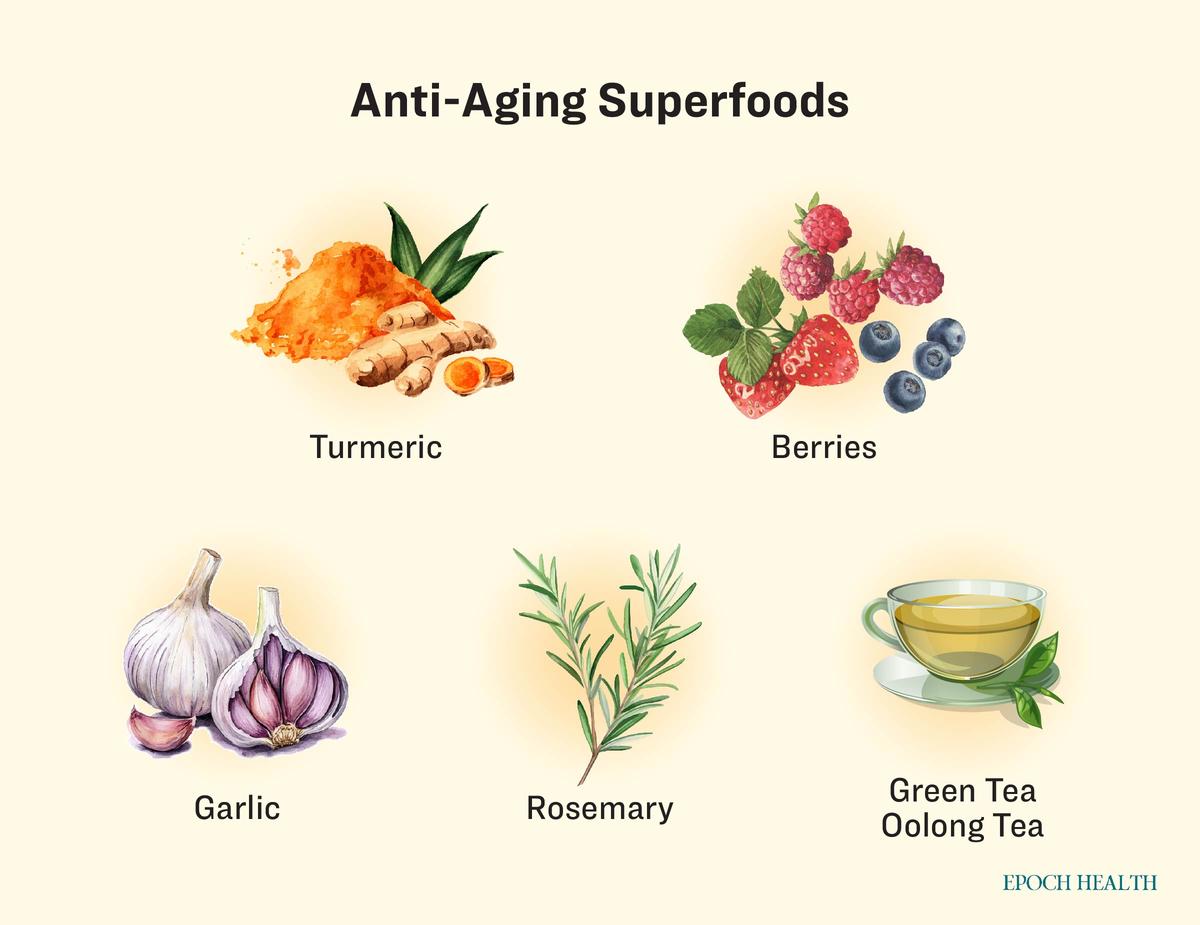
The study highlights six foods—turmeric, rosemary, garlic, berries, green tea, and oolong tea—that are rich in phytochemicals called methyl adaptogens. These compounds fine-tune DNA methylation, keeping genes in a healthy state and lowering disease risk. Each food also brings unique benefits:
- Turmeric: Packed with curcumin, a potent antioxidant and anti-inflammatory compound that supports liver health and is especially effective for improving nonalcoholic fatty liver disease.
- Berries: Loaded with anthocyanins and vitamin C, berries boast exceptional antioxidant power. Bilberries enhance eye health, grapes support cardiovascular wellness, and cranberries promote urinary tract health.
- Garlic: With antibacterial, antiviral, and immune-regulating properties, garlic strengthens overall health and helps manage conditions such as small intestinal bacterial overgrowth.
- Rosemary: Rich in rosmarinic acid, a powerful antioxidant and anti-inflammatory compound that can relieve headaches, stomach pain, nervous tension, and improve mood and memory.
- Green Tea and Oolong Tea: Both are rich in catechins and polyphenols, providing robust antioxidant and anti-inflammatory benefits.
- Chronic Sleep Deprivation and Late Nights: Regularly staying up late or insufficient sleep increases oxidative stress, which damages DNA and proteins, speeding up the aging process.
- Chronic Stress: Persistent stress contributes to bodily damage and accelerates the aging process.
- Lack of Exercise or Overexertion: A sedentary lifestyle or excessive exercise can increase oxidative stress, promoting premature aging.
- Foods High in Sugar: A diet high in sugar fuels glycation, generating harmful advanced glycation end-products that contribute to the aging process.
- Processed Foods: Often laden with nitrites and other carcinogenic substances, processed foods can harm cellular health and increase aging markers.
- Artificial Sweeteners: Disrupt the gut microbiome, potentially causing metabolic imbalances that contribute to aging.
- Nutrient-Dense: Rich in dietary fiber, vitamins, and minerals, they support overall wellness and vitality.
- Low-Glycemic Index: Helps maintain stable blood sugar levels, preventing spikes that can accelerate aging.
- Anti-Inflammatory Effects: Reduces inflammation, a major contributor to age-related diseases.
- Consistent Exercise: Tsai runs twice a week for an hour, alternating fast and slow paces to keep her metabolism humming. Whether it’s cardio or strength training, she recommends choosing an exercise you enjoy and can maintain consistently for long-term benefits.
- Clean, Light Eating: Even with frequent meals out, Tsai ensures home-cooked dishes are light and wholesome, allowing her body space to detoxify and rejuvenate.
- Stress Reduction: Chronic stress is a silent accelerator of aging. By scheduling time for relaxation and learning to adapt to stress, Tsai nurtures both mental and physical well-being.
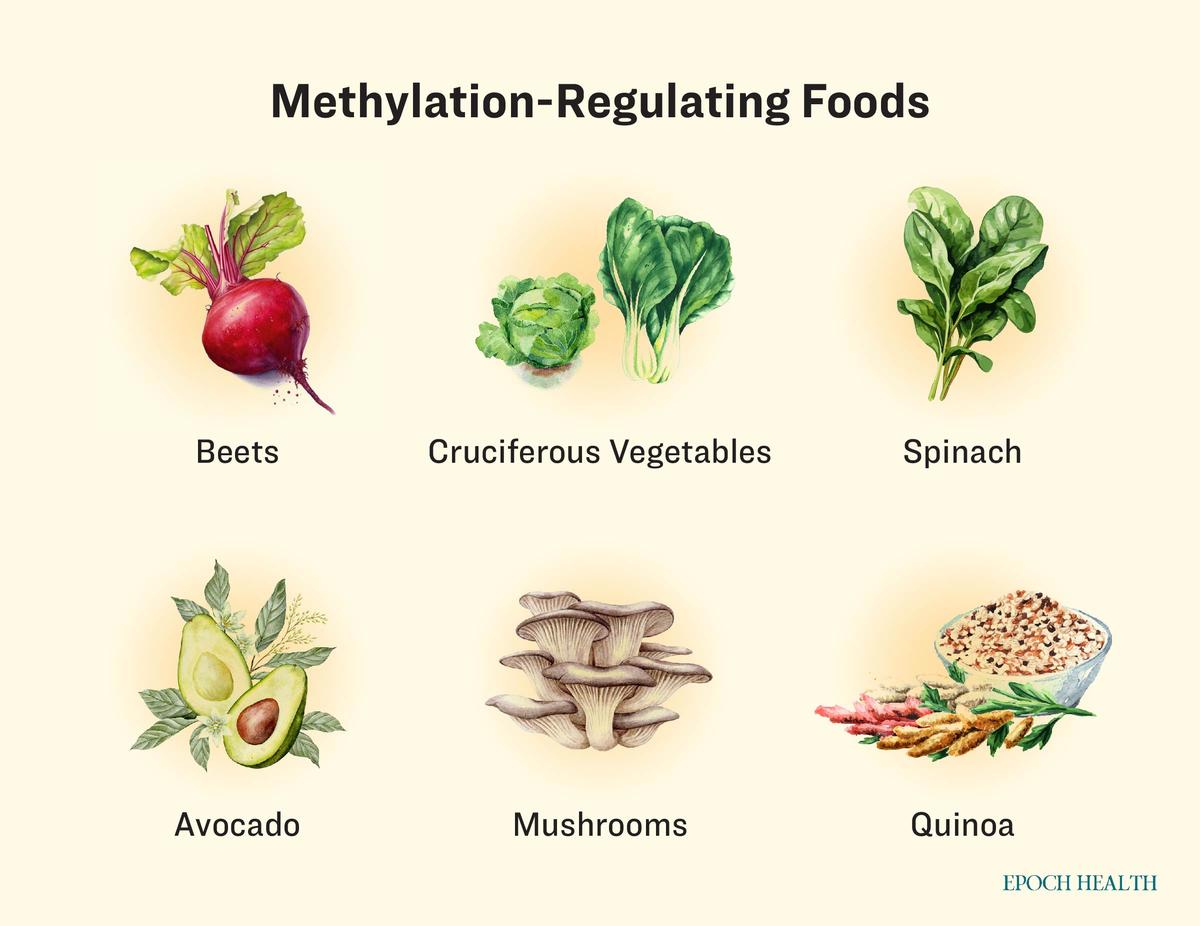
Additional Methylation-Regulating Foods
In addition to the six foods highlighted in the study, Tsai noted additional foods that regulate methylation:
Methylation-Regulating Herbs
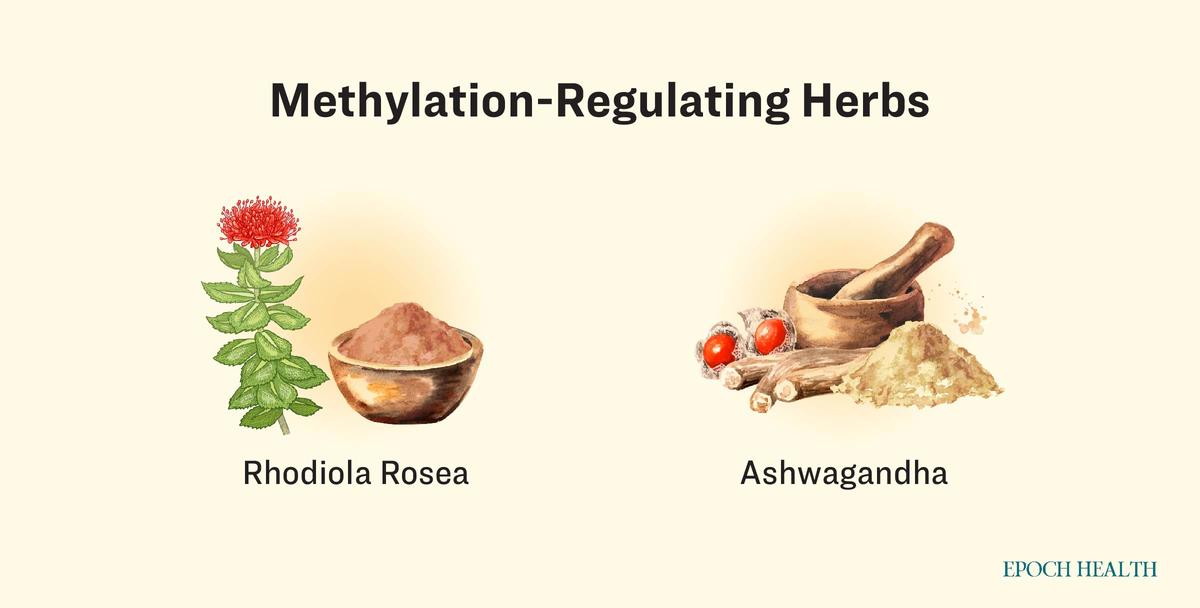
Beyond food, certain herbs also possess methylation-regulating and anti-aging properties, such as Rhodiola rosea and Ashwagandha. However, it’s essential to consult a doctor before taking herbs to ensure they are suitable for your constitution, as improper use may harm health.
Unhealthy Habits That Hasten Aging
Alongside eating beneficial foods, steering clear of habits that hasten aging is just as vital, Tsai said.
Foods to Avoid
Choosing High-Quality Carbohydrates
Tsai noted the crucial role of high-quality carbohydrates in supporting healthy aging. According to the Nurses’ Health Study, which analyzed dietary data from 47,513 women, long-term intake of nutrient-dense carbohydrates—such as fruits, vegetables, whole grains, and legumes—was linked to improved health in older age. These foods offer key benefits:
Nutritionist’s Secrets to Youthful Vitality
Tsai shared her proven strategies for maintaining a vibrant, youthful glow through simple, sustainable lifestyle choices:
Reversing the clock doesn’t require costly supplements. The true secret lies in daily habits: Savor antioxidant-rich, gene-regulating foods; pair them with regular exercise, ample sleep, and stress relief; and keep a positive mindset. Begin now to cultivate lasting vitality!