While crossing the street in laced-up heels, Erica Kuo—a certified clinical aromatherapist and herbal aromatherapy educator—tripped when one of her laces came loose. Acting quickly, she reached into her bag and applied arnica cream, an herbal salve she always carries for emergencies. A hospital visit later confirmed a fractured toe, and a fixation device was used to stabilize it.
During the three-month recovery period, Kuo relied on herbal teas, botanical oils, and creams, which she applied directly to the injury, to relieve swelling and pain while supporting her body’s natural healing process.
Natural remedies, Kuo noted in an episode on Health 1+1, can effectively aid recovery and provide relief, alleviating the need for conventional painkillers.
Relieve Swelling and Pain
Fractures often lead to more than just limited mobility—they can also cause significant pain and sleep disturbances, leaving those affected physically and emotionally exhausted.
1. Golden Herbs for Trauma Care
When it comes to managing trauma, whether from fractures, bruising, or inflammation, several herbs have long been used in traditional medicine for their healing properties. These golden herbs have been found to support pain relief, reduce swelling, and promote tissue regeneration, making them invaluable for trauma care.
Arnica
Arnica, a plant native to alpine regions and open fields, is known for its natural anti-inflammatory and pain-relieving properties, Kuo said.
A systematic review published in the journal Plants in November 2024 indicated that several clinical trials have demonstrated arnica’s significant effects in reducing postoperative swelling, pain, and bruising.
Method: Arnica can be prepared as an herbal tea or infused into a tincture. Soak a piece of gauze in the arnica tea or tincture and apply it to the affected area for 15 to 20 minutes, once every hour, for up to eight sessions.
Comfrey
Comfrey has traditionally been used to
support the healing of fractures, osteoarthritis, and other bone-related conditions. It promotes wound healing and encourages bone regeneration, according to Kuo.
Method: Comfrey is commonly used in the form of a poultice or compress. Prepare a decoction by simmering dried comfrey leaves or roots in water for 10 to 15 minutes. Let it cool slightly, then soak a clean cloth in the liquid and apply it to the affected area for 20 to 30 minutes, up to three times daily. Avoid applying to open wounds or broken skin, as comfrey contains compounds that may be absorbed into the bloodstream.
St. John’s Wort
St. John’s wort-infused oil typically appears reddish-purple or orange-red, in contrast to the yellow hue of arnica oil. St. John’s wort is often taken internally as a supplement to help manage depression. Additionally, the herb is believed to reduce pain sensitivity after injury and may be taken orally to help promote sleep in patients with fracture-related insomnia.
Method: For pain relief, Kuo recommends using paste-based preparations rather than oil-based ones, as they tend to stay on the skin longer and provide more sustained effects.
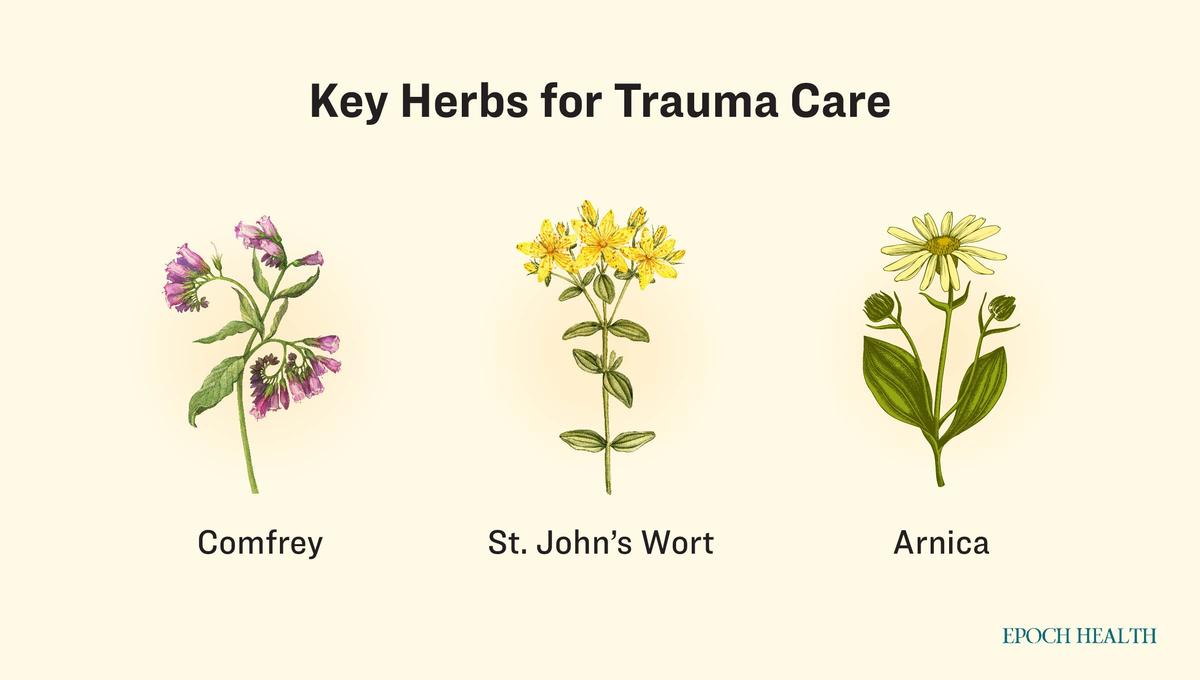
The "golden herbs" for trauma care. (The Epoch Times)
Yarrow Tea
After using a cold compress to reduce swelling and pain,
yarrow tea may be taken internally. Kuo describes yarrow as “a natural alternative to non-steroidal anti-inflammatory drugs.”
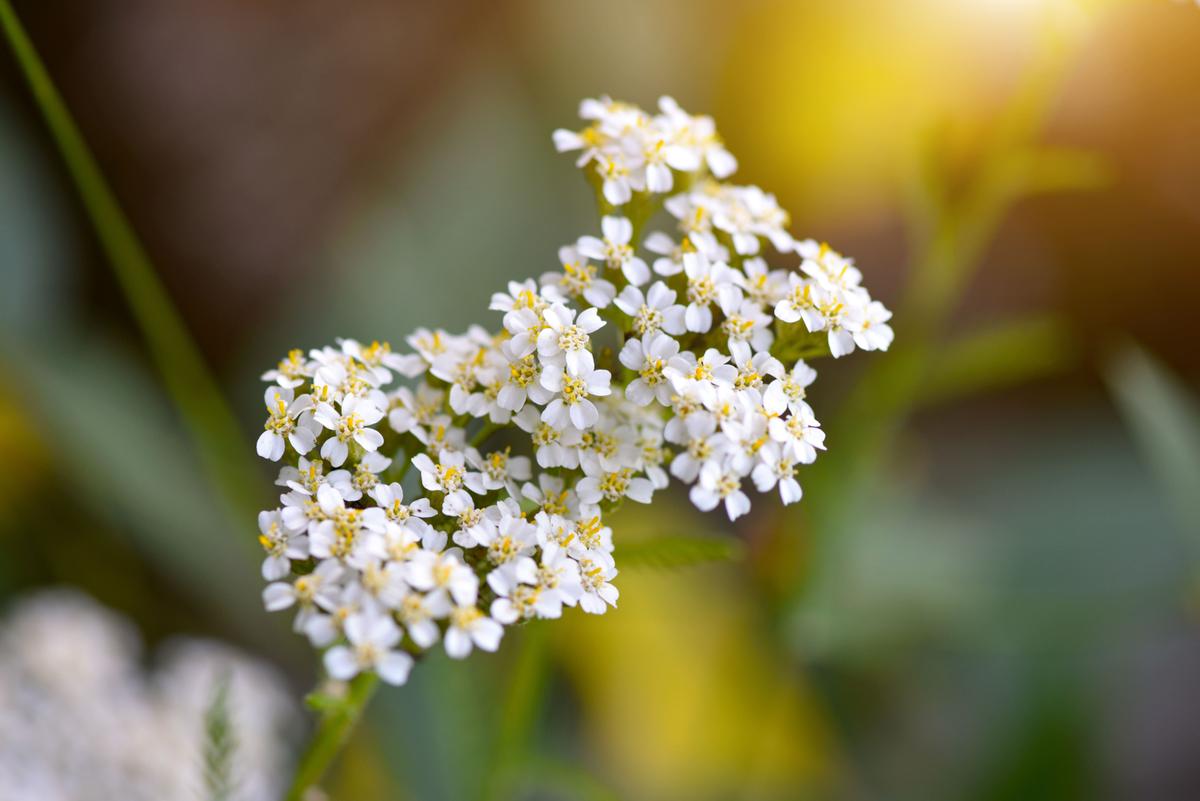
Yarrow tea for pain relief. (Nataliia Melnychuk/Shutterstock)
Method: Steep two to three teaspoons of dried yarrow to prepare approximately 8.5 fluid ounces of tea, and drink it three times a day. Alternatively, mix 0.17 fluid ounces of yarrow hydrosol (floral water) with 8.5 fluid ounces of hot water and drink up to three times daily.
The dosage of yarrow hydrosol may be increased to a maximum of 0.34 fluid ounces per serving.
For fracture-related pain that disrupts sleep, an herbal tea blend containing yarrow, chamomile, lemon balm, hops, and passionflower may help promote relaxation and relieve discomfort.
Herbal Oil Blend for Injury Recovery
Kuo shared a recipe for a restorative herbal oil blend formulated to support fracture healing and relieve sprains and repetitive strain injuries, such as De Quervain’s tenosynovitis also known as “mommy thumb, ”a type of tendon inflammation from overuse of the wrist and thumb, common in new mothers, and carpal tunnel syndrome which is caused by pressure on the median nerve in the wrist, leading to pain, numbness, or tingling in the hand.
Base Oils
- Arnica-infused oil: 1.7 fluid ounces
- John’s wort–infused oil: 1.7 fluid ounces
Mix equal parts of both oils.
Essential Oils
- German chamomile (25 drops): Reduces inflammation, relieves pain, and promotes sleep
- Ginger CO₂ extract (15 drops): Supports circulation and warming
- Frankincense (20 drops): Helps relieve pain and supports immune function
- Cinnamon (20 drops): Promotes blood circulation
- Vetiver (20 drops): Aids in resolving bruising and improving blood flow
How to UseAfter bathing, apply the blended oil directly to the affected area. Massage is not necessary—simply allow it to absorb into the skin. In cases of fracture, wait about 20 minutes before putting on any braces or fixation devices.
Recommended for: Fractures, carpal tunnel syndrome, ACL (anterior cruciate ligament) injuries, De Quervain’s tenosynovitis, sprains, tendon injuries, and other soft tissue conditions.
Key Tips for Fracture Recovery
Drawing from her personal experience, Kuo outlined the following key tips for those recovering from fractures:
Carry emergency herbal remedies: Keep herbal salves or essential oils—such as arnica and St. John’s wort—on hand for emergency use. These remedies can play a critical role when immediate medical care is unavailable.
Avoid heat therapy in the early phase: Do not apply heat on the first day of injury, as it may increase the risk of abscess formation.
Ensure proper bone alignment: After a fracture, proper bone alignment should be assessed and confirmed by a medical professional. If it heals incorrectly, it may result in ongoing pain—even with the use of herbal treatments.
Watch for herbal allergies: Some herbs may cause serious allergic reactions and should be used with care. Kuo recalled a patient who applied crushed Plectranthus amboinicus (commonly known as Cuban oregano) directly to the skin, leading to severe blistering. If left untreated, such reactions may lead to bacterial infection or even sepsis, posing significant risks during fracture recovery.
Increase high-quality protein intake: Fracture patients should eat more high-quality protein, such as fish, eggs, and dairy, along with key minerals and trace elements like calcium, magnesium, and silicon. Avoid excessive intake of stimulating or inflammatory foods, which may worsen inflammation.
Stay moderately active: Extended bed rest may increase the risk of depression, so maintaining some degree of social interaction is beneficial during recovery. Leg fractures often result in muscle loss and weakness, making rehabilitation exercises essential for restoring strength and mobility.