Founded in 1935, Alcoholics Anonymous (AA) currently has more than 2 million members belonging to approximately 123,000 groups in 180 countries. The organization is not only credited with delivering the gift of sobriety to millions, but also for providing the template for more than 30 other 12-step programs addressing problems of addiction and behavior.
Having sprung from a meeting of two alcoholics in Akron, Ohio—Bill Wilson and Dr. Robert Smith, known to AA members as Bill W. and Dr. Bob—the growth of this organization in less than a hundred years is an historical phenomenon.
The Backdrop of Alcoholics Anonymous
Other people and serendipitous circumstances contributed to the formation of this extraordinary social movement. In 1908, American Lutheran minister and missionary Frank Buchman founded what became known as the Oxford Group Movement, which stressed a simplified form of Christianity based on what the group called the four absolutes: honesty, purity, unselfishness, and love.
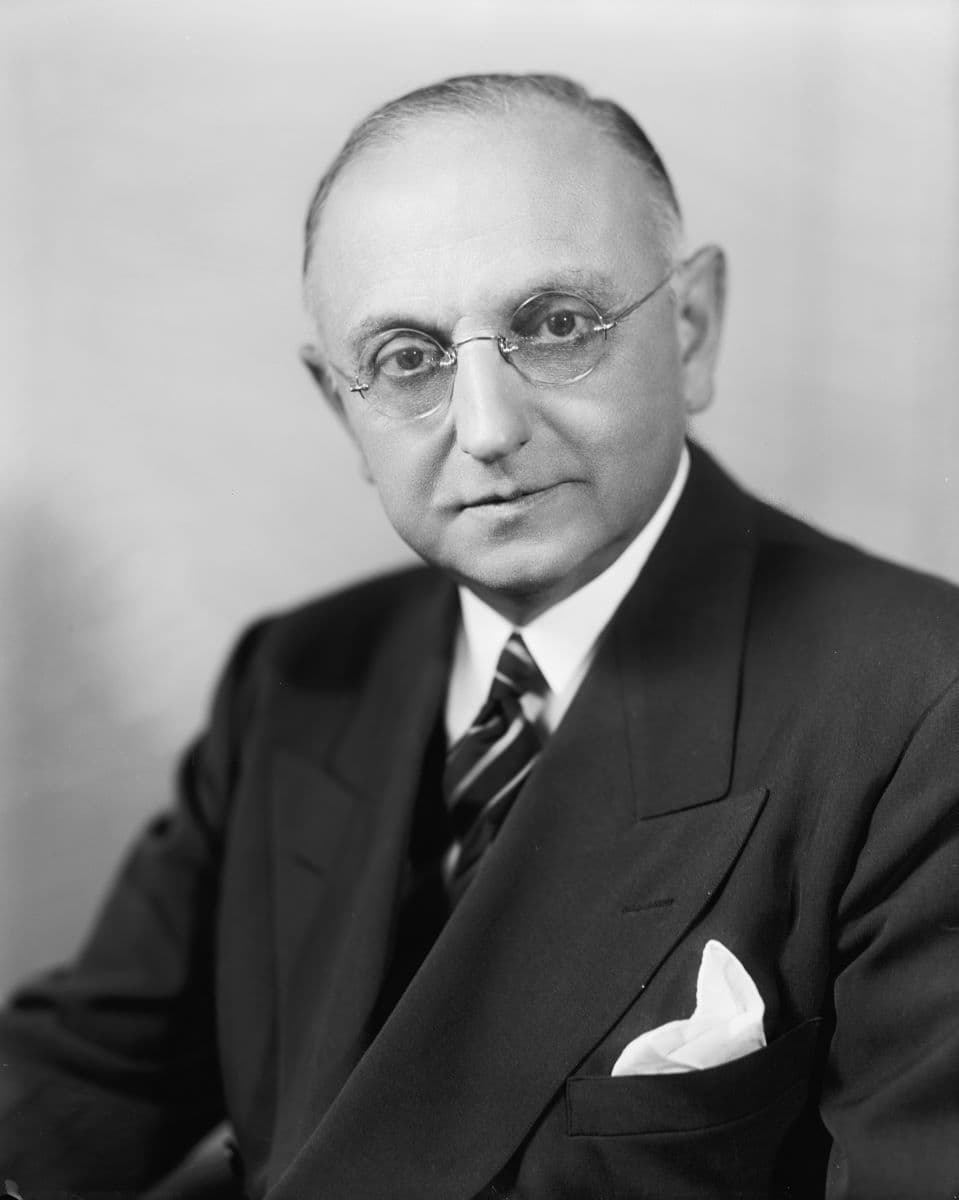
This picture of Frank Buchman was created before 1945 by Harris & Ewing. (Public Domain)
Though living in different cities and strangers to each other, both Wilson and Smith were members of this movement. Episcopalian priest Sam Shoemaker provides another example of those who helped set up the AA Fellowship. He was a friend of Buchman and a mentor to Wilson before the historic 1935 meeting with Smith. Of him, Wilson later said: “Sam Shoemaker was one of A.A.’s indispensables. Had it not been for his ministry to us in our early time, our Fellowship would not be in existence today.”
Looking for Help
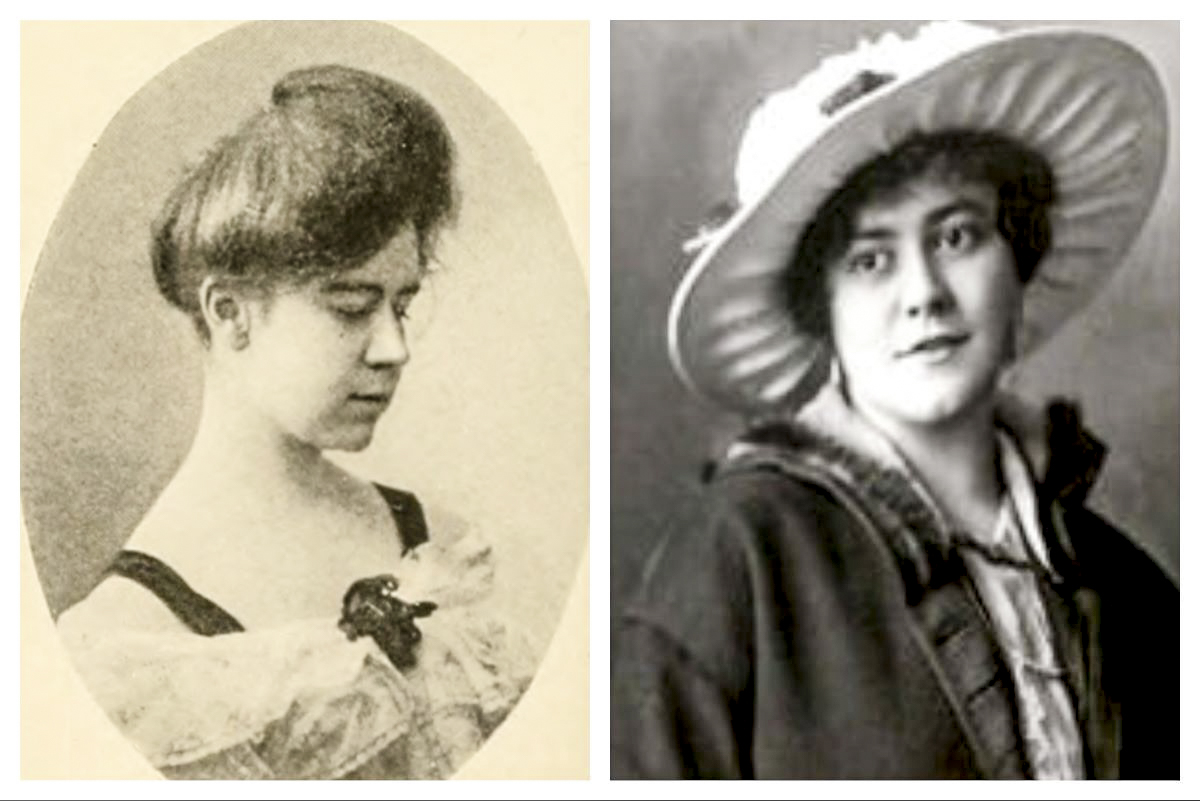
Among these men were two women, Anne Smith, who was Bob’s wife, and Henrietta Seiberling, without whom it might likewise be said that AA would not be in existence today.
Since its earliest days, and despite the Woman’s Christian Temperance Union and the prohibition of the 1920s, America had seen countless families, marriages, and lives wrecked by the ravages of alcoholism. Anne Smith (1881–1949) belonged in this sad company.
Though she’d fallen in love with Bob as a teenager, the couple experienced a long courtship of 17 years, brought on, some speculate, by his drinking bouts. He was, however, sober the year before they wed in 1915 and remained so for three years afterward.
Then, he began to drink again, and both his medical practice and his home life suffered the consequences. Later, the Smiths’ son and their adopted daughter “were ashamed of his abject slavery to booze” and prayed alongside Anne for the recovery of their father.
In 1933, fighting poverty made worse by the Great Depression, Anne began attending the newly formed Oxford Group meetings in Akron. Earlier that year, Harvey Firestone Sr., the tire magnate, having credited the group with helping his alcoholic son, Russell, give up the bottle, had invited Buchman to Akron to share his ideas.
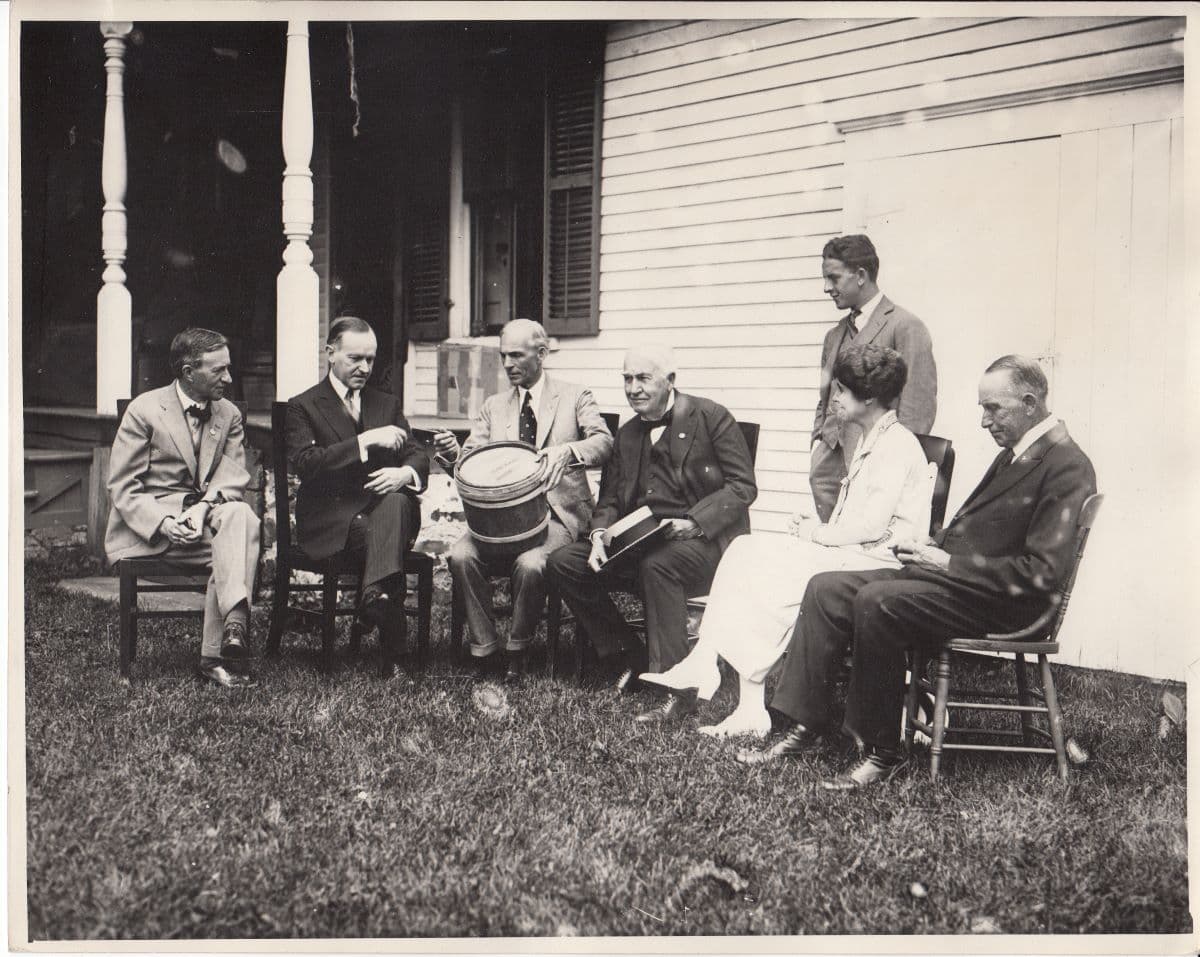
Harvey Firestone Sr. (L) visited President Calvin Coolidge (2nd L) and his family at his farm. A young Russell Firestone (standing) was also in attendance. National Park Service. (Public Domain)
Buchman brought others with him, and for the next several days, many of Akron’s finest were treated to a whirl of talks and testimonials. Anne heard Russell’s wife speak publicly of her husband’s drinking and his recovery, testimony that was extremely unusual for people of that class and time, and soon she was attending Oxford Group meetings.
About the same time, and inspired by the Buchman visit, Henrietta Seiberling (1888–1979) also became a regular at the meetings, though with a different motive. Her marriage to her husband, Fred, had soured. They were essentially living in different households: he in his family’s enormous manor house, Stan Hywet Hall, and she in the estate’s Gate Lodge, a two-story three-bedroom house, along with their three children. Unlike the financially beleaguered Smith family, Fred was the son of Frank Seiberling, one of the founders of Goodyear Tires. The marriage between him and Henrietta wanted for nothing but mutual respect and love.
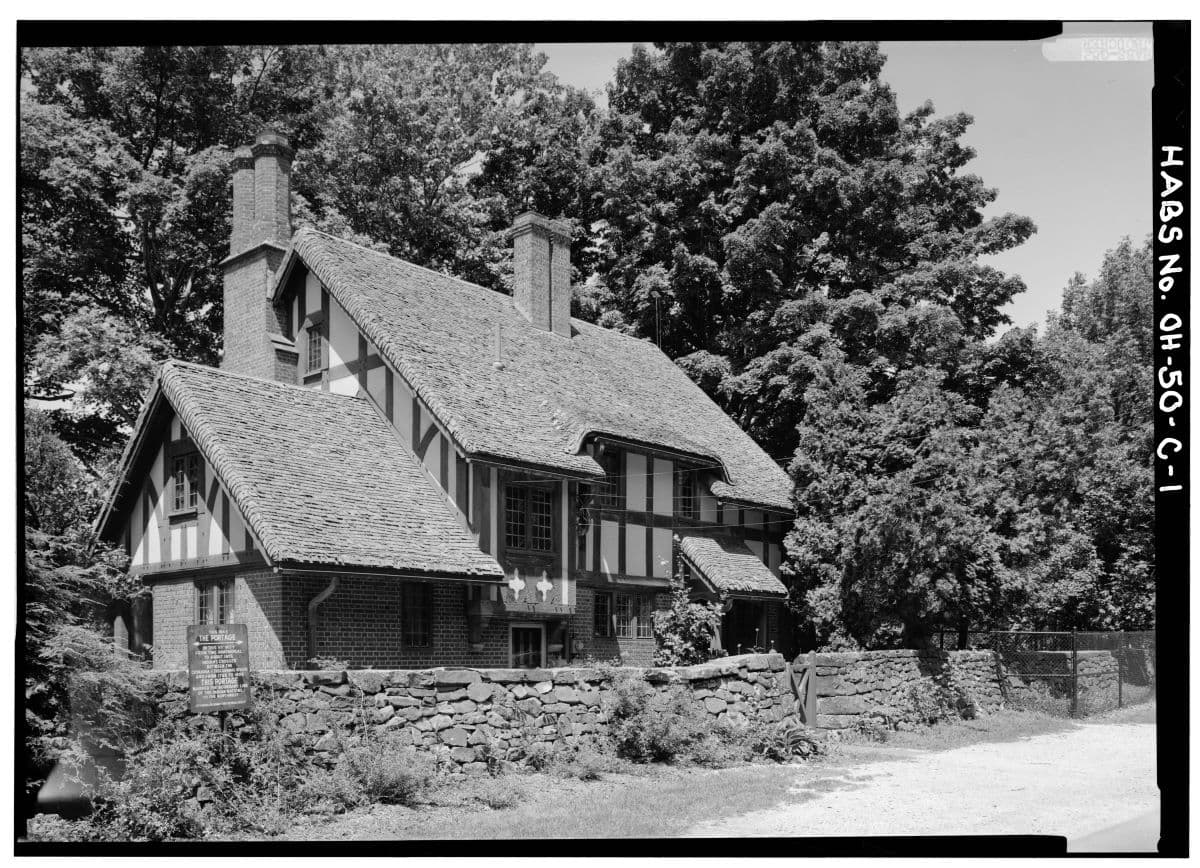
Gate Lodge on the estate of the Seiberling family, where Henrietta and her three children lived. Library of Congress. (Public Domain)
Estranged from her husband, ill-at-ease among his relatives, and far from the Texas home where she’d grown up, Henrietta found aid and comfort in the Oxford Group meetings. Watered by those get-togethers and a more intense prayer life, her religious faith blossomed. She tried to convince Fred to attend these weekly meetings with her, but he refused, possibly because matters of faith meant much less to him.
Unlike Fred, Bob Smith did attend these meetings with his wife, though he continued his surreptitious affair with the bottle. The couple became friends with Henrietta. When another member of their Oxford Group revealed Bob’s secret to her, Henrietta put together a meeting of the group in which members, who were already acquainted with one another’s foibles, would reveal some deeper personal flaw. It was her plan to induce Bob to reveal his hidden drinking.
And that plan worked like a charm. After listening to others share their faults, Bob confessed: “Well, you good people have all shared things that I am sure were very costly to you, and I am going to tell you something which may cost me my profession. I am a silent drinker, and I can’t stop.” Henrietta and the others then prayed along with him that he might break his addiction.
Just weeks later, Bill Wilson came to town.
The Rum Hound and Doctor Bob
Henrietta’s son, John Seiberling, became a member of the U.S. House of Representatives. In 1973, he submitted to the Congress a transcript of remarks made by his mother regarding AA’s founding and early days. Here’s a condensed version of Henrietta’s description of meeting Bill Wilson:
“Bill, when he was in a hotel in Akron and down to a few dollars and owed his bill after his business venture fell through, looked at the cocktail room and was tempted and thought, ‘Well, I’ll just go in there and get drunk and forget it all, and that will be the end of it.' Instead, having been sober five months in the Oxford Group, he said a prayer. He got the guidance to look in a ministers directory, and a strange thing happened.”
That strange thing was a series of phone calls that led him led to Henrietta. She remembered, “I, who was desperate to help Bob in something I didn’t know much about, was ready. Bill called, and I will never forget what he said: ‘I’m from the Oxford Group and I’m a Rum Hound.’ Those were his words. I thought, ‘This is really manna from Heaven.’ And I said, ‘You come right out here.’ And my thought was to put those two men together.”
Once she had connected the two men, Henrietta arranged for the near-penniless Wilson to stay for two weeks in a nearby country club so that he might help Smith toward sobriety. He returned briefly to New York, came back to Akron, and at their invitation moved in with the Smiths for several months. While others were involved at this juncture, it was from the intersection of these four lives—the Smiths, Bill Wilson, and Henrietta—that AA gained its initial strength. Bob won his sobriety, and the two men realized they had found a way of helping other drunks.
A Woman’s Work Is Never Done
As more people sought help from this small group, Anne commenced playing the role that would one day inspire Bill to bestow on her the title “Mother of AA.” She opened her home to any visiting members of the Fellowship. Moreover, she, along with her husband, welcomed drunks into their home, counseled and cared for them, and helped devise the guiding rules that would become the Twelve Steps. A nurse, Emma, who brought her husband to the Smith’s house seeking help, said, “They were always doing things … for you. They couldn’t do enough for you.”
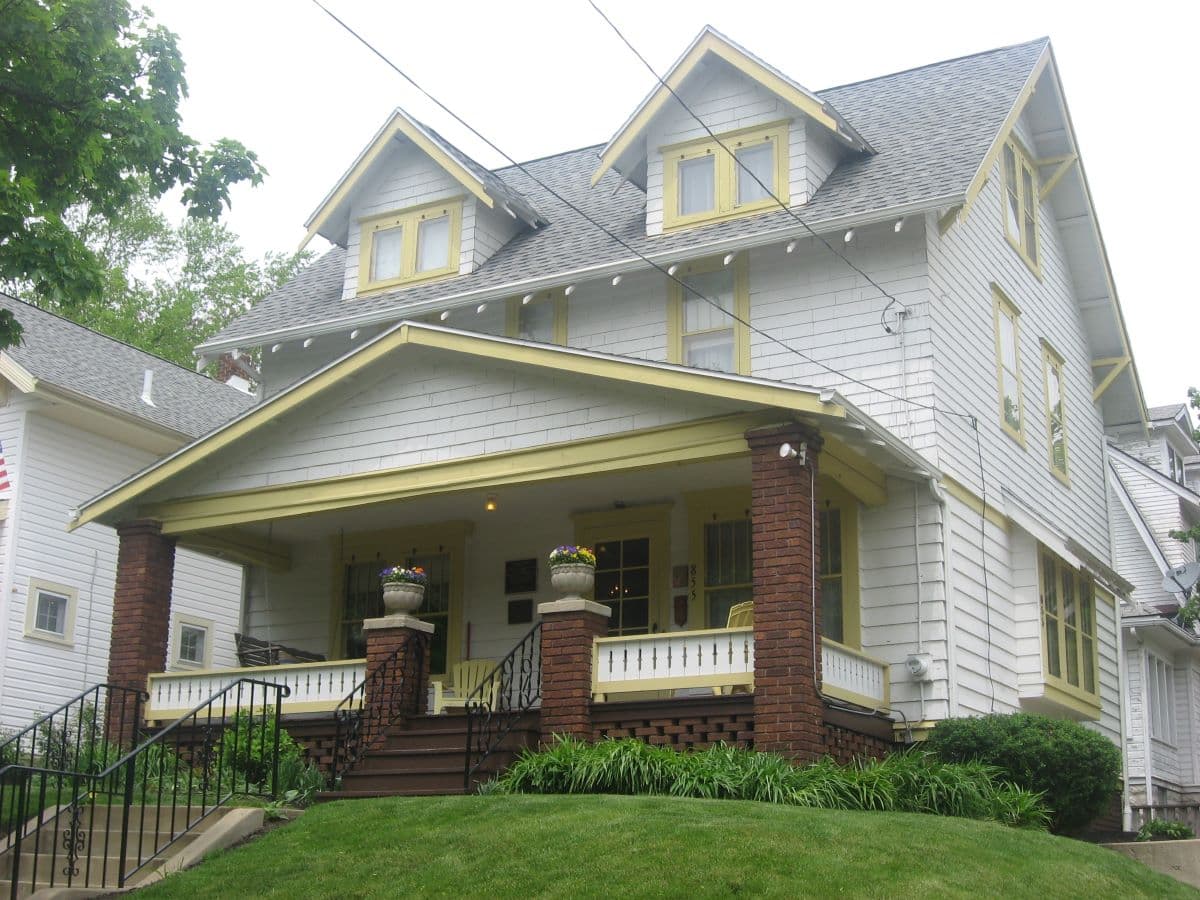
Front of the Dr. Robert Smith House, located at 855 Ardmore Ave. in Akron, Ohio. During the 1930s, Robert Smith founded a support group for alcoholics here with his acquaintance Bill Wilson; it grew into Alcoholics Anonymous. Built in 1914 and operated as a museum by an AA-affiliated group, it was listed on the National Register of Historic Places in 1985 and was designated a National Historic Landmark in 2012. (Public Domain)
In the transcript submitted to Congress, Henrietta speaks of her own role in those early days. “The need was there, and all of the necessary elements were furnished by God. Bill the promoter, and I, not being an alcoholic, for perspective. Every Wednesday night I would speak on some new experience or spiritual idea I had read. That’s the way we all grew.”
Henrietta laid down several founding principles for the Fellowship. When the men were planning sanitoriums and considering how to raise the necessary funds, she put her foot down. “Much to Bob’s and Bill’s and Anne’s surprise, I said, ‘No, we’ll never take any money.’” To this day, AA neither seeks nor accepts outside funding. Each group supports itself.
Henrietta also helped established the practice of anonymity for its members. Contrary to popular opinion, this policy of using first names only was not an attempt to conceal a member’s alcoholism. “Those you think that they are prominent or that they have become leaders, all fail people because no one is on top spiritually all the time. So I said, ‘We'll never have any names.’” Wealth and fame wear a mask at the table in an AA meeting.
There were disagreements as AA expanded. In her later years, Anne Smith felt that Wilson, in part through self-promotion, had overshadowed her husband’s many contributions. Henrietta Seiberling frequently criticized the Fellowship for having abandoned its Oxford Group roots and minimizing the spiritual component that led to sobriety.
Once, when Wilson and Smith were explaining to her that too much emphasis on God might repel some alcoholics, Henrietta tartly replied: “Well, we’re not out to please the alcoholics. They have been pleasing themselves all these years. We are out to please God. And if you don’t talk about what God does, and your faith, and your guidance, then you might as well be the Rotary Club or something like that. Because God is your only source of power.”
Henrietta lost this battle, though not entirely. Buried beside her parents in Lawrenceburg, Kentucky, her modest gravestone is inscribed: “Let Go and Let God,” a slogan acquired from the Oxford Group.
Go to any AA meeting in the country, and sooner or later you’ll hear some member or another echo those same words.

Members of Alcoholics Anonymous take part in a meeting in Moscow, on Dec. 1, 2012. (YURI KADOBNOV/AFP via Getty Images)
What arts and culture topics would you like us to cover? Please email ideas or feedback to features@epochtimes.nyc.