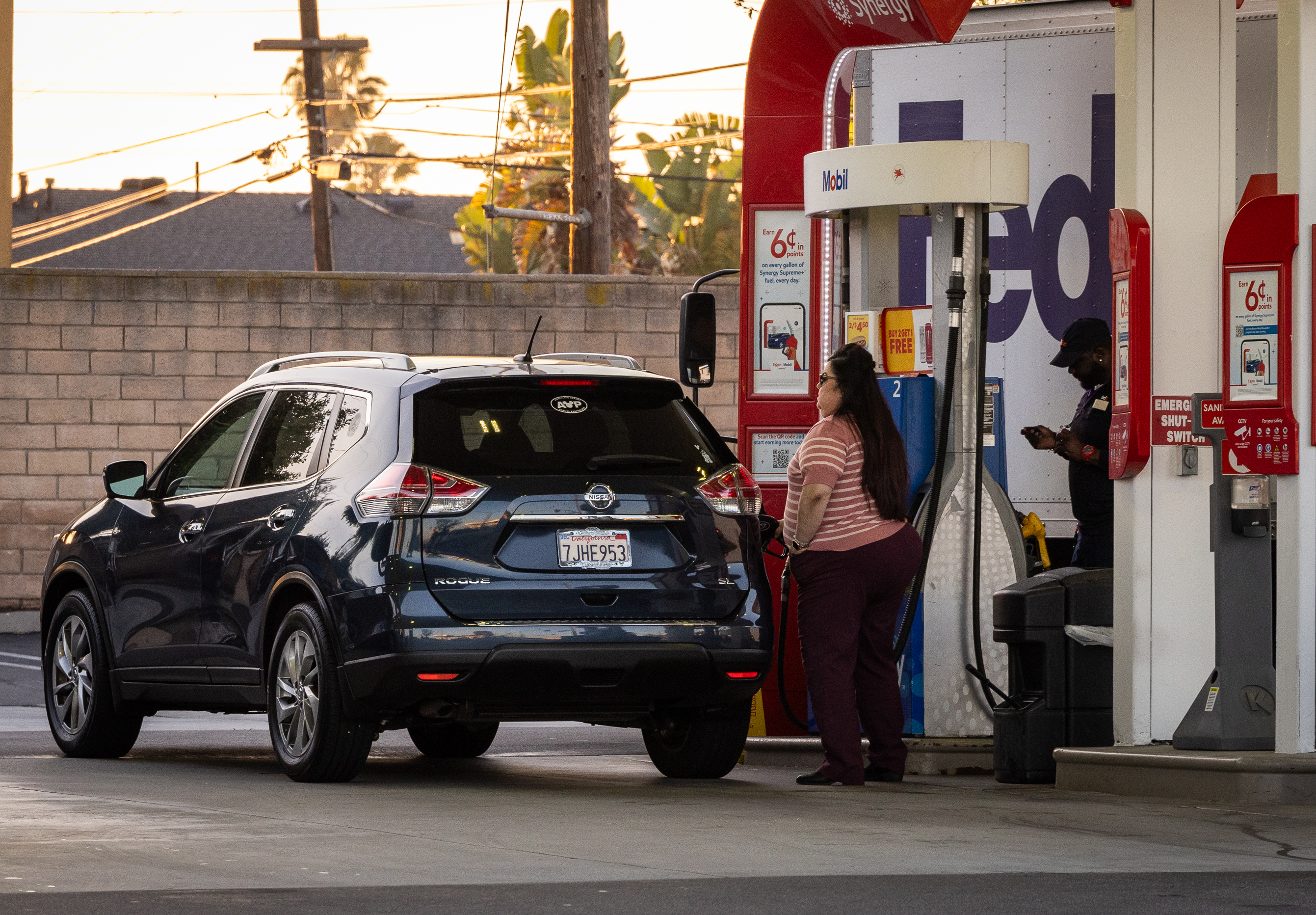

The pain at the pump dragged U.S. consumer sentiment to a fresh record low in May, according to the University of Michigan.
The widely watched Surveys of Consumers declined for a third consecutive month to 44.8, revised down from the preliminary estimate of 48.2 earlier in May.
Sentiment is down by 10 percent from April and by more than 14 percent from the same time in 2025.
The cost of living was the top issue for respondents, as consumers face higher gas prices.
Fifty-seven percent said they are worried that higher prices will take a toll on their personal finances.
“Critically, consumers appear worried that inflation will increase and proliferate beyond fuel prices, even in the long run,” Joanne Hsu, director of consumer surveys at the university, said in a statement.
As of May 22, the national average for a gallon of gas is $4.55, up by 50 percent from late February, when the war in Iran started.
For now, pump prices are largely driving the acceleration in headline inflation.
May’s annual consumer inflation rate is expected to top 4 percent, from 3.8 percent in April—the highest in almost three years.
Meanwhile, underlying inflation pressures appear to be building.
Core inflation, which strips out volatile energy and food categories, came in higher than market estimates last month at 2.8 percent.
Additionally, structural measurements, such as the producer price index and import prices, are surging.
This has led consumers to anticipate higher inflation going forward.
The one-year outlook was adjusted up to 4.8 percent from an earlier estimate of 4.5 percent, the highest since August.
Five-year inflation expectations were also revised up to a seven-month high of 3.9 percent, from the preliminary reading of 3.4 percent.
K-shaped trends—a divergence between income groups—were also ubiquitous in the survey.
“Lower-income consumers and those without college degrees posted particularly strong sentiment declines; these groups are more sensitive to increases in the cost of gas and other essentials,” Hsu said.
Robust Economy
A strong labor market could help consumers fend off the financial impact of growing energy costs.
The economy added 115,000 new jobs in April, and the unemployment rate held steady at 4.3 percent.
Robust employment conditions are also helping support solid retail sales—excluding gasoline station receipts—which climbed by 0.5 percent in April.
“Ironically, there appears to be an increasing disconnect between the sentiment and actual consumer behavior,” Arlan Suderman, chief commodities economist at StoneX, said in a May 22 note.
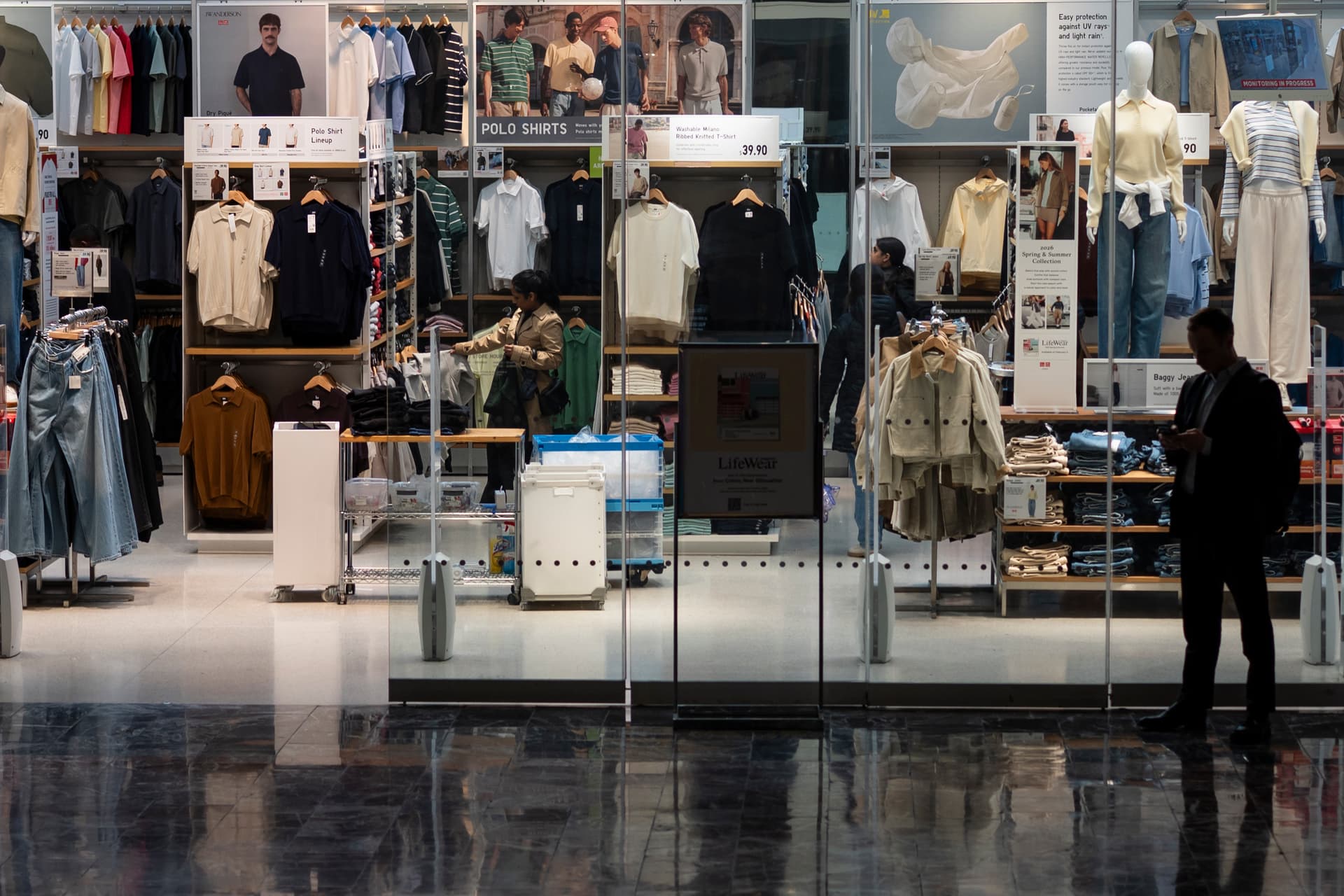
“The consumer is still king in our economy, and the risk increasingly is that the consumer will say, ‘enough is enough’ and put the brakes on that spending. For now, the economy is solid, but this bears watching.”
RBC Economics, in a May 19 research note, concluded that although caution is warranted, there are no signals that the United States is staring down the barrel of a recession.
“We are mindful of weaknesses in trade-reliant sectors and note that two things can be true at the same time,” economists said. “An economy can look fine in aggregate but suffer sectoral recessions underneath.
“Still, the U.S. economy remains on a solid footing, and it will take more than a few months of high gas prices to knock it off course.”
After a sluggish end to 2025, the U.S. economy appears to be powering ahead.
The closely monitored GDPNow Model from the Federal Reserve Bank of Atlanta estimates that second-quarter growth will come in at 4.3 percent, up from 2 percent in the January to March period.
Indicators suggest that the current quarter expansion is driven by consumer spending and business investment.
But solid growth might not be enough to reverse weakening sentiment, as prices are expected to climb over the coming months, said Joseph Brusuelas, chief economist at RSM.
“Businesses and households should anticipate a sustained increase in food costs as higher fuel and transportation prices are passed along,” he said in a May 18 research note.
Rising prices for petroleum-derived fertilizers, coupled with the possibility of reduced crop output, suggest that groceries could become more expensive again later this year for both households and businesses, he said.
The next major inflation report will be the April personal consumption expenditures price index, which is the Fed’s preferred inflation gauge.
After reaching 3.5 percent in March, the consensus estimate suggests that the 12-month rate will hit 3.8 percent.