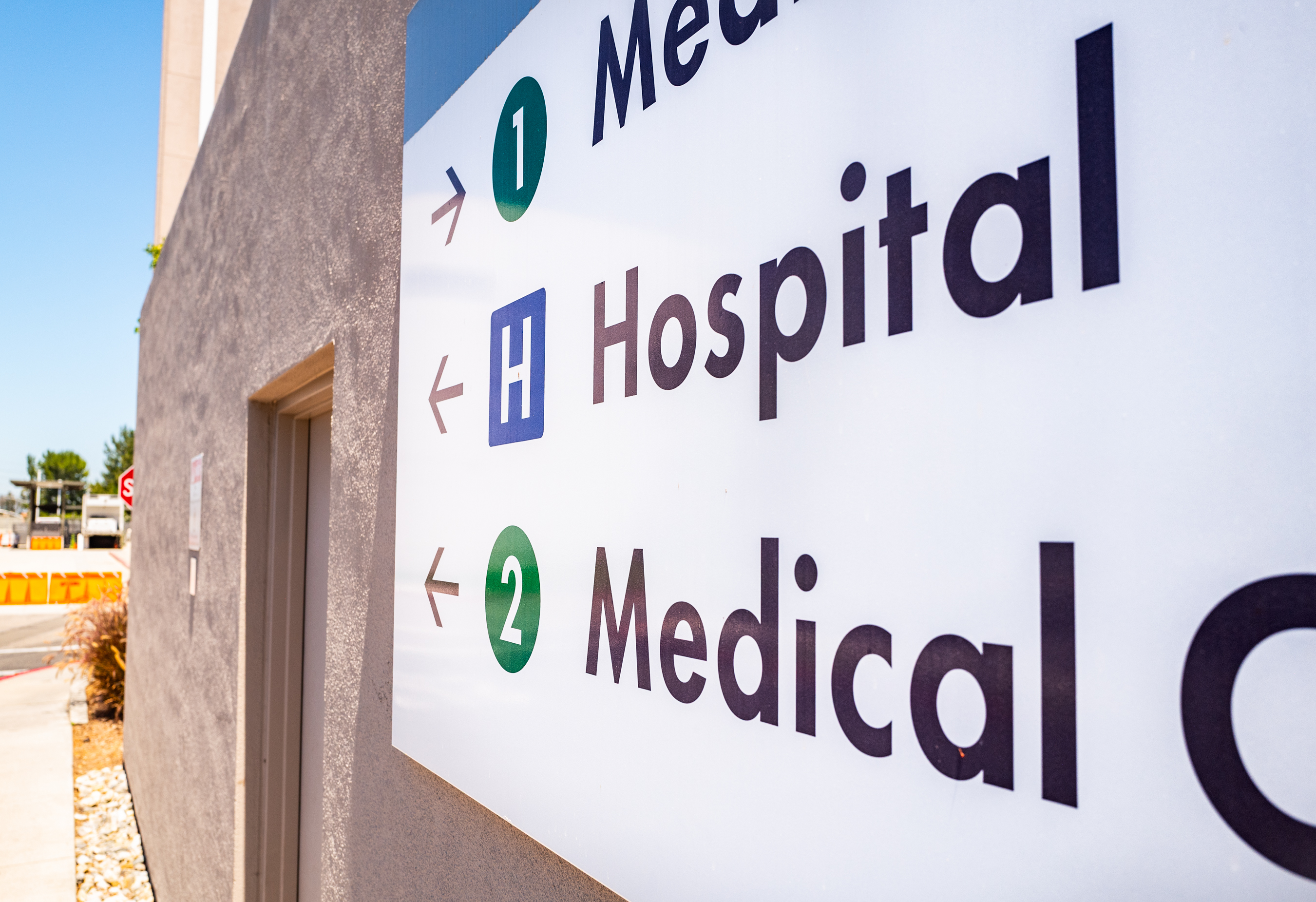

The cost of providing illegal immigrants with health care benefits through California’s government-funded program is expected to be double the initial spending projections, according to the Legislative Analyst’s Office (LAO).
“Undocumented persons eligibility expansions are estimated to be $10 billion General Fund annually,” the LAO’s October findings report reads.
This is “more than double the initial estimates” and would account for about 25 percent of state funding for Medi-Cal.
Approximately 1.7 million Medi-Cal enrollees are illegal immigrants, which is about 11 percent of total enrollees.
This projected increased spending is about three times the amount the state plans to spend on the California Highway Patrol, which has been allocated $3.3 billion, and more than twice the $4.5 billion to support CalFire.
Overall, Medi-Cal is expected to cost $197 billion in the current budget period, spanning July 2025 through June 2026, with the federal government covering a little more than half of the spending.
Medi-Cal is California’s name for its joint state-federal funded Medicaid program, which provides health care coverage to low-income people. Adults who earn 138 percent or less of the Federal Poverty Level are eligible for coverage, and children are eligible with income levels of up to 266 percent. The program benefits cover services such as doctor’s visits, hospital stays, and mental health treatments, among others.
Unlike Medicare—the federal health insurance for people 65 or older that is funded through payroll taxes, general federal revenue, and enrollee-paid premiums—Medi-Cal funding comes from combined federal and state contributions, as well as other local taxes and funds.
The LAO report notes that the cost of providing free “comprehensive coverage” health services to illegal immigrants is entirely covered by California’s General Fund, because this group of enrollees is ineligible for federal funding.
However, some states have exploited a tax loophole that allows them to “inflate federal payments to states, and free up state funds for non-Medicaid purposes,” the Centers for Medicare and Medicaid Services (CMS) said in an announcement earlier this year.
The law allows states to tax stakeholders and include that revenue in their contribution toward Medicaid costs. However, some states are reportedly implementing high taxes on Medicaid-related businesses. This results in a higher federal contribution match. States then distribute the federal money back to the providers who have just paid the higher tax.
“Some states have exploited these tax loopholes to take money from federal taxpayers and then simultaneously spent ‘state’ money on new benefits for illegal immigrants,” the CMS stated in a new guidance issued to states in September to work toward closing the loophole.
In California, the projected $10 billion in spending to cover health care benefits for low-income illegal immigrants is a result of “greater-than-expected caseload and service utilization,” the LAO stated in its report.
Changes to Illegal Immigrant Enrollment
The program is changing for illegal immigrants beginning in 2026 in order to solve the state’s $11.8 billion deficit, according to the final 2025–2026 budget summary.
Medi-Cal will freeze new enrollments for illegal immigrant adults aged 19 and older starting in January 2026. Beginning in July 2027, adults aged 19 to 59 with unsatisfactory immigration status will be required to pay a $30 monthly premium to remain enrolled in comprehensive coverage.
“This policy is expected to add to the disenrolling effect of the undocumented persons’ freeze, as some undocumented beneficiaries may be unable or unwilling to pay the premium, losing comprehensive coverage and remaining permanently barred from re-enrolling in it,” the LAO report reads.
According to the report, the federal government’s One Big Beautiful Bill Act “significantly changes federal Medicaid eligibility and financing policies.”
“These federal changes will result in many billions of dollars in lost federal funding,” it reads.
California first extended Medi-Cal benefits to children younger than 19 without legal status in 2015 with the passage of Senate Bill 75 under then-Gov. Jerry Brown.
In 2019, the program expanded to cover young adults between the ages of 19 and 25 regardless of immigration status, through Senate Bill 104 under Gov. Gavin Newsom.
The next phase granted eligibility to adults aged 50 and older, regardless of immigration status, in 2021. In January 2024, the final expansion made all income-eligible illegal immigrants, including those aged 26 to 49, eligible for Medi-Cal.
The state’s highest expenditures are for health and human services, including the Medi-Cal program. The health department is budgeted at $202.7 billion.