
New regulations from the California water board give suppliers conservation guidelines that could force already water-conscious consumers to be even more stingy in the decades ahead.
The State Water Resources Control Board approved the new guidelines July 3. The water-use estimates were designed to give suppliers the flexibility to find locally appropriate solutions to conserve water, the board said.
Violations of the new state framework could result in fines on the supplier of up to $1,000 per day and up to $10,000 per day during drought conditions. The board could also issue informational orders, written notices, and conservation orders before fining suppliers.
Data from the board projected estimated cutbacks for each water district. For example, the Los Angeles City Department of Water and Power is expected to reduce water use by 5–10 percent by 2040.
The Alameda County Water District in the San Francisco Bay hydrologic region is also expected to cut back 5–10 percent by 2040.
Projected cuts in the Central Valley may be significantly higher than in the Bay Area. Clovis County in the Tulare Lake region is expected to see a 20–30 percent reduction by 2040.
West Kern County Water District in the same hydrologic region is expected to see water use reduction greater than 30 percent by the same year, and Modesto in the San Joaquin River district is expected to drop by 10–20 percent.
Reduction goals will be incremental until 2040. For example, Modesto’s water use cuts will begin slowly, with less than 5 percent reduction by 2030. By 2035, the board estimated that the cuts would increase to 7 percent and ultimately result in a 5–10 percent reduction. By 2040, the numbers are expected to hit a 10–20 percent reduction.
The framework stems from two laws passed by the California Legislature in 2018, Assembly Bill 1668 and Senate Bill 606, which provided water conservation requirements for suppliers with enforcement from the State Water Resources Control Board and the Department of Water Resources.
According to a June analysis from the water board, the change would affect 405 suppliers that provide water for 95 percent of Californians.
Severe swings between dry and wet weather in the state have highlighted a growing need to expand water storage and develop new ways to use it efficiently, according to the board.
Two years of heavy rainfall has pulled the state out of extreme drought conditions, but a lack of water storage infrastructure has driven continued efforts to conserve.
Suppliers who fail to meet their conservation targets will have access to compliance assistance, Nick Cahill, the board’s public information officer, told The Epoch Times on July 8. These provisions include education and outreach, tiered pricing, leak detection, rebates, and installing efficient appliances or landscapes directly.
“The regulation itself does not apply to households or businesses,” Mr. Cahill said.
He also said suppliers would not be “cut off” if they fail to meet their conservation goal.
The new framework is expected to produce 500,000 acre-feet of water savings annually by 2040, according to the board’s July 3 press release. An acre-foot is about 326,000 gallons, enough to provide for two families for one year.
Mr. Cahill said the board would consider what conservation measures suppliers are making and “whether those measures are resulting in the expected and intended savings.”
Will the potential fines eventually affect consumers’ water bills? It’s a question experts seem wary to answer. Bakersfield’s Water Resources Department declined to comment on the regulatory framework and whether it could increase consumers’ bills.
“Residents and businesses consistently meet water-conservation targets,” Mark Robak, director of the Otay Water District in the San Diego area, wrote in an X post.
According to the water board’s analysis, Californians reduced their water use by more than 20 percent between 2013 and 2022.
“But state officials and environmental groups seem more interested in changing our lifestyles than in adopting policies that provide plenty of water to serve a growing economy,” Mr. Robak said.
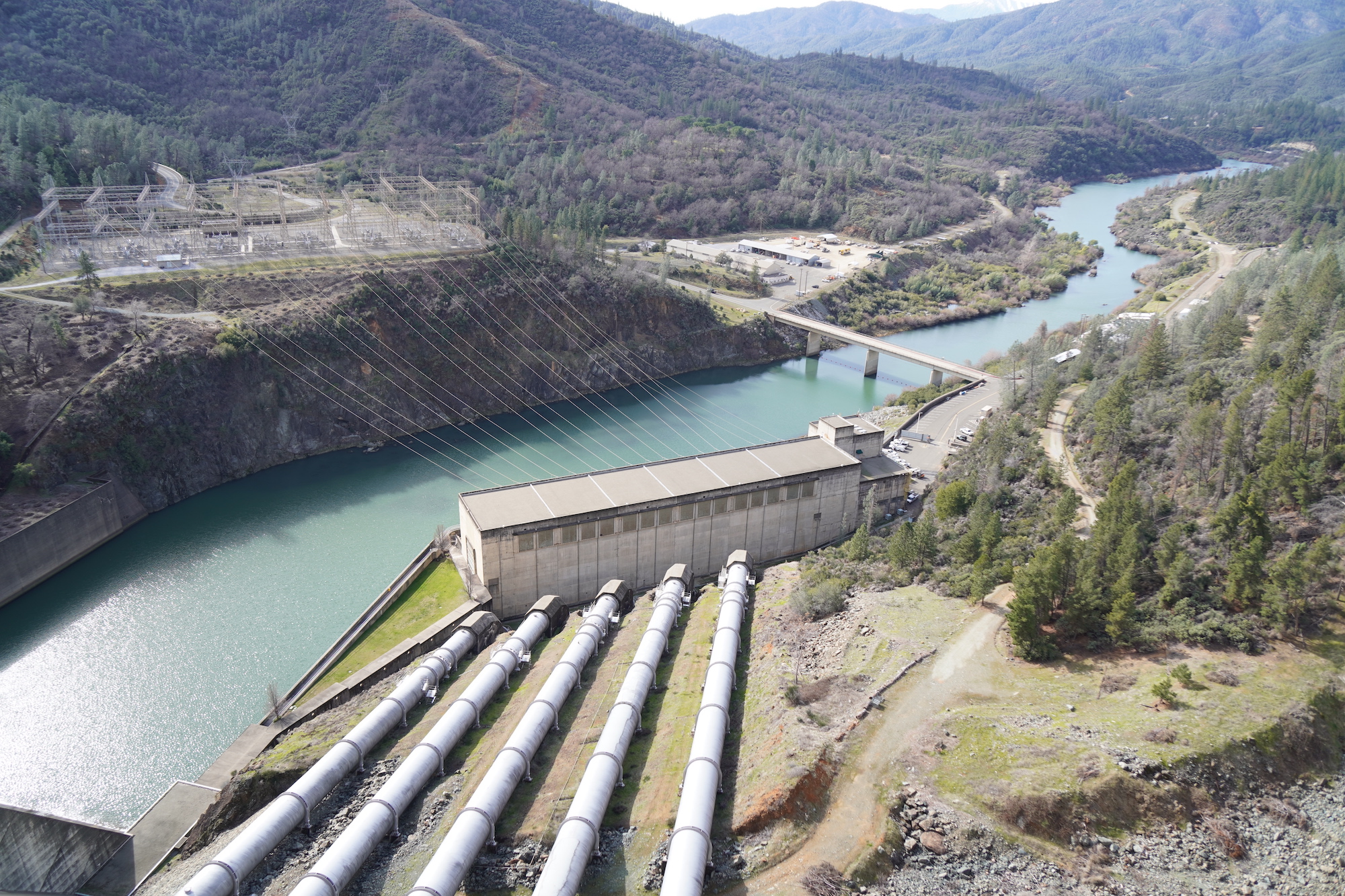
California’s major reservoirs in places such as Pine Flat Dam or the Shasta Reservoir are far above average capacity in 2024. Pine Flat is at 81 percent capacity, which is 131 percent higher than the historical average for July. Shasta’s 85 percent is also 113 percent above its historical average.
Don Wright, founder of WaterWrights—a water agriculture policy news site in Fresno—told The Epoch Times July 10 that the new regulations are “ridiculous.”
“Somebody came up with the idea of how to fund [the state board] further,” he said.
California Water Institute Director Laura Ramos thinks the new framework will reduce conflict by providing a standard expectation for water conservation.
“[Water is] a precious resource,” she told The Epoch Times.
She said the back and forth between emergency drought regulations and less strict rainy years causes problems with residents in the state who aren’t sure if they should water their lawns to save water, for example.
“This [framework] is telling people, let’s just make this a way of life,” she said.
Coachella Valley will see an overall 5–10 percent reduction in water use by 2040, but it’s a cut that could affect disadvantaged communities, according to experts in Southern California.
“Our concern for disadvantaged communities such as fixed-income seniors and low-income families that Desert Water Agency serves, is not access, but affordability,” Xochitl Peña, the public affairs manager for the Desert Water Agency in the Coachella Valley area, told The Epoch Times July 9.
The Desert Water Agency provides water to customers in Cathedral City, Rancho Mirage, Desert Hot Springs, and Palm Springs.
“[Disadvantaged communities] could be adversely affected by the regulation if administrative and regulatory costs compound,” Mr. Peña said.