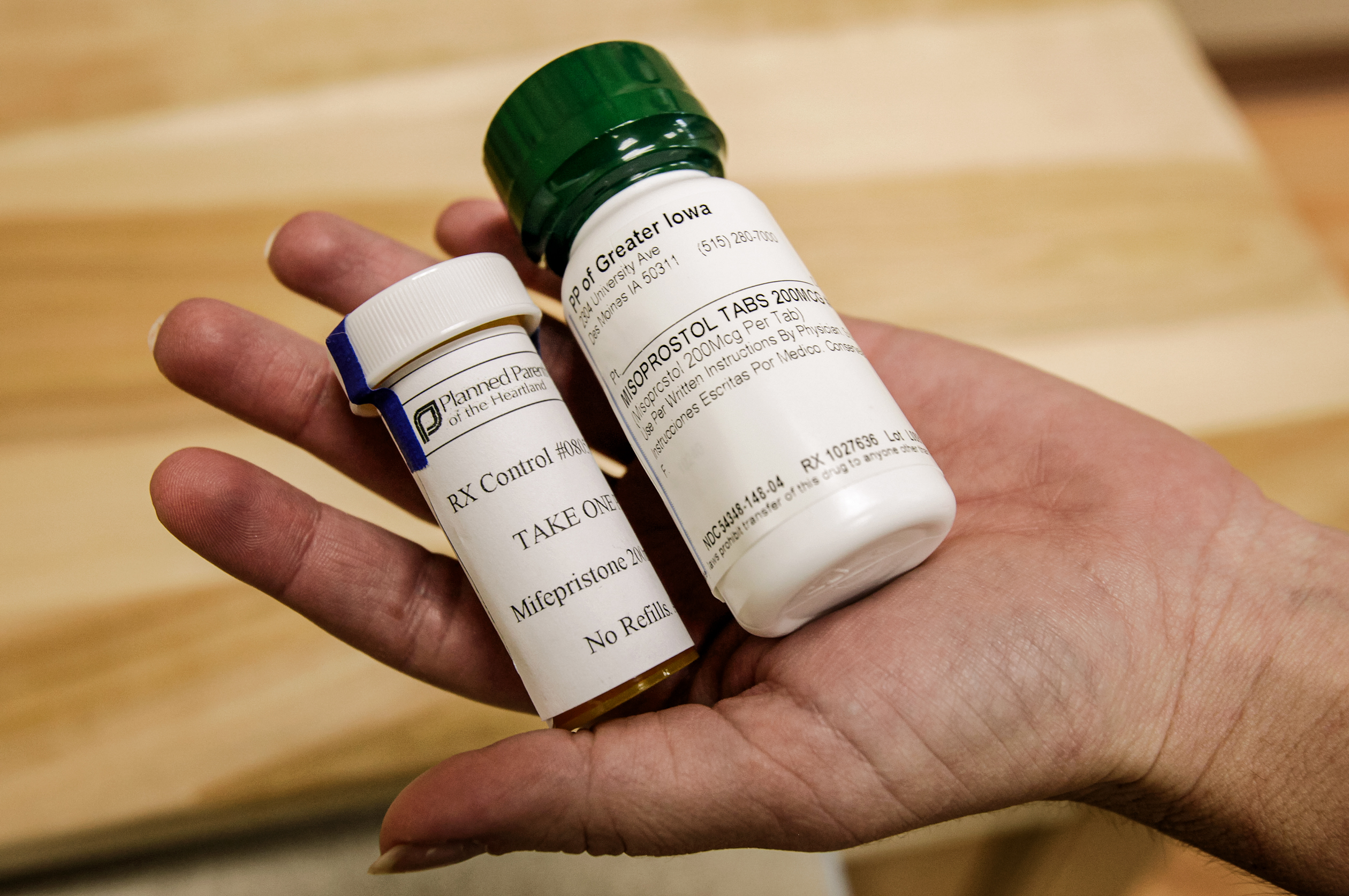

A California bill that authorizes doctors to prescribe the abortion drug mifepristone through virtual appointments and mail the pills out of state passed the Legislature on Sept. 10 and is now on Gov. Gavin Newsom’s desk for final approval.
Assembly Bill 260 protects health care providers, pharmacists, clinics, and hospitals from penalties for prescribing or dispensing mifepristone and allows a pharmacist to dispense abortion drugs without the name of the patient or prescriber or the name and address of the pharmacy on the label.
It also mandates insurance coverage for abortion medication, including through Medi-Cal, and expands access to the pills through telehealth services. Pharmacists would have to maintain a log of prescriptions that would not be open to inspection by law enforcement without a subpoena and would be barred from disclosing the information to people in other states.
Assembly Leader Cecilia Aguiar-Curry, a Democrat from rural Yolo County in Northern California, authored the legislation because she said she feared future uncertainty.
“AB 260 is about ensuring Californians have the freedom to make decisions about their own bodies without fear or interference from political agendas,” Aguiar-Curry said in a statement May 22, when the bill passed the Assembly. “It safeguards providers, strengthens access through telehealth, and ensures mifepristone—a safe, FDA-approved medication for over 20 years—remains legal and available throughout California, especially for those in rural and underserved areas.”
If signed by Newsom, AB 260 would authorize the state’s health department to adopt regulations specific to mifepristone and other abortion drugs, including exempting the drugs from certain requirements if the drugs are no longer approved by the Food and Drug Administration (FDA).
“This is especially important with the federal government trying to restrict access and the proposed state budget cuts to health care,” Aguiar-Curry added.
Planned Parenthood Affiliates of California sponsored the bill.
Critics have said the bill ignores risks to women.
The California Family Council opposed the bill, citing complications from taking the abortion medication. According to the council, a study published in April found that nearly 11 percent of women who took mifepristone experienced serious adverse effects such as hemorrhage, sepsis, or infection.
“AB 260 isn’t about protecting women; it’s about protecting an abortion agenda while ignoring the risks to the mother,” Greg Burt, the council’s vice president, said. “More and more evidence is emerging showing chemical abortions, while popular, are injuring women, but politicians want to hide or turn a blind eye to the evidence.”
Mifepristone, a drug used in combination with a second drug—misoprostol—is taken to terminate a pregnancy and was approved by the FDA in 2000.
In May, Health and Human Services Secretary Robert Kennedy Jr. announced that the agency would conduct a review of the drug’s safety.
Newsom criticized Kennedy’s decision, alleging that it was based on “bogus political research from a conservative organization.”
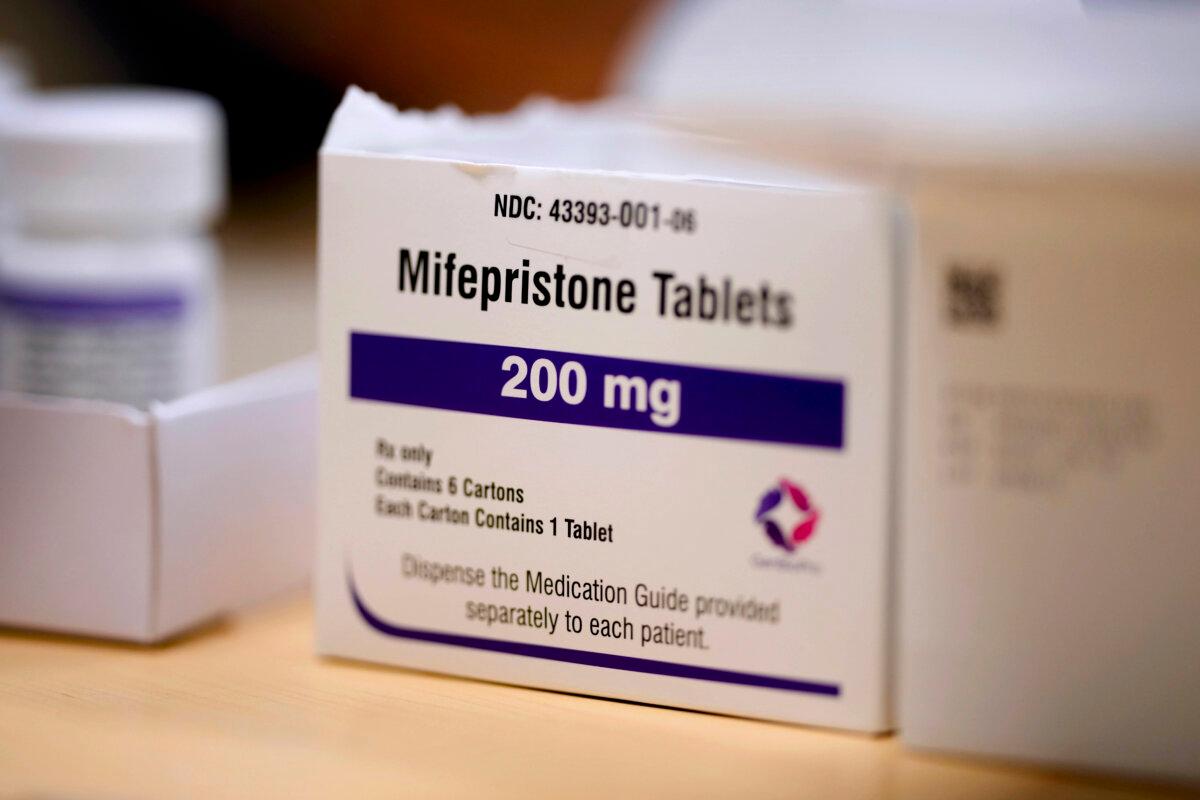
Mifepristone tablets in a Planned Parenthood clinic in Ames, Iowa, on July 18, 2024. (Charlie Neibergall/AP Photo)
“This is yet another attack on women’s reproductive freedom and scientifically reviewed health care,” Newsom said. “California will continue to protect every person’s right to make their own medical decisions and help ensure that mifepristone is available to those who need it.”
The latest bill to pass the Legislature is part of an ongoing effort by California to protect access to abortion following the Dobbs decision issued by the U.S. Supreme Court in 2022. In the decision, justices overturned the 1973 Roe v. Wade ruling that legalized abortion nationwide and sent the issue back to individual states to decide whether to allow abortion within their jurisdictions.
Twelve states now have abortion bans: Alabama, Arkansas, Idaho, Indiana, Kentucky, Louisiana, Mississippi, Oklahoma, South Dakota, Tennessee, Texas, and West Virginia.
A handful of other states have passed some restrictions on abortion, while California, Oregon, Washington, Minnesota, Illinois, New York, Vermont, Connecticut, Maryland, New Jersey, and Hawaii have expanded abortion access.