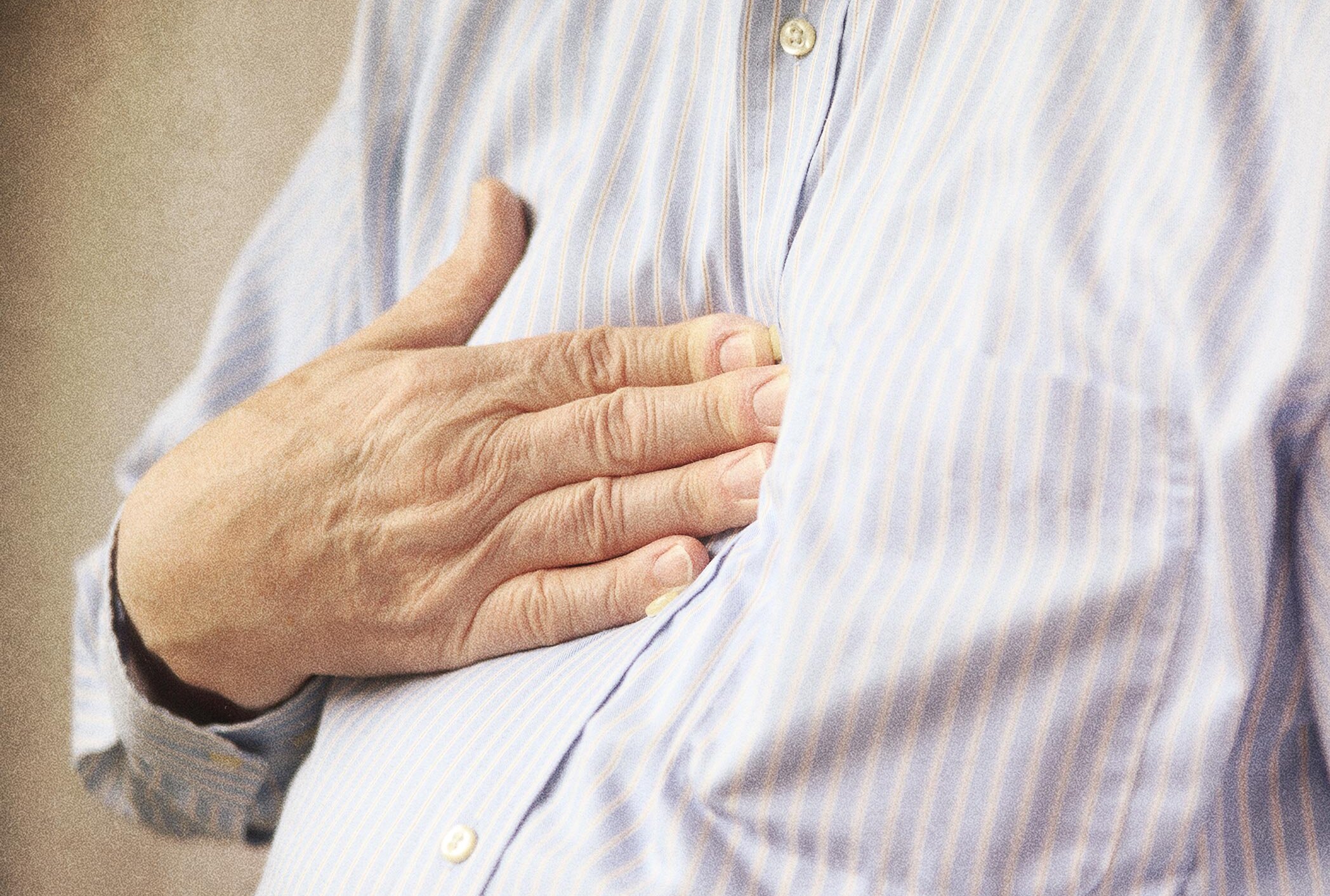
Ever felt a burning sensation rising in your chest after a hearty meal? You’re not alone. That discomfort is often caused by acid reflux—also known as gastroesophageal reflux.
Drawing from the principles of traditional Chinese medicine (TCM), a seasoned practitioner explores three primary causes of gastroesophageal reflux and shares tips to help you enjoy meals without digestive discomfort.
3 Main Causes of Acid Reflux
On NTDTV’s “She’s Health” program, Wen-Hao Hsiao from Taiwan’s Dingchang Chinese Medicine Clinic noted that normally, after food passes through the lower esophageal sphincter (cardia) into the stomach, this “gate” closes automatically to prevent stomach acid and food from flowing back into the esophagus. However, overeating can overfill the stomach, or a weakened sphincter may fail to close properly, allowing stomach acid to surge upward and irritate the esophagus, causing discomfort associated with gastroesophageal reflux.
According to Hsiao, from the perspective of TCM, gastroesophageal reflux is related to three main factors: improper diet, emotional imbalance, and chronic illness or age-related weakness.
1. Improper Diet
TCM categorizes food into four properties: warm, hot, cold, and cool. Warm and cool foods are relatively neutral and generally do not harm the body.
Below are the common categories of foods that can trigger gastroesophageal reflux disease (GERD).
Hot-Natured and High-Fat Foods
Hot-natured foods include spicy, grilled, and fried dishes, as well as high-fat foods such as biscuits, peanuts, and nuts. When eaten in excess or poorly digested, these foods can increase stomach acid secretion and aggravate gastroesophageal reflux symptoms. A study published in Nutrients found that high-calorie, high-fat diets are linked to an increase in these symptoms.
Dampness-Generating Foods
Dampness-generating foods typically include sweet or sticky foods such as cheese, chocolate, and refined starches. During digestion, these foods produce sticky substances that reduce stomach motility.
A survey revealed that adolescents who eat more than 50 grams of free sugars (monosaccharides and disaccharides) daily have a 60 percent higher chance of experiencing acid reflux into the throat compared with those who eat less of them.
Gas-Producing Foods
Carbonated beverages such as soda and beer can lead to gas buildup, worsening gastroesophageal reflux symptoms. It is recommended to avoid these whenever possible. Cold foods, such as frozen dishes, can reduce stomach motility, slowing digestion and leading to food accumulation, which can contribute to reflux over time.
2. Emotional Imbalance
Chronic stress can disrupt the autonomic nervous system, which consists of the sympathetic and parasympathetic nervous systems. Stress keeps the sympathetic nervous system, responsible for the “fight or flight” response, constantly activated, while the parasympathetic nervous system, which regulates gastrointestinal motility, becomes less active.
Additionally, people under stress often have irregular meal times or work immediately after eating, which impairs gastrointestinal motility. People under emotional strain also often turn to comfort foods that are high in fat, sugar, or caffeine—such as fried foods, chocolate, carbonated beverages, or spicy dishes—which can irritate the stomach lining and relax the lower esophageal sphincter. These factors increase the risk of gastroesophageal reflux, leading to symptoms such as heartburn, indigestion, and bloating.
3. Chronic Illness or Age-Related Weakness
Older people or those with chronic illnesses may experience reduced appetite, leading to irregular eating habits, which can impair stomach function and contribute to gastroesophageal reflux.
Gelatinous Foods Benefit Stomach Health
Research
shows that mucin can protect the esophagus from damage caused by stomach acid. Hsiao noted that certain gelatinous foods can promote mucosal repair, such as yams and wood ear mushrooms.
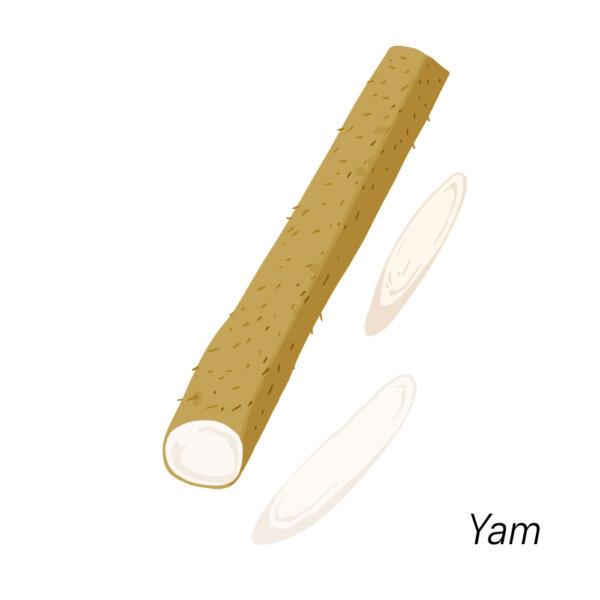
1. Chinese Yam
Chinese yam contains resistant starch, which helps regulate gut microbiota, promoting mucin secretion, and strengthening the epithelial barrier.
The Epoch Times
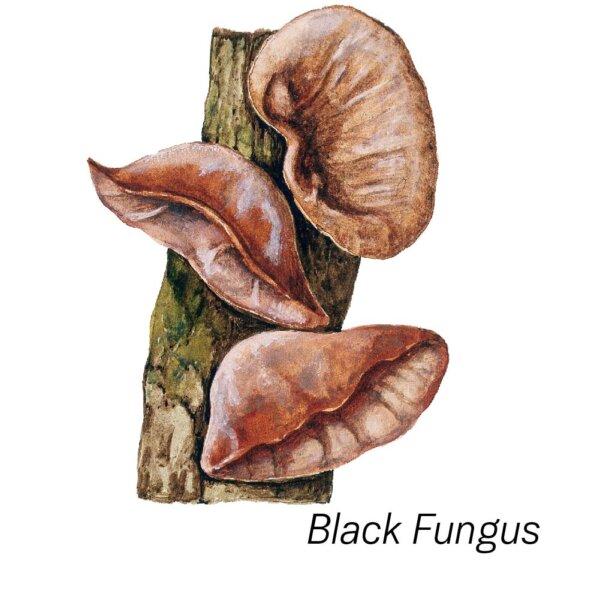
2. Black Fungus
Studies
indicate that black fungus (Auricularia auricula-judae), also known as black wood ear mushroom, is rich in slippery polysaccharides with antioxidant and immune-supporting effects.
In TCM, it is believed that “five colors correspond to five organs.” Black foods nourish the kidneys and blood, while white foods support the lungs. For gastrointestinal or liver-kidney issues, black wood ear mushrooms are preferred.
The Epoch Times
Meal Order Matters for Gut Health
When savoring a delicious meal, the order in which you eat your food matters. Eating in the proper sequence can help alleviate stomach pressure, enhance digestion, and minimize discomfort.
Hsiao recommends the “protein, vegetable, starch” approach. Start with protein-rich foods, such as eggs, milk, beans, or meat. Protein is the easiest macronutrient for your stomach to break down, helping it kickstart digestion efficiently. Next, move to vegetables, which are packed with fiber. They help coat fats and boost gut motility, making it easier for food to move through your digestive system.
Save starchy foods—especially refined ones such as white rice, noodles, or pastries—for last. These can form sticky substances that may slow stomach motility if eaten too early, leading to sluggish digestion.
Hsiao further suggests practicing “dry-wet separation” for liquids. Many people pair meals with soup or drinks, but too much liquid can dilute stomach acid, weaken digestion, and even trigger acid reflux. Instead, enjoy a small amount of soup or a beverage before your meal. If you need to drink during the meal, take small sips to moisten your throat, avoiding large gulps. Wait at least 30 to 40 minutes after your meal before drinking more to ease stomach pressure and lower the risk of gastroesophageal reflux.
Finally, Hsiao advocates an “inverted triangle diet”: a hearty breakfast, a moderate lunch, and a light dinner. For dinner, aim for smaller portions—about 60 percent to 70 percent fullness—to prevent overeating and overloading your stomach. This helps improve sleep quality and reduces strain on your digestive system.
4 Acupressure Points for Emergency Relief
TCM holds that
meridians are the body’s energy pathways, responsible for transporting “
qi and blood“ throughout the body. Specific points along these meridians, known as acupoints, can be stimulated through acupuncture or massage to treat corresponding conditions related to the organs.
Hsiao recommends regularly pressing the CV-12 and ST-36 acupoints to help maintain gastrointestinal health. For severe gastroesophageal reflux, when you’re experiencing acid regurgitation or burping and don’t have medication on hand, the Neiting and Tiantu acupoints can provide emergency relief when symptoms arise suddenly.
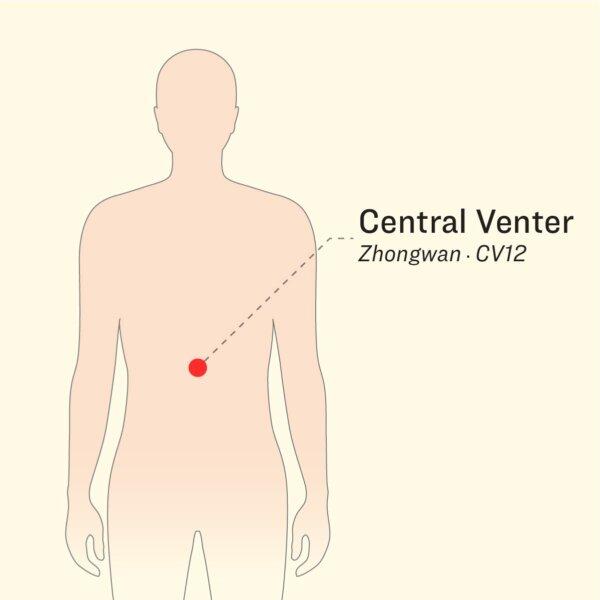
Zhongwan Acupoint (CV-12)
The Epoch Times
Location: On the upper abdomen, along the midline of the body, at the midpoint of the line connecting the lower end of the sternum and the navel, or approximately five finger-widths directly above the navel.
Method: Place your index and middle fingers together and press on the CV-12 acupoint. Inhale first, then press down firmly while exhaling.
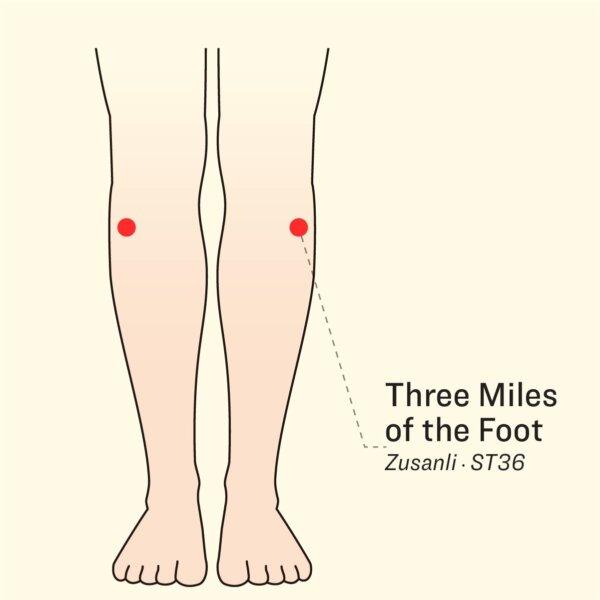
Zusanli Acupoint (ST-36)
The Epoch Times
Location: About four finger-widths below the outer lower edge of the kneecap, in the depression on the outer side of the shinbone.
Method: Use your thumb to press down on the ST-36 acupoint, then gently rub or knead the area. In addition to acupressure, daily moxibustion—gently heating the point with burning moxa—can also be effective.
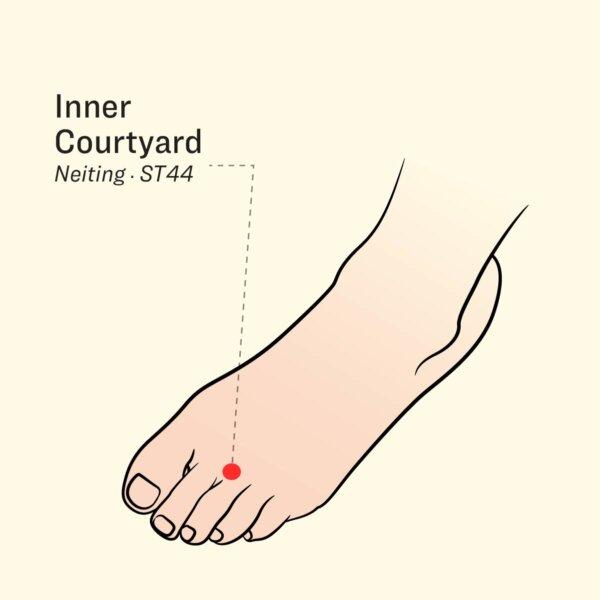
Neiting Acupoint (ST-44)
The Epoch Times
Location: On the dorsum of the foot, in the depression between the second and third toes, specifically between the second and third metatarsal bones.
Method: Use your index finger to press diagonally into the acupoint. Avoid pressing too hard, as this may cause strong pain. This point is particularly helpful for relieving stomach inflammation or discomfort from acid reflux.
It also helps reduce heat, relieve inflammation, and resolve food stagnation.
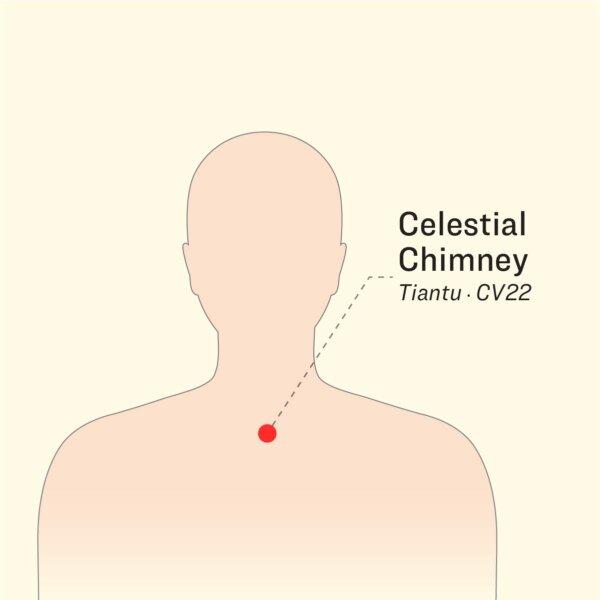
Tiantu Acupoint (CV-22)
The Epoch Times
Location: In the depression at the center of the collarbone.
Method: This acupoint lies on the posterior edge of the depression, not directly at the center. Press downward and then forward in a scooping motion. You can apply pressure while slightly tilting your head back or looking straight ahead.
This point helps relieve acid regurgitation and belching.