Do you ever wake up feeling heavy, swollen, sluggish, or simply “off”—even though your medical tests are normal? In traditional Chinese medicine (TCM), this cluster of symptoms is called dampness. It’s not about being wet on the outside—it refers to excess moisture and metabolic waste inside the body that slows circulation, digestion, and energy flow.
Dampness may sound abstract, but in TCM it parallels issues that modern medicine associates with poor lymphatic flow, sluggish metabolism, water retention, and chronic inflammation. It’s a pattern that develops gradually and weighs the body down—physically and energetically.
On the NTD (a sister outlet of The Epoch Times) program “She Health,” TCM practitioner and essential oil rehabilitation therapist Lai Ruixin explained how specific essential oils, combined with gentle acupoint massage, can help the body expel internal dampness and restore vitality.
Understanding ‘Dampness’ Through a TCM Lens
In TCM, dampness is a pathological factor—similar to inflammation or congestion in Western terms. It can come from two sources:
External Dampness: Living in a humid climate, spending long hours in damp basements or gyms, or being exposed to rainy, heavy weather.
Internal Dampness: Caused by weak digestive function, poor metabolism, excessive sugar or greasy foods, chronic stress, lack of movement, and insufficient sweating.
TCM sees the spleen and stomach as the body’s “digestive engine.” When they are overburdened, they fail to properly transform water and nutrients, leading to the accumulation of dampness. The result is internal heaviness—almost like a swamp bogging everything down.
9 Common Signs of Excess Dampness
1. Edema: When pressed, the skin turns white and is slow to rebound. Feeling your shoes become tight in the afternoon is a sign of lower-body edema.
2. Sticky or Loose Stools: Normally, healthy bowel movements are well-formed and shaped like a log. In people with excess dampness, stools tend to be unformed, mushy, or may look formed at first but break apart easily when flushed.
3. Itchy Skin: Examples include hives or rashes.
4. Blisters: Dyshidrosis is a common rash on the hands and feet, which is often itchy.
5. Strong Body Odor: Sticky, smelly sweat.
6. Pathologically Heavy Vaginal Discharge: Normal pre-ovulation vaginal discharge looks similar to egg white. However, because excess dampness heightens the risk of infection, pathological discharge may be white, yellow, or green, have a stronger odor, or appear clumpy.
7. Yellow Urine
8. Thicker Tongue Coating
9. Easy Fatigue
Essential Oils Help Eliminate Dampness
For those with symptoms of dampness, Lai recommended using essential oils to help eliminate dampness:
Juniper Berry: Juniper berry is used as a diuretic in TCM practice. It has anti-inflammatory, hypoglycemic, and hypolipidemic properties and has been shown in animal studies to improve metabolic disorders.
Cypress: Enhances circulation and helps move stagnant fluids—useful when dampness creates swelling or heaviness.
Grapefruit: Grapefruit helps increase blood circulation and reduce edema. Animal studies have found that inhaling grapefruit essential oil can promote fat breakdown.
Spice Essential Oils: Black pepper, ginger, and cinnamon essential oils can warm the stomach and intestines, reducing internal dampness.
How to Prepare the Massage Blend
Mix 10 milliliters of carrier oil with five drops of each of the above essential oils to create a 10 percent massage oil concentration.
Note: For first-time users, start with two drops of each of the four essential oils listed above, for a 4 percent concentration mixture. If there is no skin sensitivity, you can increase it to 10 percent.
Application
A 10-milliliter rollerball bottle is generally enough to last one to two weeks.
For first-time users, it is recommended to apply the oil to the soles of the feet, where the skin is thicker. If no adverse reaction occurs, move on to the back and then to other areas of the body. If the soles of the feet do not experience irritation, but other areas of the body do, the essential oil concentration is too high and should be diluted with more carrier oil.
Frequency of Use: Two to three times a day. More frequent application is recommended for severe symptoms.
This formula can reduce edema and is particularly effective for patients with severe edema caused by varicose veins, Lai said.
Targeting Key Acupoints to Clear Dampness Faster
Combining essential oils with acupoint massage amplifies results. Lai recommends focusing on four major points along the Stomach, Spleen, and Bladder meridians—meridians being the “energy pathways” of the body, similar to fascial or neural networks in modern anatomy.
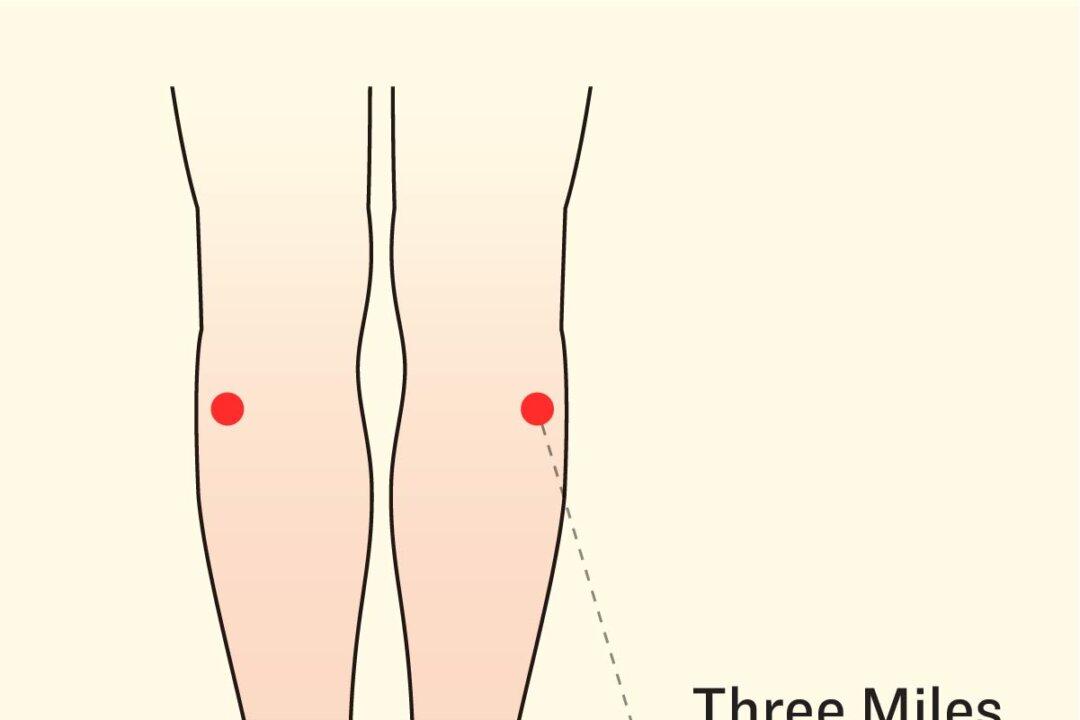
1. Three Miles of the Foot (Zusanli Acupoint, ST36): Located approximately four finger widths below the outer kneecap.
Zusanli is a key acupoint on the Stomach meridian and helps regulate the body’s metabolic function.
2. Abundant Bulge (Fenglong Acupoint, ST40): Located on a horizontal line midway between the outer kneecap and the outer ankle, one finger width outside the anterior tibia, at the thickest point of the muscle.
Fenglong is also a major acupoint on the Stomach meridian, helping to excrete metabolic waste.
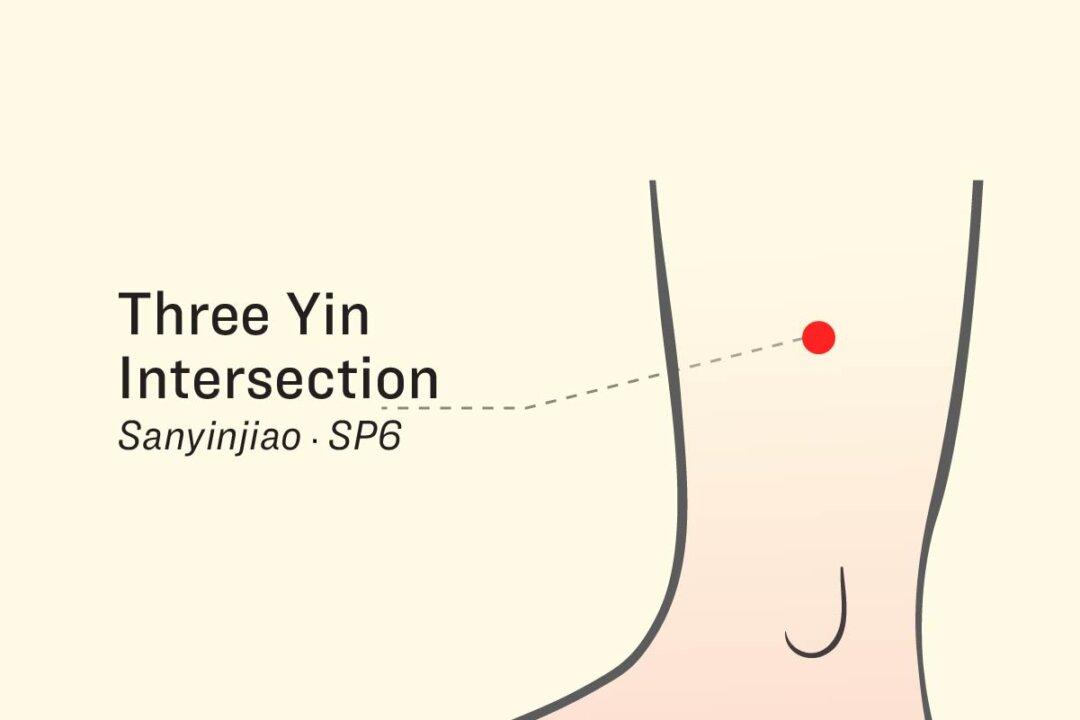
3. Three Yin Meeting (Sanyinjiao Acupoint, SP6): Approximately four finger widths above the tip of the inner ankle, in a depression on the inner edge of the tibia.
Sanyinjiao lies on the Spleen meridian and is important for digestive and gynecological well-being.
4. Supporting Mountain (Chengshan Acupoint, BL57): Located at the center of the lower edge of the calf tendon bulge.
Chengshan lies on the Bladder meridian and helps regulate urination, assisting the body in draining excess fluids.
Lai said that when applying essential oils, a light touch is all that is needed. Even lightly rubbing the oil on the skin, without massaging, is enough to achieve satisfactory results. However, to eliminate tightness, you can combine certain massage techniques for added relaxation.
She advised that gentle movements are important. “A friend of mine has a four-year-old child. The mother may have applied the essential oils by pressing too hard, which left the child’s back red. I told her to do it more gently, and the child was fine later.”
Another method Lai recommends is applying the massage oil to the feet and then soaking them in hot water. The feet are home to many acupoints, and combining essential oils with hot water can help promote energy circulation throughout the body.
Daily Routine and Diet to Avoid Dampness
In addition to massage to help remove dampness, Lai advised preventing dampness accumulation through lifestyle and diet:
1. Avoid foods that harm the stomach, including cold drinks and foods high in sugar and fat.
2. Exercise regularly to promote blood circulation and metabolism, as sweating can also help detoxify.
3. Avoid staying up late to allow enough time for your internal organs to rest.
4. Use a dehumidifier if you live in a humid environment.
5. Drink plenty of plain water. Neither coffee nor tea should be used in place of water. For those with excessive dampness, drink no more than one cup of tea or coffee a day.
Dampness may not be a familiar term in Western medicine, but the symptoms it encompasses—swelling, fatigue, sluggish digestion, and poor metabolism—are recognizable to many. TCM offers a practical, accessible approach to addressing these issues by combining essential oils, gentle acupoint stimulation, and mindful daily habits. By supporting the body’s natural ability to move fluids and clear waste, you can feel lighter, clearer, and more energized.
Whether you’re dealing with mild sluggishness or chronic edema, these simple techniques invite you to reconnect with your body’s rhythms and restore balance from the inside out.