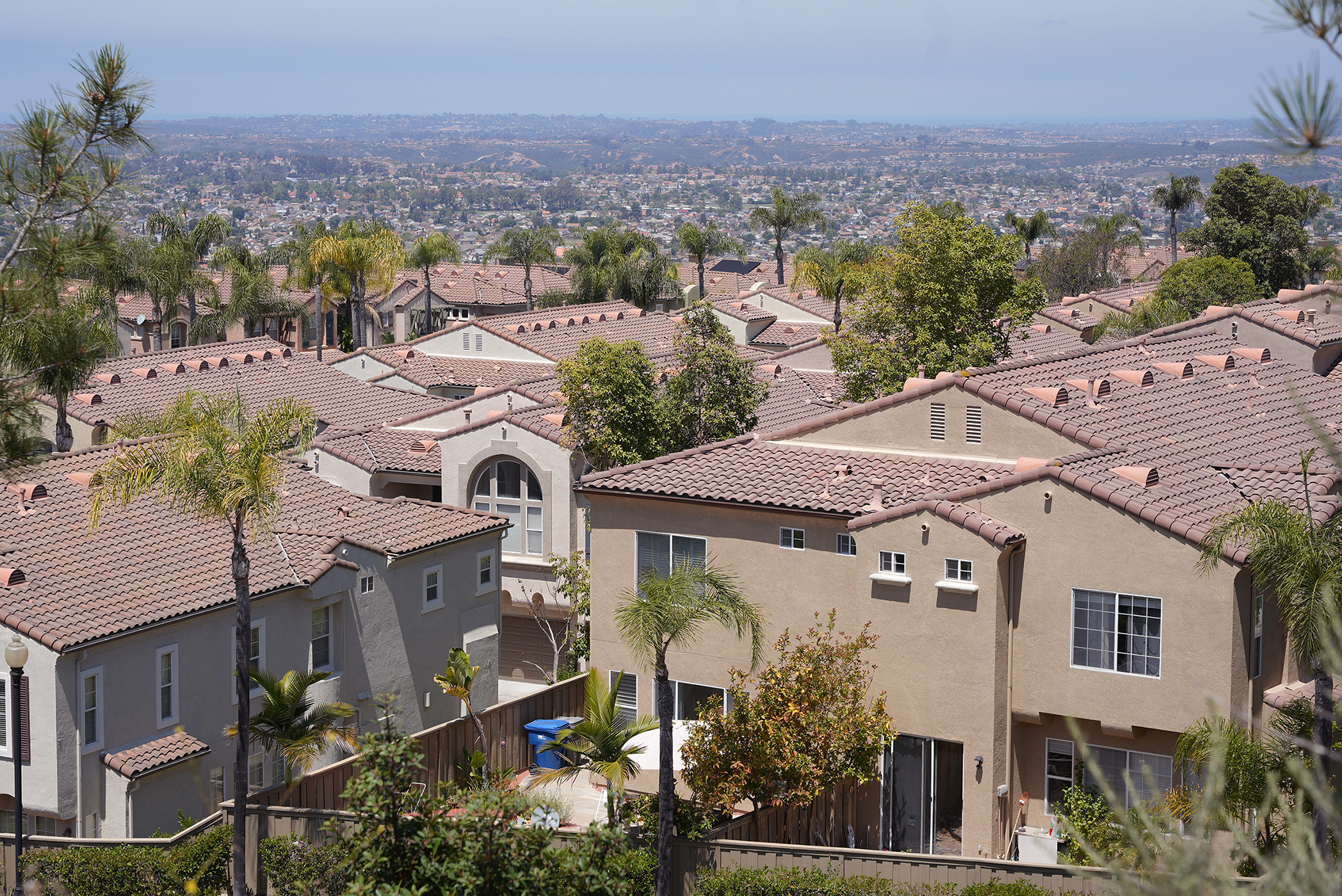

The California Assembly passed the Affordable Housing Bond Act on June 3, putting the $10 billion bond measure one step closer to reaching the voters.
Assembly Bill 736, proposed by Assemblymember Buffy Wicks, an Oakland Democrat, would authorize the general obligation bond measure to be placed on the June 2, 2026, statewide primary election ballot.
The bond would fund affordable rental housing and homeownership programs, including the Multifamily Housing Program, CalHOME, and the Joe Serna Jr. Farmworker Housing Grant, to provide aid to low-income and homeless families and individuals, according to AB 736.
A state Senate companion bill, SB 417, was introduced by Democratic Sen. Christopher Cabaldon of Yolo in February, at the same time as AB 736.
According to the state Legislature’s calendar, June 6 is the last day for each house to pass bills introduced in that house.
Mary Lynne Vellinga, spokeswoman for Cabaldon, told The Epoch Times that as of June 3, SB 417 has not been set for a hearing. She did not elaborate on the progress of the bill.
AB 736 passed the Democrat-majority Assembly on a 61–11 vote, receiving the two-thirds majority required.
“We have 187,000 folks experiencing homelessness every single night here in California,” Wicks said on the Assembly floor on June 3 before the vote. “Two-thirds of our lower-income renters are completely rent burdened. We have the second-worst homeownership rates in the country. ... We have to invest in affordable housing for our families that so desperately need a roof over their heads.”
She said California has more than 40,000 units that have gone through the permitting process and “are shovel ready,” but “[state lawmakers] don’t have the money for it.”
Assemblymember Carl DeMaio, a San Diego Republican, opposed the bill, citing previous bonds for high-speed rail that he said failed voters’ expectations.
“They were promised we would get private investment for that investment, that bond issuance. And it was a bait and switch. It is still today one of the most egregious boondoggles and wastes of taxpayer money,” he said.
“California has a fiscal crisis. We’re up against our debt limit, so now we’re going to take out the credit card and say, well, let’s do $10 billion more. Let’s get to the root cause of the problem. Reduce the cost of housing. Make California attractive again for private investment,” DeMaio told his colleagues.
AB 736 coauthor Democratic Assemblymember Sharon Quirk-Silva of Fullerton said: “I don’t disagree with my colleague who is concerned about all of the bonds that we have put forward, about how this bond-debtedness will play out in the future related to budgets.
“But there is a time where we cannot wait. We know that there’s generations now, not one generation, but more than one generation of young individuals that feel that California is not the place they’re going to call home, simply because it is unaffordable.
“It will be up to the voters, and it will be up to us to ensure that those dollars are used wisely, not recklessly.”
The bill’s coauthor, Democratic Assemblymember David Alvarez of Chula Vista, said low-income people need help.
“The solution to the housing crisis is not just making it easier and faster to build housing,” he said. “There are some people, unfortunately, in the state who need subsidized housing. This funding, this bond, will allow for funding to support housing for that population.”
Republican Assemblymember David Tangipa of Fresno, who opposed the bill, said the state has spent tens of billions on homelessness, but the number of homeless people continues to rise.
“The current model we have in this state is not working, and more money is not a solution,” he said. “We’ve got to completely revamp this entire approach.
“We’ve got to find another approach before we put this on the back of more Californians who can’t afford an ever-increasing debt that really hurts the next generation when we can’t even meet our bills today.”