
SAN DIEGO—Swipe left, another swipe left, swipe right, match, and it’s a date. It could be happily ever after, or it could mean becoming an unwitting international smuggler and accomplice to the cartels.
One of the latest tactics drug and human smuggling organizations are using to further their illicit cross-border activities involves taking advantage of lonely hearts, luring people searching for love south of the border, and turning them into so-called “blind mules.”
“They’re using a dating app to recruit somebody into Tijuana,” Chief Patrol Agent Justin De La Torre of the San Diego Sector said. “That person meets up with someone—and doesn’t know it—but they’ve got a magnet load of drugs underneath their car or a person put in the trunk of their car, and then that person drives into the U.S.”
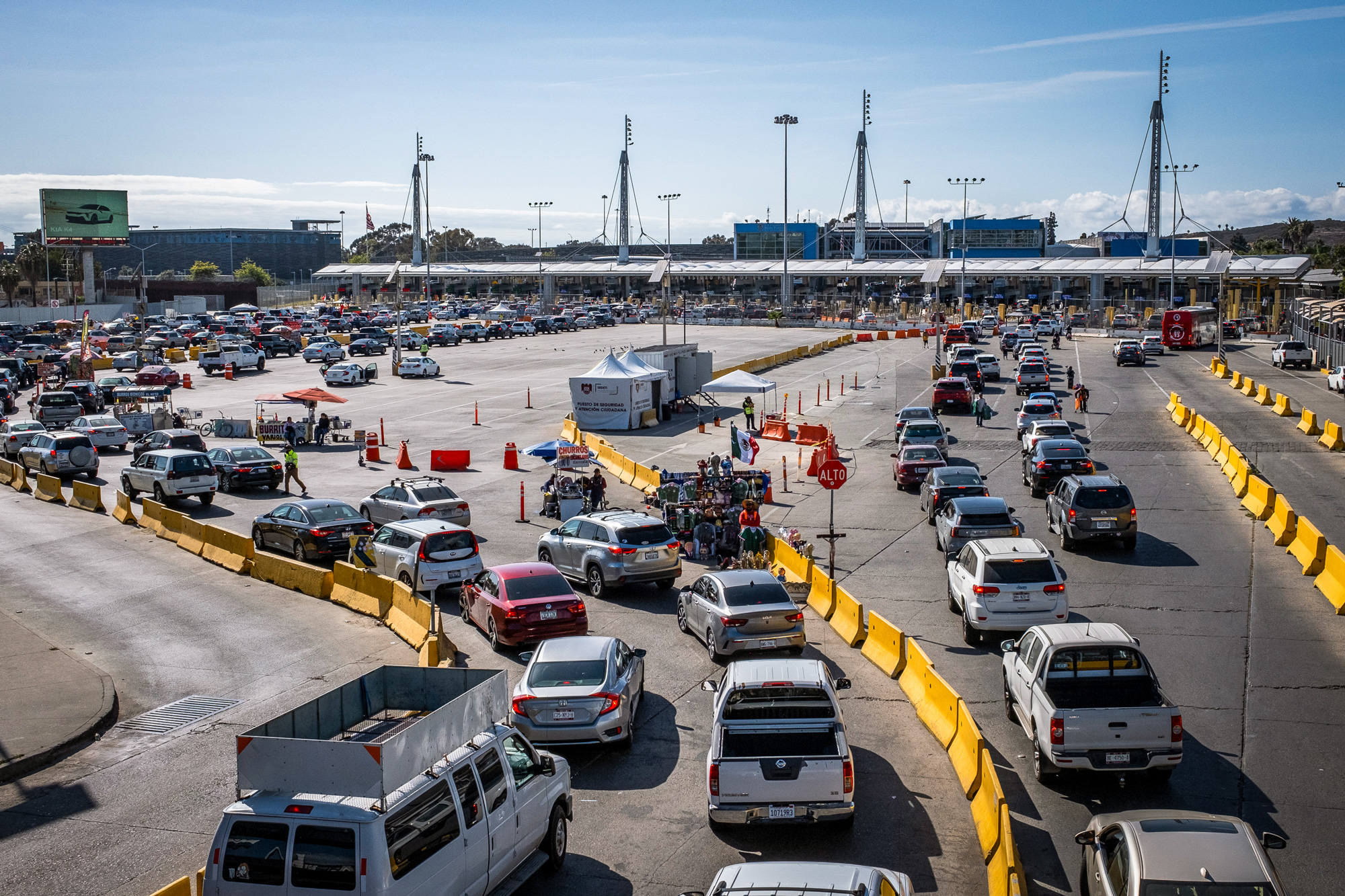
Customs and Border Protection (CBP) took The Epoch Times for a ride-along with De La Torre and behind the scenes at the San Ysidro Port of Entry—the busiest land border crossing in the Western Hemisphere. The Epoch Times also had exclusive conversations with San Diego Director of Field Operations Sidney Aki and Port Director Mariza Marin of the San Ysidro Port of Entry.
President Donald Trump recently touted 15 straight months of zero releases at the border and a 94 percent drop in apprehensions.
Several CBP officials, including the San Diego leaders, have credited this success—plus record highs in drug seizure amounts and record lows in illegal crossings—to Trump’s tough border policies, which allow them to fully focus on security.
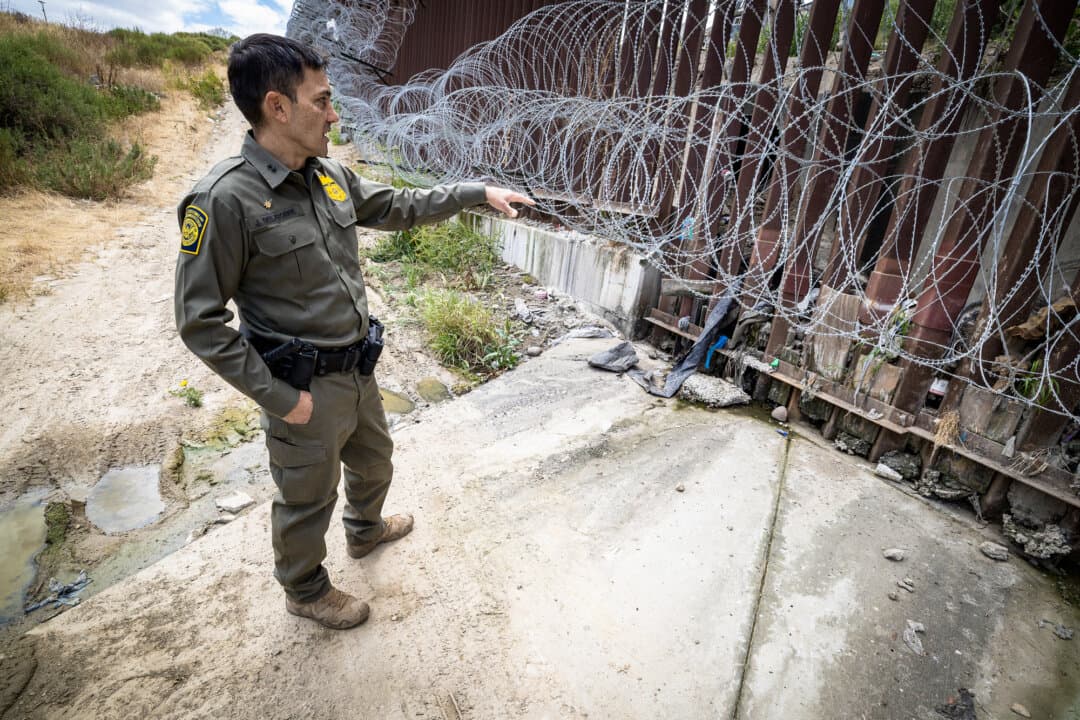
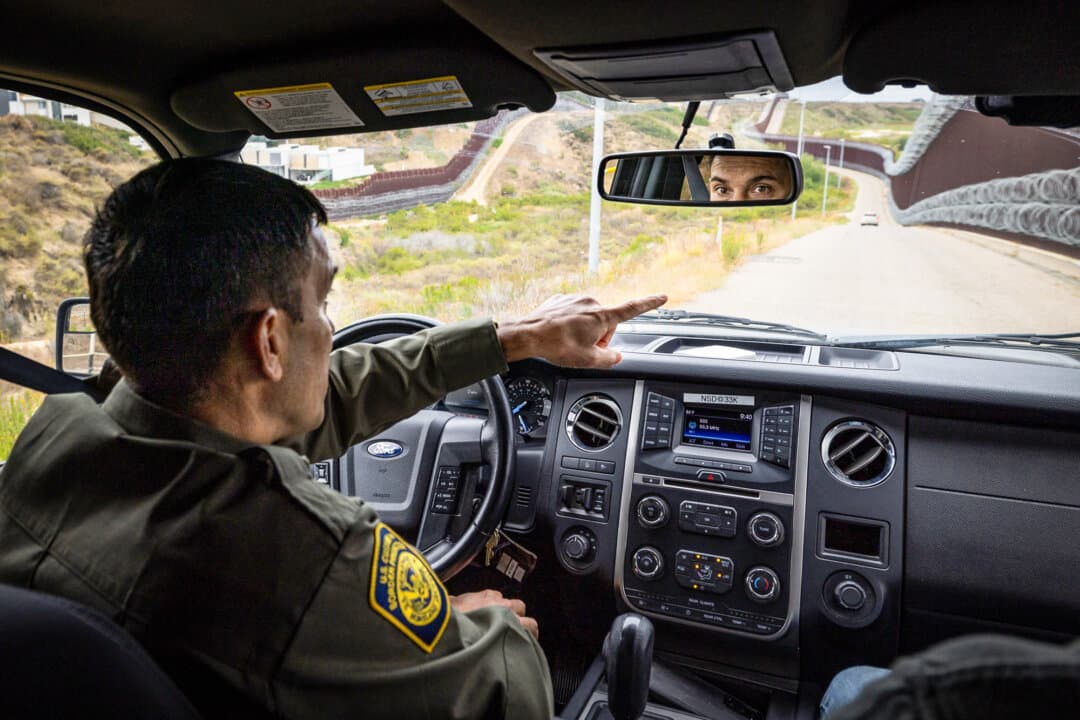
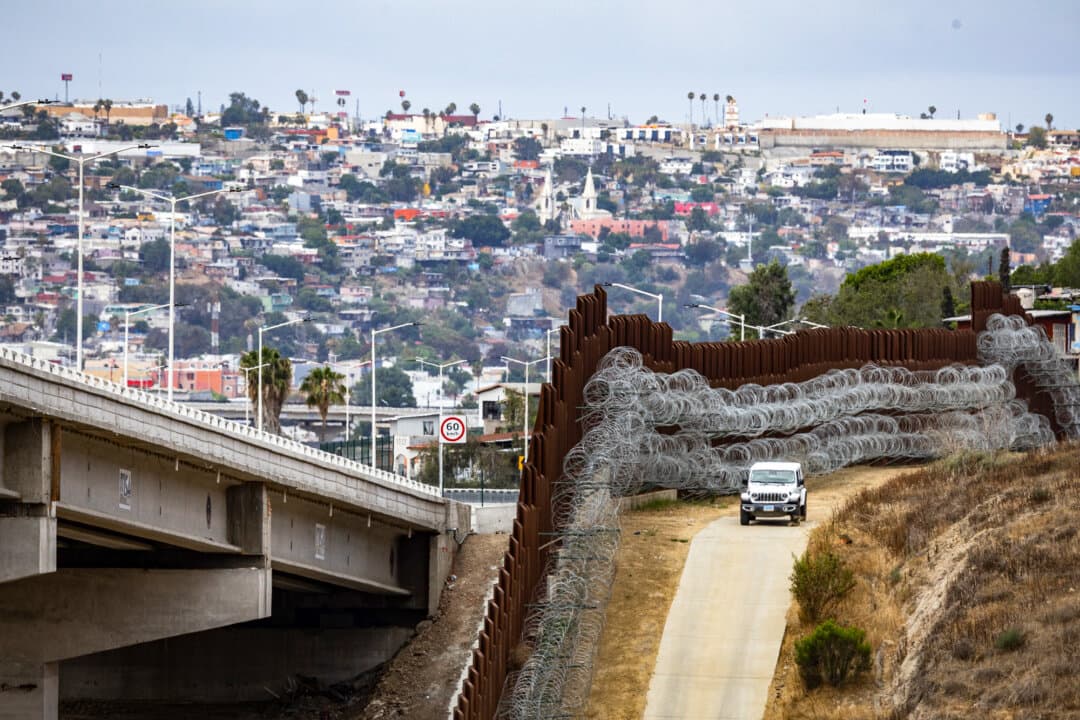
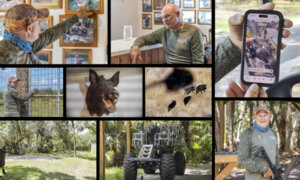
(Top, Bottom Left) Justin M. De La Torre, chief patrol agent for the U.S. Border Patrol's San Diego sector, monitors the southern border wall outside of San Diego, on May 27, 2026. De La Torre said cartels are using dating apps to engage unsuspecting travelers in drug or human smuggling. (Bottom Right) U.S. Border Patrol agents monitor the southern border outside of San Diego, on May 27, 2026. (John Fredricks/The Epoch Times)
As De La Torre, Aki, and Marin discussed these achievements, they also shared details about the cartels’ ever-evolving and relentless operations.
But compared to a couple years ago, they said, cartel activity now happens with much less success.
Previously, under the Biden administration, border agents were saddled with humanitarian efforts as opposed to enforcement of immigration laws.
The recent policy shift, the San Diego leaders and CBP officials told The Epoch Times, has allowed the agency to achieve the most secure border in their lifetimes and in American history.
But the cartels have not been dissuaded, Aki, Marin, and De La Torre stressed. The criminal organizations continually adapt, using new and old strategies to maintain their human and drug smuggling operations.
“Cartels are basically a business,” Aki said. “I’ve been in service for roughly 30 years. I’ve seen narcotics come through trunks, through roof panels, through quarter panels to rear panels to tires to spare tires—everything. We continue to see that, but we also see new, innovative ways.”
Dating, Social Media Apps
One method cartels use to create a blind mule involves dating apps.
Someone from the United States matches with a cartel member, who lures the individual south of the border for dinner, a movie, or drinks, while another cartel member loads the distracted person’s vehicle with narcotics, or in some cases, a person.
When the date is over and it’s time to drive back across the border into the United States, unbeknownst to the individual searching for a romantic connection, he or she becomes an international drug or human smuggler in the process.
The so-called blind mules express astonishment and disbelief upon attempting to cross back into the United States and being searched by border agents, who have found kilo-sized parcels of drugs and sometimes humans hidden in their vehicles, Marin said.
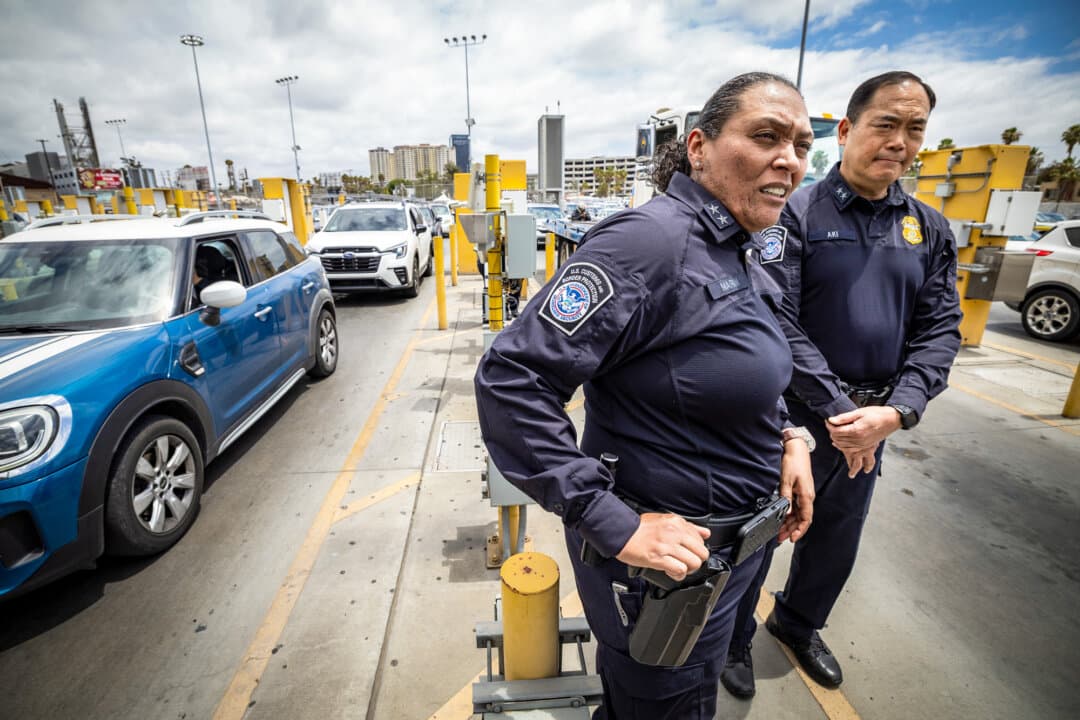
Sidney Aki, director of field operations at Customs and Border Protection's San Diego field office (Right), and Mariza Marin, Customs and Border Protection's San Ysidro Port director, view border entries at the San Ysidro Port of Entry outside of San Diego, on May 26, 2026. (John Fredricks/The Epoch Times)
Upon further investigation, these blind mules have been able to show proof of their phoney romantic meetings, such as restaurant receipts, or authorities have been able to obtain video surveillance from the location of the date to further corroborate their stories.
Typically, the unassuming individual does not show physical indicators of guilt or nervousness when being questioned, Marin and Aki said.
They are simply shocked.
If the blind mule’s load goes undetected by border agents, a stateside cartel member will track down the car and retrieve the package of drugs. If it’s humans that were smuggled, they’ll vacate the vehicle at their earliest convenience.
The rise of this tactic at ports of entry tells De La Torre that Border Patrol, which secures the space between ports of entry, is adequately protecting its areas of responsibility, he said. Compared to as recently as two years ago, Border Patrol dealt with what he described as thousands of instances of drug and human smuggling every day.
Supply and demand for being smuggled into the United States under the Biden administration was high, De La Torre said, but now illegal crossings are down to historic lows and word of Border Patrol’s success has circulated. The cartels are, like a business, trying to recover those lost profits and have resorted to attempting to recruit individuals through social media into their smuggling schemes.
Criminal organizations will spread misleading social media posts, claim to have safe passage, show old or fake videos as proof, and make promises to vulnerable individuals looking for a better life.
Although using dating or social media apps to further illicit cross-border operations is a newer tactic, it’s “nothing new in terms of the cartel lying to people,” De La Torre said.
A spokesperson for Match Group, the parent company of Tinder and Hinge, said the company invests heavily in advanced detection systems to prevent harm to users and collaborate with law enforcement to address suspected criminal activity on the apps.
“We have zero tolerance for the use of our platforms to facilitate human trafficking, smuggling, or any other criminal activity,” the spokesperson said in an emailed statement to The Epoch Times. “When we identify such conduct, whether through our own detection systems or user reports, we take appropriate action, including removing accounts and banning users across our portfolio.”
Bumble, another popular dating platform, did not respond to a request for comment.
Meta, which owns Facebook and Instagram, likewise provided an emailed statement, saying cartels and criminal organizations are not allowed to have a presence on its apps. A spokesperson said Meta has worked with more than 20 organizations on preventing human exploitation and addressing the ever-evolving forms of trafficking and smuggling.
The spokesperson added that Meta has a high “proactive detention rate” for this type of content, meaning the company finds and removes it before another user reports it.
“We don’t tolerate cartels or their content on our platforms,” the spokesperson wrote. “These groups are banned, and content that promotes or facilitates human smuggling, drug smuggling, or exploitation is removed when we identify it.”
TikTok did not respond to a request for comment.
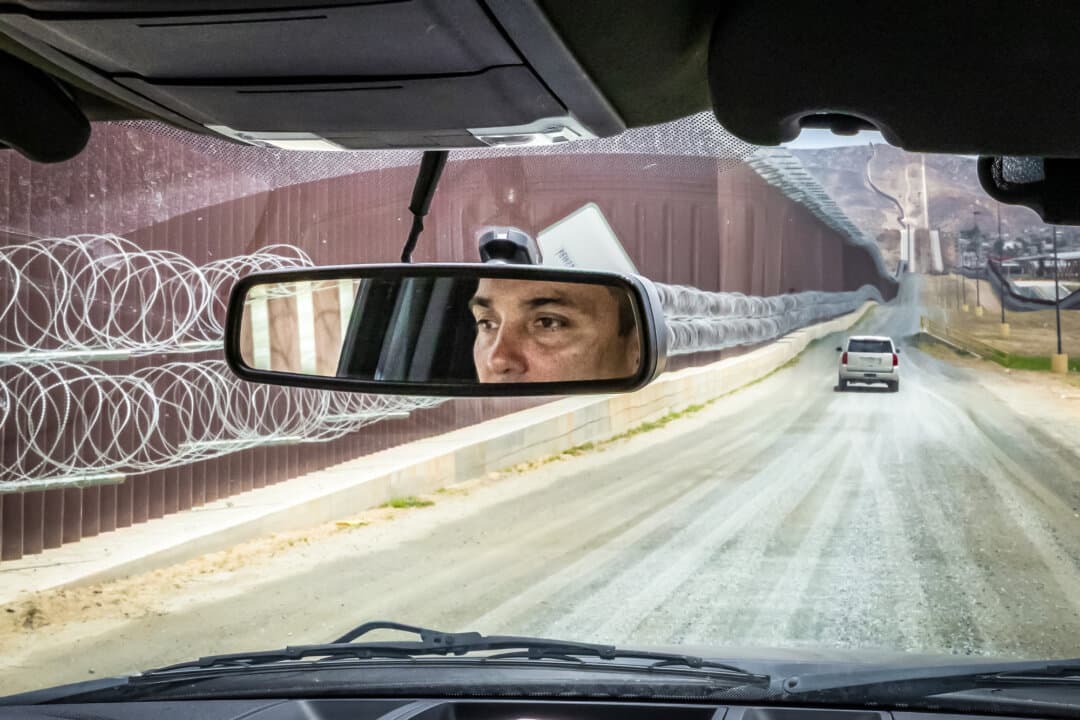
Justin M. De La Torre, chief patrol agent for the U.S. Border Patrol's San Diego Sector, monitors the southern border wall outside of San Diego on May 27, 2026. (John Fredricks/The Epoch Times)
Stalking
A more sinister method cartels use to manipulate and exploit blind mules involves intimately tracking them.
“They are going to work or coming into the United States on a routine basis. Organizations are identifying that, leveraging that, leveraging the consistency in which we are all very much humans—we like consistency,” Aki said. “That plays a role with regards to how [cartels] utilize and leverage that to get drugs [into] the United States.”
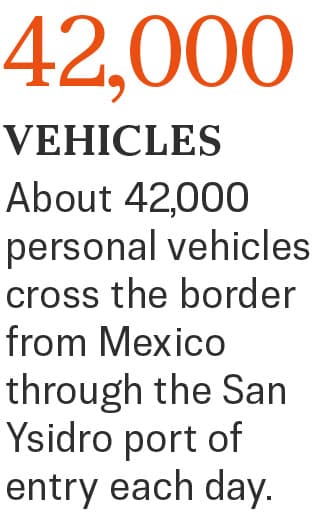
Tens of thousands of individuals cross from San Diego into Tijuana through the San Ysidro Port of Entry every single day. and an average of about 42,000 personal vehicles cross the border from Mexico to San Diego through the port of entry each day. Many are going to and returning from work, school, shopping, or doctor’s appointments.
The cartels are interested in these predictable travelers.
“The convenience could be our own worst enemy,” Marin said. “These travelers are commuters. They have the same routine every day. They cross, they leave their house at 7 a.m. to get here to get to work by 9 a.m. ... We know they’re going to the same place every single day. ... The smuggling organizations are keyed in to that.”
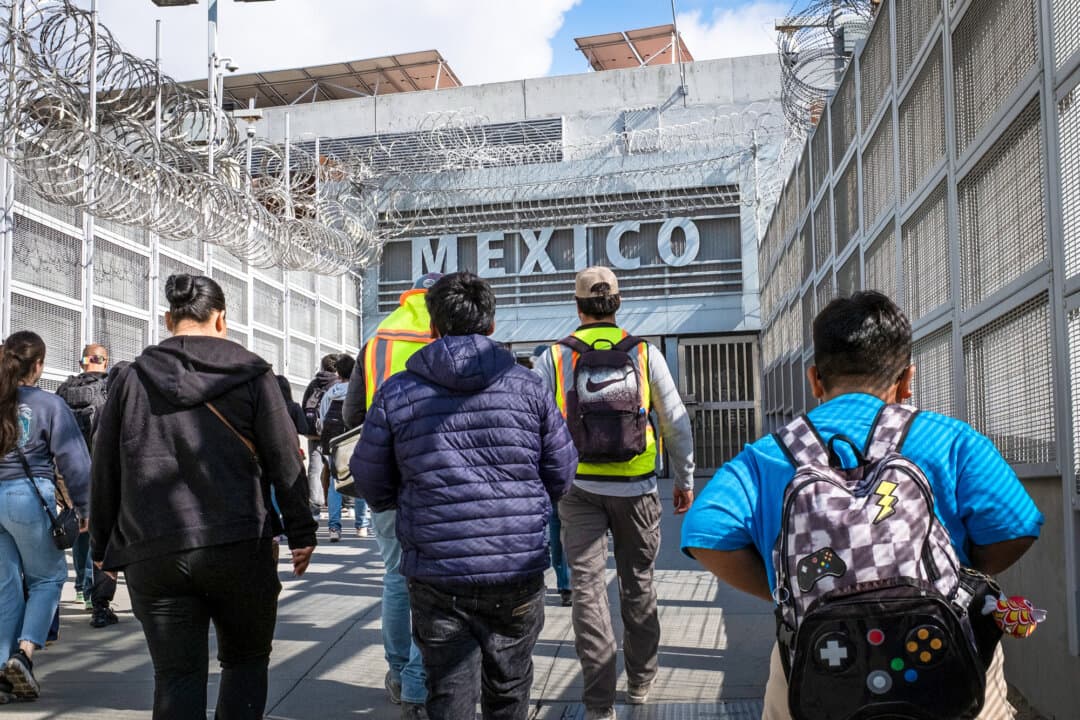
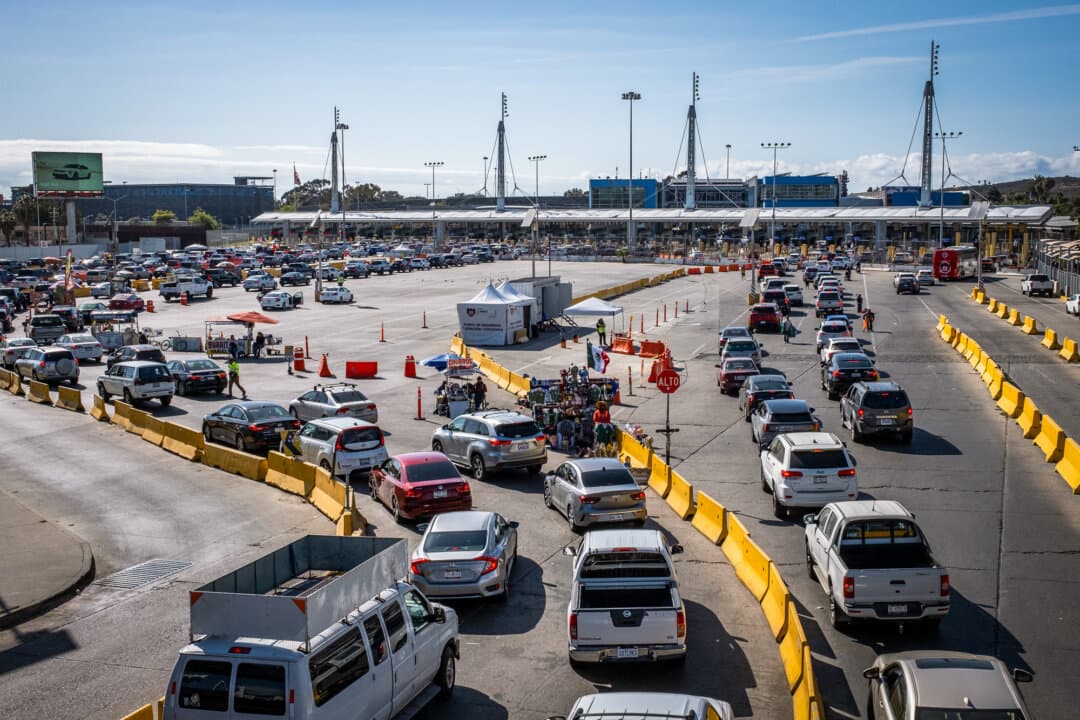
(Top) People prepare to enter Mexico outside of San Diego on May 26, 2026. (Bottom) Entry traffic at the San Ysidro port of entry near San Diego on May 26, 2026. (John Fredricks/The Epoch Times)
Often, a magnet with illegal drugs and GPS will be attached to a car so cartels can track and relay the location to someone on the U.S. side of the border. Aki and Marin said they’ve seen video surveillance of a suspect retrieving packages from a blind mule’s vehicle.
“The driver is unwitting in this whole thing,” Marin said. “They’re innocent, but because they have a regular routine and they park in a public place—smuggling organizations look out for that.”
Aki said this scenario “happens more often than not” because of the heavy commuter traffic every day through the San Ysidro entry point.
Sometimes, the cartels will put a tracker on individuals before loading their vehicle with drugs or a human to ensure the prospective blind mule sticks to their routine.
“We are all creatures of habit,” Aki said. “We get up, have our coffee, we drive in here a certain time, and we park. Guess where we park? The same exact place if we can, every single day.”
The ideal candidate to smuggle drugs or a human through a port of entry is one who has no apprehension or anxiety—or knowledge they’re becoming an international smuggler, he noted.
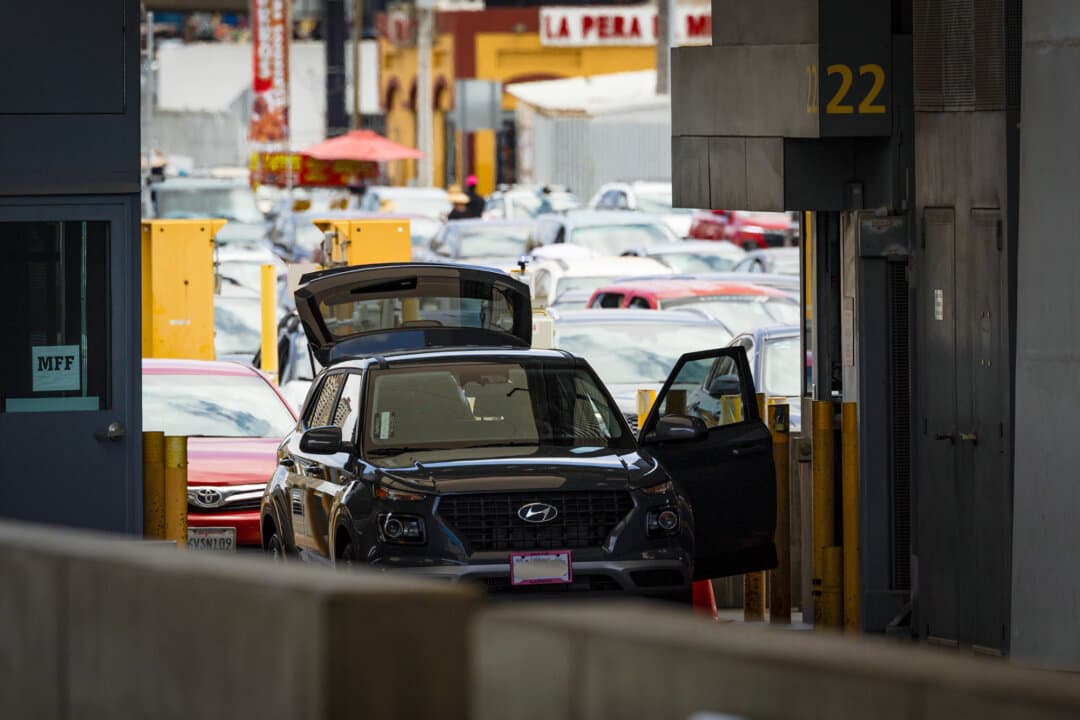
A vehicle is searched at the San Ysidro Port of Entry outside of San Diego on May 26, 2026. (John Fredricks/The Epoch Times)