Alejandro Rios’s father had a decision to make: It was 1962, his family was living in the United States, and every year they traveled back to Cuba to visit extended family.
But this year was different. The island nation’s leadership had recently been overthrown by communists, and U.S.–Cuba relations were breaking down.
Rios said his father spoke to an official at the Cuban consulate, who warned him: “This is maybe the last time you can go over there and return … but maybe you won’t be able to come back.”
Concerned he might not see his parents again, Rios’s father decided to move the family back to Cuba. It didn’t take long for them to realize something was terribly wrong, but it was too late, and they were trapped.
His family had come to the United States when Rios was five; they returned to Cuba when he was about 12, and it took him three decades to get out again. In 1992, at age 40, Rios fled to the United States with his wife and has lived in Miami since then.
“We lost 30 years of our life,” he said.
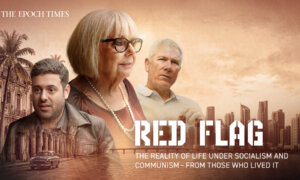
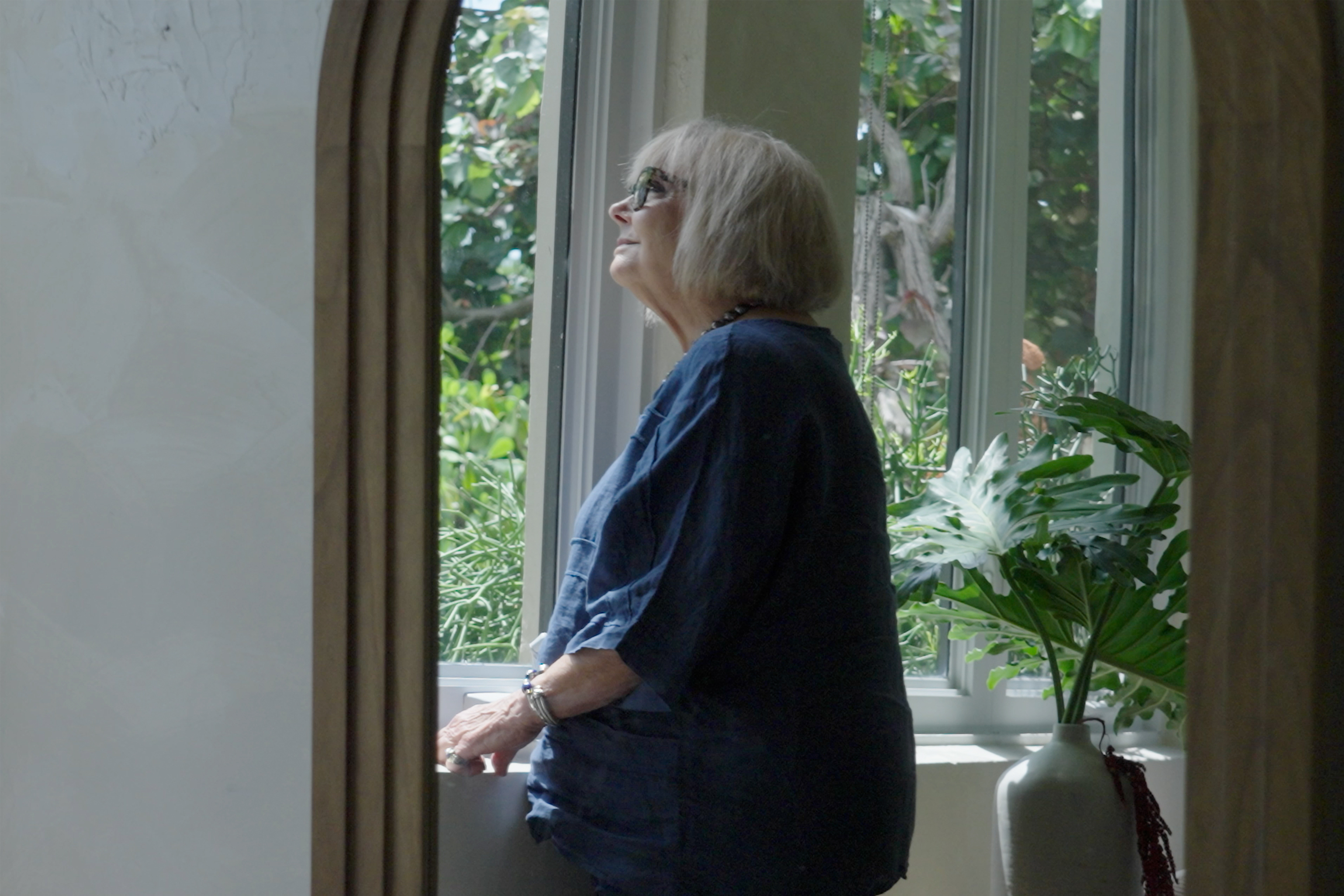
Amid the rise of socialism in some sections of American society, Rios and others who escaped communist rule in Cuba and Venezuela sat down with The Epoch Times in a new documentary, “Red Flag,” to detail what life was like under those regimes and to issue a warning to Americans enamored by socialist and communist ideology.
‘From Heaven to Hell’
Fidel Castro toppled Cuban dictator Fulgencio Batista in a communist revolution in 1959.
Ninoska Pérez Castellón told The Epoch Times that, contrary to Hollywood film portrayals, there was no party atmosphere when the revolt broke out in Cuba. Officials were somber, and the people knew something was coming.
Her father, an official with the Batista regime, was summoned for a meeting on Dec. 31, 1958, the night before the government was overthrown.
Castellón recalls her mother immediately putting his passport in his pocket and telling him: “If Batista leaves, you don’t stay. We will be fine, but don’t stay.”
“Sure enough, they get to the meeting; That’s when supposedly the American ambassador had told Batista it was better if he left,” Castellón said.

Fidel Castro addresses a crowd from a podium in Camaguey, Cuba, on Jan. 4, 1959, three days after taking power. (Hulton Archive/Getty Images)
Batista fled to the Dominican Republic, and her father took a flight to New Orleans.
“And the next morning, it was like [going] from heaven to hell,” Castellón said.
A mob gathered outside her home—some were armed, and some attempted to ransack it.
The rebels kept returning, searching for her father. At one point, two revolutionaries began to argue over who would take possession of the family’s car; one fatally shot the other.
Castellón said that, although she was only eight years old, she immediately understood.
“If these are the good guys and this is a revolution, something is wrong here,” she said to herself. “Sure enough, they come in a few days later, and they confiscate the house.”
Castellón is now a radio host and prominent member of the Cuban exile community in Miami.
Over the past 25 years, Venezuela’s political path has closely mirrored Cuba’s move toward authoritarianism.
Unlike Castro, however, who took power through armed revolution, Hugo Chávez was democratically elected. After previously failing to overthrow the government, Chavez was elected president of Venezuela in 1998, running on a platform of addressing poverty and government corruption.
Francisco Poleo, a media executive and journalist, told The Epoch Times that he knows many Venezuelans, whom he now describes as “ultra-conservative,” who were willing to give Chavez a chance.
“They were extremely hopeful. … They voted for Chavez because they wanted a radical change in Venezuela,” Poleo said.
Chavez nationalized many of the country’s industries, and introduced price controls to lower the cost of goods. Those policies ran the nation’s economy into the ground, but alliances with China, Russia, and Cuba kept the regime afloat.
The Modus Operandi
The exiles said Castro and Chavez initially garnered popular support by promising change and prosperity, a tantalizing prospect for the poor who were fed up with government corruption.
But neither dictator delivered on those promises and both countries descended into more poverty.
“Here comes Fidel. Oh wow, rock star, right? He’s a rock star. He just shows up. He’s going to fix everything, right? Which is the modus operandi of every socialist and communist,” Rick Gonzalez, an architect in West Palm Beach, Florida, said.
Soon after the revolution, government agents arrived at his grandfather Enrique’s farm, ready with paperwork.
“Here are your bonds,” they told him, Gonzalez recalled.
“‘You need to sign them over, so that we’re going to occupy your farm. … Yeah, this is your farm, but you’re generously giving it to the government, so that we can reorganize everything in our authoritarian world that we’re creating here in this country.’ He had no choice.”
After Castro’s revolution, the new regime carried out executions by firing squad.
“The firing squad began very early in the revolution, like the first days,” Castellón recalled.
Those executed were not always aware of any charges, she said, and no trial was held.
“At the beginning, they targeted Batista’s regime, but then eventually it became everybody. So it was the guy that spoke against it, the doctor that refused to do something they wanted, the attorney that wanted to defend someone,” she added.
Mario Iván Tabares grew up under the communist regime in Cuba, identified as a rising tennis star from a young age. He wanted to advance his career, but in the 1980s, government officials clipped his wings.
The regime wanted him to remain at amateur status rather than go professional and bring “glory for the country.”
“I was supposed to play like eight more tournaments, big ones, big tournaments in Europe to finish the year, and then the government says ‘no, no, you’re not allowed to do that,’” he told The Epoch Times.
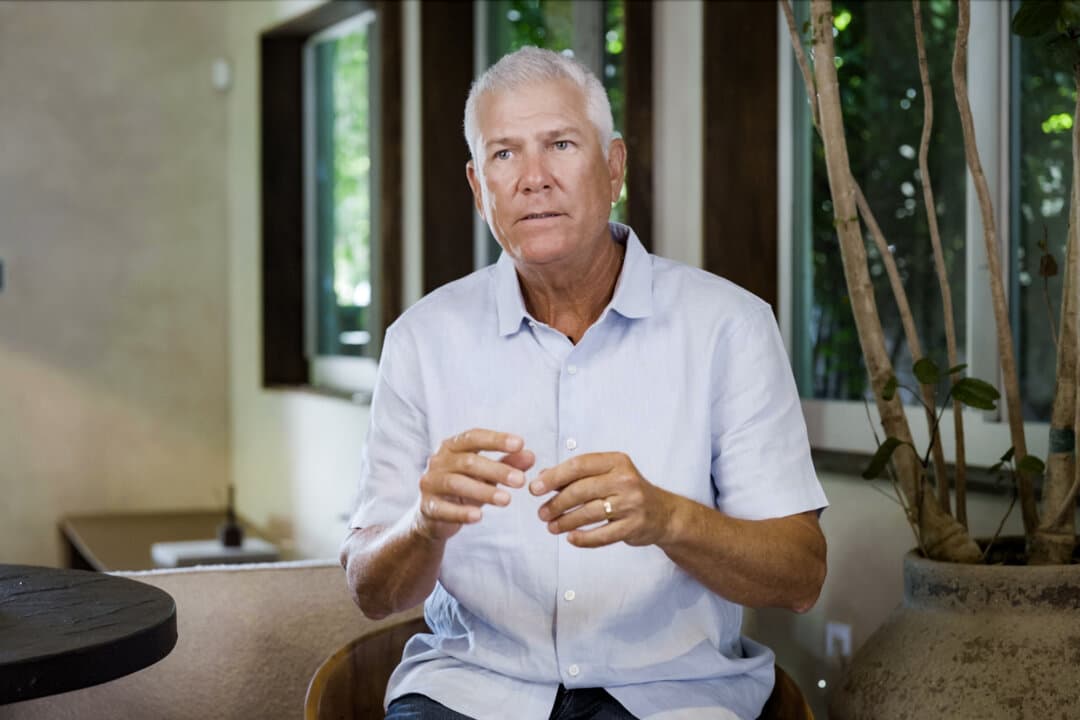
Mario Iván Tabares, a Cuban American exile and former professional tennis player, during an interview in Miami on Sept. 12, 2026. (Paulio Shakespeare for The Epoch Times)
“We need you because you represent the Cuban socialists, to support our communist system,” Tabares said the officials told him. “We don’t need the money. We need the medals.”
Tabares, once a successful tennis player on the world stage, escaped his Cuban team during an international tournament in Mexico in 1994. He crossed the border in Tijuana and sought asylum in the United States. He now lives in Miami and works as a tennis instructor.
Poleo’s family had to flee, one by one, as they became targets of Venezuela’s administration. His oldest sister left first—she was an investigative reporter and was looking into the government, he said.
She fled by boat to Curaçao, and then in 2005, to Miami. His father, a former politician and newspaper owner, fled in 2008 after a comment warning Chavez he might end up like Italian fascist Benito Mussolini.
Eggs Per Month
Food scarcity and communism go hand in hand. After the Khmer Rouge seized control of Cambodia, for example, the country was plunged into a famine that claimed the lives of between 500,000 and 1.5 million.
Even more drastic results occurred in the Soviet Union—up to 10.8 million between 1932 and 1933—and in China—36 million between 1958 and 1962.
“That’s the way it works,” Rios said. “For making your life hell, they have a lot of resources for that. They don’t have resources for rice, for sugar, or for food, but they have resources for control.”
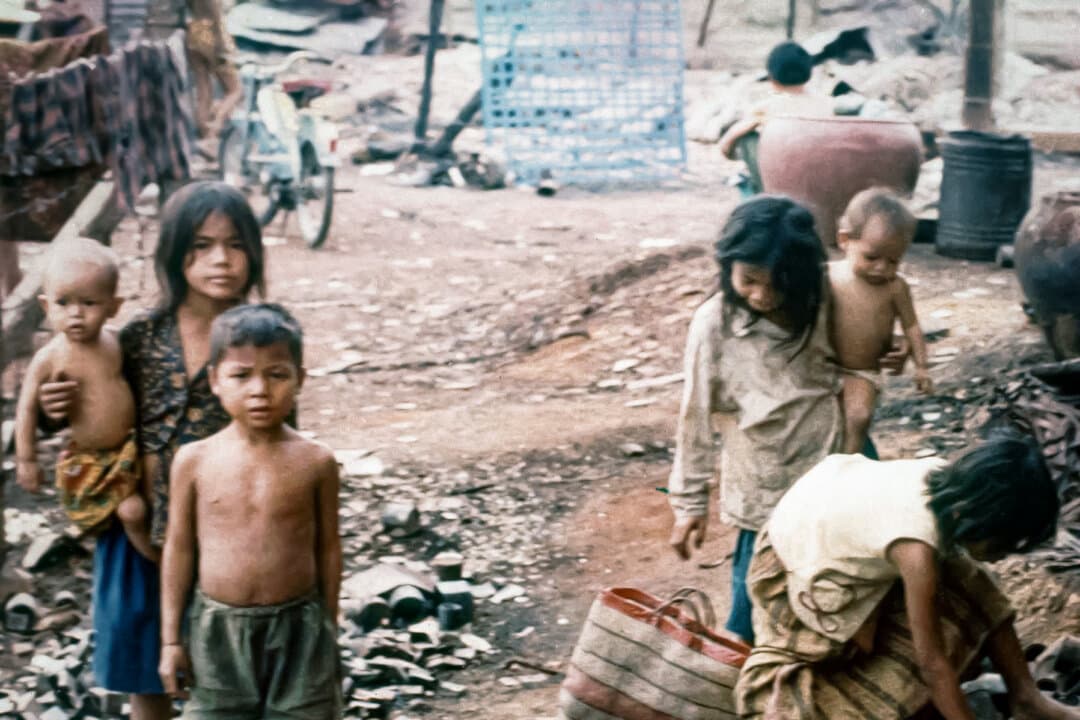
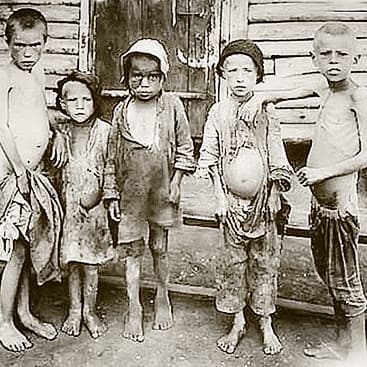
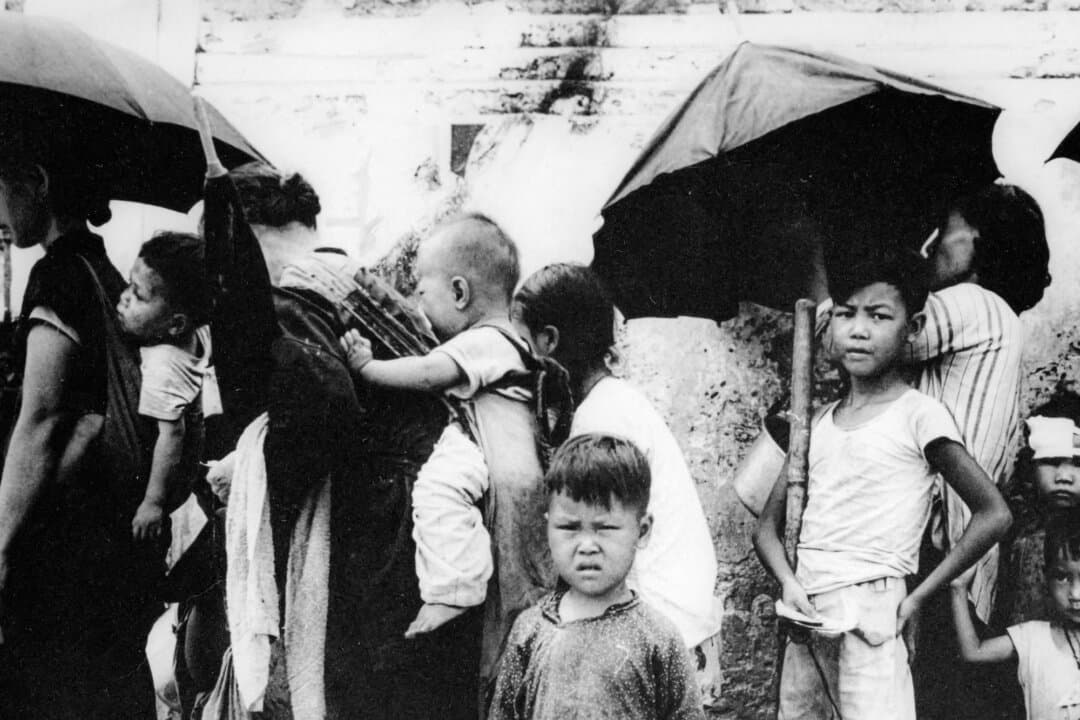
(Left) Cambodian children scavenge amid the ruins left by an insurgent Khmer Rouge attack on a shanty town on the edge of Phnom Penh, Cambodia, in February 1974. Hunger would continue to be a way of life for these children: Famine would claim the lives of up to 1.5 million people in Cambodia after the Khmer Rouge seized control. (Center) Russian children display the ravages of malnutrition in west-central Russia, in 1921. The Russian famine of 1921–1922 killed an estimated 5 million people. A decade later, the Soviet famine of 1932–1933 would result in the deaths of up to 10.8 million people. (Right) Chinese refugees wait for a meal in Hong Kong in May 1962. During the famine caused by Mao Zedong's "Great Leap Forward," up to 200,000 starving Chinese fled to British-ruled Hong Kong. (Carl D. Robinson/AP Photo/File, Public Domain, AFP Photo via Getty Images)
In Cuba, he said, people were forced to rely on ration cards to procure food. The cards were meant to promote the idea that everyone was equal by giving everyone the same provisions.
“You have this card, and they say for this month you have three eggs per person,” Rios said. “Okay, but maybe next month it will be six eggs. ‘Oh, we’re better because we have six eggs per person!’ Can you imagine?”
His father befriended the man in charge of distributing eggs and once procured more by obtaining already-broken eggs to help feed his family.
“He felt happy because he because he had his ration of eggs, but he had this bunch of broken eggs,” Rios said.
“Corruption became a way of life. It’s not a political corruption. It’s a daily corruption, and you have to do it because otherwise, you won’t eat.”
Many Cubans and Venezuelans were forced to turn to the black market to get enough, the exiles told The Epoch Times.
“In Cuba everything is black market,” Tabares said.
He recounted that at times, his breakfast was a shot glass of milk so that the rest of the bottle could go to his daughter.
Rios described a meal that his family called “rooster soup.” “Rooster soup is water with brown sugar,” he said.
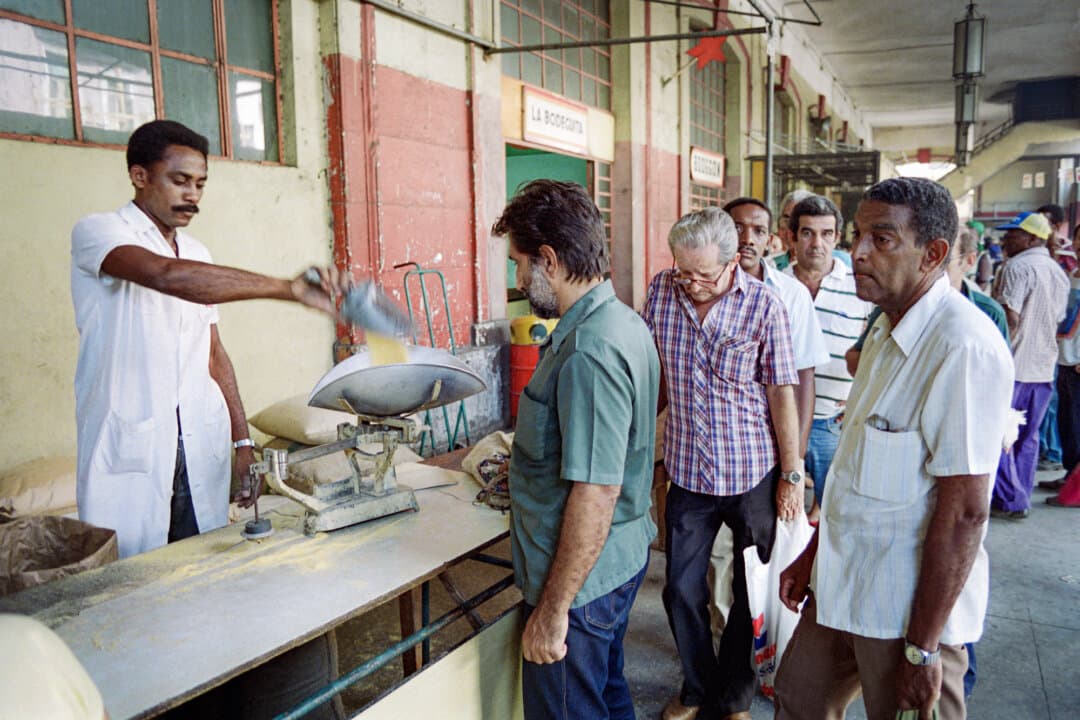
Cubans line up to buy corn flour in a market in Havana on Aug. 2, 1990. (David Hernandez/AFP via Getty Images)
In Venezuela, the bachaqueros, who ran the black market, only accepted American dollars—which were also illegal and traded via the black market.
“I left 10 years ago, in 2016,” Poleo said. “It was the peak moment of this black market economy. The richest oil country in the world has basically become a state where you needed a connection to find toilet paper.”
“If you wanted milk, you needed to overpay a guy that was trafficking with milk. I mean, not with drugs, no, with milk, or toilet paper. It was insane.”
Trust Not Thy Neighbor
Gonzalez said that both countries are able to quell dissent through the use of “block captains,” citizen spies who “listen to the conversations of the neighbors when they’re on the porches outside” and reported any criticism back to the government.
“You couldn’t trust your neighbor,” Gonzalez said. A slip of the tongue over a cup of coffee could land you in trouble if you said the wrong thing or complained.
“They have people everywhere,” Rios added.
“They have people in the church. They have people in cinema. … There’s always someone from the government, listening in. Always, always.”
Parents taught their children to keep quiet in public.
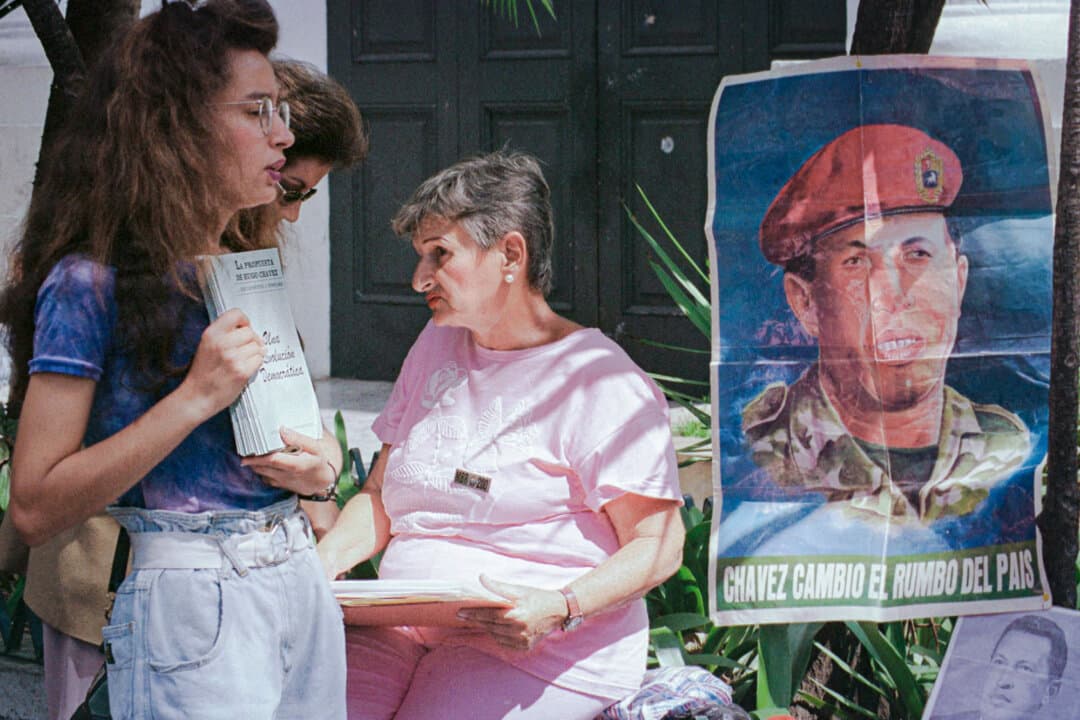
A supporter of the Fifth Republic Movement, the left-wing political party founded by Hugo Chavez, distributes literature in Caracas, Venezuela, ahead of the 1998 Venezuelan presidential campaign that brought Chavez to power. (Bertrand Parres/AFP via Getty Images)
“They learn it really early,” Rios said. “If you speak something against the Cuban government or whatever opinion that you have, that is not in favor of Castro and all that … let’s talk here at home, but never outside.
“You begin to have a double life,” he added.
“There’s a life, a truth, in your home where you’re protected, and then there’s the life outside, where you were afraid, and guarded,” he said.
Similar to Cuba’s surveillance system, Chavez established a system in Venezuela that turned ordinary people into the eyes and ears of the state.
The people called them “sapos,” literally toads or frogs. Poleo said these are “the snitches.”
Chavez passed a law in 2008, known as the “Sapo Law,” requiring citizens to spy on one another if the government requested it. It was repealed almost immediately, but other laws under Maduro expanded surveillance networks.
“They created this law against hate. Hate is whatever they believe is hate. … I was accused of that: treason to the motherland,” Poleo said. “That could mean anything because they believe that they are the motherland, they are the state, they are the government, the political party. Everything is the same. So if you are against them, you’re a traitor to the motherland.”
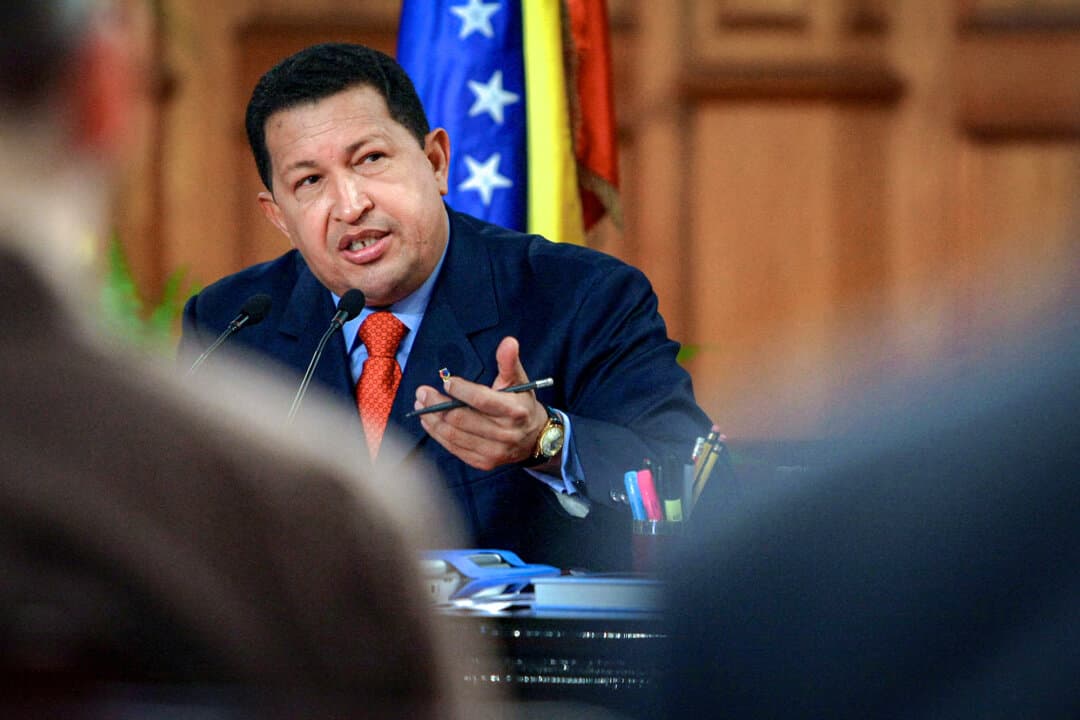
Then-Venezuelan leader Hugo Chavez speaks during a press conference in Caracas, Venezuela, on Sept. 16, 2008. (Thomas Coex/AFP via Getty Images)
What Free Speech?
Poleo was referring to the Constitutional Law Against Hatred for Peaceful Coexistence and Tolerance, enacted by Venezuela in 2017. It prohibits various forms of hate speech, such as racism or criticisms of gender identity, but also contains a catch-all prohibition on “hatred of any other nature.”
The law also requires media outlets, upon command by the government, “to broadcast messages promoting peace, tolerance, equality, respect, and diversity,” for up to 30 minutes a week.
The policy has been criticized for its vague definitions and the stiff penalties it imposes.
“It got really, really difficult after the presidential election in 2024. People were being imprisoned for a tweet … for a WhatsApp status,” Poleo said.
In Cuba, Castellón said, Castro knew he had to shut down the free press, and he did so.
“It took him a few years, maybe a couple of years. … Some of them went to prison, and the owners of those papers, even the sons of the owners of those papers, went to prison, but the press was instrumental in controlling everything for him,” she said.
The inflow of newspapers and magazines from the U.S. dried up too.
“Communists do not accept a free press because they don’t want people telling the other side,” she said.
She came to believe that communism ultimately feeds on envy, and people accept it because they hope to acquire goods without working for them.
“And that’s a very bad combination because they'll do anything,” she said.
As socialist and communist ideologies gain influence in the United States, Castellón and many other exiles in Florida hope their personal stories will warn those who romanticize systems based on violence, control, and deception.
“When I hear people in free countries like the United States, and they’re praising communism, I love to tell them, ‘I will pay for a one-way ticket for you to Cuba, and you can know what communism is,’” she said.
Poleo agrees.
“Don’t praise communism while you’re drinking Starbucks coffee and tweeting on your iPhone,” he said.
Gonzalez counts himself lucky. He is grateful that his parents and grandparents left Cuba soon after the revolution because they saw the dangers early.
“Getting out of a communist country or getting out of a socialist country is probably the best thing you can do,” he said. “Why would America go into that direction? Blows my mind.”