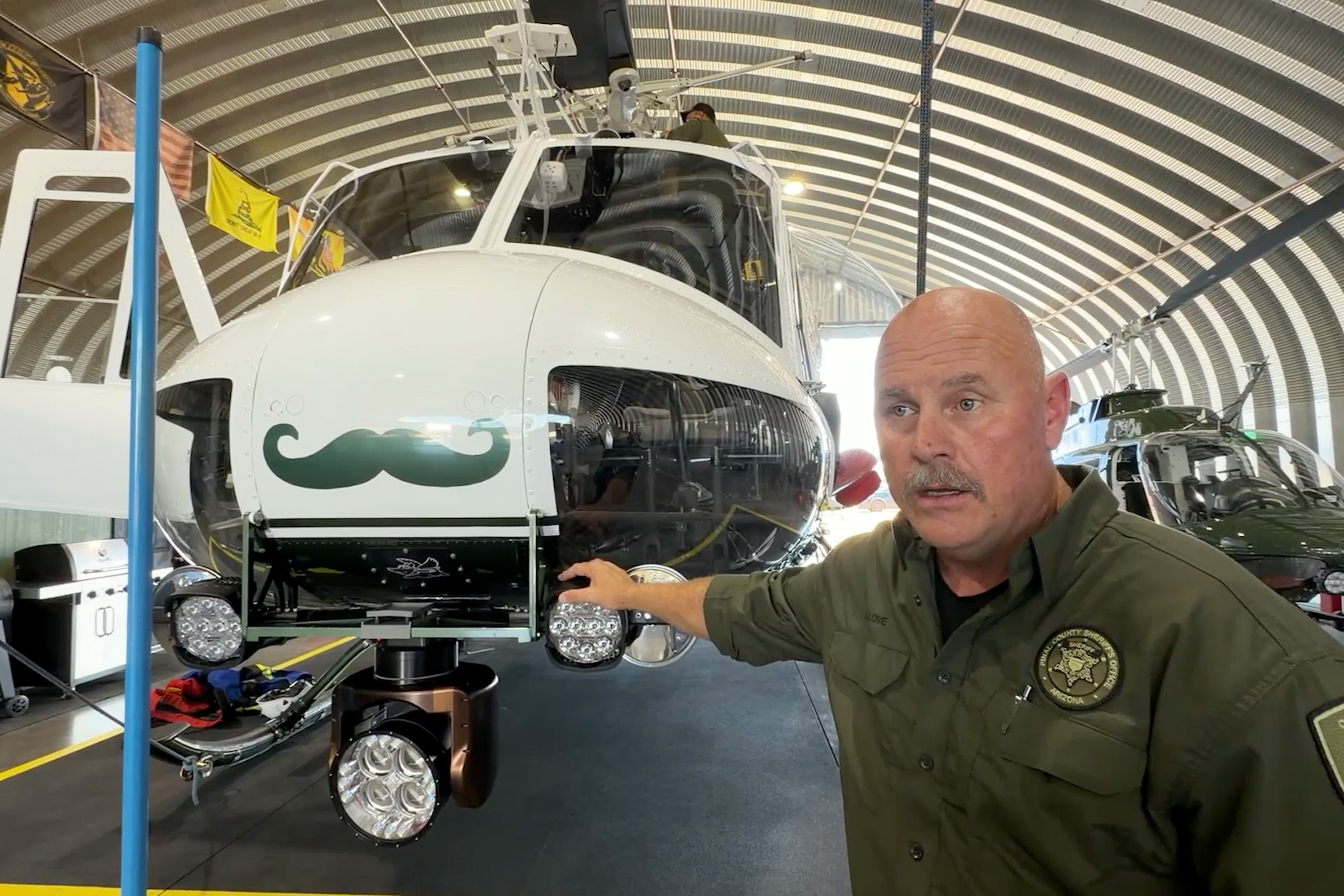

COOLIDGE, Ariz.—At 48, Jeff Love stakes his life, his crew, and the people he rescues on a helicopter built in 1973—five years before he was born.
As a search and rescue pilot, hoist operator, and rescue specialist with the Pinal County Sheriff’s Office Search and Rescue (SAR) team, Love flies a modernized Bell UH-1 Iroquois, a Vietnam War-era aircraft known as the “Huey.”
Since 2016, the Huey has flown hundreds of missions as the county’s primary medical evacuation helicopter, operating in some of the harshest conditions imaginable.
With more than 500 hours at the controls, Love has developed a deep appreciation for the aging aircraft and confidence in its capabilities.
“We’ve upgraded everything,” Love said, wearing a khaki-green pilot’s uniform bearing his unit’s insignia.
“She’s a monster—I mean, this helicopter does everything we need it to do.”
The iconic Huey sits polished and ready for action on a maintenance platform inside a hangar at Coolidge Municipal Airport in Coolidge, Arizona.
Briston Moore, 28, joined the Pinal County Sheriff’s Office as a deputy in 2023 after three years as an officer with the Chandler Police Department.
He said the Huey’s size and power make it well suited for tough rescue missions.
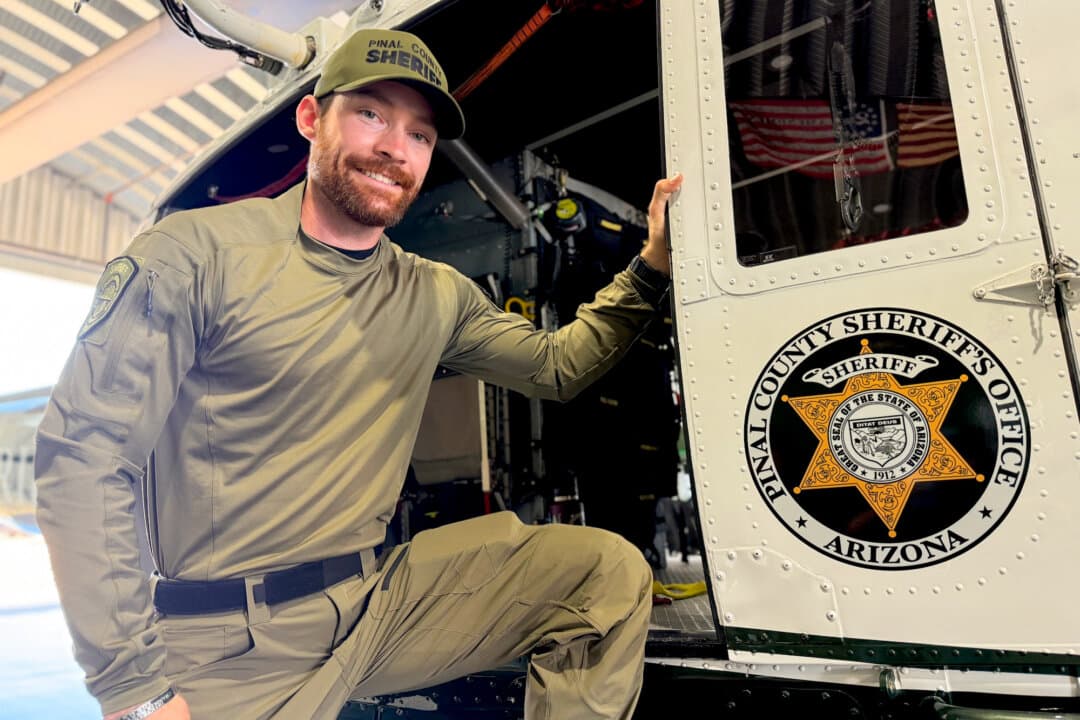
“I guess you could relate it to driving in a semi-truck. This thing is just a beast,” Moore said.
“It’s a big diesel truck flying in the air. It can pull a lot. It can carry a lot. It can hold a lot of people in the cabin. It’s got a different feel to it.”
Love said that before the Huey joined Pinal County’s three-helicopter fleet, it flew medical evacuation missions for the U.S. Air Force in New Mexico, where it was originally named “Nike.”
“We found it off of a program through the federal government, which is surplus equipment from the military,” Love said.
Although the airframe dates to 1973, Love said, most of the helicopter’s major components have been replaced or upgraded.
“The only thing that’s old on this helicopter would be its skin. Everything else is within 10 years old,” he said.
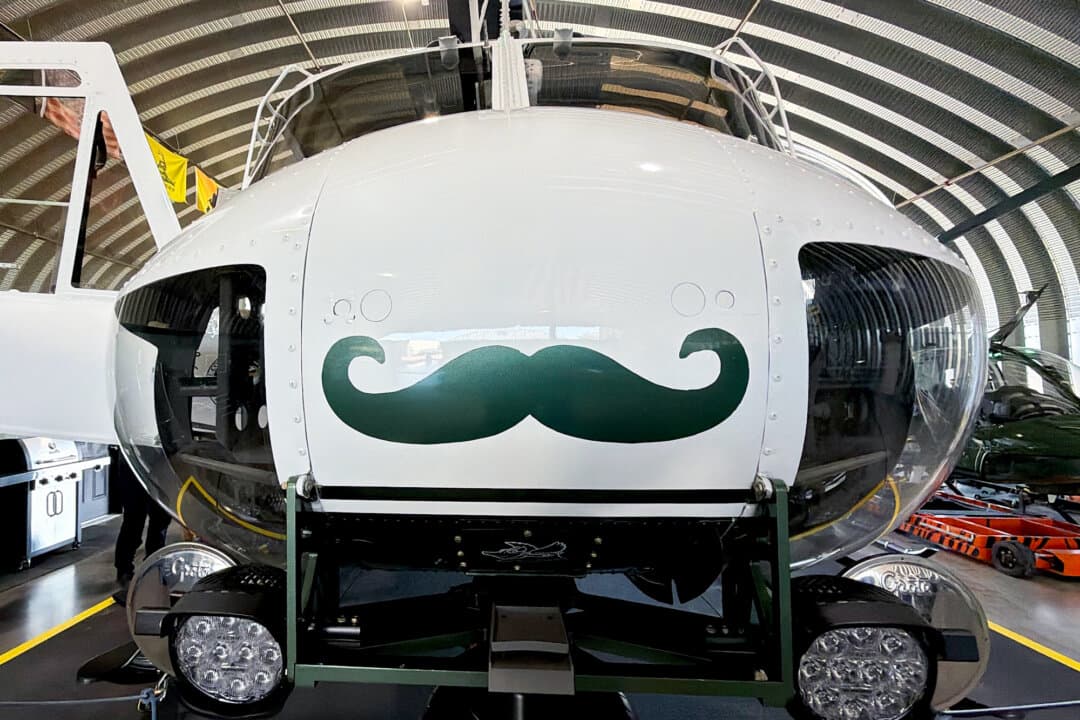
(Top) Pinal County Sheriff's Office search and rescue pilot Briston Moore stands outside the unit's Bell UH-1 Iroquois helicopter at Coolidge Municipal Airport in Coolidge, Ariz., on Oct. 20, 2026. (Bottom) A modernized Bell UH-1 Iroquois is seen in a hangar at the Coolidge Municipal Airport in Coolidge, Ariz., on Oct. 20, 2026. Popularly known as the “Huey,” the helicopter is the lead search and rescue aircraft for the Pinal County Sheriff's Office Search and Rescue unit. (Allan Stein/The Epoch Times)
The helicopter underwent a major phased overhaul at a facility in British Columbia, Canada, funded by a U.S. government grant, Love said.
The UH-1H 3 “Hot, High, and Heavy” program included modifications to the tail boom attachment, transmission, lift beams, engine mounts, and rescue hoist to improve performance in hot temperatures and at high elevations during rescue, emergency, and law enforcement operations.
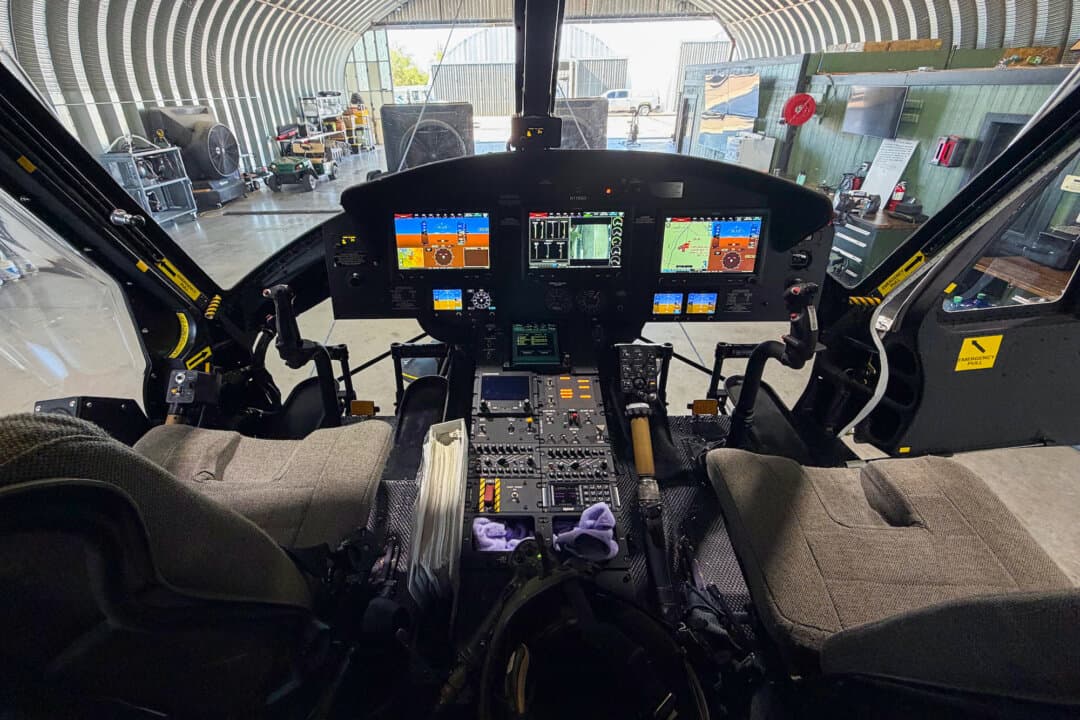
Technicians also upgraded its lift capability and modernized the cockpit, transforming the helicopter into a high-tech and highly versatile airborne ambulance—a “Super Huey,” Love told The Epoch Times.
The converted Huey features a Honeywell T53-L-703 turboshaft engine and a Bell 212 main rotor hub with blades capable of lifting an external load weighing up to 5,000 pounds.
Its upgraded systems include advanced avionics, cameras, a digital instrument panel, and powerful spotlights for nighttime searches.
“We have Zoll monitors to do just like an ambulance would do,” Love said. “We have oxygen on board—we have everything. We’ve been to Sedona in the summer with it. Our guys have been up on the top of Mount Humphreys with it.”
The airframe remains structurally sound for an aircraft more than half a century old, Love said.
In the decade since it entered service with the county, the helicopter has never broken down, malfunctioned, or even sprung an oil leak, he said.
Love credits its performance record to the Huey’s design as an adaptable workhorse in both wartime and peacetime.
Rugged Design
The Bell UH-1 Iroquois entered military service in 1959 and arrived in Vietnam with the U.S. military buildup that began five years later. Crews used the radio call sign “Dustoff” when flying wounded soldiers out of combat zones.
The characteristic “thump-thump-thump” of the Huey’s rotor blades often preceded its arrival.
More than 16,000 Huey helicopters were built, with roughly 7,000 serving during the Vietnam War until the fall of Saigon on April 30, 1975, according to the Smithsonian. The Huey earned its nickname from the U.S. Army’s original HU-1 designation, short for “Helicopter Utility.”
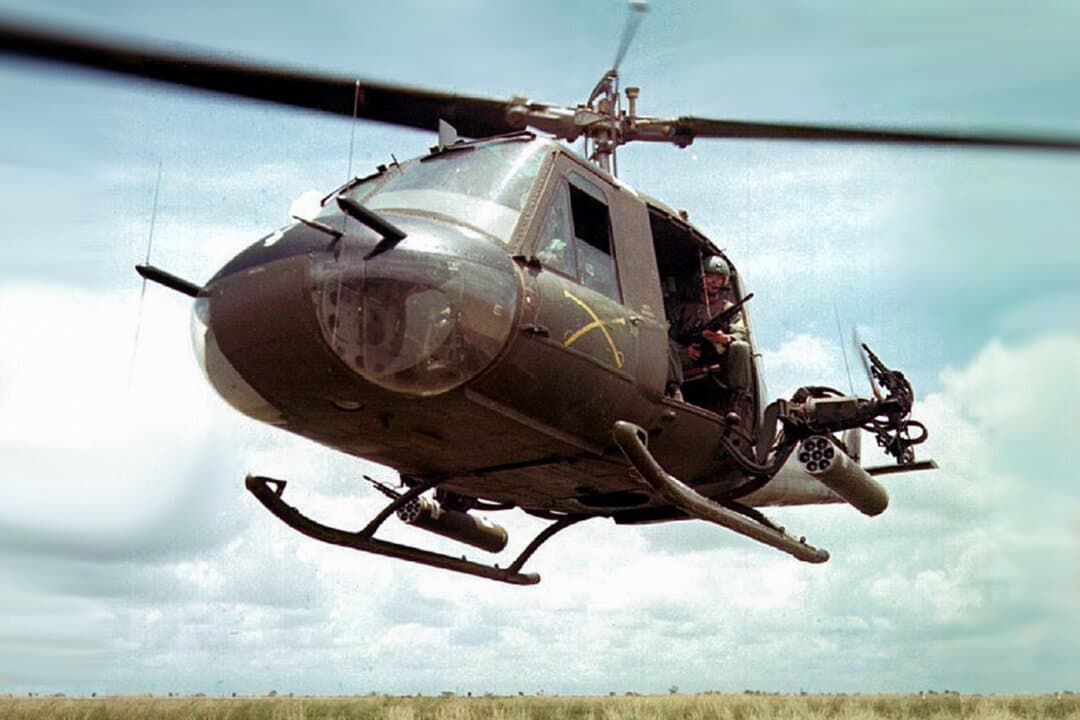
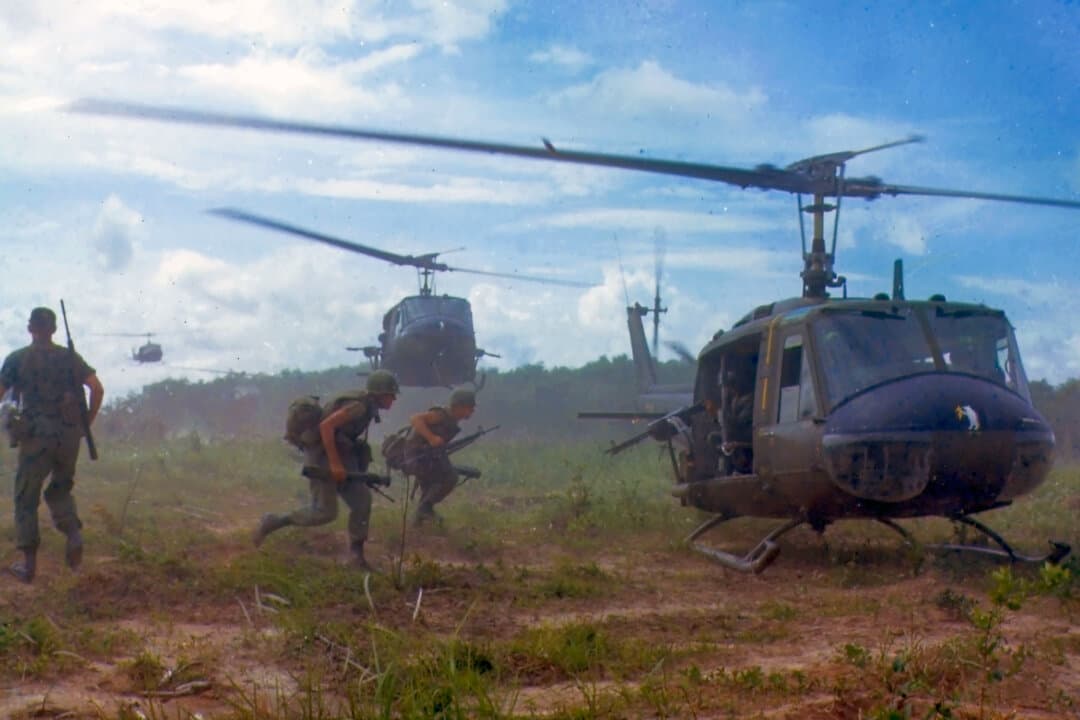
(Left) U.S. Army Sgt. Dennis Troxel sits as "shotgun rider" in the door of a Bell UH-1B Huey helicopter flying for the 179th Aviation Company in Vietnam in 1965. (Right) U.S. Army Bell UH-1D helicopters airlift soldiers to a new staging area during a search and destroy mission northeast of Cu Chi, South Vietnam, in 1966. (U.S. Army Heritage and Education Center, Sgt. First Class James K. F. Dung, U.S. Army)
Search and Rescue
Pinal County’s modified Huey stands ready to launch on a rescue mission at any hour, day or night.
“We’re averaging a little over 200 rescue calls a year,” Love said, adding that smartphone technology has improved the unit’s response times.
“We now know exactly where the people are. It cuts down on their exposure time to the elements. It cuts down on the time we’re putting people into the mountains searching. It makes it much faster,” he said.
Measuring 57 feet long with a 48-foot rotor span, the helicopter can maneuver in tight spaces. Love said the helicopter can reach speeds of 115 knots to 120 knots (about 132 mph to 138 mph) in temperatures up to 120 degrees Fahrenheit without overheating.
During a rescue mission in Sedona, the Huey lowered 225 feet of cable to hoist a woman to safety, Love said.
Love’s unit has six search and rescue deputies, including a sergeant and three full-time pilots. A unit commander oversees operations, while volunteers provide additional support.
The Huey typically operates with a pilot, an observer, and two or three rescue specialists, all trained in emergency medical response, Love said.
“It takes so long to train somebody [to operate the aircraft],” he said. “We’re looking at a minimum of five years. I started in 2008 as a rescue guy. I’ve been with the unit since then.”
Semi-Retired
Although the Army retired the last UH-1 Iroquois helicopters in 2016, the Huey’s legacy lives on. The Air Force still flies a limited number of UH-1N variants for security and VIP transport.
The Huey is one of several older military helicopter designs still in use in the United States and worldwide. The New York State Police operates four Bell UH-1H helicopters, according to the Federal Aviation Administration.
Bell ended UH-1 production in 1987, but Love said the helicopter’s low maintenance costs make it a practical choice for search and rescue missions decades later. Replacement parts remain relatively easy to find through Bell and other suppliers.
“There’s nowhere in the state of Arizona that we’re not able to go perform a mission,” Love said.
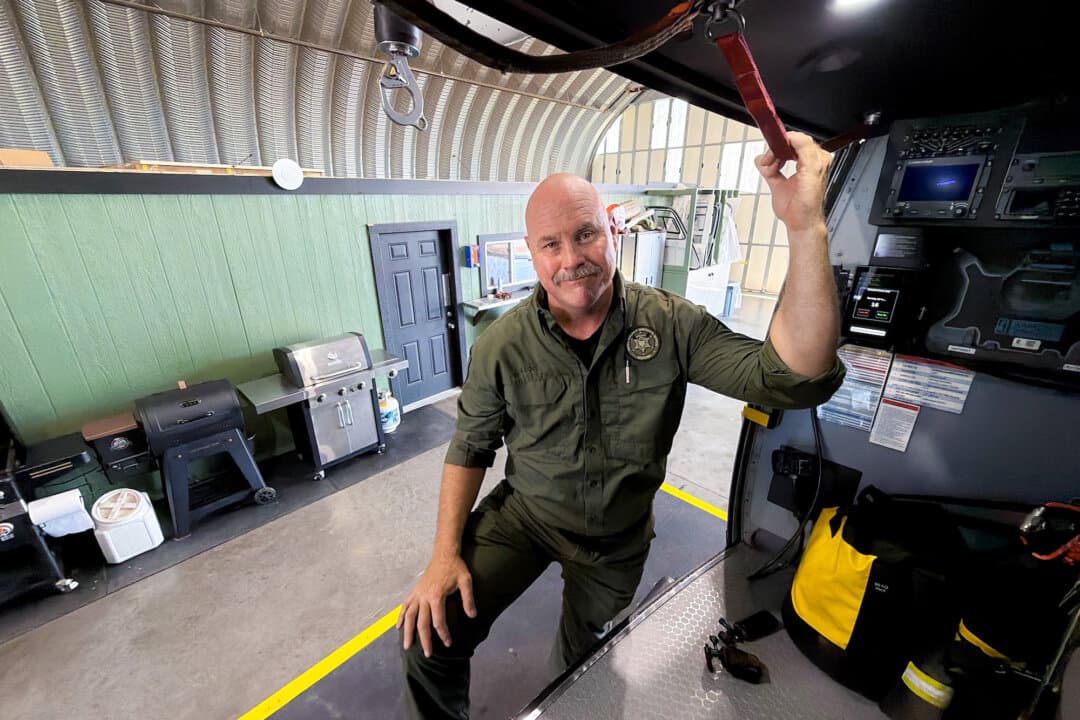
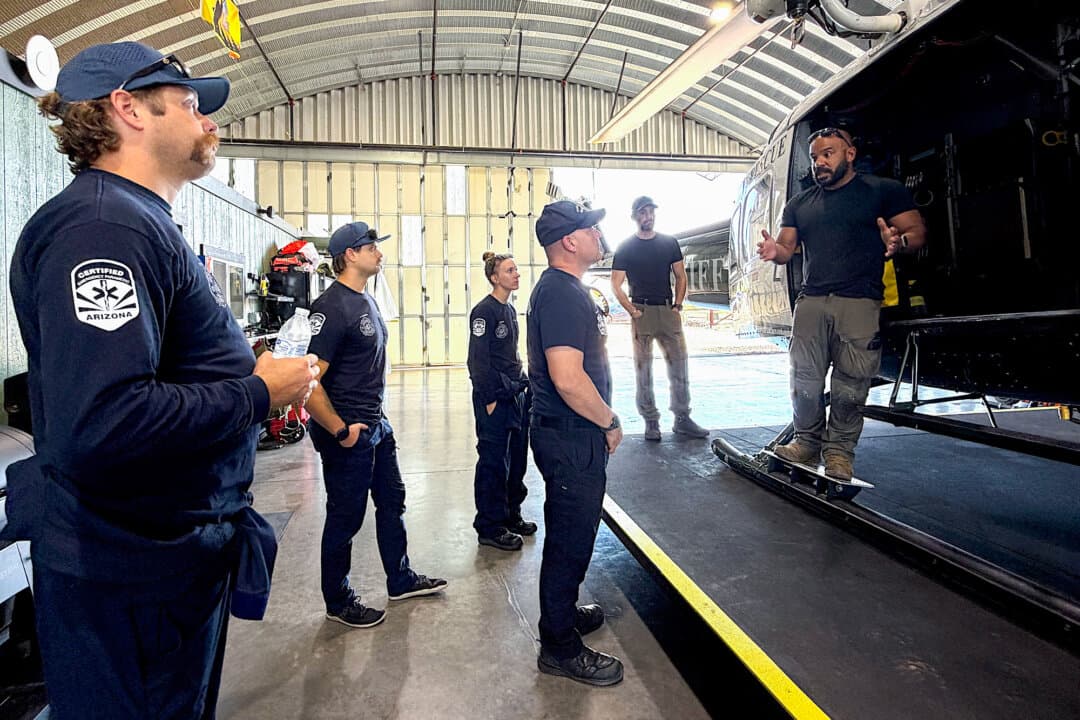
(Top) Chief search and rescue pilot Jeff Love stands near the door section of a modified Bell UH-1 Iroquois helicopter, dubbed the “Huey,” in Pinal County, Ariz., on Oct. 20, 2026. (Bottom) First responders from Casa Grande, Ariz., receive instructions on the use of search and rescue equipment outside the Bell UH-1 Iroquois helicopter at the Pinal County Sheriff's Office Search and Rescue unit in Coolidge, Ariz., on Oct. 20, 2026. (Allan Stein/The Epoch Times)
Luis Mundo, 33, director of aircraft maintenance for the Pinal County Sheriff’s Office, said keeping a modified Huey flying is straightforward.
“They’re pretty easy [to maintain] because they’re simple. They just chug along as long as you keep up with them.”
This particular Huey is rated for hot, high, and heavy operations, Mundo told The Epoch Times.
“There’s a lot of other helicopters that are not hot, high, and heavy that struggle in the heat. We do not struggle in the heat. We very rarely run into any power issues in the heat—knock on wood,” he said.
Mundo said the Huey has endured for a reason: It was built for toughness and reliability.
“If it ain’t broke, don’t fix it,” he said.
Love said plans to expand the search and rescue fleet with two more Hueys remain in the conceptual stage.
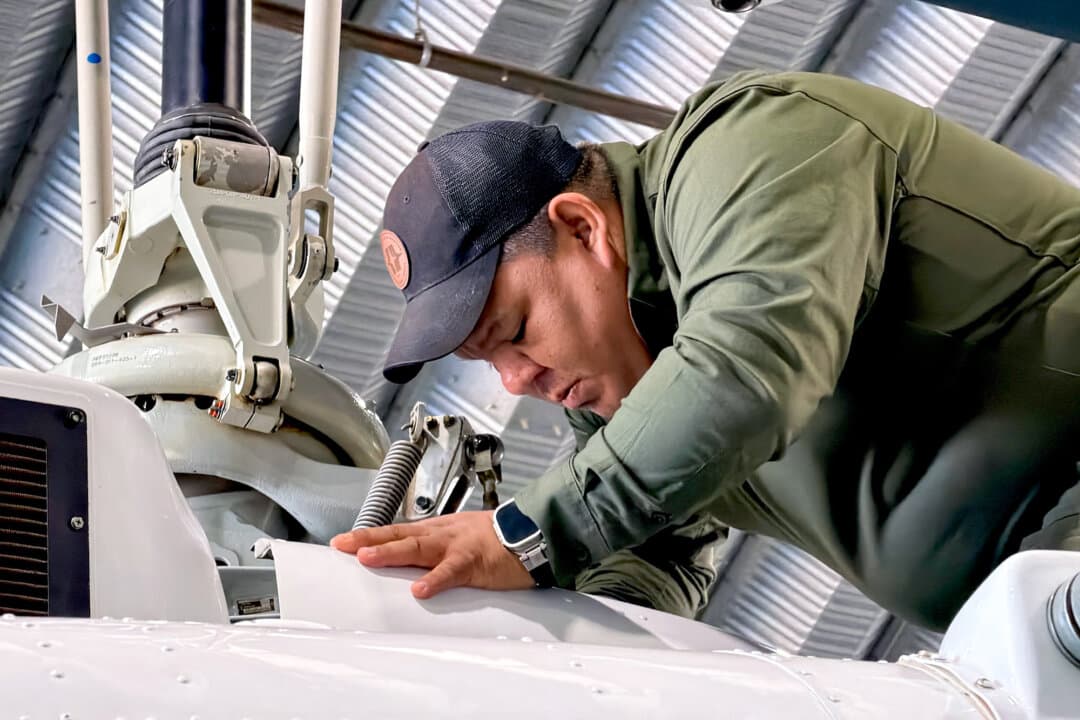
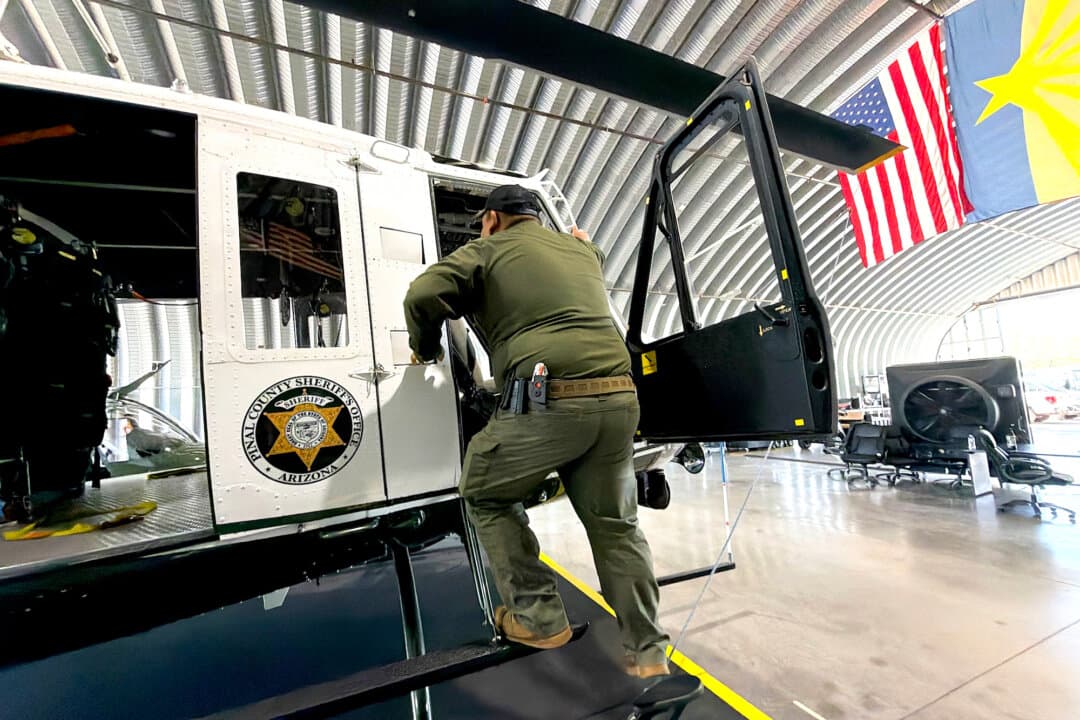
(Top) Luis Mundo, director of aircraft maintenance for the Pinal County Sheriff's Office, looks over the Huey's rotary blade assembly in Coolidge, Ariz., on Oct. 20, 2026. (Bottom) Mundo climbs aboard the Huey as he prepares to examine its main engine. (Allan Stein/The Epoch Times)
In 2025, the unit began leasing an Airbus H125 helicopter from Arizona’s Department of Emergency and Military Affairs, with an option to purchase it in October 2027.
Clean Machine
Kept clean and polished, the unit’s green-and-white Huey also makes appearances at public and aviation heritage events.
At these functions, Love often crosses paths with Vietnam veterans who remember flying aboard Hueys over the jungles of Southeast Asia.
“They love it. They’re like, ‘Man, this does not look like anything we flew on in Vietnam. This thing is nice.’ It just brings back a lot of memories to them,” Love said.
Love compared flying the Huey to driving a 1973 Chevy pickup with the windows down, but with newer parts under the hood.
Moore described it as a legendary machine with capabilities that exceed its vintage.
“It’s definitely different—a great helicopter,” Moore said.
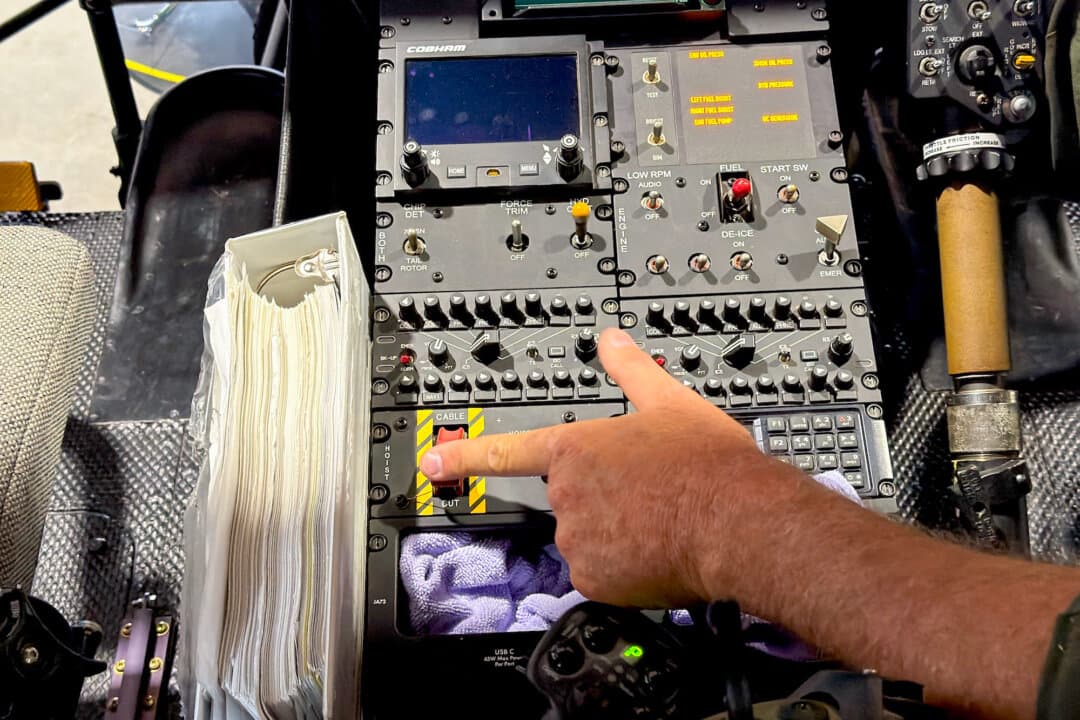
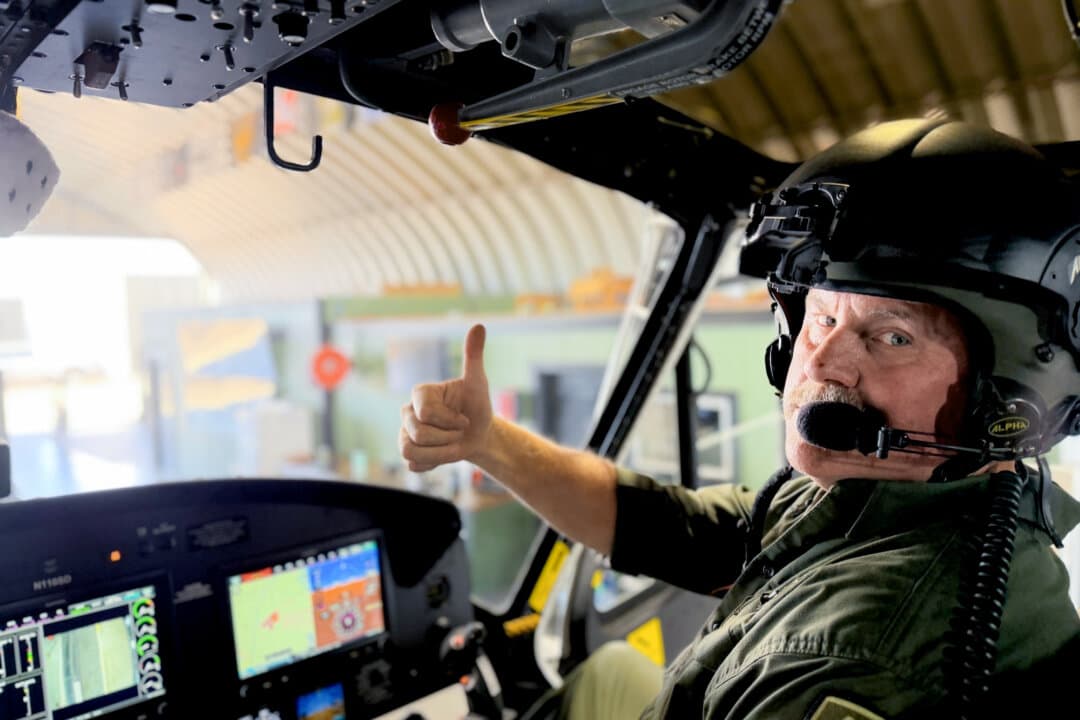
(Left) A look inside the cockpit of the Pinal County Sheriff's Office 1973 Bell UH-1 “Huey” helicopter, in Coolidge, Ariz., on Oct. 20, 2026. (Right) Search and rescue pilot Jeff Love gives a thumbs up while demonstrating the Huey's capabilities, in Coolidge, Ariz., on Oct. 20, 2026. (Allan Stein/The Epoch Times)