A Democratic lawmaker in California has dismissed political flak over a bill that she says is intended to protect immigration support providers from doxing, harassment, and violence, while critics claim it is designed to cover up potential fraud in the state.
Assemblywoman Mia Bonta’s Assembly Bill 2624 would make it illegal to publicly post, display, disclose, or distribute the personal information or image of any designated immigration support services provider, employee, or volunteer, or other individuals residing at the same home address, with the intent to harass, dox, or threaten them.
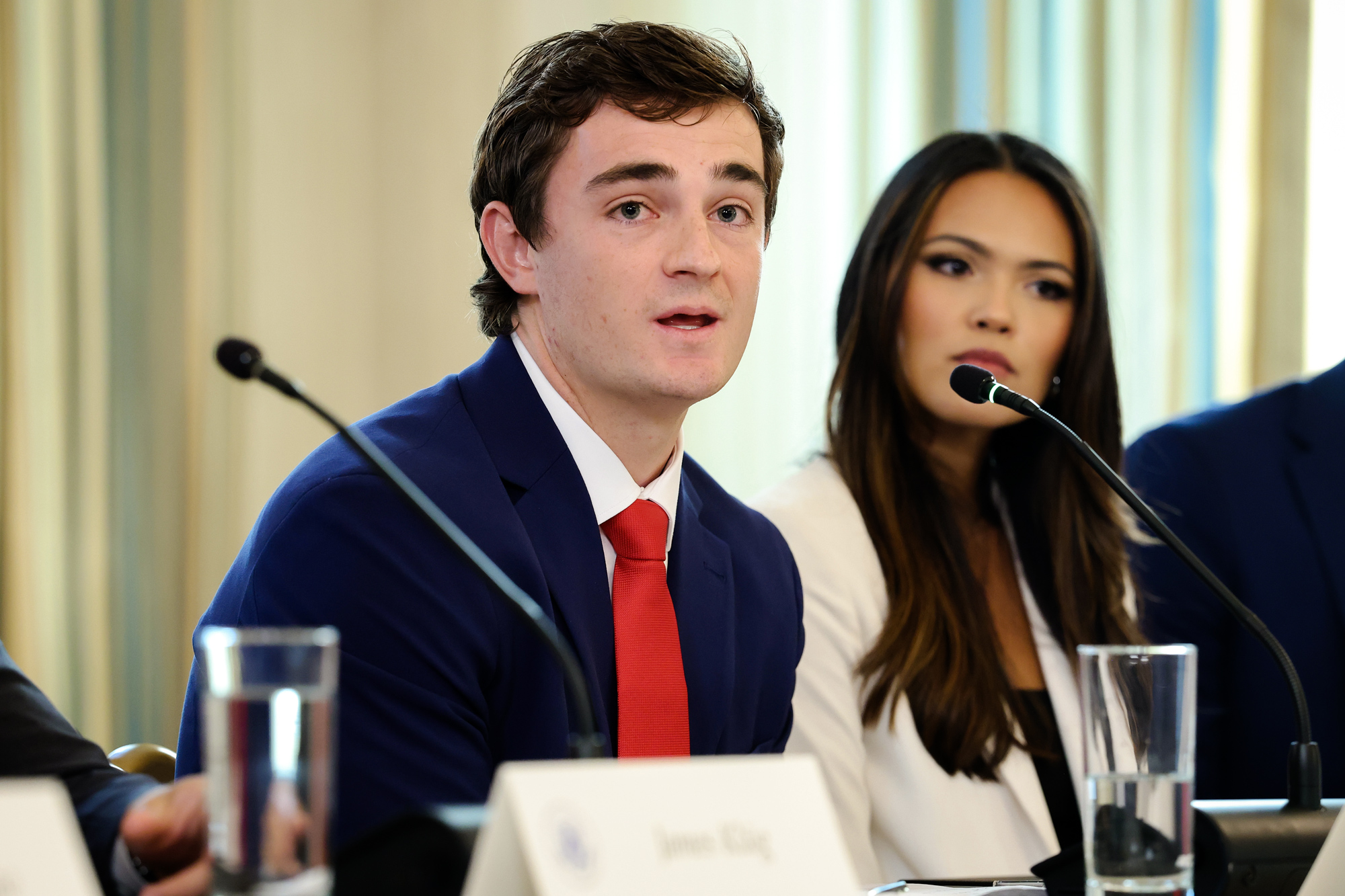
Independent journalist Nick Shirley, known for his exposé on fraudulent Somali-run day cares in Minnesota, wrote in an April 13 X post that the bill would “criminalize investigative journalism with misdemeanors, $10,000 fines, imprisonment, and content takedown.”
Under AB 2624, government-funded entities, such as the Somali-run “Learing” day care centers, would be protected from exposure if they operated in California, he wrote.
“The enemy truly is within,” Shirley wrote. “When our politicians would rather protect fraudsters and illegal migrants, it’s time for us to stand up or face mass oppression from the traitors who ‘rule’ over us.”
In a video posted on X, Shirley said “states like Minnesota and California are just the worst at it, letting fraud take place, especially inside of immigrant communities ... and so now, they’re trying to silence anybody who exposes fraud inside of California.”
“That is absolutely crazy,” he said.
Elon Musk weighed in on the issue, writing in an X post, “California legislators are trying to make investigating fraud illegal.”
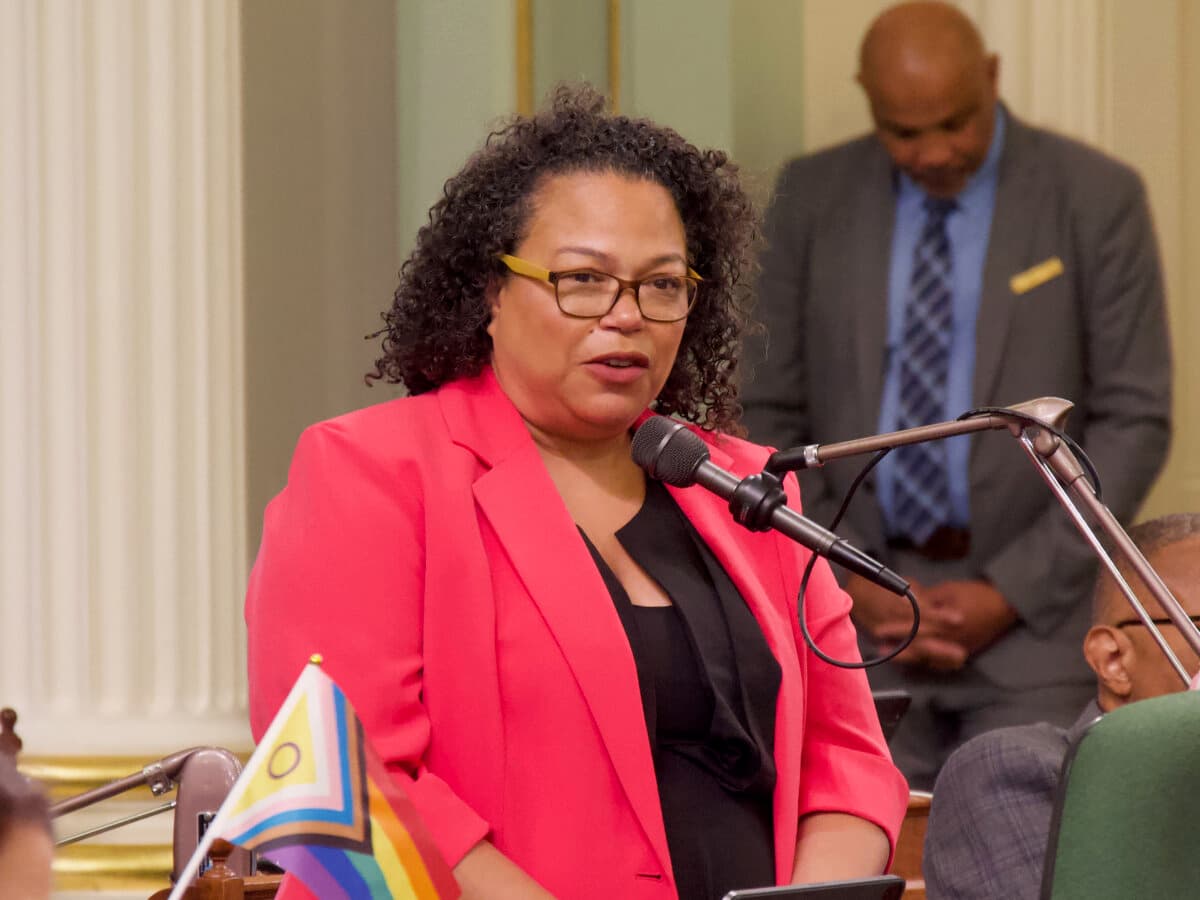
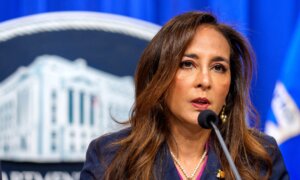
California Assemblywoman Mia Bonta, author of AB 2624, speaks in the California Assembly on Aug. 28, 2024. (Travis Gillmore/The Epoch Times)
Bonta, the wife of California Attorney General Rob Bonta, responded to Shirley’s X post, saying: “False. AB 2624 doesn’t stop journalism or fraud investigations; it stops bad-faith actors from doxxing workers serving immigrants with proven intent to threaten or incite violence. Doxxing isn’t journalism.”
She also posted a video on X calling the claims “MAGA misinformation.”
“Elon Musk and right-wing agitators are intentionally misrepresenting my legislation, AB 2624, because they believe that people who have dedicated their careers to serving their community should be silenced and forced into the shadows,” she said.
The assemblywoman said the bill would add immigrant service providers to the state’s Safe at Home program, which covers domestic violence victims and reproductive and transgender care workers, among others.
People who help immigrant communities shouldn’t have to fear being doxed for doing so, she said.
“The bill and the Safe at Home program define this as sharing personal information with the intent to incite imminent great bodily harm or place someone in objectively reasonable fear for their personal safety,” she said.
The bill would extend this “existing tool” to immigrant service providers, shielding them from having their personal information publicly exposed, and “giving them real legal tools to prevent and respond to targeted harassment,” she said.
“If MAGA can’t tell the difference between journalism and doxxing, that’s on them, because under my bill, there are no provisions related to journalism or fraud,” Bonta said in the video. “This bill does not infringe on the First Amendment, but sharing the name and address of a front desk worker to intimidate them out of doing their job isn’t reporting. It isn’t investigating fraud. It’s wrong,”
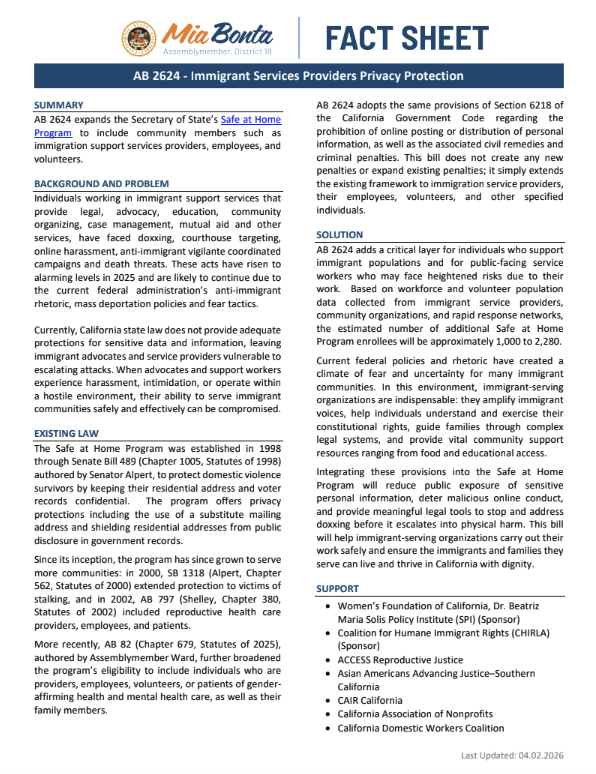
The bill’s fact sheet states that people providing legal, advocacy, education, community organizing, case management, mutual aid, and other services have faced doxing, courthouse targeting, online harassment, anti-immigrant vigilante-coordinated campaigns, and death threats.
Such acts have risen to alarming levels and “are likely to continue due to the current federal administration’s anti-immigrant rhetoric, mass deportation policies, and fear tactics,” the fact sheet said.
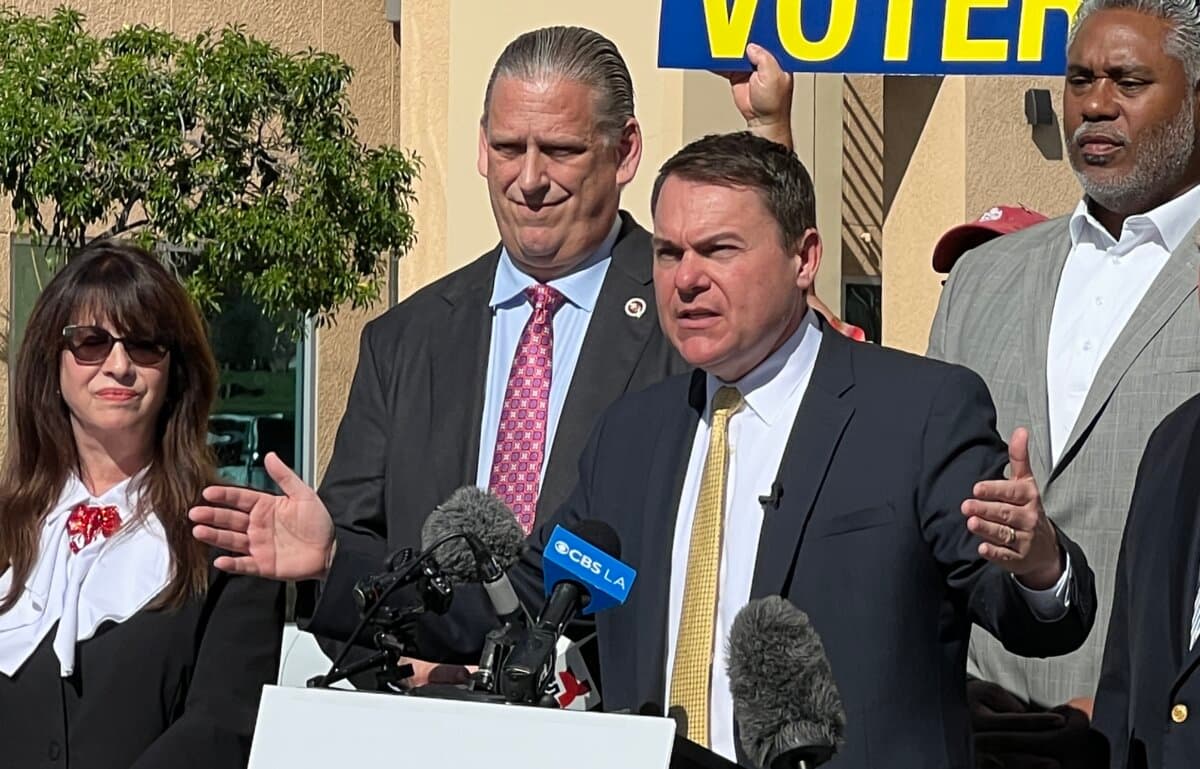
California Assemblyman Carl DeMaio, who is opposed to AB 2624, speaks at an event in Riverside County on March 2, 2026. (Brad Jones/The Epoch Times)
Assemblyman Carl DeMaio told The Epoch Times in a text message that the bill is unnecessary, unconstitutional, and “a direct attack on free speech.”
“Harassment and threats are already illegal in California—we don’t need a new law for that,” DeMaio said. “AB 2624 isn’t about safety; it’s about silencing watchdogs. It would allow powerful, taxpayer-funded organizations to demand takedowns of videos filmed legally in public and punish the citizen and investigative journalists that are exposing the wrongdoing.”
DeMaio warned in an April 13 statement, shared by Shirley and Musk in their X posts, that “AB 2624 can only be described as the ‘Stop Nick Shirley Act’—a bill designed to silence citizen journalists exposing fraud and abuse of taxpayer dollars.”
Instead of “fixing the fraud,” state politicians are trying to “shut down” the people exposing it, he said.
DeMaio questioned Bonta at an April 7 Assembly Privacy and Consumer Protection Committee hearing about whether the bill would impose penalties on citizen journalists and established news media outlets if they “just showed up at a building looking at fake hospices in LA to investigate waste, fraud, and abuse, and took video of the offices.”
“This is not about protecting people from violence,“ he said. ”This is about threatening and intimidating people who are trying to shine a light on bad behavior. If you have nothing to hide, why fear the transparency?”
Referring to widespread allegations of fraud in Los Angeles hospices—including FBI arrests—and a video that Assemblywoman Alexandra Macedo posted on social media, DeMaio also asked whether the bill would impose restrictions and penalties on law enforcement and politicians.
Because the bill doesn’t specifically include an exemption for journalists, DeMaio said, it could be politically weaponized to block independent investigative reporting and intimidate citizen journalists, watchdog groups, and the public in general from documenting potential fraud.
Bonta suggested the bill would not apply to such scenarios unless it involved evidence of threats, harassment, or violence.
“I actually don’t think so,” she said in the hearing.
The bill has advanced in the Legislature through two committees and was referred to the Public Safety Committee on April 14.