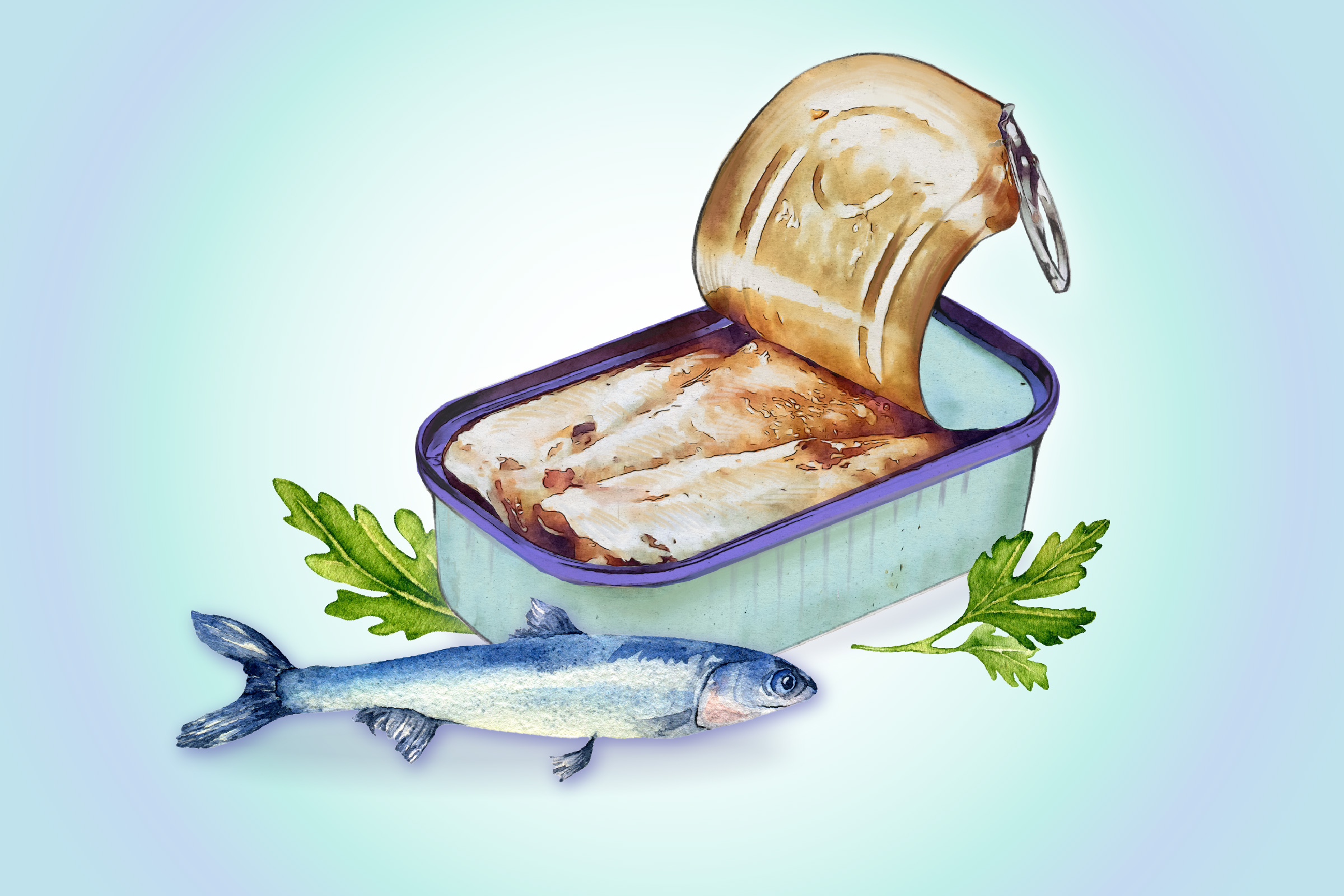
Once relegated to the back of the pantry as an “in case of emergency” food, sardines are celebrating a culinary resurgence. Upscale tinned-fish boutiques have popped up in cities such as New York City, offering curated selections of sardines from Portugal and Spain, giving the humble little fish an unexpected cultural spotlight.
Behind the trend is a growing appreciation for foods that are both budget-friendly and healthy—qualities that sardines have always had. In fact, sardines are one of the most nutrient-dense foods.
“Sardines are a complete protein source, similar in comparison to foods such as eggs, dairy, and meats,” Helen Tieu, a registered dietitian and certified diabetes educator, told The Epoch Times in an email.
“They contain all 20 amino acids and are rich in omega-3 fatty acids.”
(Illustration of The Epoch Times, Shutterstock)
“Sardines are a nutrient powerhouse,” Tieu said.
In addition to protein, they are especially high in:
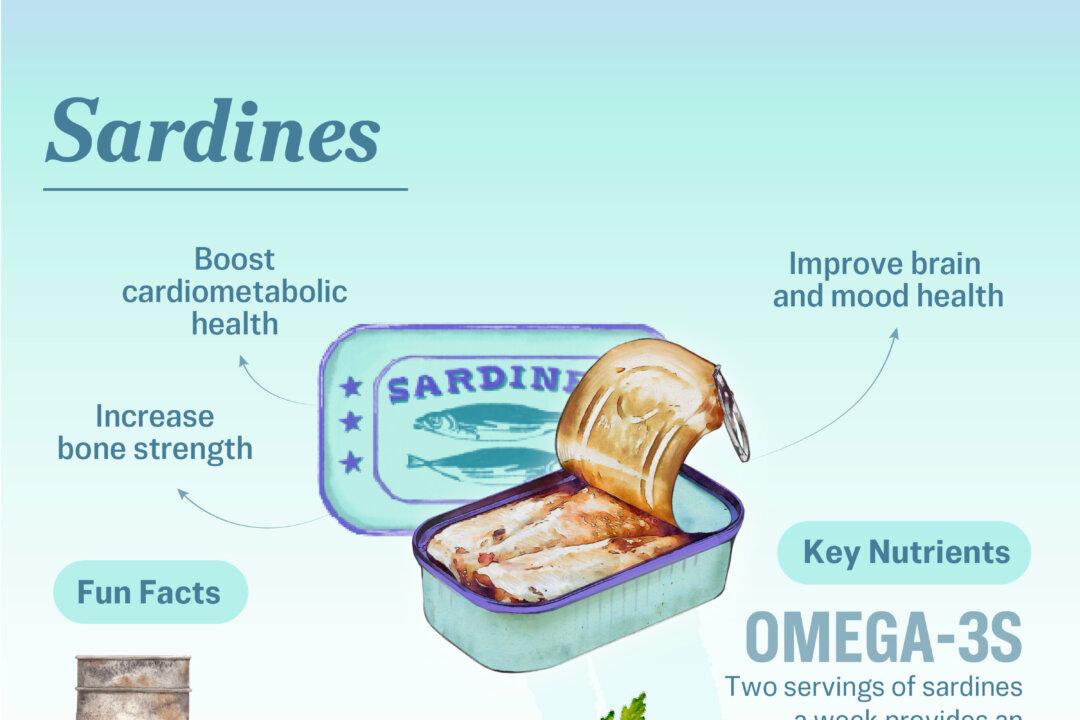
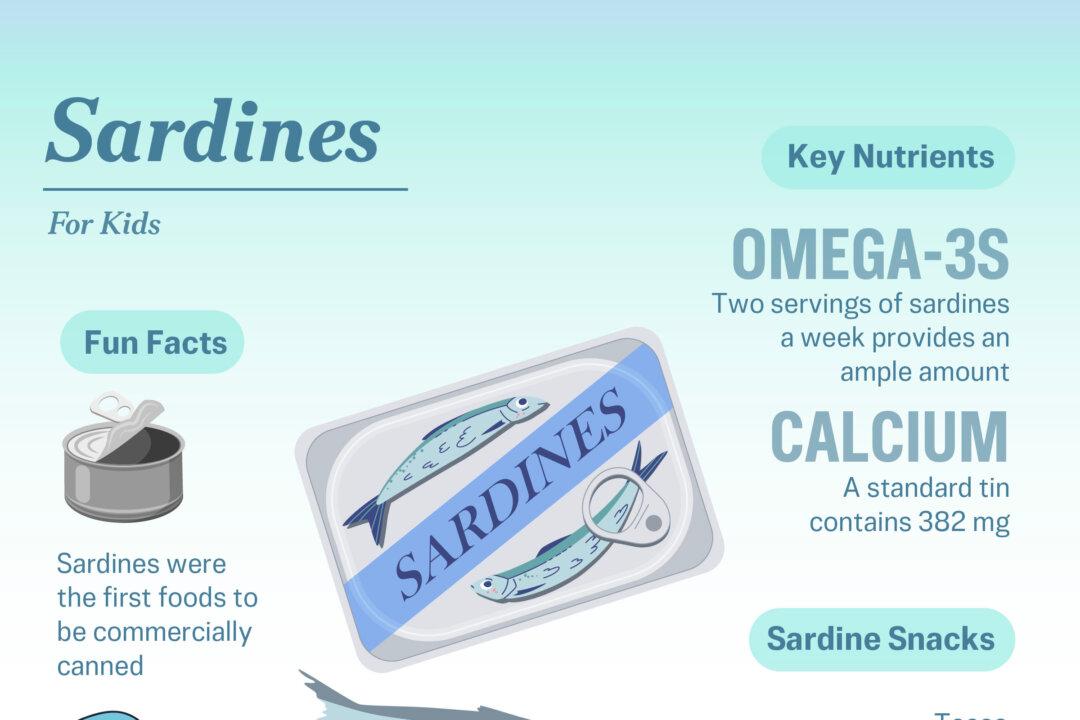
- Omega-3 Fatty Acids: Sardines are a strong source of EPA and DHA. A three-ounce tin contains about 1.2 grams, making two servings of sardines a week a great way to get ample amounts in your diet.
- Vitamin D: One can of sardines typically provides about 150 international units (IU) to 200 IU of vitamin D. For comparison, a glass of fortified milk contains about 100 IU, and an egg yolk has just 20 IU.
- Calcium: 100 grams of sardines (the amount in a standard tin) offers 382 milligrams of calcium, which is more than the amount in 1 1/2 cups of milk.
- Vitamin B12: Tieu noted that just one can of sardines provides about three to four times what adults need.
Sardines are a functional food that supports heart, bone, and brain health through their rich nutrient profile.
Boost Cardiometabolic Health
Sardines improve cardiometabolic health by providing omega-3 fatty acids and a mix of minerals and amino acids that help balance inflammation and oxidative stress.
A 2023 review published in Frontiers in Nutrition noted that although omega-3 supplements show mixed results for heart health, sardines offer a low-cost natural source of these fats, plus calcium, potassium, magnesium, zinc, and taurine, which work together to support cardiovascular function. The authors recommend eating one to two servings per week to reap the heart benefits.
The review also found that sardines can raise the omega-3 index—the percentage of EPA and DHA in red blood cells—enough to move people into a lower-risk range for coronary heart disease. Studies in people with Type 2 diabetes found that regular sardine consumption boosted the omega-3 index to levels tied to a substantially lower risk of sudden cardiac death.
In addition, sardines are rich in iron, an often overlooked factor in cardiometabolic health. Iron deficiency is associated with cardiovascular disease, and sardines contain iron levels comparable to those in meat.
A 2021 study published in Clinical Nutrition found that in older adults with prediabetes, adding 200 grams of sardines per week—roughly two tins—to a standard diabetes-prevention diet for one year not only reduced the risk of developing Type 2 diabetes but also improved blood pressure and lipid profiles.
Increase Bone Strength
Eating sardines at least once a week has been
associated with a 33 percent lower risk of hip fractures. This benefit may partly be attributed to omega-3s, which may protect bone health by reducing inflammatory compounds that promote bone loss.
Moreover, sardine bones are particularly high in calcium and phosphorus, both of which are essential for strong bones.
“A typical tin of sardines provides about 30 [percent] to 40 percent of an adult’s daily [calcium] needs,” Tieu said.
Research suggests that sardines could serve as a natural source of supplements to help prevent or treat osteoporosis. A 2012 study published in the Asian Pacific Journal of Tropical Disease found that bones of “oil” sardines are particularly rich in calcium and phosphorus, with moderate protein content. The authors concluded that the bones could be used to produce calcium powder for a natural approach to supporting bone health and reducing osteoporosis risk.
Moreover, their vitamin D and phosphorus content also help the body absorb calcium more effectively.
“This makes sardines an excellent option for getting calcium in the diet for osteoporosis prevention and management,” Tieu said.
Improve Brain and Mood Health
A 2022
study published in Nutrients found that a higher intake of omega-3s, especially from fish such as sardines, is significantly associated with a lower risk of both developing and maintaining depressive episodes. Regular consumption of omega-3–rich foods may help protect against depression by supporting the brain and regulating inflammation.
Beyond mood regulation, the omega-3s may also support overall cognitive health.
Research has found that increasing fish intake is linked to slower cognitive decline in older adults, particularly in memory-related brain regions, with benefits observed regardless of a genetic risk for Alzheimer’s disease. The most marked effects were observed with about four servings of fish per week or more.
Additional Benefits
Along with omega-3s, sardines provide selenium and zinc, which help regulate inflammation and support a healthy, balanced
immune system.
Eating sardines regularly may help reduce chronic low-grade inflammation linked to many health conditions, such as autoimmune conditions, arthritis, and inflammatory bowel disease.
Sardines contain iodine, which, together with their selenium and vitamin D, support hormone production and thyroid function. They also help maintain healthy skin by boosting collagen formation, elasticity, and hydration.
The omega-3s in sardines are fat-soluble, meaning that they dissolve in fat. Thus, pairing sardines with a healthy fat, such as olive oil or avocado, can help your body more effectively absorb beneficial fatty acids.
“ It doesn’t matter if they’re from a can or fresh, add olive oil, olives, avocado, walnuts, or any other good fat content ingredient that helps our body absorb and dissolve the vitamin and bring it to our bloodstream to do the work that it needs to do,” Ana Bueno, a certified nutritionist and former executive chef, told The Epoch Times.
Vitamin D absorption is also enhanced when you eat sardines with healthy fats, and magnesium helps activate vitamin D. Pairing olive oil-packed sardines with magnesium-rich foods such as leafy greens can further boost nutrient absorption.
To maximize the calcium benefits of sardines, eat them with their soft, edible bones and pair them with vitamin C–rich foods such as tomatoes, lemon, or bell peppers.
Vitamin B12, folate, and iron work together to support energy metabolism and the formation of red blood cells. Eating sardines with leafy greens or other vegetables that provide folate and nonheme iron cofactors can improve their effectiveness.
Finally, high‑heat cooking can degrade omega‑3 fatty acids. Using gentler methods, such as baking at moderate temperatures, steaming, or briefly sautéing, can help preserve more of the beneficial fats.
Tinned sardines are built for shelf stability, lasting up to five years, and are perfect for stocking up on.
“I call them pantry soul food,” Kenny Minor, a chef and cookbook author, told The Epoch Times.
They can be kept for months in a cool, dark cabinet, but once they’re opened, it’s important to transfer them to a clean, airtight container to prevent contamination and maintain quality. Make sure the fish is fully submerged in the packing liquid to help preserve flavor, moisture, and freshness while refrigerated.
After opening, canned sardines have a limited refrigerated shelf life depending on the type of liquid they’re packed in. Sardines in tomato sauce remain stable for up to three days, while those in water or vegetable oil should be eaten within one day because of chemical or quality changes.
“I tell folks all the time—don’t sleep on sardines,” Minor said.
“All you’ve really got to decide is tangy mustard or oil; that’s it!”
For a quick upgrade, he suggested mashing them on toast with avocado, lemon zest, chili, and herbs for “instant luxury,” or skewering each sardine from head to tail, brushing with Thai sweet chili sauce, and broiling until lightly crisp. He also recommends stirring them into warm grains such as quinoa or pasta for a simple, flavorful meal.
If you come across fresh sardines, Bueno suggests drizzling them with some olive oil, sprinkling them with kosher or mineral salt, and baking at 300 degrees to 350 degrees for 25 to 30 minutes, depending on their size.
Opt for sardines packed in olive oil or water rather than soybean or sunflower oil to avoid excess omega-6 fats, which can promote inflammation and have been linked to heart disease and more. Choosing olive oil- or water-packed sardines also helps maintain a healthy omega-3 to omega-6 balance.
Sardines are not safe for those with fish allergies.
Sardine fasts, in which you eat only sardines for several days, have become a trendy way to pursue weight loss, glowing skin, and mental clarity. However, extreme diets may not be suitable for everyone.
“If someone consumes large quantities of sardines, there may be some concerns, particularly for those with risk or history for gout and kidney issues,” Tieu said.
Sardines are high in purines, she said, which can raise uric acid levels and potentially trigger gout attacks or contribute to uric acid kidney stones.
Tinned sardines can also be high in salt. Choose low-sodium options or rinse them before eating if you have high blood pressure.
Moderation and variety are key, Tieu said.
“I recommend keeping sardine intake to two to three cans per week for most healthy individuals, in conjunction with other protein and whole food sources in their diet,” she said.
“Consuming just sardines may lead to nutrient gaps, such as fiber, and other vitamins and minerals.”
The following recipe is courtesy of Bueno.
This versatile sardine dish is perfect on toast, tucked inside a wrap with fresh greens such as watercress, or tossed with cooked chickpeas or white beans for a protein-packed salad. For a creamier, milder version, mix in some yogurt to create a tuna salad-style spread that softens the sardine flavor.
Mediterranean Sardine Salad
Serves 2
Ingredients
- 1 can sardines, preferably preserved in olive oil
- 1 to 2 sticks of organic celery brunoise
- 1 organic Roma tomato brunoise
- 2 tablespoons organic cilantro, minced
- 2 tablespoons organic Italian parsley, minced
- 1 tablespoon organic capers, minced
- 1 tablespoon high-quality olive oil
- 1 teaspoon organic purple onion or shallot, minced
- 1/2 organic lime squeezed
- 1/4 teaspoon mineral salt
- Fresh black pepper to taste
Optional
- 1 tablespoon white chia seeds
- Serrano pepper to taste
- 2 tablespoons unsweetened cashew yogurt
Directions1. Optionally remove sardine skin, bones, and insides, or leave them as they are. Then add to a mixing bowl.
2. After all the ingredients are properly cut, mix them with the sardines.
3. Use a fork to mix, leaving some small chunks of sardines.
Store in a glass container in your refrigerator for up to five days.
- Sardines have been eaten by humans for thousands of years, dating back to ancient Rome.
- Sardines were the first foods to be commercially canned, a preservation method that took off in France after Napoleon Bonaparte spurred innovations in food preservation as a means to help feed his armies.
- The idiom “packed like sardines” originated in the 19th century after commercial sardine canning began in Europe. It was first used literally to describe how tightly sardines were packed into tins.
- Some sardine species can live up to 15 years. However, the average age of most commercially caught sardines we eat is between three and five years.
- There are more than 20 varieties of sardines that are commonly sold throughout the world, but all types have the same health benefits.
Children and sardines may not seem like a natural combination, but sardines’ nutrient density makes them a star food for growing brains and bodies. There are a handful of ways to get kids excited about the tiny fish.
(Illustration by The Epoch Times, Shutterstock)
Introduce sardines in familiar formats to make them more appealing:
- Make kid-friendly sushi rolls with rice, cucumber, and avocado, or flake sardines on pizza.
- Mash sardines with cream cheese or Greek yogurt, add a touch of lemon and mild spices, and serve as a dip with crackers or veggie sticks.
- Hide them in tomato- or cream-based pasta sauces—kids usually won’t notice.
- Tacos and quesadillas are another hit: Let kids add flaked sardines with cheese, avocado, and mild salsa to assemble their own meals.
Malana, 7, and her brother Koa, 5, enjoy sardines and have for as long as they can remember. For kids on the fence about trying the fish, Malana offered some words of encouragement: “They’re delicious, and they’re power fish.”