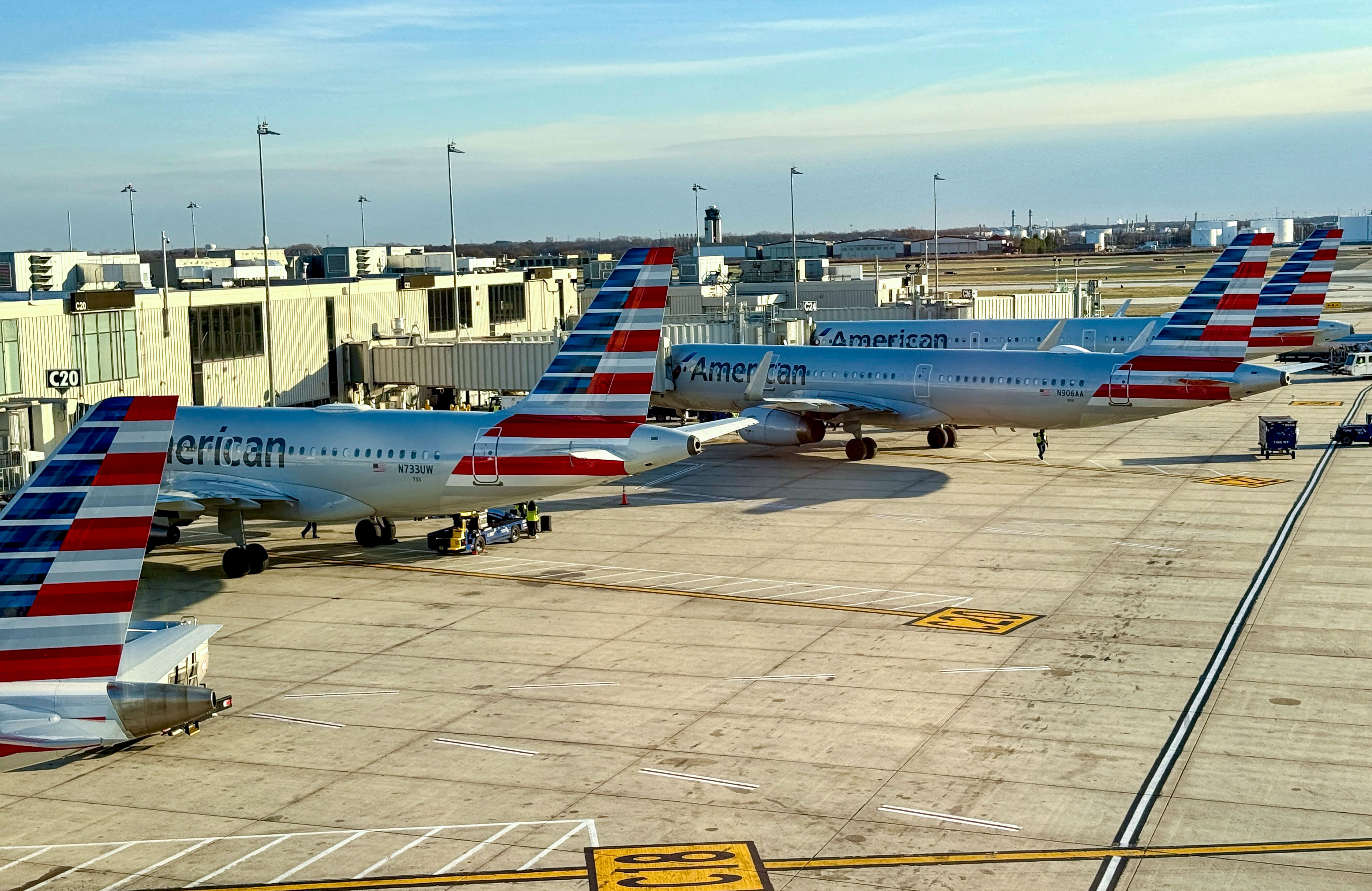

Health officials warned on Feb. 15 that a person with measles traveled through Philadelphia International Airport and may have exposed others to the virus.
The individual visited Terminal E at the airport on Feb. 12 from 1:35 p.m. to 4:30 p.m. ET, according to a statement from the Philadelphia Department of Public Health. People who may have been exposed are advised to check for measles symptoms, it stated.
The person was also “traveling through Philadelphia,” the agency stated. Details about the person were not provided in the city’s statement.
“We believe there is no threat to the general public associated with this case of measles,” City Health Commissioner Palak Raval-Nelson said in the statement.
“We encourage people who were possibly exposed to take action if they are not protected against measles. Many countries, including travel destinations, are experiencing measles outbreaks, so the risk of travel-related measles cases remains.”
Raval-Nelson noted an ongoing virus outbreak in South Carolina, where officials have reported 950 cases to date.
“People planning to travel outside the United States or to locations within the United States with large outbreaks should speak with their doctor about their travel plans and vaccinations needed,” she said.
Measles is a highly contagious virus that spreads easily through the air when an infected individual coughs, sneezes, or breathes, and symptoms typically present in two distinct stages. The first stage includes fever, cough, watery, red eyes, and a runny nose and typically occurs seven to 14 days after exposure, officials say.
In the second stage, a telltale rash appears on the face three to five days after the initial symptoms begin. The rash can then spread to the rest of the body.
Earlier this month, officials in Washington said that people who attended the March for Life and other events in the city may have been exposed to measles between Jan. 21 and Jan. 25.
As of Feb. 13, the Centers for Disease Control and Prevention reported 904 confirmed measles cases across the United States this year, 650 of which were in South Carolina. Other hotspots include Utah (96 cases), Arizona (32), Florida (63), and Washington state (23).
Last year, the CDC reported 2,276 measles cases across the United States, 11 percent of which required hospitalization.
Dr. Mehmet Oz, the administrator of the Centers for Medicare and Medicaid Services, recommended that people receive the measles vaccine amid a rise in cases.
“Take the vaccine, please,” Oz said in a CNN interview earlier in February. “We have a solution for our problem.”
When asked in the interview whether people should fear the measles, Oz replied, “Oh, for sure.” He said Medicare and Medicaid will continue to cover the measles vaccine under their programs.
“Not all illnesses are equally dangerous, and not all people are equally susceptible to those illnesses,” he said. “But measles is one you should get your vaccine.”
The Trump administration last month dropped some vaccine recommendations for children amid an overhaul of the vaccine schedule.
No longer recommended are vaccines for the flu, rotavirus, hepatitis A, hepatitis B, some forms of meningitis, and RSV. Instead, vaccines against those diseases are recommended only for certain high-risk groups or in other circumstances.
The Associated Press contributed to this report.