
The average price of gasoline on Friday has increased to its highest level since mid-2024, according to an analyst, as the conflict in Iran continues and as prices shot up quickly over the past seven days.
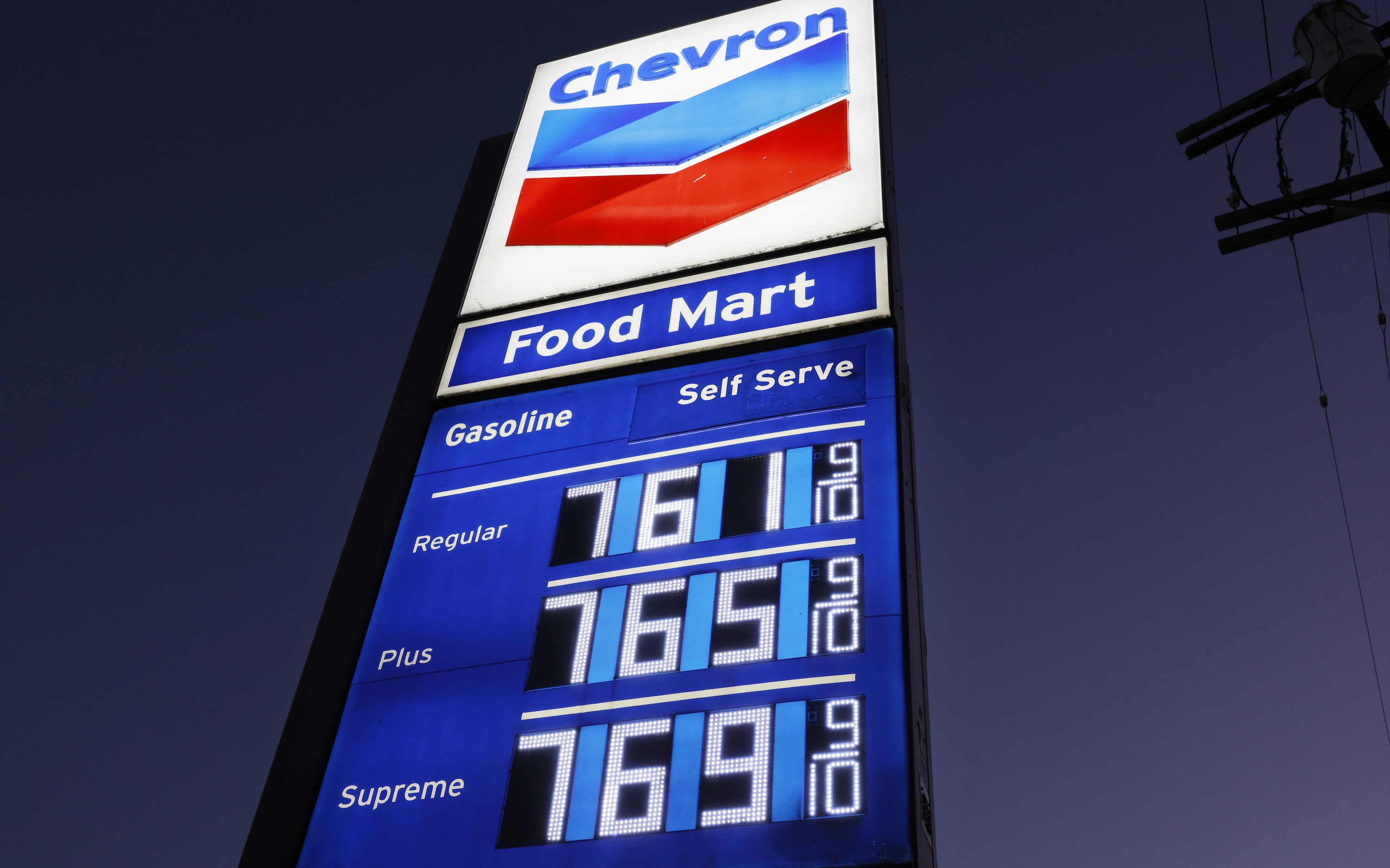
As of Friday morning, according to GasBuddy analyst Patrick De Haan, the U.S. national “average price of gasoline has climbed to $3.306 per gallon, the highest level since August 31, 2024.”
The national average a week ago was $2.982 per gallon, meaning the average price has increased 32.4 cents, he wrote in a report posted on X.
“Diesel prices are rising even faster,” he wrote. “The national average for diesel has reached $4.264 per gallon,” or the highest point since November 2023. It marks a 51.2-cent increase in one week, he said, noting it’s “one of the most dramatic” rises of diesel in years.
The American Automobile Association (AAA) on Friday reported similar findings, with a gallon of regular gasoline averaging $3.320. It added that diesel hit an average price of $4.330, also showing a rise of more than 50 cents over the past seven days.
According to a map provided AAA, California remains the state with the highest average price at $4.905 per gallon while Washington state and Hawaii are next with $4.494 and $4.449 per gallon, respectively. The only other state to report gasoline above $4 was Oregon, it found.
Like other analysts, De Haan noted that the price of oil has shot up in recent days as the crucial Strait of Hormuz, which moves around 20 million barrels per day, has been effectively shut down as U.S.–Israeli strikes against Iran continue. Tehran has responded by firing missiles and drones at neighboring countries and has threatened to shut down the strait.
“While the Strait has not been formally closed, the combination of military threats, attacks, and insurance risks has effectively created a de facto shutdown,” De Haan wrote. “That means millions of barrels of oil that would normally flow to global markets simply aren’t reaching buyers.”
If the crisis around the strait continues, the problem will only be exacerbated, he warned, adding that an immediate reopening would create a challenge of “catching up on days’ worth of missing shipments.”
The U.S. government has not signaled when the conflict would come to an end, though President Donald Trump on Friday warned that Iran needs to engage in “unconditional surrender” before rebuilding can occur. He has also said he wants a role in selecting the country’s next leader after Ayatollah Ali Khamenei was killed over the past weekend.
When asked about the increase in gas prices, Trump told Reuters that he wasn’t concerned.
“I don’t have any concern about it,” he told the newswire service when asked about the increase. “They'll drop very rapidly when this is over, and if they rise, they rise, but this is far more important than having gasoline prices go up a little bit.”
Trump added in the interview that he was not looking to tap the Strategic Petroleum Reserve, the largest emergency crude stockpile in the world, and that he is confident the Strait of Hormuz, the critical channel for oil shipping near Iran, will remain open because Iran’s navy is at the “bottom of the sea.”
The president also said this week that if necessary, the U.S. Navy would escort tankers through the strait and offer political risk insurance and financial guarantees to support the security of maritime trade moving through the Gulf.
White House chief of staff Susie Wiles and Energy Secretary Chris Wright have both engaged with oil CEOs to gauge possible options on combating rising energy prices, White House press secretary Karoline Leavitt said on Thursday.
Reuters contributed to this report.