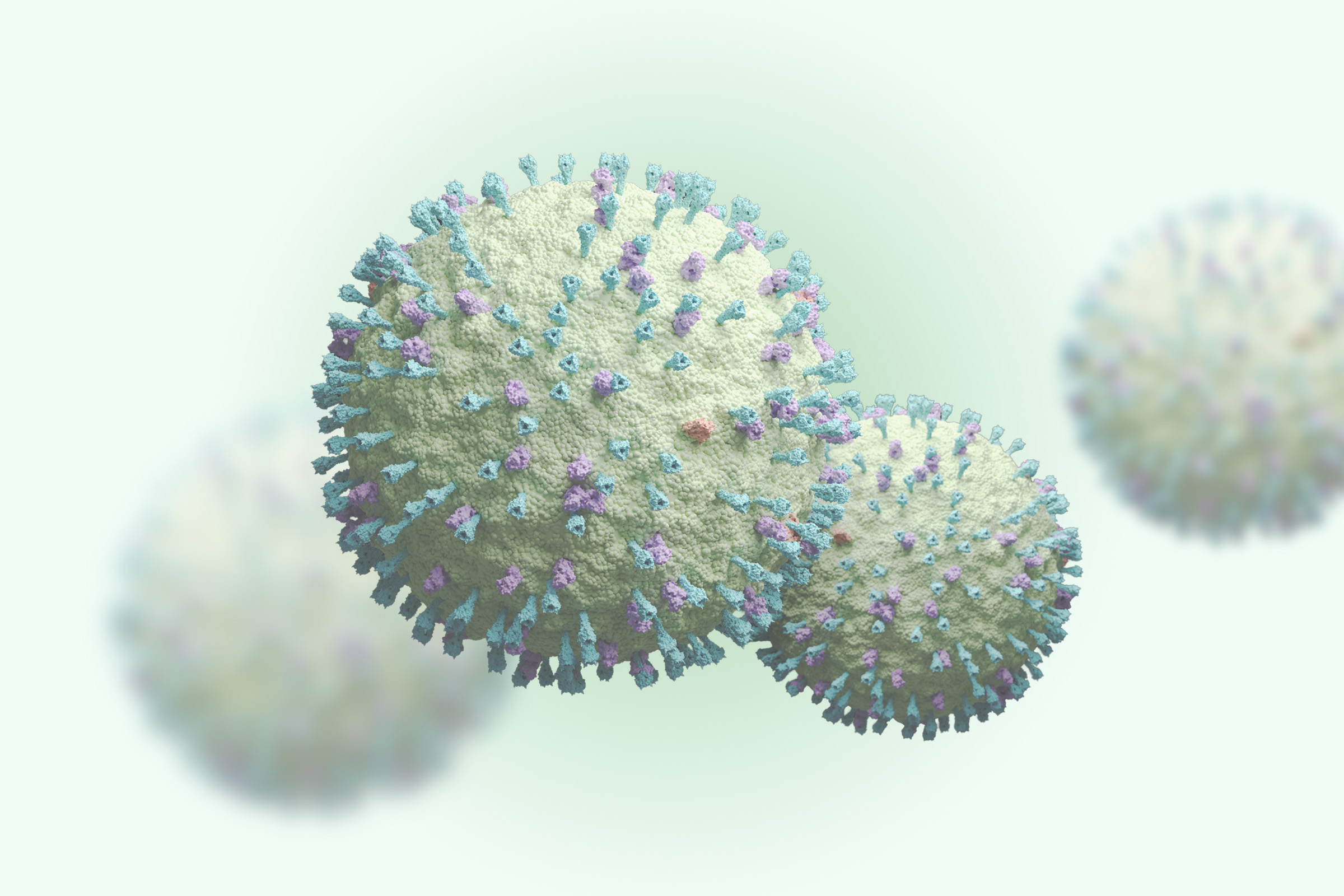
A respiratory virus that’s neither COVID-19 nor the flu is making its rounds in Northern California, hitting cities such as Sacramento and Davis.
Based on wastewater testing, health officials are seeing high levels of human metapneumovirus (HMPV)—an illness that can cause cold-like symptoms but can also lead to more serious complications, especially among young children, the elderly, and those with weakened immune systems.
“Clinically, HMPV can look like influenza or COVID-19 early on because the symptom set overlaps: cough, fever, congestion, and sometimes shortness of breath,” Dr. Steven Quay, founder of Seattle-based Atossa Therapeutics, a clinical-stage biopharmaceutical company developing therapeutics and delivery methods for oncology and infectious diseases, told The Epoch Times.
HMPV is a common and seasonal respiratory virus.
“This is a known seasonal respiratory pathogen doing what it does every winter and spring,” Dr. Tyler B. Evans, adjunct associate professor in population and public health sciences at the University of Southern California Keck School of Medicine, told The Epoch Times.
What Is HMPV?
HMPV is a virus that infects the nose, throat, and lungs. For most people, it feels like a cold but can lead to complications such as croup and pneumonia.
The virus was first confirmed in humans in 2001, but scientists say it has been spreading among humans for at least 50 years. It is in the same family of viruses as the respiratory syncytial virus.
The virus is very common; most children are likely to have been infected by age 5, and people can be infected multiple times in their lives, although symptoms are less severe after the first infection. It accounts for about one in 10 respiratory infections and can occur at any time of year, although most infections occur during winter and spring.
“HMPV is not an unusual cause of upper respiratory infections, and I am not surprised it is being detected in wastewater,” Evans said.
Symptoms of HMPV are similar to those of the flu or cold—cough, fever, sore throat, runny or stuffy nose, body aches, and headache.
“In terms of severity, HMPV most commonly causes upper respiratory illness,” Evans said. “It can cause lower respiratory tract disease, pneumonia, bronchiolitis, but that is less frequent and largely concentrated in the high-risk groups.”
High-risk groups include young children, older adults, immunocompromised patients, and those with chronic lung disease, he said.
The virus mainly spreads through contact with infected people, touching contaminated surfaces, and droplets from coughs and sneezes. Although influenza and COVID-19 both have approved vaccines and specific antiviral treatments, HMPV has neither, Evans said.
Prevention
Dr. Jacob Teitelbaum, board-certified internist in integrative medicine and author of “You Can Heal from Long COVID,” told The Epoch Times that the key to prevention is taking simple measures that optimize our immunity.
Taking a Good Multivitamin
“Vitamins and minerals are critical for optimal immunity,” he said. “A good multivitamin will contain four essential immune nutrients; these include vitamin D 1000 units, vitamin A (as retinyl) at least 2000 units, vitamin C 250 milligrams, and zinc 15 milligrams.”
Getting 8 Hours of Sleep Every Night
“Sleep deprivation is a powerful way to get immune suppressed,” Teitelbaum said.
Staying Hydrated
“Avoid sugary drinks like sodas and fruit juices, which suppress the immune system by one third for several hours,” he said. “Water and low-sugar beverages are much better.”
Part of the immune system that makes first contact with most respiratory infections is our IgA antibodies, which work well only on moist surfaces.
They don’t work well if you’re dehydrated, Teitelbaum said.
He said that at the first sign of infection, he takes elderberry, along with higher doses of zinc and vitamin C, to boost his immune system.
“Your immune system determines whether you catch an infection, and you determine how well your immune system is working,” Teitelbaum said.
Quay said that people should take preventive measures during the respiratory season, “like seatbelts”: Stay home when ill; reduce close contact with symptomatic individuals, especially around infants, frail older adults, and immunocompromised family members; wash hands after touching public surfaces and before eating; and clean high-touch surfaces when someone in the home is sick.
In higher-risk households, he recommended improving indoor air ventilation with, when feasible, HEPA filtration, and he said that using a well-fitted mask in crowded indoor spaces during peak respiratory season “can meaningfully reduce exposure to the entire mix of circulating respiratory viruses, including HMPV.”