
Since President Donald Trump’s press conference on Sept. 22 announcing a treatment for autism, research professor Edward Quadros’s phone has been ringing nonstop.
The SUNY Downstate University professor, who has a doctorate in biochemistry and specializes in folate absorption, wasn’t surprised when he heard the news, he told The Epoch Times.
Having leucovorin approved by the Food and Drug Administration as the first drug to treat autism is the result of more than 20 years of work, Quadros said. Prior to the relabel, it was best known as an adjunct chemotherapy drug given to cancer patients to prevent side effects of methotrexate.
The drug targets a nutritional deficiency in the brain that research estimates affects more than 70 percent of children with autism.
The Discovery of Cerebral Folate Deficiency
The connection between autism and leucovorin began with an unexpected detour.
In 1998, the United States mandated folate, or vitamin B9, fortification in food to prevent neural tube defects in newborns.
Decades of research had suggested that mothers who gave birth to children with neural tube defects were deficient in folate, which affected their babies’ ability to close their spinal cords properly.
While the policy succeeded in reducing these birth defects, some mothers continued to give birth to children with various developmental abnormalities, including neural tube defects.
Quadros and Belgian neurologist Dr. Vincent Ramaekers were researching why.
Later in 2002, their teams discovered that affected babies had severe folate deficiencies in their brains despite receiving both prenatal and postnatal supplementation. Measurements of their spinal fluid showed very low levels of the vitamin’s active form.
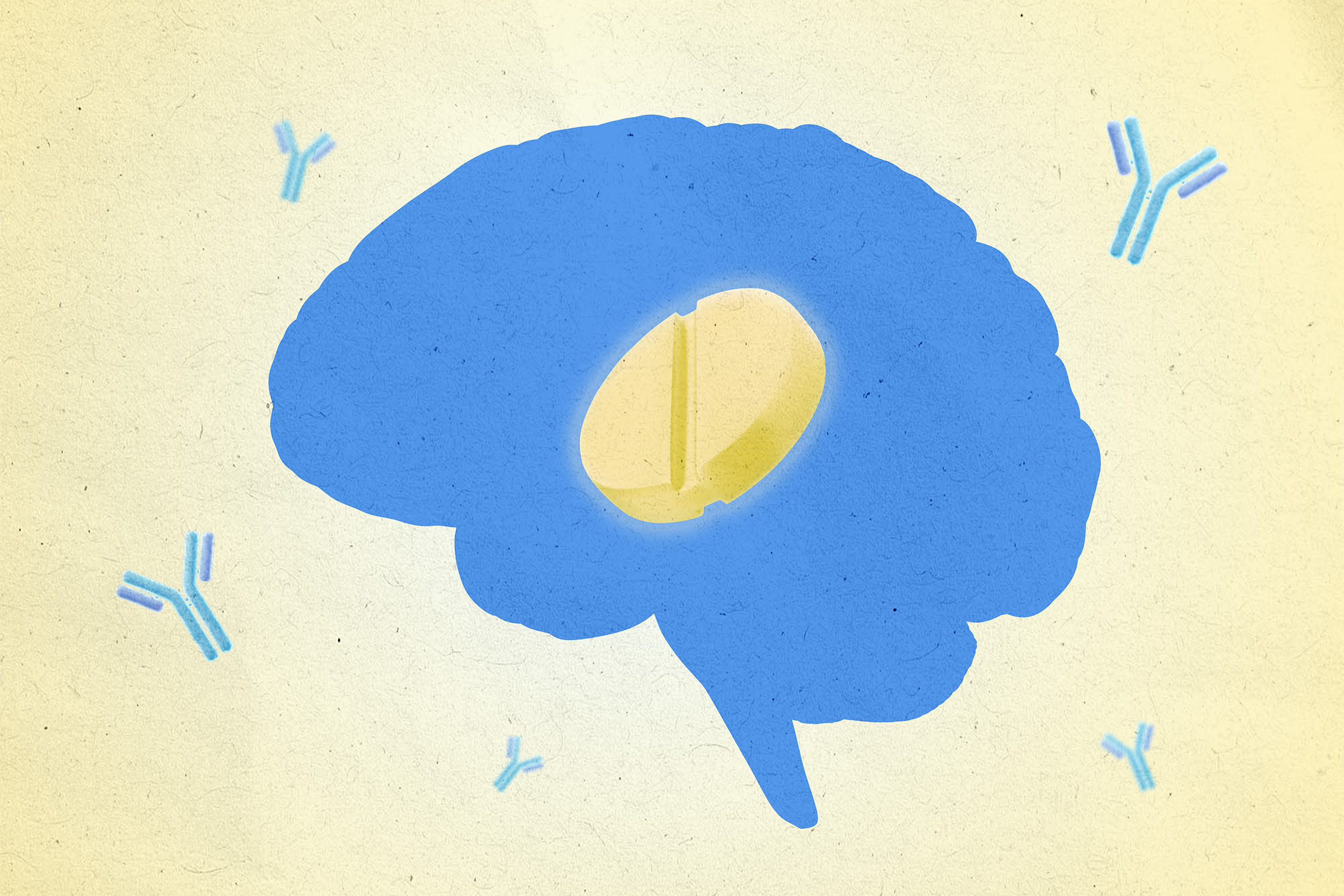
It turns out that many of these children with cerebral folate deficiency have autoantibodies to the brain’s main folate receptor. These autoantibodies block the main folate receptors, effectively stopping the brain from absorbing common forms of folate from diet or supplementation.
When these children were treated with folinic acid, or leucovorin—a more readily absorbed form of folate—their symptoms improved.
Of the 25 children they studied with these folate receptor autoantibodies, four had autism.
Leucovorin and Autism
In 2013, a paper led by neurologist Dr. Richard Frye, along with Quadros, found that among autistic children in the clinic, upward of 75 percent had autoantibodies that can block folate from entering the brain.
Leucovorin proved to be a viable treatment for these children because it could bypass this autoantibody blockade by using a different route to enter the brain.
Supplementing a brain that is folate-deficient has vast neurological benefits. Folate is responsible for making neurotransmitters, helps create and repair DNA to maintain neural health, and forms the myelin coat that helps accelerate nervous system signaling.
Brain folate deficiency naturally leads to complications ranging from motor and mood disorders to cognitive problems such as confusion and dementia.
Frye, one of the leading neurologists studying leucovorin in autistic children, said the main improvement he observes is in language.
“I get a lot of nonverbal kids and preverbal kids that just have a couple of words, making language sounds, or just making noises. But it seems the leucovorin seems to help at every level,” Frye told The Epoch Times.
If the child couldn’t talk, they started talking with leucovorin. If the child was talking, going on leucovorin seemed to help them better understand the nuances of language, he said.
Often, behavioral problems also improved, Frye added, perhaps because being able to express themselves gives children an outlet for their frustrations.
Psychiatrist Dr. David Danish reported that most patients show meaningful gains within days to weeks of starting treatment. Parents have described children progressing from one-word phrases to spontaneous three- or four-word sentences, following multistep instructions, and showing improved mood and social awareness.
Limitations and Precautions
Not all children will necessarily benefit from leucovorin. The treatment is not meant for children whose autism is not due to cerebral folate deficiency, or where cerebral folate deficiency is not a major factor in the child’s autism, Quadros said.
Despite language and behavioral improvements, gains in intelligence—another major concern for profoundly autistic children—have been inconclusive.
“Leucovorin should not be treated as an ‘autism pill,’” Frye cautioned.
As a single-drug treatment, leucovorin is safe with few side effects, though some children experience hyperactivity and agitation, Quadros said.
Other potential side effects include allergic reactions, which may cause rashes, swelling, or difficulty breathing. Children taking anti-seizure medications may see an increase in seizures after taking leucovorin.
Who May Benefit
Quadros said the best outcomes are usually seen in children treated before age 3, during critical windows for language and social development.
He therefore recommends that children under 3 be blood tested for the folate receptor autoantibody. If present, it puts them at high risk of cerebral folate deficiency and neurodevelopmental disease.
His team is currently researching whether autism can be prevented by screening couples for folate receptor autoantibodies and giving them leucovorin before conception.
Earlier this year, a case study from Italy followed two women with a history of having children affected by neurodevelopmental disorders who tested positive for folate receptor antibodies. After supplementing with leucovorin prior to conception, both gave birth to typically developing children.
Remaining Questions
The science is still not settled on how leucovorin works in autism.
Not all children with cerebral folate deficiency have folate receptor autoantibodies, and not everyone with autoantibodies develops cerebral folate deficiency.
Frye said that they’re currently researching to find the optimal dose as well as the population that will respond best to the drug.
Still, leucovorin represents the first drug aimed at treating an underlying cause of autism rather than simply managing symptoms such as aggression or epilepsy. Quadros said he expects that leucovorin will mark the beginning of a new era in which autism is addressed more as a biological condition than as a purely genetic and intractable one.
Zachary Stieber contributed to this report.