Every 10 percent of children’s daily calories expended on chicken nuggets, sugary cereal, and packaged snacks is linked to a measurable decline in parts of the brain tied to emotion and motivation—even before their first day of kindergarten, according to a new study.
Researchers at Children’s Hospital Los Angeles tracked 144 Latino children from infancy through age 6, measuring their ultra-processed food (UPF) intake at 6 months, 12 months, 24 months, and 72 months and scanning their brains with an MRI at age 6.
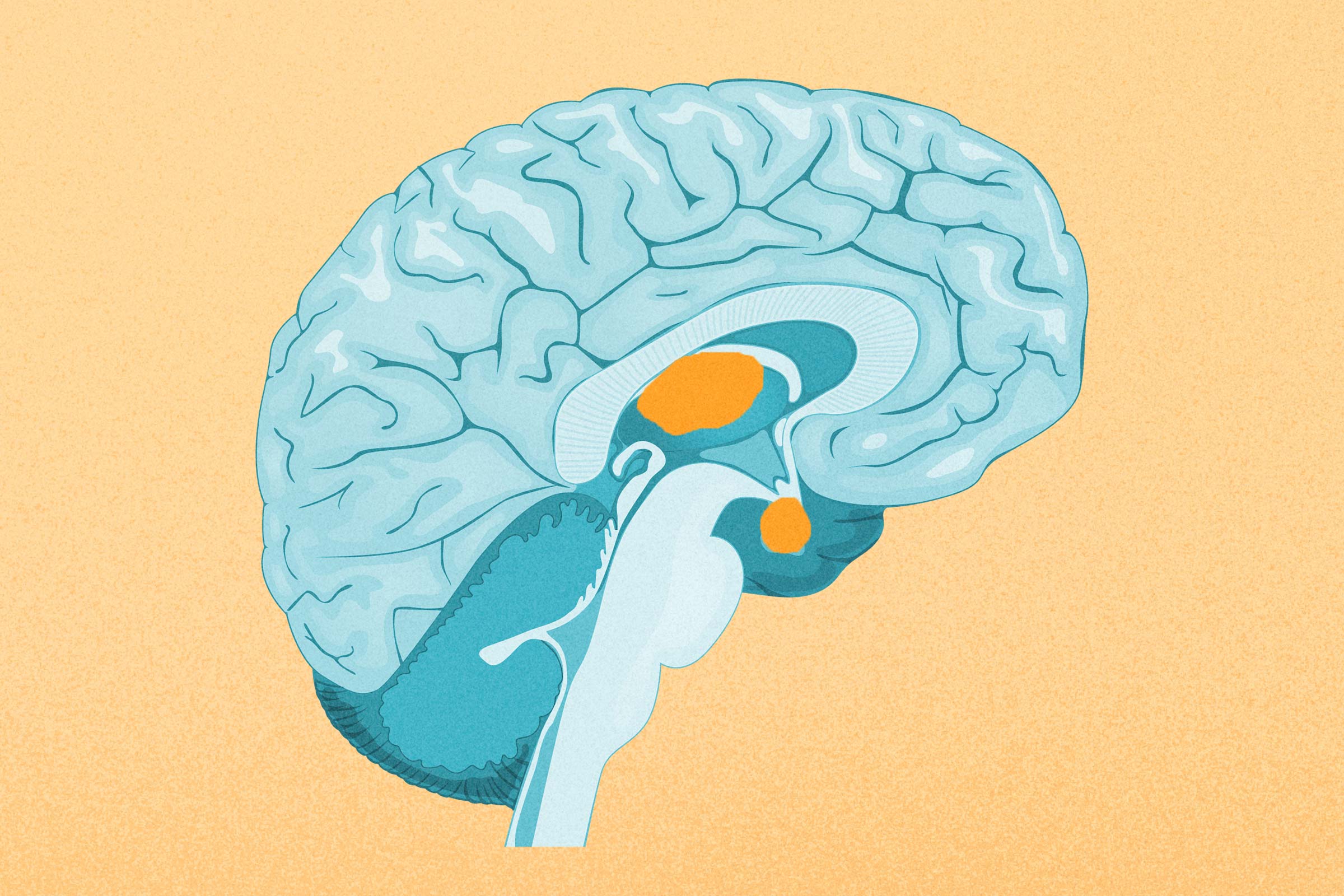
They found that every 10 percent increase in cumulative UPF consumption was associated with a nearly 2 percent decrease in the size of subcortical brain regions, including the amygdala and thalamus, which govern reward, emotion, and motivation.
If a child’s diet shifts more drastically—for instance, replacing 30 percent or 40 percent of their diet with processed snacks—the projected brain volume reduction could become exponentially higher.
Children’s performance on tests of language, motor skills, memory, processing speed, and attention showed no measurable difference, even as their brain structure changed. The study, published in The American Journal of Clinical Nutrition, is observational, meaning it shows an association rather than proof that UPFs directly cause the structural changes, a distinction the researchers themselves are careful to note.
“Even without differences in cognitive performance, we’re seeing measurable changes in brain structure,” said senior author Michael I. Goran, director of the Nutrition and Obesity Program at Children’s Hospital Los Angeles, in a statement.
He said that what children eat early in life “may shape brain development in ways we’re just beginning to understand.”
“[The research] continues to reinforce something we’ve known for a long time: Nutrition plays an important role in children’s physical growth, brain development, learning, and overall health,” Lindsay Malone, a registered dietitian and professor in the Department of Nutrition at Case Western Reserve University’s School of Medicine, who was not involved in the study, told The Epoch Times.
Toddlers and school-aged children now obtain more than 60 percent of their daily calories from ultra-processed foods. In the United States, children ages 1 to 5 get more than half their energy intake from these products. Experts have long warned that UPFs raise children’s risk of diabetes, obesity, and future heart disease; this research adds a new dimension by pointing to a possible effect on brain development itself.
What Counts as an Ultra-Processed Food
Ultra-processed foods are industrial products made from refined ingredients and additives, designed for convenience and long shelf life. They typically contain little to no whole food and often include sweeteners, flavorings, emulsifiers, or other cosmetic ingredients. Common examples include some fast foods, frozen meals, baked goods, lunch meats, and dairy products.
Early childhood is considered a critical window for brain development because of high neuroplasticity—the brain’s ability to reorganize its neural connections. Diet quality during this time may influence neurodevelopment, the researchers said.
Diana Cusa, a registered dietitian and certified diabetes care and education specialist at Northwell Health in New York, who was not involved in the study, said a nutrient-dense diet is important for supporting brain development and cognitive function.
This means ensuring that children are getting enough omega-3 fatty acids, iron, choline, B vitamins, and antioxidants.
The new findings build on previous studies in adults that have linked higher UPF intake to lower brain volume and cognitive impairments, including attention and memory. Those results prompted scientists to explore whether similar effects occur in children.
Goran said more work is needed to understand the mechanisms behind the changes his team observed.
“We still have much to learn about how early dietary exposures influence the developing brain,” he said. “Identifying the underlying mechanisms will be important for understanding what these findings mean for long-term health.”
The research team plans to investigate next which developmental windows may be most sensitive to diet and explore the biological pathways involved.
UPFs may cause changes in the brain’s structure by leading to inflammation and nutrient shortages during important growth periods. When scientists say the brain is “shrinking,” they don’t mean brain cells are dying right away. Instead, they mean that there are fewer brain cells packed together, fewer connections between them, and changes in the environment inside certain deep parts of the brain.
How Parents Can Cut Back on UPFs
Cusa said the most effective changes happen when parents lead by example—and that cutting back benefits the whole family, not just kids. She offered the following practical recommendations:
- Cook More at Home: Prioritize whole, unprocessed ingredients such as fruits, vegetables, grains, proteins, and dairy.
- Involve Children in Food Preparation: Involve children in shopping, meal preparation, and cooking.
- Shop Strategically: Shop the perimeter of the grocery store, where most of the least processed foods are located. Read the ingredients, and look for short lists with recognizable ingredients.
- Check Ingredient Lists: Avoid products with high-fructose corn syrup, corn syrup, added sugars, partially hydrogenated oils (trans fats), artificial colors, flavors and sweeteners, and many unpronounceable chemical additives.
- Prepare Snacks Ahead of Time: Choose options such as apple slices with peanut butter, carrots and hummus, hard-boiled eggs, cheese with whole-grain crackers, plain yogurt with berries, and nuts.
- Choose Water as the Primary Beverage: Make water your main beverage and limit sugary drinks.
Malone emphasized that this doesn’t mean parents should strive for perfection.
“Most kids will eat ultra-processed foods sometimes,” she said. “And that’s OK.”
She also encouraged families to focus on consistency.
“If the majority of meals include fruits, vegetables, quality protein, whole grains, and healthy fats,” Malone said, “you’re building a strong nutritional foundation for your child’s development while leaving room for birthday cake, pizza night, and other favorite foods.”