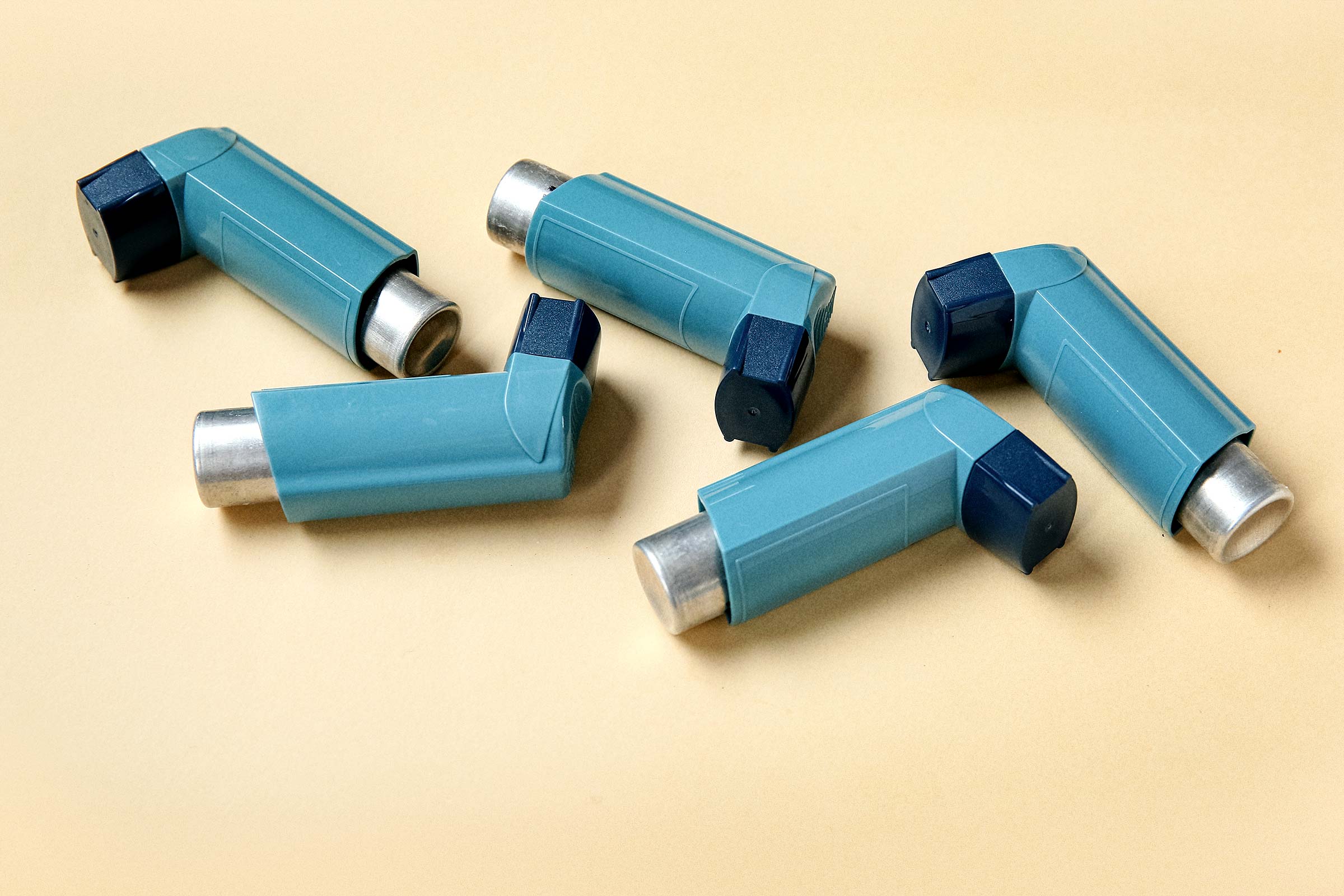
Reaching for a rescue inhaler more than twice a year could be a red flag for your heart, not just your lungs. A recent study of more than 280,000 patients found that asthma and COPD patients who overuse reliever inhalers face up to a 14 percent higher risk of cardiovascular disease and death.
Asthma and COPD rely heavily on “reliever” or “rescue” inhalers, fast-acting medications that open the airways during a flare-up.
“Rescue inhalers are essential during flare-ups and can be lifesaving, but repeated reliance on them should be viewed as a warning sign rather than the solution,” Dr. Gustavo Ferrer, a board-certified pulmonologist and founder of the Cough Clinic at Cleveland Clinic Florida, who was not involved in the study, told The Epoch Times.
The new research, published in ERJ Open Research, found that nearly one in five asthma patients and one in three COPD patients are overusing these inhalers. The more inhalers patients used each year, the higher their risk of heart disease and death.
What Counts as ‘Overuse’?
Researchers, led by Lies Lahousse, analyzed health records from more than 280,000 patients in Belgium who used short-acting beta-agonists (SABA) and short-acting muscarinic antagonists (SAMA), two main types of reliever inhalers.
SABA inhalers stimulate beta receptors in the lungs to relax airway muscles, while SAMA inhalers block acetylcholine to prevent airways from tightening.
Doctors stress that rescue inhalers remain essential during flare-ups and shouldn’t be stopped or reduced without medical guidance. But frequent use is a signal to bring up with your doctor, not a reason to cut back on your own.
“When your patients are using three or more canisters of short-acting bronchodilators per year, it is an important warning sign,” Lahousse told The Epoch Times.
Who’s Most at Risk?
While asthma control protects the heart, inhaler overuse signals poorly managed airway disease and should prompt a medical review of treatment, Lahousse said. Inhalers only provide temporary relief, and over-reliance might allow the underlying disease to worsen unchecked, increasing the risk of serious heart issues.
The research team plans to investigate whether stricter management of maintenance therapy can reduce inhaler overuse and associated risks. They also aim to explore whether cardiovascular screening or treatments could help lower these risks.
SAMAs are anticholinergic drugs that block muscarinic receptors. Their cardiovascular effects can include increased heart rate and abnormal heart rhythms, although inhaled ipratropium generally has limited effects outside the lungs and does not typically cause clinically significant changes in heart rate at recommended doses.
SABAs stimulate beta-adrenergic receptors. This stimulation can increase heart rate and lower potassium levels in the blood, potentially increasing the risk of abnormal heart rhythms in susceptible patients.
The overuse of a rescue inhaler is linked to heart disease and cardiovascular risks primarily due to a combination of direct side effects on the heart and the danger of leaving severe underlying lung inflammation untreated.
How to Improve Asthma
Adding certain evidence-based, complementary techniques to asthma management can improve respiratory control and reduce the need for a rescue inhaler.
Pulmonary Rehabilitation: Structured programs combine exercise and breathing training to improve lung stamina.
Yoga and Pranayama: Controlled breathing practices that may help lower stress, a known asthma trigger.
Allergen Avoidance: Limiting exposure to dust mites, pet dander, mold, smoke, and strong fragrances.
Diet and Weight Management: An anti-inflammatory diet and maintaining a healthy weight may ease breathing and reduce strain on the lungs.