
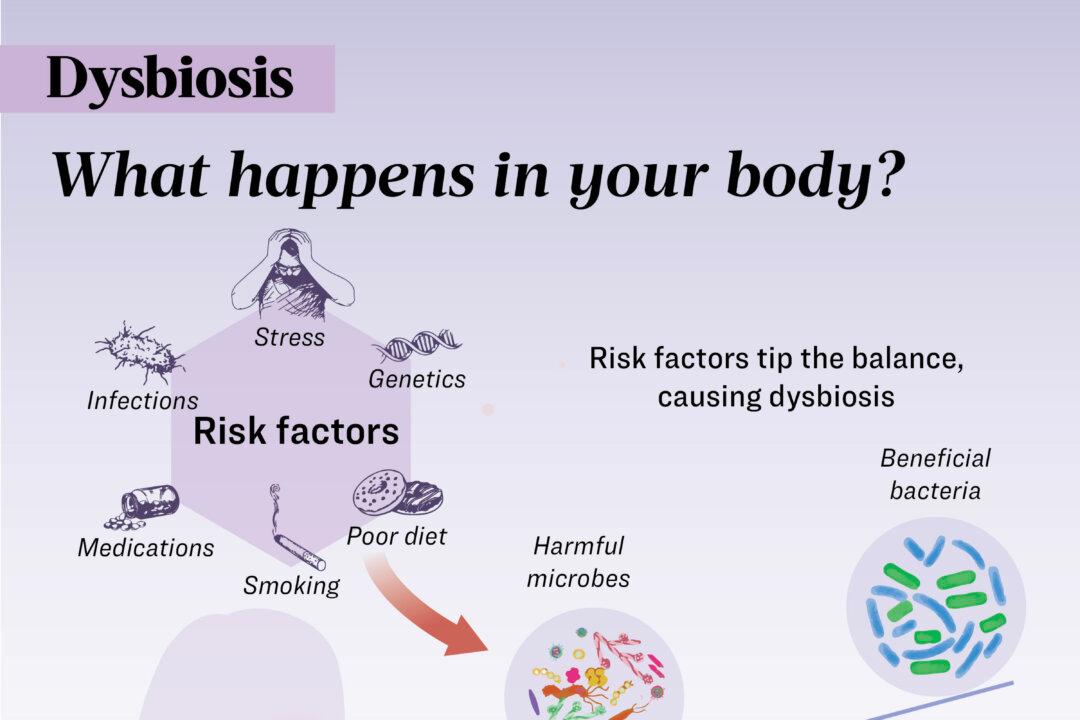
- A decrease in microbial diversity
- A loss of beneficial microbes
- An overgrowth of harmful or opportunistic microbes
These shifts can lead to very different effects depending on where they occur. For example, a loss of microbial variety in the gut may affect the brain, contributing to mood changes or memory issues, while an overgrowth of bacteria on the skin might trigger eczema. Each body system connected to the microbiome can experience its own type of microbial imbalance.
- Viral or bacterial infections, including SARS-CoV-2
- Underlying health conditions such as inflammatory bowel disease, obesity, and chronic liver disease
- Lifestyle habits such as smoking, alcohol consumption, unprotected sex, lack of physical activity, and sleep deprivation
- Physical or emotional stress—including trauma, surgery, or chronic tension
- Poor hygiene or excessive sanitization
- Poor diet—high in animal protein, unhealthy fats, sugars, and processed foods, and low in fiber
- Food additives such as antimicrobial preservatives, sulphates and sulphites, emulsifiers, and artificial sweeteners
- Antibiotics and other drugs, including statins, proton pump inhibitors, nonsteroidal anti-inflammatory drugs, and antidepressants
Additionally, the following factors may increase the risk of developing dysbiosis:
- Genetics may play a small role in susceptibility.
- Cesarean birth—frequently paired with antibiotics—can delay healthy microbial colonization. The benefits of swabbing the infant’s mouth with vaginal fluid appear to last less than a month.
- Formula feeding lacks breastmilk’s prebiotics and probiotics, reducing microbial diversity.
- A poor maternal diet or dysbiosis during pregnancy can increase the baby’s risk.
- Environmental toxins like pesticides, air pollution, and endocrine disruptors alter gut pH and microbial function.
- Hormonal changes during puberty, pregnancy, or menopause.
- A leaky gut allows bacteria and other substances to enter the bloodstream, fueling inflammation that worsens microbial imbalance.
- Low production of butyrate—a compound made when gut bacteria break down fiber—weakens gut wall protection and changes oxygen levels in the intestines.
- Halitosis or bad breath
- Gas
- Bloating
- Food intolerances or sensitivities
- Abdominal cramping
- Diarrhea
- Mucus in the stool
Beyond the digestive system, dysbiosis can trigger a variety of symptoms that might not seem connected at first.
- Genitourinary symptoms, such as vaginal itching or discharge
- Dermatological signs, including skin rashes or redness
- Oral health issues, such as cavities or bleeding gums
- Systemic symptoms like persistent fatigue
Dysbiosis can also significantly affect mental well-being, contributing to depression, anxiety, and cognitive difficulties such as memory issues or brain fog.
Gut Dysbiosis
The most common and well-researched type of dysbiosis involving imbalances in the gut microbiota that contribute to inflammatory bowel disease, irritable bowel syndrome, and other gastrointestinal disorders.
Oral Dysbiosis
Occurs in the mouth and can lead to conditions such as gingivitis, periodontitis, and other oral health issues.
Vaginal Dysbiosis
Involves imbalances in the vaginal microbiota, most notably bacterial vaginosis.
Skin Dysbiosis
This condition involves imbalances in the skin microbiota, which can contribute to conditions such as eczema and acne.
Basic Tests
- Stool culture: Detects harmful bacteria but often misses the broader microbial picture
- Breath test: Helps identify bacterial overgrowth, particularly small intestinal bacterial overgrowth
- Endoscopy/colonoscopy: Offers direct visualization of the gut, but doesn’t assess microbial balance
Functional Medicine Tests
- Comprehensive stool analysis: Assesses bacterial balance, inflammation markers, and digestive function
- Intestinal permeability tests: Measures “leaky gut” through blood or stool samples
- Organic acids test: Indicates microbial activity based on metabolites in urine
- Food sensitivity testing: Identifies foods that may contribute to gut dysfunction
These specialized tests can help detect imbalances in the gut bacteria that standard tests may miss.
- Oral: Gingivitis, periodontitis, dental caries, oral candidiasis
- Gastrointestinal: Ulcerative colitis, Crohn’s disease, irritable bowel syndrome, gastroenteritis
- Neurodevelopmental and neuroinflammatory: Meningitis, stroke, Parkinson’s disease, autism spectrum disorder
- Cardiovascular: Atrial fibrillation, endocarditis
- Respiratory: Cystic fibrosis, pneumonia, lung infection, sleep apnea
- Kidney: Chronic kidney disease, uremia (excess urea in the blood)
- Bladder and reproductive tract: Pelvic inflammatory disease, urinary incontinence, interstitial cystitis, bladder pain syndrome
- Psychiatric: Dementia, depression, anxiety, bipolar disease, schizophrenia
- Skin: Rosacea, psoriasis, dermatitis
- Metabolic: Insulin resistance, Type 2 diabetes, obesity, dyslipidemia (unbalanced blood lipids)
- Autoimmune conditions: Rheumatoid arthritis, systemic sclerosis, Sjögren’s syndrome, antiphospholipid syndrome, Type 1 diabetes, multiple sclerosis
- Cancer: Gynecological, colorectal, skin, and lung cancers
Other Systemic Complications
Endotoxemia: A condition in which bacterial toxins such as lipopolysaccharide leak into the bloodstream due to a compromised gut barrier, triggering widespread inflammation.
Removing Harmful Strains
Antibiotics are prescribed for bacterial infections, with selection based on the infection’s type and location. Antifungals are used for fungal overgrowth, such as Candida infections.
Fecal Microbiota Transplantation (FMT)
FMT is highly effective and approved for treating recurrent Clostridioides difficile infections, also known as C. diff, which can cause severe diarrhea and inflammation of the colon. FMT involves transferring fecal matter from a healthy donor to the patient’s gut via colonoscopy, enema, or oral capsules.
Addressing Medication-Induced Dysbiosis
If a medication is suspected of causing dysbiosis, practitioners may recommend discontinuing or modifying treatment until microbial balance is restored.
Microbial Metabolic Pathway Therapy
This emerging approach uses pharmaceuticals to influence microbial activity—enhancing beneficial effects and suppressing harmful ones. Drugs are used to block the metabolic pathways of harmful microbial by-products.
Probiotics
Conventional medical practitioners use probiotics, but limited clinical guidance and a lack of U.S. Food and Drug Administration regulation restrict their application. Effectiveness varies by strain—a distinction not all clinicians may recognize—so strain selection, formulation, and dosing should be guided by a knowledgeable professional and personalized based on stool analysis, genetics, and medications.
The Dietary Pathway to a Healthy Microbiome
Diet provides a primary source of microbial flora in the body—a principle emphasized by traditional medicine systems such as Chinese medicine and Ayurveda. Modern research confirms that changes in macronutrient intake, like protein, fat, and carbohydrates, can rapidly alter the gut microbiota. Diets high in simple sugars are especially disruptive, as they can damage the intestinal barrier, trigger inflammation, and impair metabolism. These effects contribute to dysbiosis by altering microbial activity and interactions.
The Mediterranean Diet
Known for its anti-inflammatory benefits and positive influence on gut health, research has shown the Mediterranean diet increases microbial diversity, promotes beneficial bacteria, and decreases harmful strains. It emphasizes:
- High intake of fruits, vegetables, whole grains, nuts, seeds, and olive oil
- Moderate consumption of fish, poultry, and dairy
- Limited intake of red meat and processed foods
- Healthy fats, particularly monounsaturated fats from olive oil and omega-3s from fatty fish
The Mediterranean diet is rich in fiber, which feeds microbes that break down complex carbohydrates. This process boosts the production of short-chain fatty acids, which support gut health. Polyphenols in foods like olive oil and wine also act as prebiotics, feeding beneficial microbes. In addition, these healthy fats have anti-inflammatory properties and help promote microbial balance.
The Alkaline Diet
The alkaline diet focuses on foods that create alkalizing substances, reducing acidity in the body. Although blood pH is tightly regulated by the body, urinary pH can change based on diet and is tested using pH strips.
- High intake of fruits, vegetables, nuts, and seeds
- Limited intake of acid-forming foods such as meat, dairy, and refined grains
- Plant-based fats from sources such as nuts, seeds, and avocados
The 5 Rs of Functional Medicine
While nutrition plays a central role in microbial health, restoring full-body balance often requires additional support. Functional medicine practitioners commonly use a flexible framework called the “5 Rs” to guide this process. The 5 Rs framework targets the root causes of dysbiosis and promotes long-term balance through five key steps: remove, replace, reinoculate, repair, and rebalance.
1. Remove
The first step in restoring balance is eliminating microbial disruptors that contribute to dysbiosis. These include pathogenic microbes, inflammatory triggers, environmental toxins, and personal care products that damage local microbial ecosystems. Common disruptors of the microbiome and how to remove them are:
- Harmful microbes: Natural remedies like garlic, pomegranate peel, or green tea extract may be options for removal. Seek professional guidance before using stronger herbs.
- Dietary triggers: Limit processed foods, additives, and alcohol.
- Medications: Talk with your health care provider about reducing medications that affect gut bacteria.
- Environmental toxins: Minimize exposure to air pollution, pesticides, and smoke. Consider an indoor air purifier and choose organic produce.
- Disruptive skin products: Avoid harsh soaps and overuse of sanitizers. Choose gentle, fragrance-free options.
- Mouth care: Antiseptic mouthwashes kill both harmful and beneficial bacteria. Replace with microbiome-friendly rinses containing xylitol, essential oils, or botanical extracts such as green tea or clove. Oil pulling with coconut oil may also help reduce harmful biofilms and support microbial balance.
- Feminine hygiene products: Avoid douching and scented or chemical-laden menstrual products. Opt for organic, unscented products to protect the vaginal microbiome.
2. Replace
This step focuses on restoring missing elements that support digestion and microbial nourishment. Dysbiosis often develops—or persists—when digestive function is impaired or key nutrients are lacking. Replacing digestive secretions, supportive nutrients, and healing compounds helps create an internal environment where beneficial microbes can thrive.
- Digestive enzymes and bile support: Low stomach acid, insufficient digestive enzymes, or sluggish bile flow can impair digestion and contribute to microbial imbalance. Supplemental enzymes or bile support, such as ox bile or digestive bitters, may improve digestion when needed.
- Nutrients potentially depleted in dysbiosis: Deficiencies in zinc, magnesium, vitamin A and D, omega-3 fatty acids, and iron may impair barrier function, alter microbial composition, and disrupt immune regulation. Nutrient testing can help identify individual needs.
- Gut-healing foods: Bone broth provides collagen, glutamine, and minerals that support gut lining integrity.
- Plant compounds to enhance digestive secretions: Bitter herbs such as gentian, dandelion, and artichoke can stimulate stomach acid, bile, and pancreatic enzymes, aiding food breakdown and supporting microbial balance.
3. Reinoculate
Reintroduce beneficial microbes through food or supplementation.
4. Repair
Restore barrier integrity and reduce inflammation.
- Nutrients that support cells in the gut lining include L-glutamine, zinc carnosine, omega-3s, collagen, and vitamins A and D.
- Herbs such as camellia sinensis from black tea, deglycyrrhizinated licorice, marshmallow root, and ginger may soothe inflammation and promote mucosal healing.
- Short-chain fatty acids such as butyrate, propionate, and acetate may be used as supplements to reduce inflammation and support epithelial repair, especially if butyrate-producing bacteria are depleted.
- Polyphenols such as resveratrol, quercetin, curcumin, and epigallocatechin gallate may support gut healing. Resveratrol may also help reduce trimethylamine N-oxide, a compound linked to cardiovascular risk.
5. Rebalance
Address lifestyle factors that influence the microbiome, such as stress management and sleep. Time outdoors and physical activity can increase exposure to diverse microorganisms. Contact with natural elements—like soil and plants—may introduce beneficial microbes to the skin and enhance the diversity of the skin microbiome. Research shows that time spent in urban green spaces can improve skin and nasal microbial diversity and influence the overall makeup of the human microbiota.
Pregnancy and Birth
The earliest steps toward prevention begin before birth. A mother’s microbiome shapes her child’s microbial foundation.
- Focus on a nutrient-dense, whole-food, fiber-rich diet to support the maternal microbiome.
- Incorporate probiotics or prebiotics during pregnancy when appropriate.
- Choose vaginal delivery, if possible, and prioritize immediate skin-to-skin contact.
- Extend exclusive breastfeeding for six months or longer when feasible.
Infancy and Childhood
Early life is a critical window for microbiome development, setting the stage for lifelong health.
- Limit antibiotic use to medically necessary situations.
- Encourage outdoor play and exposure to pets to boost microbial exposure.
- Reduce intake of processed foods with added sugars.
- Use fragrance-free soaps and minimize antimicrobial products.
Adolescence to Adulthood
As independence and lifestyle habits form, so do long-term microbial patterns.
- Maintain consistent oral hygiene, including brushing and flossing.
- Practice safe sex using barrier methods such as condoms.
- Adopt dietary patterns that align with Mediterranean and alkaline principles.
- Limit alcohol intake, avoid smoking, and reduce exposure to secondhand smoke.
Throughout Life
Regardless of age, some habits are universally protective.
- Incorporate stress-reducing practices like prayer, mindfulness, deep breathing, or time in nature.
- Prioritize sleep hygiene and aim for seven to nine hours of restful sleep each night.
- Opt for targeted antibiotics when appropriate, and consult with a provider about alternatives to broad-spectrum medications.
- Evaluate and limit the use of medications known to disrupt the microbiome.