
How to Make an Age-Old Superfood for Improved Digestion
Comments
Link successfully copied
(Lithiumphoto/Shutterstock)
By Alexandra Roach
12/21/2025Updated: 12/22/2025

Bloating, gas, or stomach pain—many people experience these digestive issues at some point. While these problems are usually temporary, they can linger, prompting a closer look at gut health and the role everyday foods play in supporting digestion.

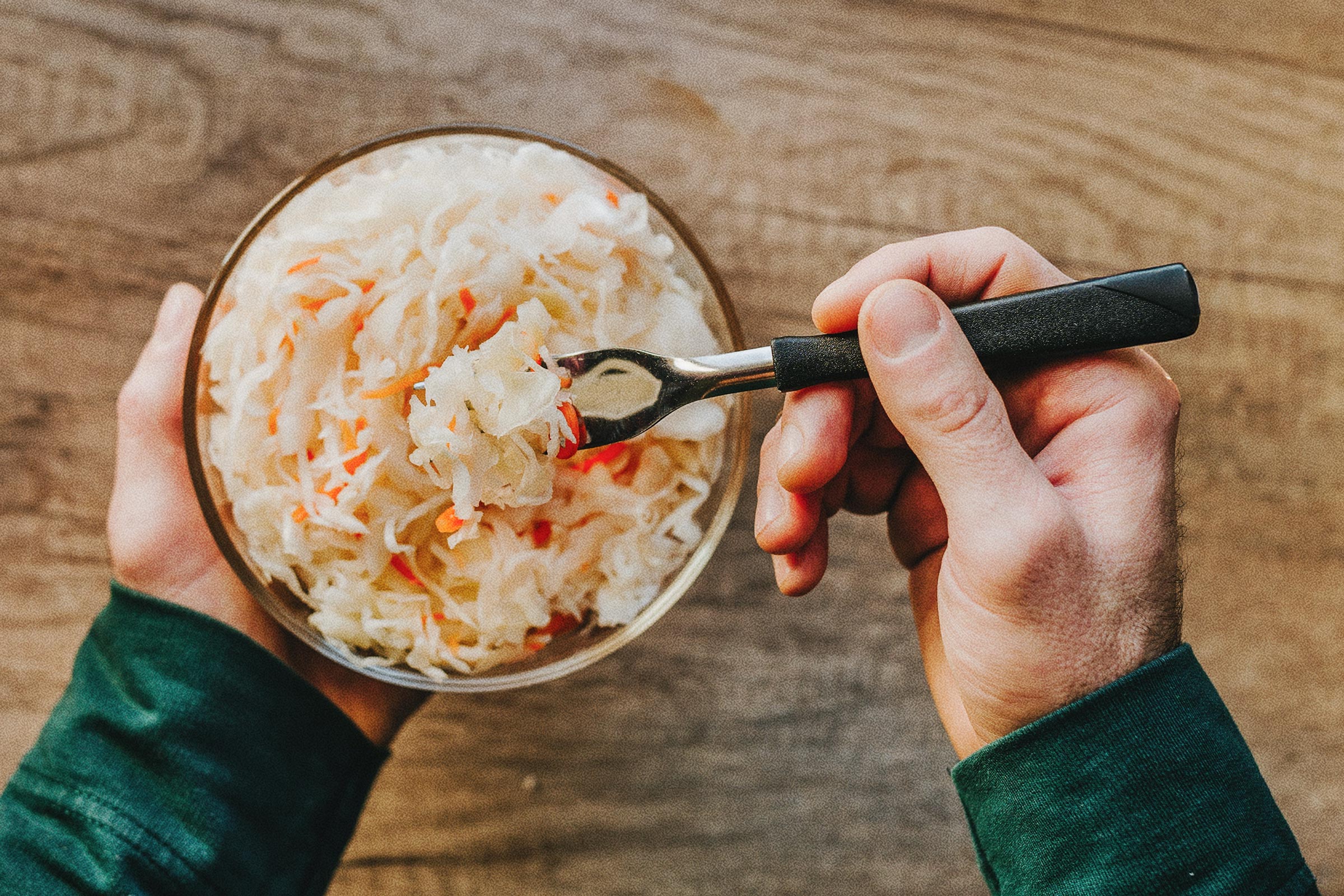
One food that has stood the test of time is sauerkraut. Made by fermenting cabbage, sauerkraut is rich in naturally occurring probiotics and prebiotics, making it a simple, affordable way to support a healthy digestive system. Understanding why it helps—and how to make it at home—can offer a practical starting point for improving gut health through diet.

Why Gut Health Matters


The digestive tract is home to trillions of microorganisms, including bacteria, viruses, and fungi. Together, they form the gut microbiome, which plays a central role in digestion, nutrient absorption, immune function, and overall well-being. When microbial balance is disrupted, digestive symptoms can appear, along with effects that reach far beyond the gut.

Research increasingly links gut health to the nervous system through the gut-brain axis, a communication network involving hormones, nerves, and immune signals. Imbalances in gut bacteria have been associated with symptoms such as fatigue, brain fog, and changes in mood.

The immune system is also closely linked to the gut. Chronic inflammation—often connected to immune responses—can affect muscles, joints, and other tissues. Some studies suggest that specific gut bacteria can trigger inflammatory responses, underscoring the influence of the microbiome.

Digestive imbalance may also interfere with nutrient absorption, leading to weakness, unintended weight loss, or ongoing digestive distress. Supporting the gut with nutrient-dense, microbiome-friendly foods is one way to help interrupt the cycle.

Why Cabbage Makes an Ideal Fermented Food


Cabbage is naturally high in fiber, making it a strong source of prebiotics once fermented. It also provides a range of vitamins and minerals that support overall health, including vitamin C and K, and provitamin A, which play roles in immune function and inflammation control.

Some varieties of cabbage, such as red cabbage, contain more vitamin C than some citrus fruits and large amounts of vitamin K and A. Both are anti-inflammatory and support the body’s immune function.

In addition, cabbage contains minerals such as iron, magnesium, potassium, calcium, and selenium. These nutrients work together in the body—for example, vitamin C enhances iron absorption when both nutrients are taken together—supporting energy levels, immune health, and digestive function, leading to less inflammation and a healthier gut.

Because cabbage is widely available, inexpensive, and easy to ferment, it has been used for centuries as a practical way to preserve food while enhancing its nutritional value.

How to Ferment Cabbage Into Sauerkraut


With just a few basic tools and ingredients, you can make sauerkraut at home and incorporate it into your regular meals.

Materials


  • Cutting board (nonmetal)

  • Sharp knife or food processor

  • Glass jar, ideally with a nonmetal fermentation lid


Because fermentation creates an acidic environment that can react with metal, nonmetal tools and lids are recommended.

Ingredients


  • 1 head of cabbage (about 3.5 cups sliced)

  • 3 bay leaves

  • 6 juniper berries

  • 1 teaspoon whole cumin seeds

  • 1 teaspoon whole mustard seeds

  • 1 teaspoon whole fennel seeds

  • 2.5 to 3 teaspoons salt


Instructions

  1. Remove the outer leaves of the cabbage and set them aside for later use.

  2. Cut the head of cabbage into quarters and remove the core.

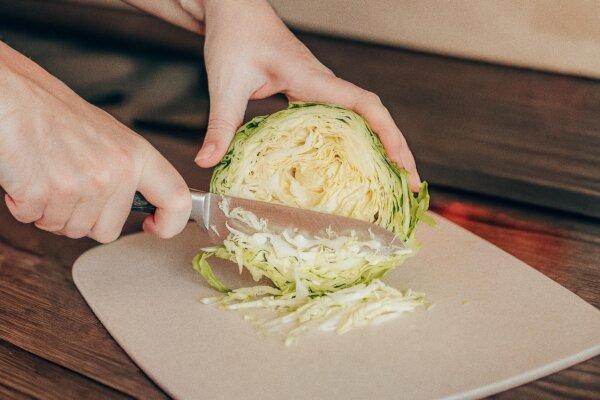
  3. Slice the cabbage very thinly or use a food processor.
    (lp-studio/Shutterstock)

    (lp-studio/Shutterstock)


  4. Place the cabbage in a bowl, add the spices (excluding bay leaves), and sprinkle with salt. Knead thoroughly to release the liquid.

  5. Continue massaging the cabbage until enough brine forms to cover the cabbage.

  6. Pack the cabbage and brine tightly into the jar, ensuring the cabbage is fully submerged. If needed, add a small amount of 2 percent salt brine, made by dissolving one teaspoon of salt in one cup of water.

  7. Place bay leaves and reserved cabbage leaves on top to keep solids submerged.

  8. Seal the jar with a fermentation lid and store at room temperature.


Fermentation is an anaerobic process, meaning it occurs without oxygen. This is important because oxygen can encourage mold growth. As the cabbage ferments, beneficial bacteria lower the pH to a level where harmful bacteria or fungi cannot establish themselves. Depending on taste preference, this process can take several weeks to about three months, at which point the cabbage develops into sauerkraut. One sign that sauerkraut is ready is that the visible bubbling slows or stops, suggesting that active fermentation has mostly finished.

Making Sauerkraut Part of a Digestive-Friendly Diet


Once the sauerkraut has finished fermenting, you can eat it raw—which is how my 86-year-old mother always prefers it. She eats about half a cup of raw sauerkraut every day. It can also be cooked with chopped, roasted bacon and diced carrots and served as a side dish for sausages, creating the traditional German dish: bratwürste mit sauerkraut. Enjoy!

Incorporating sauerkraut into your meals is a flavorful, satisfying way to nurture your digestive well-being through everyday food choices. By embracing simple, fermented foods, you can take on a more active role in shaping healthy eating habits—placing greater emphasis on supporting your body and preventing problems rather than merely responding to symptoms when they arise.

Share This Article:
Alexandra Roach is a board-certified holistic health practitioner, community herbalist, and master gardener. She studied sustainable food and farming and lives with her family on an off-grid permaculture homestead. Roach works as a journalist and author, and writes with a broad perspective on health, gardening, and lifestyle choices.

©2023-2025 California Insider All Rights Reserved. California Insider is a part of Epoch Media Group.