
Forget complicated elimination diets.
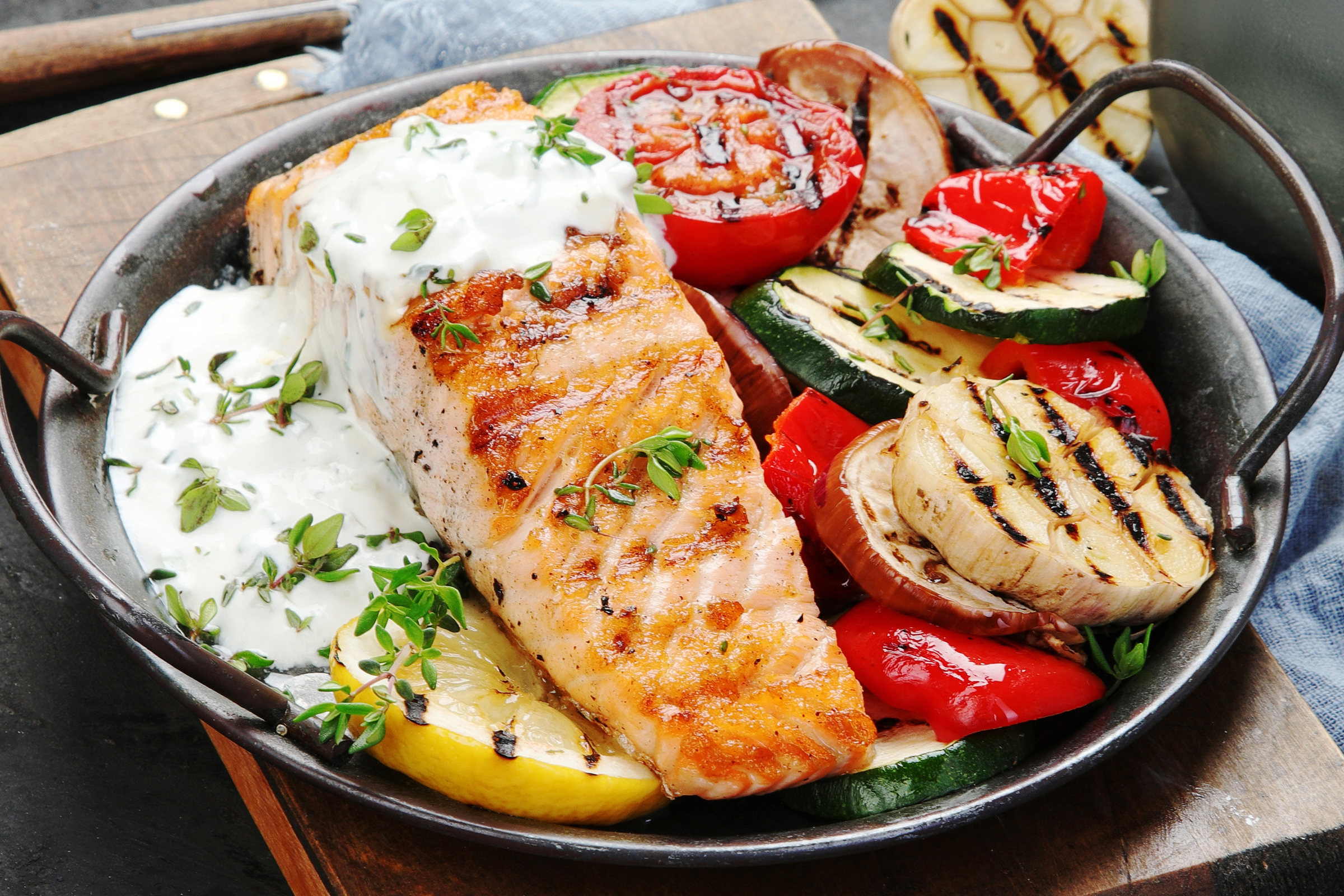
A simple switch to a Mediterranean-style diet—olive oil, fish, vegetables, and whole grains—outperformed standard medical advice in reducing symptoms of irritable bowel syndrome (IBS), helping nearly two-thirds of patients feel significantly better within six weeks.
The findings, published in the Annals of Internal Medicine, suggest that the Mediterranean diet would be a successful first-line dietary intervention for IBS, which, according to researchers, would be better than the current recommendations for a complicated low-FODMAP diet that many patients struggle to follow.
Irritable bowel syndrome causes ongoing abdominal pain, bloating, and changes in bowel habits, which affect up to 15 percent of the U.S. population, with most patients developing their first symptoms before age 40.
Patients on the Mediterranean diet reported reduced bloating and general improved pain and daily functionality, compared with those following traditional dietary advice.
A 1st Line of Defense
The study involved 139 adults with IBS with an average age of 40, most of whom were women. Participants were assigned to follow either the Mediterranean diet or traditional healthy eating advice. Both groups had their own dietitian and followed their diets for six weeks.
By study end, 62 percent of those on the Mediterranean diet had experienced a meaningful reduction in symptoms: a decrease of at least 50 points on the IBS Symptom Severity Scale, which is based on participants’ self-reporting regarding the severity of their pain, their bloating, and how much of their daily life is affected by IBS. In comparison, 42 percent of participants following traditional dietary advice saw similar improvements.
Furthermore, 44 percent of the Mediterranean group had a 100-point reduction in IBS symptoms, compared with 32 percent in the traditional group. The average decrease in symptom severity was also greater for the Mediterranean diet group.
The questionnaire is scored out of 500, with scores from 300 to 500 being the most severe. A 100-point reduction may be enough to move a participant from the moderate symptom group to the mild group.
Participants with moderate or severe IBS benefited most from the Mediterranean diet, while effects in those with mild symptoms were less clear, partly because there were fewer patients in that subgroup.
The study also found that the Mediterranean diet led to a greater reduction in abdominal pain. However, there were no significant differences in mood, overall symptoms, quality of life, or diet satisfaction between the groups.
However, the research team noted, “The mechanism by which a [Mediterranean diet] improves the symptoms of IBS is unclear.”
Why Is Mediterranean Better?
Since IBS symptoms are often related to diet, many patients try different eating plans for relief.
Current guidelines recommend starting with balanced, moderate eating and avoiding irritants such as caffeine, alcohol, and fatty foods. If that doesn’t help, many turn to the low-FODMAP diet, which eliminates dairy, sugars, certain fruits, nuts, and proteins that tend to cause fermentation in the gut. However, it can be complicated and costly to follow, and it often requires expert supervision.
Although some people’s IBS may be caused by excessive fermentation, it is not necessarily the trigger for everyone. Only 70 percent of people on the low-FODMAP diet see significant benefits, suggesting other causes for IBS.
The Mediterranean diet, which emphasizes fruits, vegetables, legumes, whole grains, fish, and olive oil, is easier to follow, more nutritionally balanced, and has known benefits for reducing inflammation while providing sufficient nutrition. It is also linked to heart health and mental well-being.
Many people find the Mediterranean diet enjoyable and sustainable because it offers variety and flavor, and it can be adjusted to different cultures and budgets, Hannah Anderson, a registered dietitian at WellTheory, and not involved in the study, told The Epoch Times.
“The diet may need some tweaking to avoid symptom triggers, but overall, it can be a flexible and balanced way to eat,” she said.
The Mediterranean diet can also be easily adjusted for people following a plant-based diet, Alyssa Simpson, a registered dietitian, certified gastrointestinal nutritionist, and owner of Nutrition Resolution, who was not involved in the study, told The Epoch Times.
Eat Less Fiber
Experts recommended a gradual approach when adopting Mediterranean eating patterns for IBS.
“Big shifts all at once, especially adding a lot more fiber, can sometimes lead to more discomfort,” Alexander Leritz, a registered dietitian at JM Nutrition who was not involved in the study, told The Epoch Times.
According to Leritz, it helps to focus on foods that tend to be easier on digestion such as cooked veggies, oats, bananas, peeled fruits, lentils, rice, or tofu.
“Once you feel comfortable, you can slowly introduce more variety based on what your body can tolerate,” he said.
One big recommendation, according to him, would be to keep and consistently maintain a food and symptom journal, as this can really help during the process.
“[It] lets you connect what you eat with how you feel, and this insight can help to guide your choices,” he said.
Many people with IBS react poorly to certain fibers, especially insoluble ones that add bulk and speed transit, Dr. Joseph Mercola, a board-certified family physician who was not involved in the study, told The Epoch Times.
“Early on, you may do better with easily digested starches and simple carbs that absorb higher in the small intestine,” he said, noting that they won’t reach the colon to feed gas-forming bacteria, which often drive bloating and discomfort.
Mercola advised those living with IBS to start by removing the “worst offenders” first: seed oils, high-fructose corn syrup, and processed foods.
“Those alone can dramatically reduce inflammation and endotoxin load,” he said, referring to bacterial toxins that can be introduced as part of food processing. “Then begin layering in Mediterranean staples such as cooked vegetables, white rice, and ripe fruits that tend to be gentler on the gut.”
“Ultimately, the Mediterranean diet works when it reduces inflammation without overloading your digestive system,” he said. “It’s about building resilience, not restriction—teaching your gut to tolerate more over time, not less.”