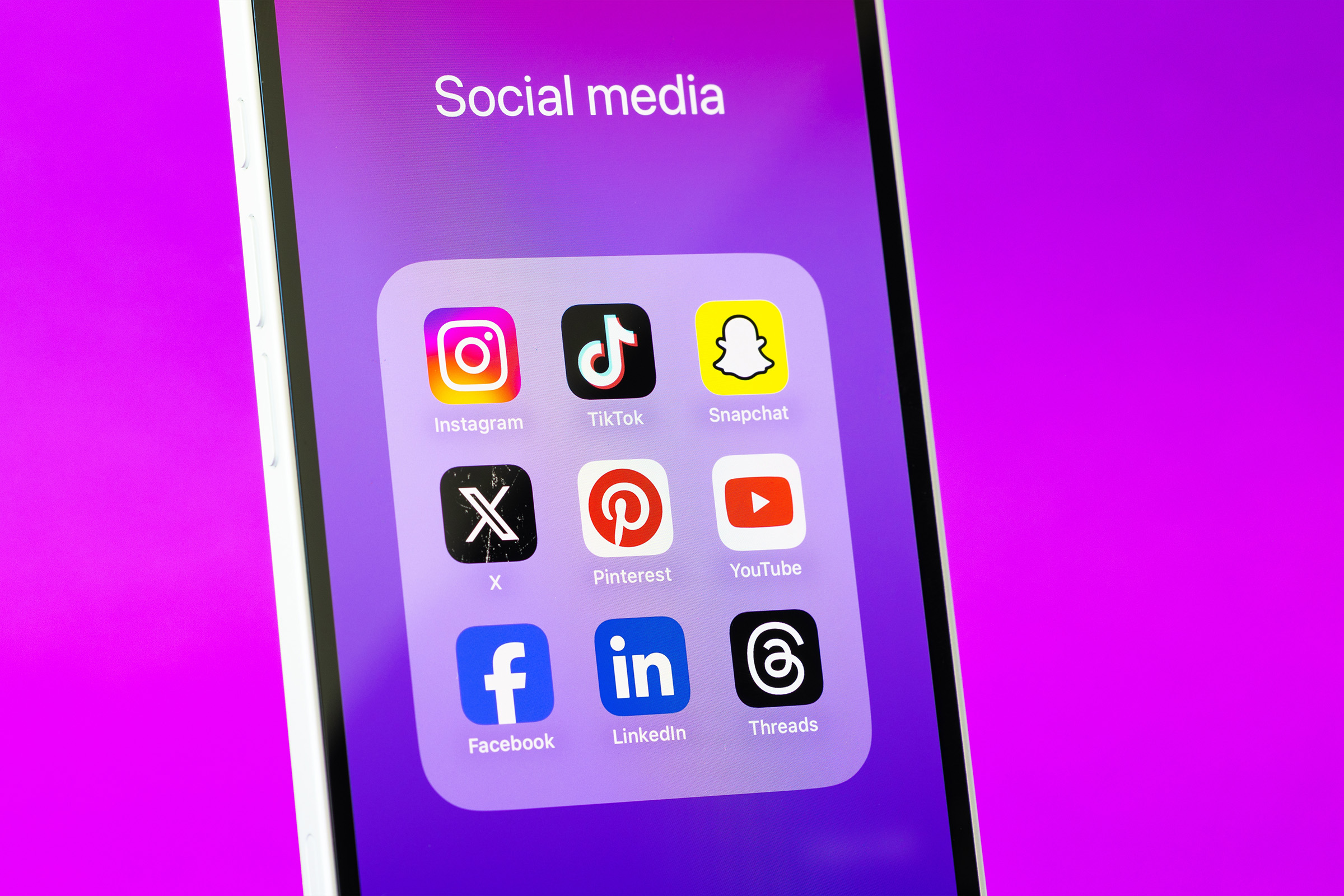
Cutting social media use to just 30 minutes a day can reduce depression symptoms by nearly 25 percent in young adults within a single week, research suggests.
The study indicates that taking a break from platforms like Facebook, Instagram, TikTok, Snapchat, and X can improve anxiety, depression, and sleep problems, especially among those experiencing more severe symptoms.
Helping young adults “diversify their portfolio” by engaging in real-world activities beyond social media should be a priority, Anthony Anzalone, director of child and adolescent outpatient behavioral services at Stony Brook Medicine, who was not involved in the study, told The Epoch Times after reviewing the findings.
Social Media Use Reduced to Half an Hour
The study,
published in November 2025 in JAMA Network Open, found that young adults who reduced social media use for a week on platforms such as Facebook, Instagram, TikTok, Snapchat, and X also experienced a 16 percent decrease in anxiety symptoms and a 14.5 percent reduction in insomnia.
Most significantly, those with more severe depression at the outset saw symptoms decrease by nearly one point on a standard depression scale—a clinically meaningful change that researchers say warrants further investigation into targeted interventions for at-risk populations.
The research involved 295 volunteers ages 18 to 24 who chose to take a break from social media.
Participants reduced their average daily social media use, lowering their average from nearly two hours daily to about half an hour.
Before and after the intervention, participants completed surveys about their depression, anxiety, insomnia, loneliness, and problematic social media habits.
Researchers also maintained a continuous collection of passive cellphone sensing data, including GPS, accelerometer, and screen-state information. This was accomplished using Zoom, with participants showing researchers their phone’s device settings page to record usage metrics.
Real-World Implications
Overall, the findings showed positive effects for the participants.
“What this study shows lines up with what I see every week. When young adults take even a short break from their feeds, their mood evens out, and they feel less keyed up,” Dr. Nona Kocher, a board-certified psychiatrist at Quintessence Psychiatry in Miami, who was not involved in the study, told The Epoch Times.
“It reminds me that their online habits aren’t just background noise. It can really alter someone’s day-to-day mood and emotion,” she added.
Too much time in front of screens can definitely take a toll on mental health, John Sovec, a therapist and coach in private practice in Pasadena, who was not involved in the study, told The Epoch Times.
“Teens are using technology more than ever before,” he added, noting that they use it to study, for entertainment, and to connect through social media and texting.
However, too much time spent scrolling can have a negative effect on mental health and pose as a distraction from necessary activities such as face-to-face socializing and physical exercise. Sovec pointed out that reduced activity, overstimulation, and disrupted melatonin levels from screens create a “cascade effect” that harms both the mind and body.
Loneliness Did Not Improve
Despite the mental health improvements, the social media break did not affect feelings of loneliness.
“It’s not surprising to me that loneliness didn’t really change during the detox. Removing social media doesn’t automatically alter a sense of connection or belonging,” Esin Pinarli, a holistic psychotherapist and founder of Eternal Wellness Counseling, who was not involved in the study, told The Epoch Times.
Anzalone cautioned that while social media interactions cannot replace authentic, face-to-face relationships, they can still offer users a sense of connection and belonging.
“When these virtual ties are removed during a social media detox, individuals without strong real-world support networks may struggle to cope with daily stressors,” he said, adding that for some people, online support can be critical.
Researchers noted several limitations, including reliance on self-reported data and the possibility that participants’ behavior was influenced by knowing they were being monitored.
They also emphasized that further research is needed to understand whether the observed benefits last over time.
Kocher added that the findings reinforce the importance of screening for compulsive use, disrupted sleep, and anxiety tied to screen use.
For many young adults, a screen detox can be a simple, low-risk tool used alongside therapy or medication to provide a reset, she said.
Reducing Screen Time
“When it comes to the concept of a digital detox, it is important to also recognize that electronic screens are a reality in the day-to-day life of most young adults,” Sovec said. He advises parents to have open, honest conversations about their concerns over excessive use and to collaborate with their child on creating a screen-use plan.
Sovec recommends the following practical strategies:
- Start by cutting screen time by 25 percent for everyone in the household.
- Avoid phone use for one hour before bedtime.
- Try a screen-free hour after school and fill it with activities involving friends or family, such as visiting a park or reading together.
- Choose one day each week to take a complete break from screens.
- Spend time outdoors or engage in face-to-face game nights.
He said that such interactions can help create relaxing experiences and social connections, serving as a way to calm the mind and feed the spirit.