

2 Simple Exercises to Improve Posture and Soothe Neck Tension
Comments
Link successfully copied
(PeopleImages.com - Yuri A/Shutterstock)
By Amber Yang
7/18/2025Updated: 7/21/2025

Extended use of electronic devices—such as hunching over computers or scrolling on smartphones—combined with poor posture, including extended sitting or slouching, has driven a rise in cervical spine disorders. Musculoskeletal expert Chen Chaolong highlights that weak core muscle strength often underlies cervical issues and shares two effective exercises to promote cervical spine health.

Chen is the director of We-Care Traditional Chinese Medicine Clinic in Taiwan. He specializes in traditional Chinese acupuncture, tuina massage, and orthopedic treatments for musculoskeletal disorders.

Core Strength: The Key to Cervical Health


Chen observes that historically, patients commonly presented with lumbar or lower limb injuries, often associated with prolonged squatting during work in agrarian or fishing communities. In contrast, modern lifestyles have shifted the prevalence toward cervical and thoracolumbar issues, primarily driven by excessive device use and poor posture.

He notes that neck pain is often linked to the core muscles in the lower back and hips—the body’s main stabilizing muscle groups, crucial for supporting the spine and trunk. Insufficient core strength not only hampers limb function but also compromises neck and shoulder health.

In his treatment approach, Chen focuses first on relieving tension in the lower back and hip muscles. He then customizes adjustments to the arms, back, and neck based on the patient’s specific pain points—effectively alleviating discomfort and supporting spinal health.

2 Exercises to Relieve Cervical Discomfort


Chen emphasizes that exercise is the most effective way to alleviate neck pain and maintain cervical health. He recommends stretching the neck in directions not commonly used during daily activities to relieve muscle stiffness.

Chen shares two targeted neck exercises:

1. ‘米’ Neck Rotation


Do neck movements in all directions—like tracing the strokes of the Chinese character “米” (meaning rice) or the shape of a star or asterisk (“*”).

This exercise improves neck mobility in all directions and promotes relaxation of deep muscles.

Step 1: Turn your head to the left, then lower it to its maximum extent. Place both hands behind your head and apply gentle downward pressure. Slightly resist by pushing your head upward, holding for 5 seconds before returning to the neutral position.

Step 2: Switch to the right side and repeat the actions from step 1.

Step 3: Tilt your head backward, then rotate it to the left. Hold for 5 seconds, then return to neutral.

Step 4: Tilt your head backward, then rotate it to the right. Hold for 5 seconds, then return to neutral.

Perform these four steps as 1 set. Chen advises completing 4 sets daily.

2. Neck Retraction Exercise


This exercise corrects cervical alignment and strengthens the posterior neck muscles.

Step 1: Stand upright, tuck your chin inward, and retract your head backward—as if pulling it into your neck.

Step 2: For advanced users, wrap a towel or resistance band around the back of your head. Hold both ends with your hands and gently pull forward to create resistance, enhancing muscle engagement.

3 Movements That May Injure the Cervical Spine


Beyond neck stiffness and soreness, an unhealthy cervical spine can trigger a range of seemingly unrelated symptoms, including numbness in the hands, headaches, tinnitus, and even high blood pressure. Chen notes that certain cervical issues may compress the carotid arteries, reducing blood flow to the brain. This can stimulate the heart and lead to elevated blood pressure—a condition known as “cervical-related hypertension.”

Chen identifies three common movements in daily life that harm the cervical spine:


  • Neck overextension: Prolonging a forward head posture—resembling a turtle extending its neck—places excessive strain on the cervical spine, leading to overuse and potential damage.

  • Neck flexion with head-drooping posture: Maintaining a downward head position for long periods increases reliance on upper back muscles, causing fatigue that can lead to shoulder and neck pain. The neck experiences the least strain when the eyes are looking straight ahead.

  • Shoulder shrugging: Using a desk or chair at the wrong height can cause a shrugging posture when the hands rest on the table, placing added strain on the shoulders and neck. Adjusting the height to allow the shoulders to relax naturally helps reduce this strain.


Neck Pillow Tips


Chen recommends using a U-shaped travel neck pillow to support proper neck alignment. When reading or using your phone, hold the device at eye level to minimize strain. If your chair’s backrest extends above your neck, place the neck pillow against it to relieve pressure on your neck and back muscles.
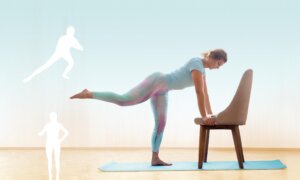

Maintaining good posture, incorporating simple exercises, and using supportive tools can help prevent cervical spine issues—so don’t wait for discomfort to start caring for your neck health.

Share This Article:
Amber Yang is a certified personal trainer. She met all the requirements of the American Council on Exercise to develop and implement personalized exercise programs. She worked as a marketing manager for natural skin care products for years and as a health and beauty reporter and editor for ten years. She is also the host and producer of the YouTube programs "Amber Running Green" and "Amber Health Interview."

©2023-2025 California Insider All Rights Reserved. California Insider is a part of Epoch Media Group.