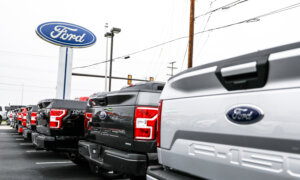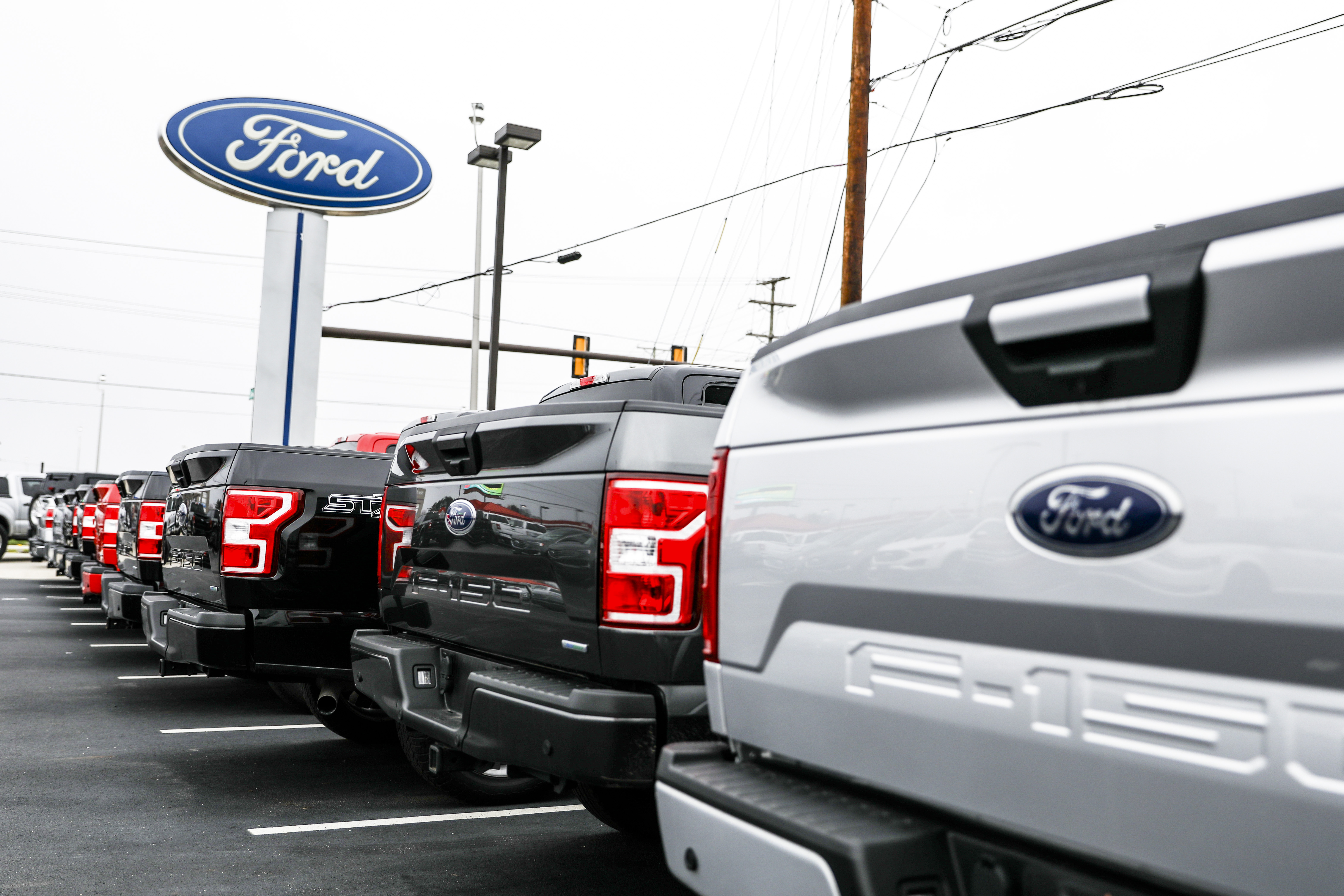

Increasing costs, high prices, and uncertainty regarding economic stability led to a deepening decline in overall confidence among automotive dealers in the fourth quarter.
Automotive dealers signaled weaker demand for vehicles in the quarter as both walk-in and online traffic dipped to record lows at franchised dealerships, Cox Automotive reported on Dec. 3 in its final dealer sentiment index (CADSI) for 2025. The CADSI surveyed 919 franchised and independent automotive dealers and was conducted from Oct. 22 to Nov. 6.
Cox Automotive’s overall market index fell by 5 points, to 38, in the quarter, along with a 42 rating for the future outlook. A rating above 50 indicates a positive outlook for auto sales. Independent dealers signaled even more caution, with a 35 score on the market sentiment index.
Mark Strand, deputy chief economist at Cox Automotive, said lingering economic uncertainty and waning consumer confidence continue to drag down overall dealer sentiment.
“Compared to the rest of the year, the current market feels like it’s running out of gas,” Strand said. “As we look ahead at 2026, renewed market momentum is entirely possible, especially if we get material interest-rate relief and a rebound in consumer confidence.”
Reduced quarterly traffic—overall in-person traffic dipped to an index rating of 29—negatively affected sales among automotive dealerships. Profitability also came under fire because of weakened consumer demand and rising costs, dropping to an overall rating of 36. The index rating of 44 for franchised dealers was a 5-point decline from the same quarter in 2024, Cox Automotive noted.
Used car inventory also is tightening and leading to heightened demand among independent dealers. Cox Automotive reported a nationwide used car inventory of 2.26 million vehicles at the beginning of November, with used car sales topping 1.4 million in October. However, independent dealers registered a 39 rating for the used vehicle sales environment for the fourth quarter, placing pressure on them to raise prices for used vehicles.
According to Cox Automotive, used car listings averaged a little less than $26,000 in November. Dealer inventory of used vehicles at less than $15,000 was especially tight, Cox stated. The average transaction price for new vehicles, meanwhile, continues to climb and topped $50,000 for the first time in September 2025, a 3.6 percent year-over-year gain, Cox reported. Average transaction prices retreated slightly in October, however, dropping to $49,766.
Franchised and independent dealerships were both adversely affected by a sharp quarterly decline in electric vehicle sales and leasing activity following the Sept. 30 expiration of the Clean Vehicle Tax Credit for new EV sales. Sentiment for future EV sales among franchised dealers tumbled to 24, with EV leasing falling almost 10 points to 27 on the dealer sentiment index.
EV sales had spiked to record highs in the third quarter as consumers rushed to take advantage of the $7,500 credit. Ford Motor Company and General Motors both reported record EV sales in the third quarter.
“[The fourth quarter] closes a turbulent year for automotive retail,” Cox Automotive said. “After a brief tariff-fueled surge in the second quarter and a spike in EV sales in the third quarter, the market has begun to show signs of slowing in the fourth quarter.
“Dealer sentiment has declined as the market slows, but if consumer confidence improves and auto loan rates start to trend lower, momentum and sentiment could recover in the first half of 2026.”