
Wall Street is nervous about rising capital expenditures (capex) among the artificial intelligence (AI) hyperscalers, as shares of Alphabet and Tesla Motors sank on July 23.
Google parent Alphabet delivered better-than-expected second-quarter earnings, with revenue topping expectations thanks to an 82 percent jump in its cloud division.
But investors have grown more cautious surrounding the tech giant’s capex forecasts.
Alphabet projects this year’s capex in the range of $195 billion to $205 billion, up from $180 billion to $190 billion in the previous quarter. It also warned of higher levels in 2027.
To satisfy demand and keep up with the AI infrastructure buildout, Alphabet wants to bolster its capital investments.
“We’re still in a supply-constrained environment,” CFO Anat Ashkenazi said on an earnings call.
“I think we’ve said this now for multiple quarters in a row, and we are seeing very strong demand both from external cloud customers as well as across the business.”
Alphabet tumbled close to 8 percent to about $316, erasing all of its year-to-date gains.
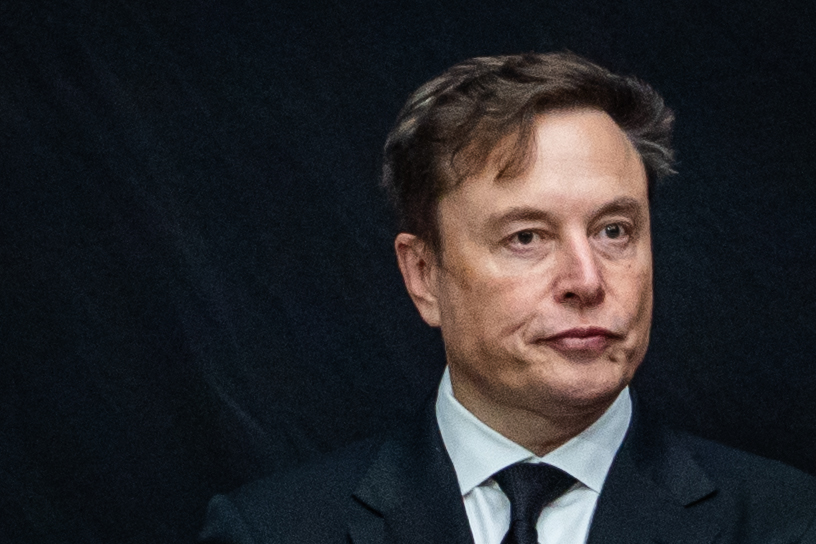
Tesla CEO Elon Musk is also betting big on capex.
The electric vehicle maker reported that capex surged 142 percent year over year in the first quarter to nearly $6 billion.
“This is a massive capex year. I’m confident that all the things that we’re investing in will yield incredible returns. Really, maybe the best capex returns that we’ve ever seen,” Musk said on an earnings call with analysts.
Tesla has been investing in various infrastructure initiatives, including semiconductors, battery materials, AI compute, and solar.
The company reported weaker-than-expected second-quarter earnings. Revenues climbed 2 percent, while net income declined 5 percent.
Tesla shares fell almost 14 percent to around $322, adding to their year-to-date decline of nearly 27 percent.
AI Capex
Scores of tech juggernauts have been increasing their capex forecasts.
Earlier this year, Amazon and Meta Platforms updated their capex spending for 2026. Amazon could spend up to $200 billion in 2026, while the social media company is doubling its investments from a year ago to as much as $135 billion.
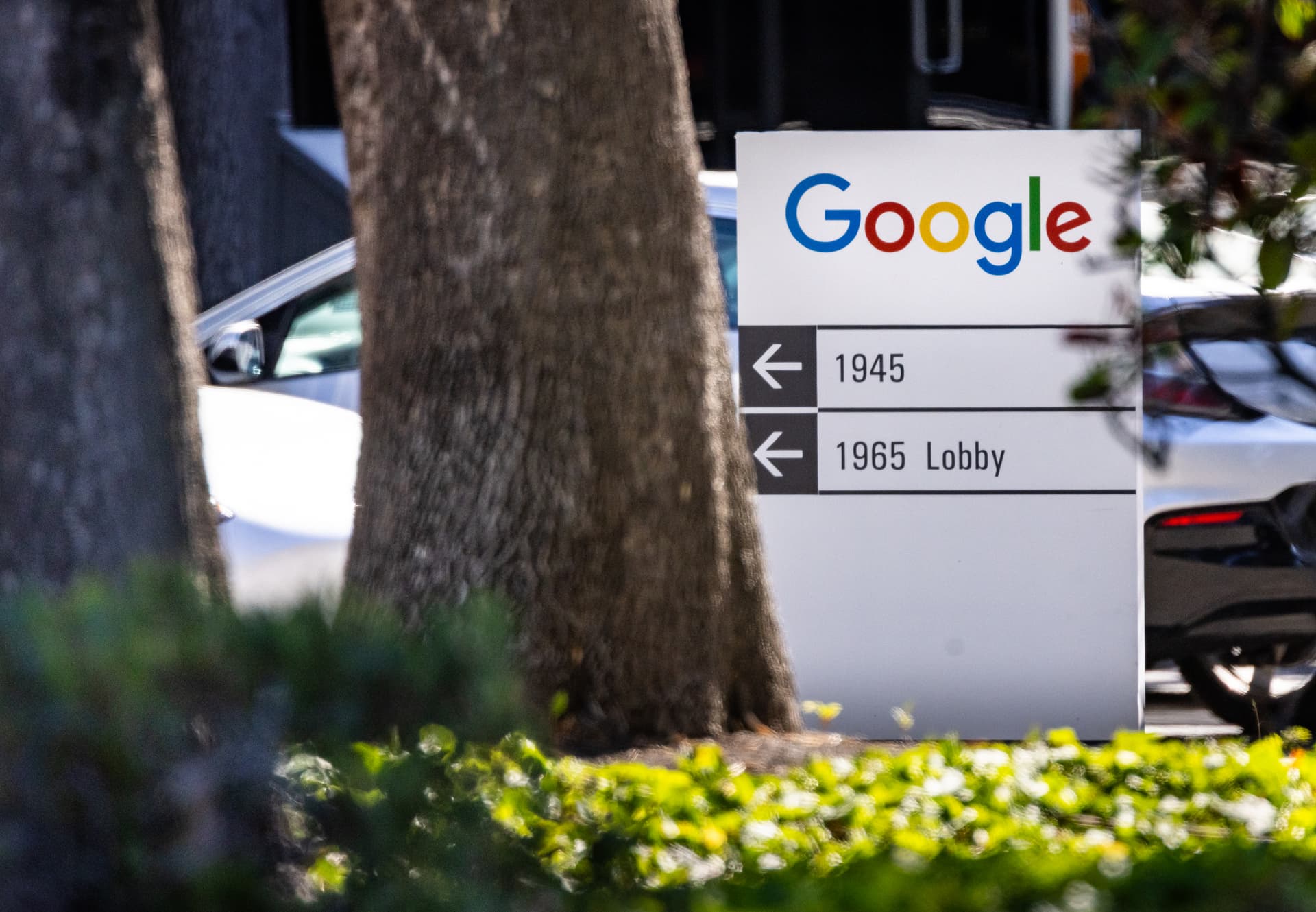
Google headquarters in Mountain View, Calif., on July 31, 2025. (John Fredricks/The Epoch Times)
While companies have attempted to assuage capex growth concerns in the financial markets this year, negative cash flows could be the latest threat to the AI-fueled rally.
Alphabet reported negative free cash flow for the first time. Tesla also confirmed a negative cash flow, though it came in below expectations.
“The market’s reacting to not just the capex spend, but the free cash flow issue, and that spans across all the tech names,” Nancy Tengler, CEO and CIO at Laffer Tengler Investments, said in an emailed note to The Epoch Times.
Prices on corporate tech bonds have slumped this week, signaling that investors could be seeking higher compensation as they wait longer for solid returns.
Alphabet’s one billion pound ($1.37 billion) century bond has sunk about 10 percent since its February debut.
SpaceX’s bond prices have also tumbled since their launch. The 2056 bond, for example, has also declined about 8 percent since it was issued a month ago.
“I think the market is going to pretty soon understand that there’s going to be a limit to how much they can keep increasing capex, and this may be it right here,” Bob Lang, founder of Explosive Options, said in a note emailed to The Epoch Times.
“And I don’t think the market is appreciating the fact that every incremental dollar that they’re spending in capex is going to be a huge return on their investment for their shareholders.”
Chipmaker Nvidia also held a $25 billion bond sale this month, its first since 2021. Prices have also slipped for the past two months.
Given the market’s outsized reliance on tech, a sharp pullback could leave the wider equities arena exposed.
The tech-heavy Nasdaq Composite Index plummeted nearly 700 points, or 2.6 percent, during the July 23 session. The blue-chip Dow Jones Industrial Average and the broad-market S&P 500 each fell more than 1 percent.
But the capex boom has been a tailwind for the broader U.S. economy, contributing sizably to GDP.
Business investment—fueled by the AI infrastructure expansion—is expected to account for more than half of the second quarter’s 1.7 percent growth, according to the Atlanta Federal Reserve.